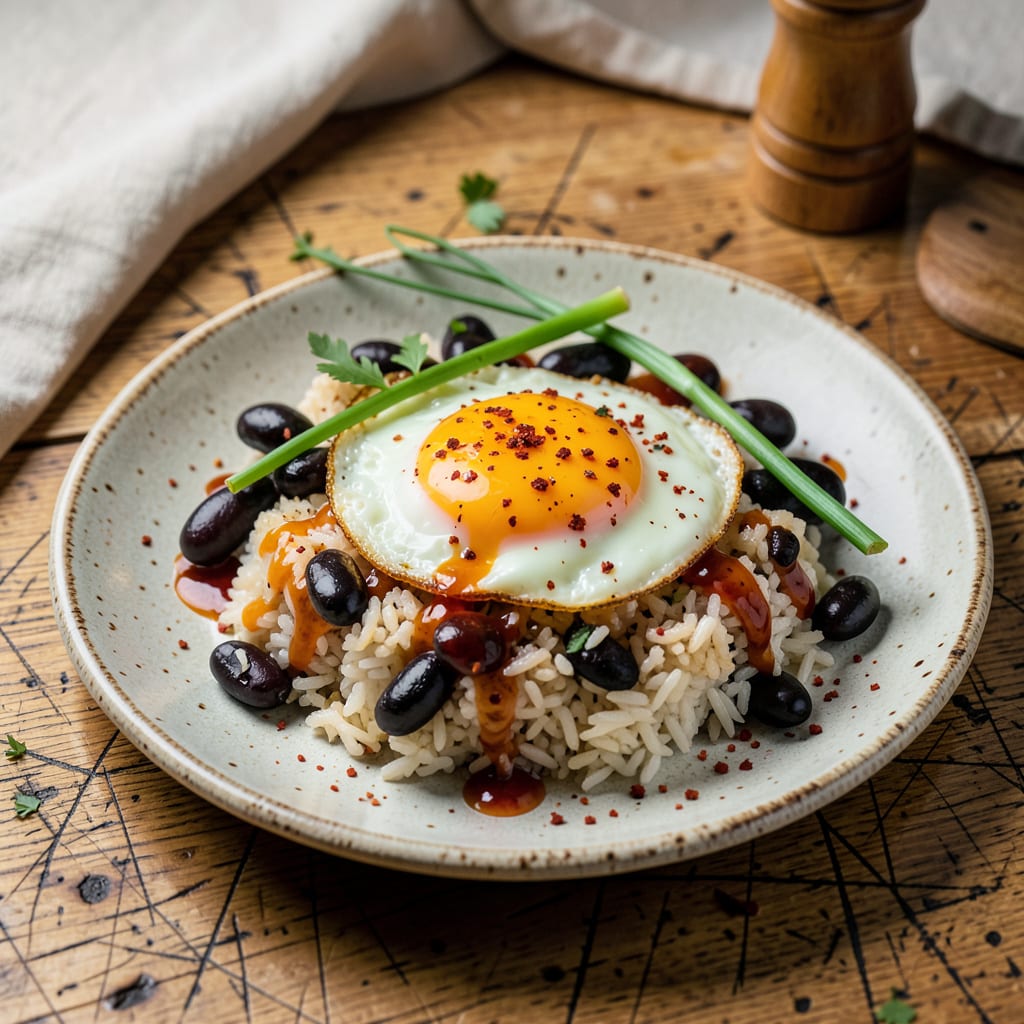
A struggle meal is a simple, inexpensive dish made with basic ingredients when money or time is tight. It’s often creative, filling, and designed to stretch limited resources without sacrificing flavor or nutrition.
I love how these meals transform scarcity into culinary ingenuity. 🔥 The magic happens when you combine pantry staples like rice, beans, or pasta with clever seasoning—think garlic powder, soy sauce, or even bouillon cubes—to create something satisfying. What’s fascinating is how struggle meals reflect cultural resilience: from Southern “depression-era” dishes to global comfort foods like Spanish migas or Indian khichdi. They prove that resourcefulness in the kitchen isn’t just about survival—it’s about crafting meals that nourish both body and spirit.
💡 In This Article
- Why Struggle Meals Became a Cultural Staple
- Easy Struggle Meal Recipes for Any Pantry
Why Struggle Meals Became a Cultural Staple
Struggle meals emerged from pure necessity during economic downturns, wars, and migrations. The Great Depression in the 1930s gave us dishes like hoover stew (hot dogs, macaroni, and canned beans) that cost pennies per serving. Similarly, post-WWII Japan popularized okazu—simple side dishes made from scraps—because protein was scarce.
These weren’t just meals; they were survival strategies that turned limitation into culinary tradition. 🔥
The science behind their staying power lies in ingredient synergy. Take rice and beans: together they form a complete protein with all 9 essential amino acids, despite neither having them alone. A 1-cup serving of this combo delivers about 12g protein for under $0.50.
This nutritional efficiency explains why variations appear globally—from feijoada in Brazil to red beans and rice in Louisiana. The flavor magic happens through Maillard reactions when onions or garlic brown, creating depth from minimal ingredients.
What’s fascinating is how these meals evolved beyond survival. My grandmother’s depression-era tomato gravy (flour, water, canned tomatoes) became a comfort food we crave today. The umami boost from slow-cooked onions and the textural contrast of soft bread soaked in gravy make it satisfying despite its simplicity.
This psychological comfort factor is why struggle meals persist even when budgets aren’t tight—they connect us to resilience and resourcefulness.
Modern struggle meals now reflect cultural fusion. College students mix ramen with peanut butter for Thai-inspired flavor, while immigrants create hybrid dishes like Spam musubi (Hawaiian-Japanese) from affordable canned meat. The unifying principle? Flavor layering: even cheap ingredients like soy sauce (fermented), vinegar (acidic), or smoked paprika (depth) can transform basics.
The average struggle meal today costs $1.50-$3 per serving but delivers 3-4 flavor dimensions through smart technique.
Economists call this “conspicuous frugality”—where the creativity becomes the status symbol rather than the cost. A perfectly crisped grilled cheese with tomato soup (total cost: $2.25) can feel more impressive than a mediocre steak. The key is mastering techniques like caramelization (for depth), acid balance (brightness), and texture contrast (crunch vs. creaminess).
These principles turn constraints into culinary advantages. ✨
Even high-end chefs now study struggle meals for their flavor-to-cost ratios. A $0.75 serving of garlic butter pasta with chili flakes and parsley demonstrates how fat (butter), alliums (garlic), and heat (chili) create restaurant-quality taste from pantry staples. The lesson?
Great cooking isn’t about expensive ingredients—it’s about understanding how flavors interact and maximizing what you have. That’s the real legacy of struggle meals. 💫

Trained in classic French technique but raised on slow-cooked ribs and spicy rubs, she blends culinary skill with smoke and soul.
- Recipe for Boneless Pork Chops in Cast Iron Skillet: Sear and Baste to Juicy Perfection - October 3, 2026
- Recipe for Boneless Cross Rib Roast: Slow-Roasted Beef with Herb Crust - October 3, 2026
- Hamburgers in Sauce Recipe Crock Pot: Slow-Cooked Savory Delight - October 3, 2026