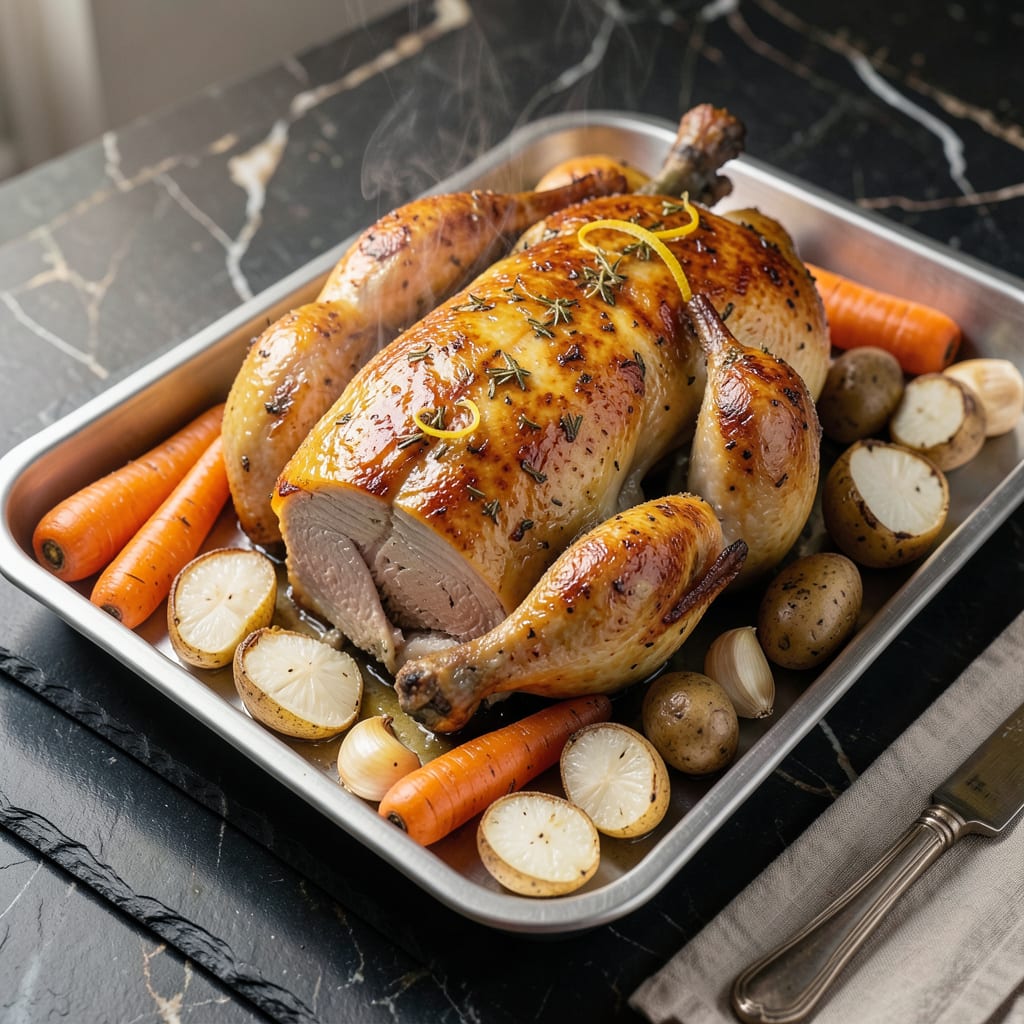
Cook time on an oven refers to the total duration a dish needs to bake, roast, or heat at a specific temperature to reach perfect doneness. It varies by recipe, oven type, and food thickness.
Think of cook time as your recipe’s heartbeat—it determines whether your dish emerges tender and flavorful or dry and disappointing. 🔥 As a pitmaster who’s spent years perfecting timing, I’ve learned that even 5 minutes can make or break a dish. The magic happens when heat penetrates evenly, transforming raw ingredients into something extraordinary. Your oven’s quirks, the pan material, and even your kitchen’s altitude play supporting roles in this culinary performance.
What most home cooks overlook is how cook time interacts with carryover cooking—that critical period when food continues cooking after leaving the oven. This is why I always recommend pulling dishes out 5-10°F before they reach target temperature. The difference between perfectly juicy meat and a dry disappointment often comes down to understanding these hidden moments of residual heat. ✨
💡 In This Article
- How Oven Cook Times Affect Food Texture and Flavor
- Adjusting Oven Cook Times for Different Recipes and Appliances
How Oven Cook Times Affect Food Texture and Flavor
Cook times transform food through precise heat transfer mechanisms. When you set your oven to 350°F, you’re initiating a complex dance between conduction (heat moving through the pan), convection (hot air circulating), and radiation (direct heat waves).
Proteins like those in chicken breasts begin denaturing at 140°F, tightening their structure and squeezing out moisture—this is why timing matters so much. Too long, and you’ll end up with sawdust; too short, and you risk foodborne illness. 🔥
The moisture content in your food acts like a built-in timer. Baked goods rely on starch gelatinization (where flour absorbs liquid and swells) that typically completes between 190-210°F internal temperature. A cake removed at 20 minutes might collapse because the starches haven’t fully set, while one left for 35 minutes develops a dry, crumbly texture.
Meats behave differently—collagen in tough cuts like brisket needs 6-8 hours at low temps to break down into silky gelatin.
Here’s what most recipes don’t tell you: oven recovery time affects actual cook duration. Every time you open that door, your oven can lose 25-50°F and take 5-10 minutes to stabilize. This is why professional kitchens use ovens with rapid recovery systems.
For home cooks, I recommend checking doneness through the window first and minimizing door openings during critical phases like the first 20 minutes of baking or the last 30 minutes of roasting. ✨
Flavor development follows specific time-temperature curves. The Maillard reaction (that delicious browning) kicks in around 285°F but needs sufficient time to develop complex flavors—this is why searing a steak for 2-3 minutes per side at high heat creates more depth than a quick 1-minute sear.
Caramelization of sugars in vegetables like onions requires 45-60 minutes of slow cooking to develop their full sweet potential without burning.
Different foods have distinct thermal centers that determine doneness:
- Meats: Measure 3°F below target temp at the thickest part (accounting for carryover)
- Baked goods: Toothpick should come out with 2-3 moist crumbs (not wet batter)
- Vegetables: Should yield to a fork but maintain slight resistance for texture
The secret weapon?
Understanding your specific oven’s personality. I’ve worked with ovens that run 50°F hot and others that have cold spots in the back left corner. Invest in an oven thermometer ($10 well spent) and map your oven’s hot zones by baking slices of bread at 350°F for 10 minutes—the browning pattern reveals everything.
This knowledge lets you adjust cook times and pan placement for perfect results every time. 💫

Trained in classic French technique but raised on slow-cooked ribs and spicy rubs, she blends culinary skill with smoke and soul.
- Recipe for Boneless Pork Chops in Cast Iron Skillet: Sear and Baste to Juicy Perfection - October 3, 2026
- Recipe for Boneless Cross Rib Roast: Slow-Roasted Beef with Herb Crust - October 3, 2026
- Hamburgers in Sauce Recipe Crock Pot: Slow-Cooked Savory Delight - October 3, 2026