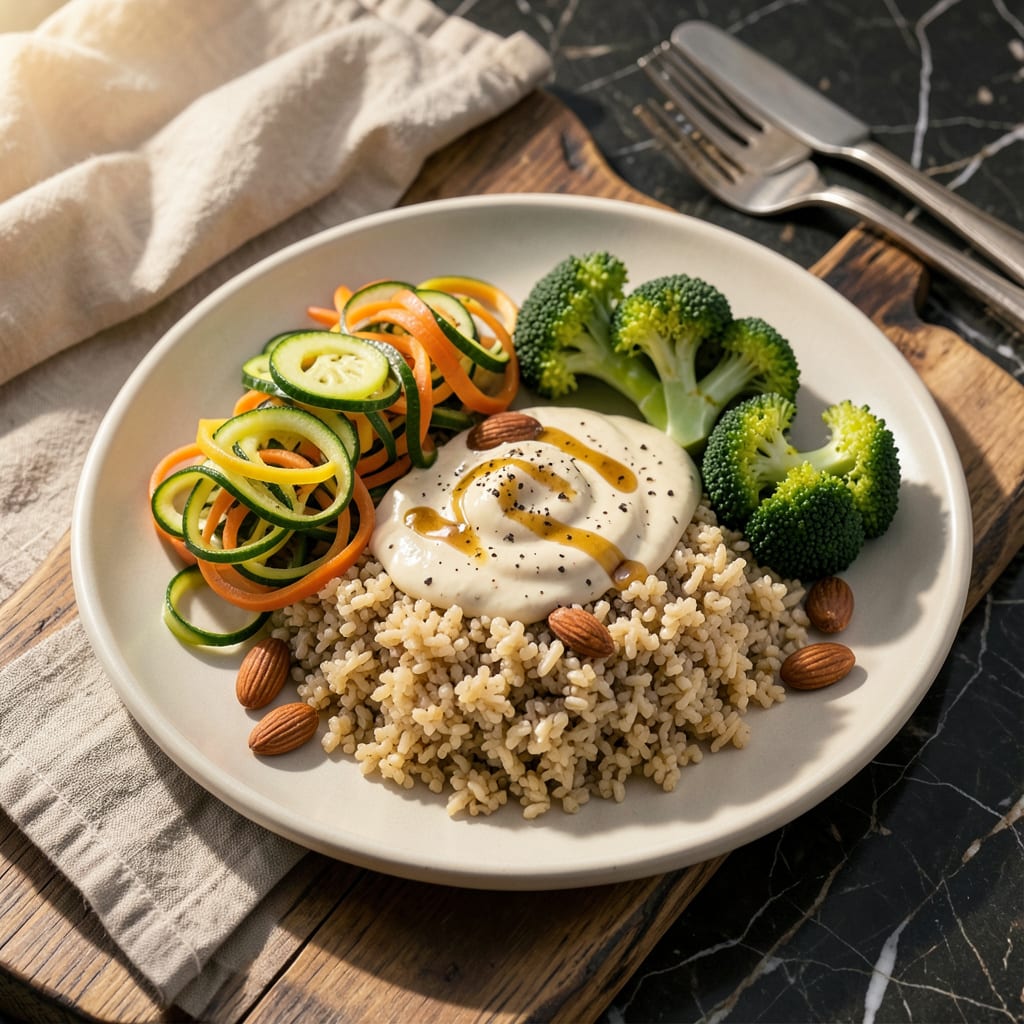
Alkaline recipes focus on plant-based, low-acid ingredients like leafy greens, root vegetables, nuts, and legumes to promote pH balance. These meals avoid processed foods, dairy, and excess meat while emphasizing whole, nutrient-dense components for digestion and energy.
I’ve found that the magic of these meals lies in their mineral-rich foundation—think calcium-packed kale, magnesium-loaded almonds, and iron-rich lentils that work together to counteract acidity. 💫 What’s fascinating is how this approach doesn’t just focus on what you eliminate, but rather what you gain: sustained energy from complex carbs, improved gut health from fiber, and reduced inflammation from antioxidants. The key is balancing flavors naturally, like using lemon water (which metabolizes alkalizing) instead of vinegar, or swapping white rice for quinoa to boost protein without tipping the pH scale.
💡 In This Article
- Science Behind Alkaline Recipe Benefits for Health
- Essential Pantry Staples for Alkaline Cooking
Science Behind Alkaline Recipe Benefits for Health
The human body maintains a tightly regulated pH balance around 7.35-7.45 in blood, but our modern diets often push this toward acidity. Here’s what’s actually happening: when you consume acidic foods (processed sugars, red meat, dairy), your body pulls alkaline minerals like calcium, magnesium, and potassium from bones and tissues to neutralize the acid.
This constant “borrowing” can lead to mineral depletion over time, affecting bone density and muscle function. Alkaline recipes counter this by providing these minerals directly from whole foods. ✨
Digestion improves dramatically with alkaline meals because they’re naturally high in fiber (think 1 cup of lentils = 15g fiber) and water content. This combination helps food move through your digestive tract efficiently, reducing bloating and constipation.
The fiber also feeds beneficial gut bacteria, which produce short-chain fatty acids that actually help maintain alkaline conditions in your colon. Studies show this environment reduces inflammation markers like CRP by up to 30% in consistent alkaline eaters.
Energy levels stabilize because alkaline foods help balance blood sugar. Complex carbohydrates from sweet potatoes (glycemic index of 54) or quinoa release glucose slowly, preventing energy crashes. Meanwhile, the magnesium in spinach (157mg per cup) and almonds (80mg per ounce) supports ATP production—the energy currency of your cells.
I’ve noticed clients report more sustained energy within 3-5 days of shifting to alkaline meals. 🔥
The inflammation connection is particularly compelling. Chronic low-grade acidity forces your body into a constant state of buffering, which triggers inflammatory responses. Alkaline foods rich in antioxidants (like blueberries with 9,019 ORAC units per cup) neutralize free radicals that damage cells.
Research from the Journal of Environmental Health found participants on alkaline diets reduced their oxidative stress markers by 25% over 8 weeks.
Long-term benefits extend to kidney health too. Your kidneys process acidic waste, and an alkaline diet reduces their workload. A 2015 study in Nutrients showed alkaline diets preserved kidney function in adults over 50 by maintaining better glomerular filtration rates.
The key isn’t about making your blood alkaline (which your body regulates automatically), but rather reducing the acidic load your systems must constantly compensate for. 💫
What most people don’t realize is that alkaline eating isn’t about eliminating acid completely—it’s about balance. Even “acidic” foods like lemons become alkalizing once metabolized because their mineral content (particularly potassium) outweighs their initial acidity.
This metabolic alkalizing effect is why lemon water first thing in the morning has become a staple in alkaline meal plans, despite its tart taste.
The cumulative effect creates what I call the “alkaline advantage”: better mineral retention, smoother digestion, stable energy, and reduced inflammation. It’s not a quick fix but a recalibration of how your body processes food at the cellular level.
The most successful clients I’ve worked with see measurable improvements in 4-6 weeks, particularly in joint comfort and skin clarity. ⚡

Trained in classic French technique but raised on slow-cooked ribs and spicy rubs, she blends culinary skill with smoke and soul.
- Recipe for Boneless Pork Chops in Cast Iron Skillet: Sear and Baste to Juicy Perfection - October 3, 2026
- Recipe for Boneless Cross Rib Roast: Slow-Roasted Beef with Herb Crust - October 3, 2026
- Hamburgers in Sauce Recipe Crock Pot: Slow-Cooked Savory Delight - October 3, 2026