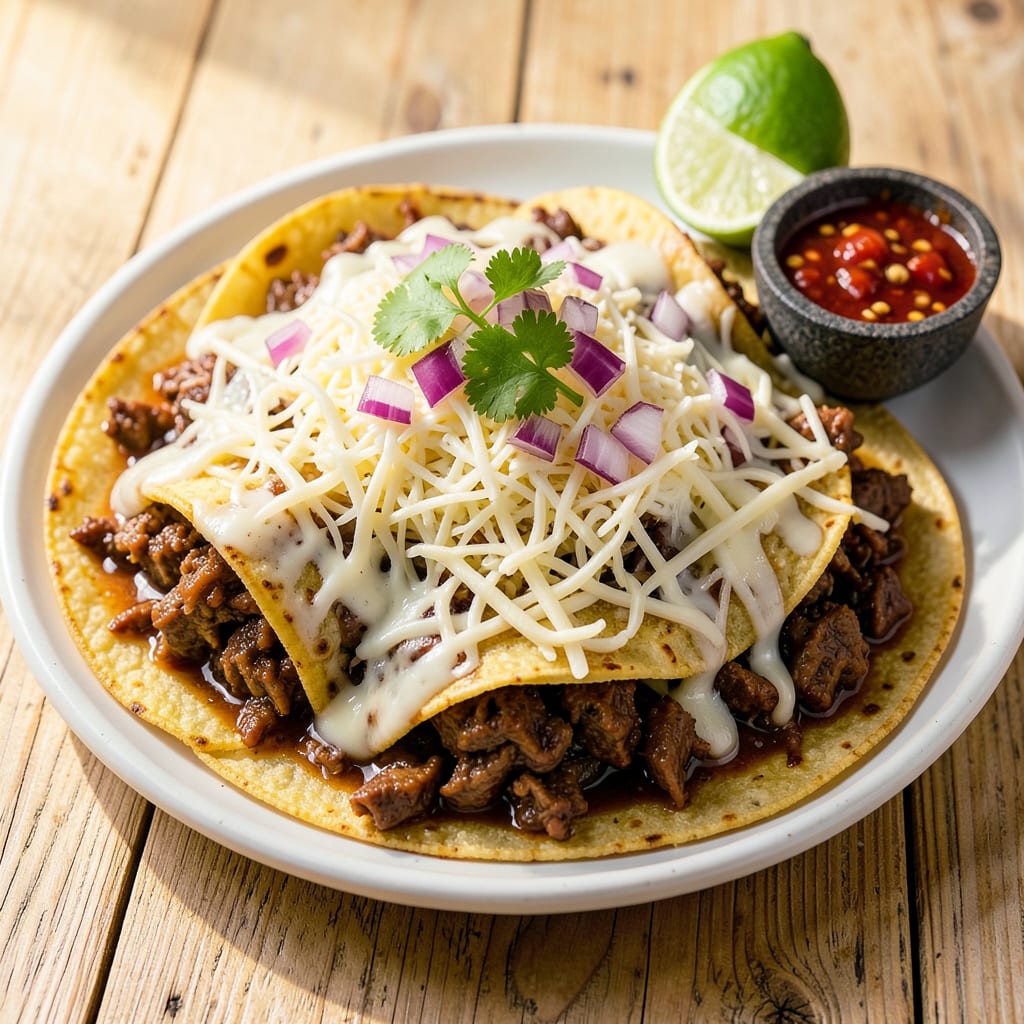
The white shredded cheese commonly found in Mexican restaurants is queso blanco or Monterey Jack, prized for its mild, creamy flavor and excellent melting properties. Queso fresco is another popular option, though it’s often crumbled rather than shredded.
I love how these cheeses transform dishes with their unique textures and flavors. Queso blanco brings a slightly tangy, salty kick that holds up beautifully in cooked dishes, while Monterey Jack offers that perfect melt for gooey quesadillas or nachos. What’s fascinating is how their origins shape their uses—queso blanco is traditionally made from cow’s milk with a quick acid coagulation, giving it that signature crumble, whereas Monterey Jack’s American roots make it more adaptable to melting. 🔥
💡 In This Article
- How Queso Blanco and Monterey Jack Differ in Mexican Cuisine
- Best Dishes to Use Mexican White Shredded Cheese In
How Queso Blanco and Monterey Jack Differ in Mexican Cuisine
The secret to their distinct personalities lies in how they’re made. Queso blanco starts with whole cow’s milk heated to 185°F, then acidified with vinegar or lemon juice—no rennet involved. This quick acid coagulation creates a soft, crumbly texture with a mild tang and higher salt content (about 1.5-2% sodium).
The curds are pressed just enough to hold shape but retain moisture, giving it that signature squeaky bite when fresh. 🔥
Monterey Jack, on the other hand, follows a more traditional cheesemaking path with rennet coagulation and a slower cooking process (102°F for 30-45 minutes). This develops a smoother, more elastic protein structure that melts uniformly. The fat content hovers around 50% (compared to queso blanco’s 45%), which explains why it creates those glorious cheese pulls in quesadillas. The aging process—typically 1-3 months—also mellows its flavor into that buttery richness we love.
Here’s where their Mexican restaurant roles diverge: Queso blanco’s higher moisture content (50-55%) makes it ideal for dishes where you want the cheese to soften but not disappear—think chiles rellenos or sopes. Its saltiness cuts through rich sauces beautifully.
Monterey Jack, with its lower moisture (40-45%), becomes the go-to for anything requiring a smooth melt, like queso fundido or enchiladas suizas. The difference becomes obvious when you compare their performance on a hot comal—queso blanco will soften and brown slightly, while Monterey Jack creates that golden, bubbly blanket. ✨
Temperature tolerance reveals another key difference. Queso blanco begins to weep moisture at just 140°F, which is why it’s often added at the end of cooking. Monterey Jack can handle heat up to 200°F before the fats start separating, making it more forgiving for dishes that need longer cook times.
I’ve found this particularly useful when making cheese crisps—Monterey Jack holds its shape at 375°F for that perfect crunch, while queso blanco would spread too thin.
The milk treatment matters too. Queso blanco typically uses raw or pasteurized whole milk without standardization, meaning fat content can vary seasonally. Monterey Jack producers often standardize the milk to 3.5% fat before cheesemaking, ensuring consistency in melt and flavor.
This standardization is why restaurant chains prefer Monterey Jack—they can guarantee the same cheesy stretch in every location. 🌟
For home cooks, the shredding experience tells the tale. Fresh queso blanco crumbles rather than shreds cleanly—you’ll get a mix of fine particles and small clumps. Monterey Jack, especially the pre-shredded versions, contains anti-caking agents like cellulose powder (2% or less) to prevent clumping.
If you’re shredding block cheese yourself, chill it for 30 minutes first—this makes both varieties easier to handle, though queso blanco will still resist perfect shreds due to its softer structure.
Pro tip: When substituting one for the other, adjust your salt. If using Monterey Jack in a recipe calling for queso blanco, add an extra ¼ teaspoon salt per cup of cheese to compensate. Conversely, rinse queso blanco under cold water for 10 seconds if you find it too salty for delicate dishes like elote.
The texture differences mean queso blanco works better in cold applications (tacos, tostadas) while Monterey Jack excels when heat is involved. 💫

Trained in classic French technique but raised on slow-cooked ribs and spicy rubs, she blends culinary skill with smoke and soul.
- Recipe for Boneless Pork Chops in Cast Iron Skillet: Sear and Baste to Juicy Perfection - October 3, 2026
- Recipe for Boneless Cross Rib Roast: Slow-Roasted Beef with Herb Crust - October 3, 2026
- Hamburgers in Sauce Recipe Crock Pot: Slow-Cooked Savory Delight - October 3, 2026