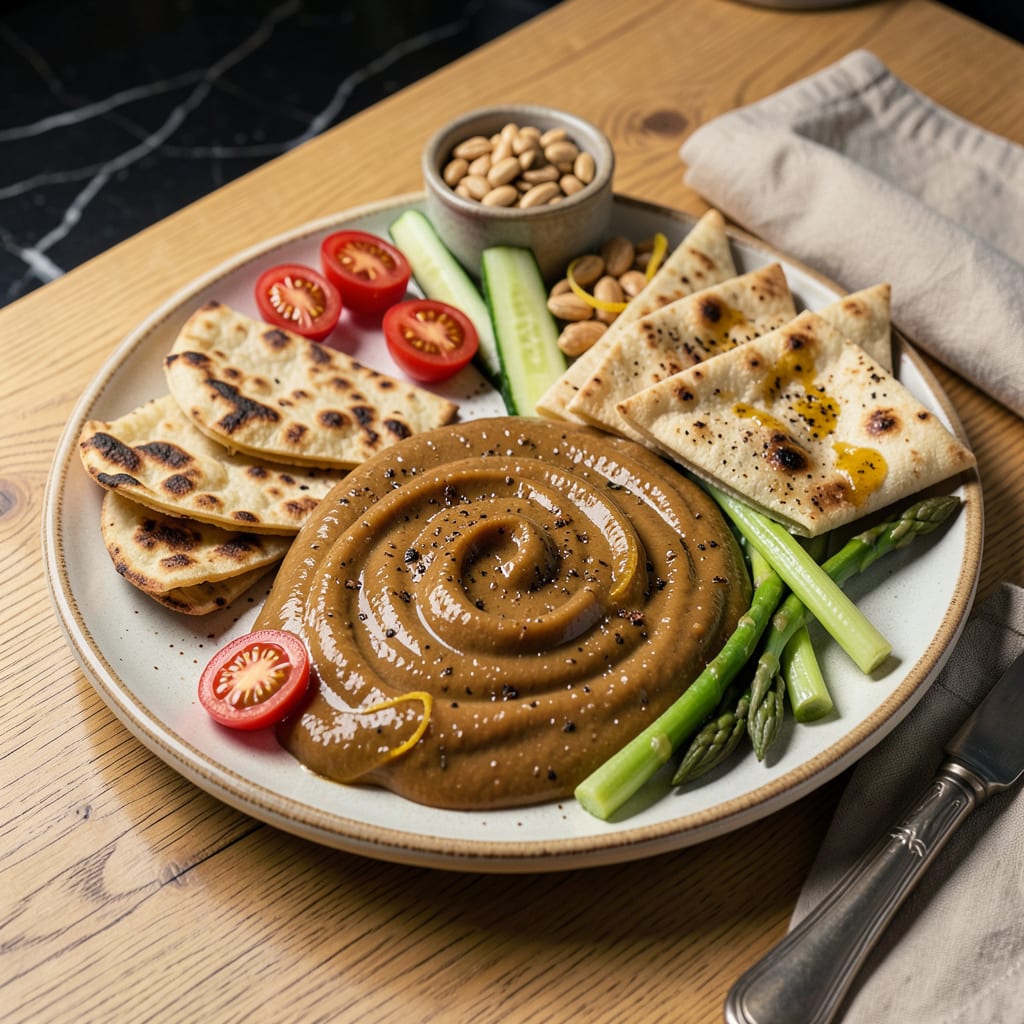
A sauce recipe combines liquids, seasonings, and thickeners to enhance flavor and texture. Classic options include béchamel (white sauce), marinara (tomato-based), and hollandaise (buttery, egg-yolk emulsion).
I love how sauces transform simple dishes into restaurant-quality meals. The magic happens when you balance fat (like butter or oil), acidity (vinegar or citrus), and aromatics (garlic, herbs) to create depth. 🔥 My French training taught me that technique matters just as much as ingredients—whether you’re whisking a velvety béchamel or reducing a bold pan sauce after searing meat. The right sauce can elevate everything from grilled chicken to roasted vegetables.
What most home cooks don’t realize is that sauces follow predictable patterns. Once you master a roux-based sauce or emulsion technique, you can improvise endlessly. I’ve seen beginners get intimidated by hollandaise, but it’s just about temperature control and patience. The same principles apply whether you’re making a quick garlic butter drizzle or a slow-simmered red wine reduction.
💡 In This Article
- Core Components of Every Sauce Recipe
- 5 Versatile Sauce Recipes for Beginner Cooks
Core Components of Every Sauce Recipe
The foundation of any sauce lies in its liquid base—whether it’s dairy (like heavy cream for alfredo), stock (chicken or vegetable for gravies), or fruit/vegetable purées (tomatoes for marinara). These liquids carry flavor and determine the sauce’s body.
What most cooks overlook is how temperature affects viscosity: simmering reduces water content, concentrating flavors while thickening naturally. A classic béchamel starts with warm milk to prevent lumps when combined with roux. 🔥
Thickeners transform runny liquids into luscious coatings. A roux (equal parts fat and flour cooked together) creates the backbone for sauces like velouté, while cornstarch slurries (1:1 cornstarch to cold water) work instantly for stir-fry sauces.
For emulsified sauces like hollandaise, egg yolks act as natural thickeners by binding fat and water molecules—this only works when temperatures stay below 160°F to prevent curdling. The ratio matters: too much thickener makes sauces gluey, too little leaves them watery.
Fat and acidity create the magic balance that makes sauces irresistible. Fats like butter or olive oil carry flavor compounds and create mouthfeel, while acids (lemon juice, vinegar, wine) cut through richness. A perfect beurre blanc emulsifies 1 cup butter into ¼ cup white wine vinegar reduction—the acid keeps the butter from separating.
I always taste as I go, adjusting with pinches of salt or splashes of acid until the flavors sing. ✨
Seasoning layers build complexity. Toasted spices (like cumin or coriander) bloom in hot oil before adding liquids. Fresh herbs added at the end preserve their bright flavors, while dried herbs need 10-15 minutes of simmering to release their essence.
A pinch of sugar can balance acidity in tomato sauces, and umami boosters (soy sauce, fish sauce, or mushrooms) add depth without overpowering. The secret? Build flavors in stages—don’t dump everything in at once. 💫
Emulsifiers are the unsung heroes that prevent sauces from breaking. Mustard in vinaigrettes, egg yolks in mayonnaise, or even a blender’s shear force can create stable emulsions. For creamy sauces, I often use 1 tablespoon of cold butter whisked in at the end—this “mounting” technique adds glossy richness without heaviness.
The science is simple: emulsifiers have one water-loving end and one fat-loving end, allowing them to bridge the two components. 🌟
Texture contrasts elevate sauces from good to unforgettable. A smooth béchamel might get finished with grated nutmeg for warmth, while chunky salsa verde relies on hand-chopped herbs and capers. For body, I sometimes blend in ¼ cup cooked vegetables (like roasted red peppers) or stir in toasted breadcrumbs for texture.
Remember: the best sauces engage multiple senses—creamy mouthfeel, bright colors, and layers of aroma that hit you before the first bite. ⚡
Timing changes everything. Reductions need patience—rushing a red wine sauce by cranking heat too high burns the sugars instead of caramelizing them. Delicate sauces like hollandaise require gentle heat and constant whisking to prevent scrambling.
I’ve found that resting sauces for 5-10 minutes off heat allows flavors to meld, especially for tomato-based sauces where acidity can taste harsh when first made. The wait is always worth it. 💛

Trained in classic French technique but raised on slow-cooked ribs and spicy rubs, she blends culinary skill with smoke and soul.
- Recipe for Boneless Pork Chops in Cast Iron Skillet: Sear and Baste to Juicy Perfection - October 3, 2026
- Recipe for Boneless Cross Rib Roast: Slow-Roasted Beef with Herb Crust - October 3, 2026
- Hamburgers in Sauce Recipe Crock Pot: Slow-Cooked Savory Delight - October 3, 2026