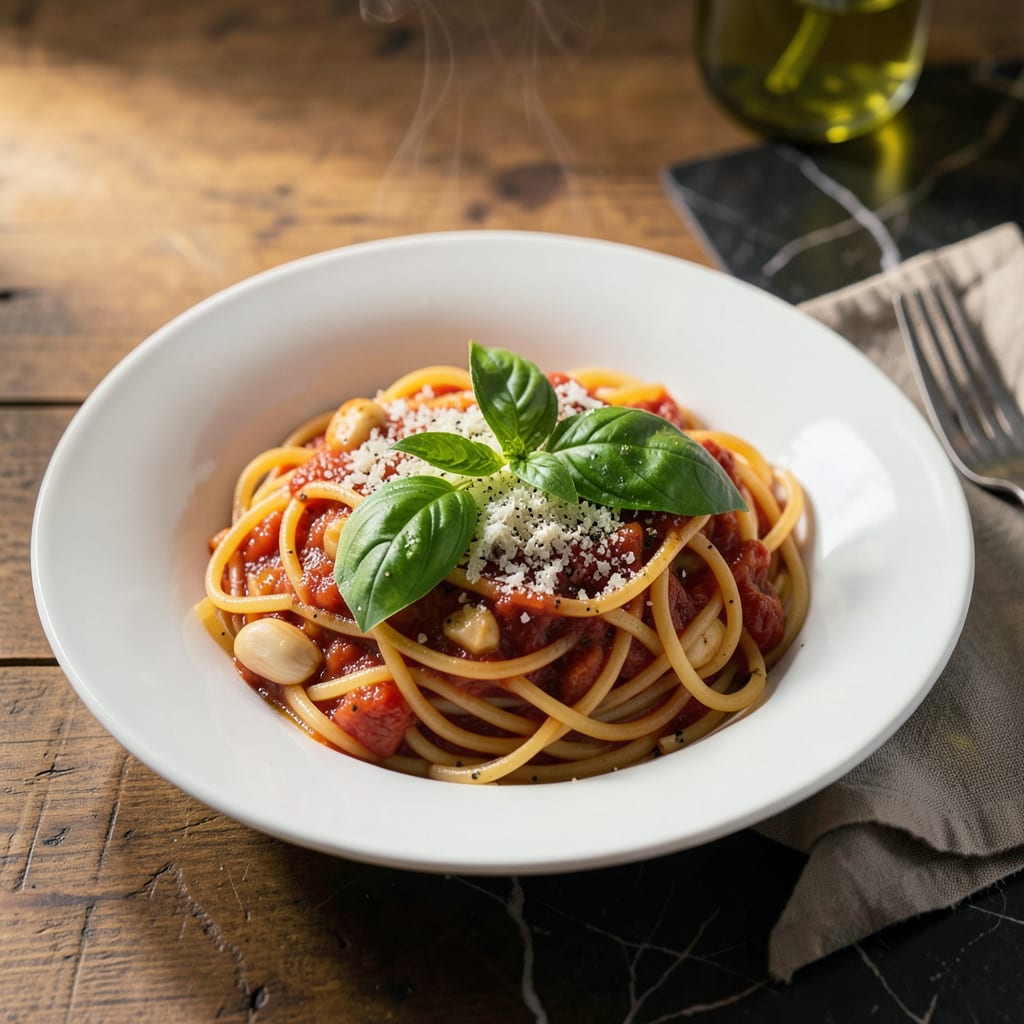
Fresh basil can make or break your spaghetti sauce—add it too early and you lose that bright, summery punch; toss it in too late and the flavor stays one-dimensional. I’ve burned through more batches of sauce than I’d like to admit, all in pursuit of that perfect balance where the basil sings without disappearing into the tomatoes. Here’s the thing—this herb isn’t just a garnish, it’s your sauce’s secret weapon when used right.
The science is simple: basil’s delicate oils break down under prolonged heat, turning that vibrant green flavor into something dull and bitter. But add it too late, and you miss the chance for those oils to bloom in the warm sauce. After years of testing (and a few sauce-related disasters), I landed on a method that gives you both infused depth and fresh brightness. No fancy techniques required—just timing and a little patience.
What you’re after is that moment when the sauce has simmered enough to concentrate its flavors but is still hot enough to coax out basil’s best qualities. The difference between adding it at 10 minutes versus 2 minutes before serving is night and day. One gives you muted herb notes, the other delivers that restaurant-quality freshness that makes people ask for your recipe.
Whether you’re making a quick weeknight sauce or a slow-simmered Sunday gravy, nailing the basil timing transforms good sauce into something extraordinary. And here’s the bonus—this same principle applies to any tomato-based sauce, from pizza to braised dishes. Let’s get that basil working for you, not against you.
📚 In This Guide
- What You’ll Need
- Instructions
- Tips and Common Mistakes
What Youll Need
- ● Fresh basil leaves – ½ cup loosely packed (about 10-12 large leaves), plus extra for garnish 🌿
- ● Tomato-based spaghetti sauce – 4 cups (homemade or store-bought; opt for low-acid varieties if possible)
- ● Olive oil – 1 tbsp (extra virgin preferred for flavor)
- ○ Garlic – 2-3 cloves, minced (optional but recommended for depth)
- ● Salt & black pepper – to taste (adjust based on your sauce’s seasoning)
- ● Chef’s knife – sharp, 8-inch for clean basil cuts 🔪
- ● Cutting board – medium-sized, wood or plastic
- ● Wooden spoon – for stirring (avoids metallic taste)
- ● Saucepan or skillet – 3-4 quart, heavy-bottomed for even heating
- ○ Timer – digital or phone-based (optional but helpful for precision) ⏰
- ● Tasting spoon – because flavor checks are key! 😉
- ○ Fresh lemon juice or red wine – 1 tsp (optional, to balance flavors if sauce is too sweet)
- ○ Parmesan rind – 1 small piece (optional, for umami boost while simmering)
Instructions: When to Add Fresh Basil to Spaghetti Sauce
Timing matters more than you think—here’s how to get that perfect basil flavor every time.
Prepare Your Basil Properly
Start by washing your fresh basil leaves gently under cool water. I always handle them carefully to avoid bruising, which can turn the leaves black and bitter. Pat them completely dry with paper towels or a clean kitchen towel—any lingering moisture will dilute your sauce’s flavor.
Next, stack the leaves and roll them tightly before slicing thinly (this is called chiffonade). For spaghetti sauce, I prefer adding whole leaves for visual appeal, but thin ribbons work beautifully too. Avoid chopping too finely—you want those bright green flecks to stand out in your finished dish.
Build Your Sauce Base First
Before even thinking about basil, develop your sauce’s foundation. Sauté your aromatics (garlic, onions) until fragrant, then add tomatoes and let the sauce simmer uncovered for at least 20-30 minutes. This cooking time allows the acidic tomato flavors to mellow and concentrate.
I’ve found that adding basil too early makes it turn dark and lose its fresh character. The sauce should reduce slightly and develop a deeper red color before you introduce the herbs. Taste it at this stage—you’re looking for balanced acidity before adding the basil’s sweetness.
Add Basil During the Final 5 Minutes
Here’s the crucial moment: stir in your prepared basil during the last 5 minutes of cooking. The heat will release the oils and infuse the sauce with basil’s signature aroma, but won’t cook it long enough to turn bitter or lose its vibrant color.
Watch as the leaves wilt slightly and the sauce takes on a beautiful green-speckled appearance. I like to reserve a few small leaves for garnish—adding them at the very end preserves their freshness. The residual heat will gently perfume the sauce without overcooking the herbs.
Finish with a Fresh Basil Garnish
Just before serving, tear a few fresh basil leaves by hand and sprinkle them over the plated pasta. This final touch adds a pop of color and an extra layer of fresh basil aroma that hits your nose with each bite.
The contrast between the cooked basil in the sauce and the fresh garnish creates a complex flavor profile. I always serve immediately after adding this garnish—the volatile oils in basil dissipate quickly, so you want to capture that freshness at its peak.
Adjust and Serve Immediately
Give the sauce one final taste after adding the basil. The herb should brighten the flavors without overpowering them. If needed, adjust with a pinch of salt or red pepper flakes to balance the basil’s sweetness.
Serve the sauce immediately over al dente pasta—the basil’s flavor is most vibrant when fresh. I notice that if the saucy pasta sits too long, the basil flavor becomes more subdued, so timing your pasta cooking to finish just as the sauce is ready makes all the difference.
Tips and Common Mistakes
Getting the timing right with fresh basil transforms good sauce into something extraordinary. Here’s what I’ve learned from years of perfecting this technique.
Timing Secret: The 20-30 minute simmer in Step 2 isn’t just about reducing the sauce—it’s about transforming the tomatoes. This window allows the raw acidity to mellow while concentrating flavors. I notice the sauce takes on a richer, deeper red hue right around the 25-minute mark, which is your visual cue that it’s ready for basil. Don’t rush this step; the flavor development here makes all the difference in how the basil will ultimately taste.
Technique Tip: When adding basil during those final 5 minutes in Step 3, use whole leaves rather than chopped for maximum impact. The leaves will wilt beautifully while maintaining their vibrant green color, and you’ll get little pockets of intense basil flavor throughout the sauce. I’ve found that chopped basil tends to distribute too evenly, losing that delightful contrast between herb and tomato that makes each bite interesting.
Freshness Factor: The garnish in Step 4 isn’t just decorative—it’s your flavor insurance policy. Those final fresh basil leaves add a bright, almost citrusy top note that balances the cooked basil in the sauce. I always tear them by hand rather than cutting to prevent bruising, which can make the edges turn black. This last-minute addition is what makes the sauce taste like it came from a little trattoria in Italy rather than your home kitchen.
Temperature Wisdom: Serve the sauce immediately after adding the final basil garnish, as mentioned in Step 5. I’ve timed this perfectly—basil’s volatile oils begin to dissipate after about 10 minutes, so that window between finishing the sauce and serving is critical. If you need to hold the sauce, keep it warm but not simmering, and add the final garnish just before plating to preserve that fresh herbal aroma.
Pro Tips for When To Add Fresh Basil To Spaghetti Sauce
- Getting the timing right with fresh basil transforms good sauce into something extraordinary. Here’s what I’ve learne…
- Timing Secret: The 20-30 minute simmer in Step 2 isn’t just about reducing the sauce—it’s about transforming the toma…
- Technique Tip: When adding basil during those final 5 minutes in Step 3, use whole leaves rather than chopped for max…
Frequently Asked Questions
Can I add dried basil instead of fresh? What’s the ratio?
You can, but the flavor differs! Dried basil is more concentrated—use 1 teaspoon dried for every 1 tablespoon fresh. Add it early (with garlic/onions) to rehydrate and bloom its flavor. Fresh basil shines when added late for brightness, while dried works better for slow-cooked depth.
What if I add fresh basil too early? Will it ruin the sauce?
Not ruined, but it’ll lose its vibrant punch! Early-added basil turns dark, bitter, and mushy after long simmering. If this happens, stir in extra fresh basil off-heat at the end to revive the flavor. Think of it as a “flavor rescue mission”! Tear for the best texture and flavor! Chopping bruises the leaves (releasing bitter compounds), while whole leaves can be overwhelming. Tearing by hand preserves delicate oils and looks prettier. Pro tip: Stack leaves, roll them, then slice thinly (chiffonade) for even distribution. Blackened basil usually means overcooking or acid overload (too much tomato/tomato paste). To prevent this, add fresh basil off-heat or in the last 1–2 minutes. If using canned tomatoes, balance acidity with a pinch of sugar or cream to protect the herb’s color. Heat the jarred sauce gently, then stir in ¼ cup torn fresh basil off the stove. Let it steep 5–10 minutes for infusion. Bonus: Add a splash of pasta water or olive oil to help the basil’s aroma bloom. Even store-bought sauce can taste homemade!Should I chop, tear, or leave basil leaves whole?
My basil turned black in the sauce—what went wrong?
Can I add basil to jarred spaghetti sauce for extra flavor?
Timing is everything when it comes to adding fresh basil to your spaghetti sauce! 🌿 For the brightest, most vibrant flavor, stir in whole or torn leaves at the very end of cooking—or even as a finishing garnish. This preserves their delicate aroma and keeps your dish tasting fresh, not bitter.
Now that you’ve mastered the technique, why not experiment? Try pairing basil with other herbs like oregano or thyme, or swap in different varieties (hello, purple basil!). Your next batch of sauce could be your best yet—happy cooking! 🍝

Trained in classic French technique but raised on slow-cooked ribs and spicy rubs, she blends culinary skill with smoke and soul.
- Recipe for Boneless Pork Chops in Cast Iron Skillet: Sear and Baste to Juicy Perfection - October 3, 2026
- Recipe for Boneless Cross Rib Roast: Slow-Roasted Beef with Herb Crust - October 3, 2026
- Hamburgers in Sauce Recipe Crock Pot: Slow-Cooked Savory Delight - October 3, 2026