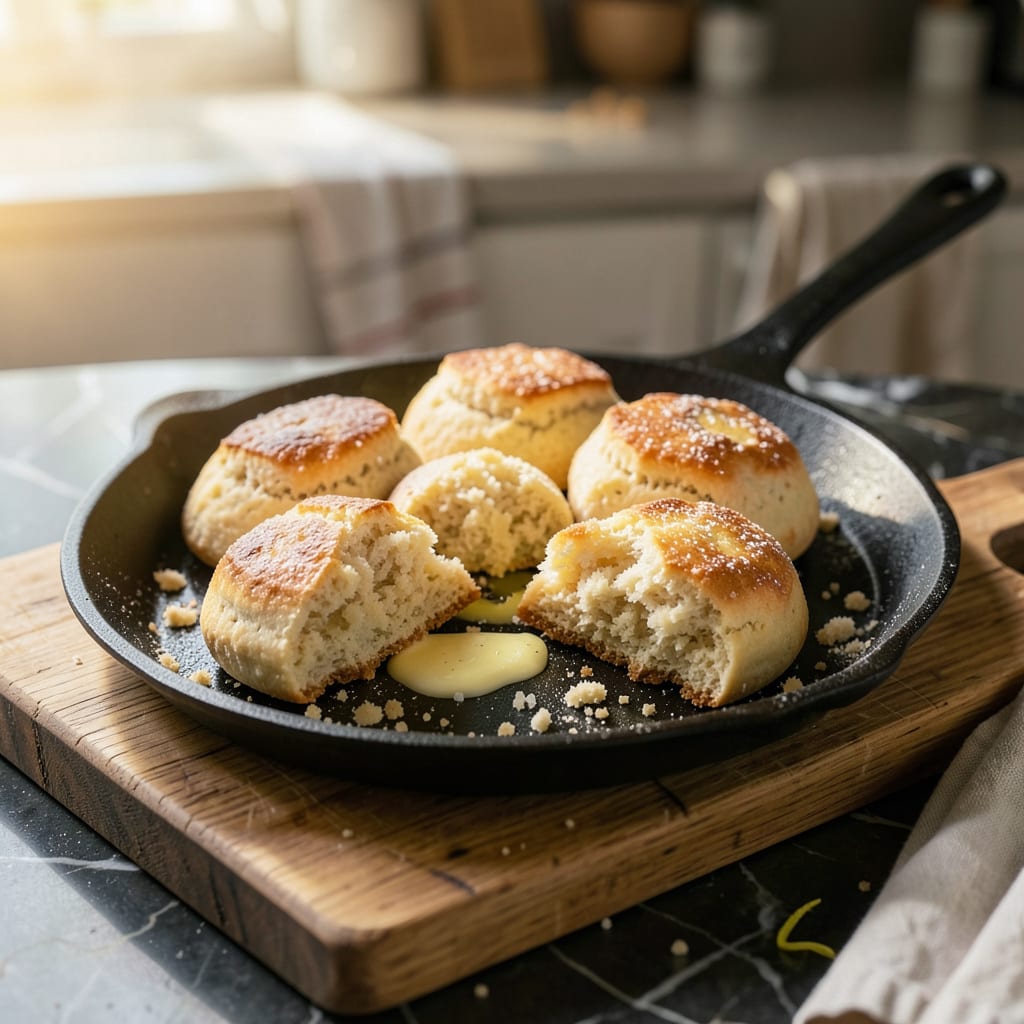
Crumbly biscuits usually result from overmixing the dough, using too much flour, or not enough fat. Cold butter and minimal handling create tender layers, while dry ingredients need proper moisture balance.
I’ve found that the secret to perfect biscuits lies in how you treat the dough—think of it like a delicate dance between ingredients. 💫 When you overwork the mixture, you’re actually developing gluten strands that make the texture tough instead of flaky. The butter temperature plays a huge role too; it should be cold enough to create those beautiful steam pockets during baking, but not so hard it won’t incorporate properly. What many home bakers don’t realize is that flour measurements can vary dramatically depending on how you scoop, which directly affects the moisture balance in your final product.
💡 In This Article
- Key Science Behind Crumbly Biscuit Texture
- Step-by-Step Fixes for Perfect Flaky Biscuits
Key Science Behind Crumbly Biscuit Texture
When you mix biscuit dough, you’re working with two opposing forces: gluten development and fat distribution. The flour contains proteins called glutenin and gliadin that form gluten when combined with liquid. Overmixing creates extensive gluten networks that make biscuits tough rather than tender.
Meanwhile, cold butter should remain in small pieces to create steam pockets during baking—these pockets are what give biscuits their signature flaky layers. When butter melts prematurely, it gets absorbed into the flour instead of creating those crucial air pockets. 🔥
The ideal biscuit dough has just enough hydration to bind the ingredients without activating too much gluten. All-purpose flour typically absorbs about 14-15% of its weight in water, but many recipes call for additional liquid like buttermilk.
The fat-to-flour ratio should be about 1:6 (1 part fat to 6 parts flour by weight) for optimal tenderness. Cold butter (around 40°F) is crucial because it takes longer to melt in the oven, giving the dough time to set around the fat pockets before they release steam and create layers.
Temperature plays a surprisingly big role in texture. Warm ingredients cause the butter to soften too quickly, leading to greasy rather than flaky results. The dough itself should stay around 55-60°F when it goes into the oven.
This is why professional bakers often chill their dough briefly before baking—it gives the butter time to firm up again after handling. The steam created by cold butter hitting the hot oven is what physically separates the dough into those beautiful, tender layers we all love. ✨
Another critical factor is how you incorporate the fat. Cutting butter into flour should leave visible pea-sized pieces, not a uniform mixture. These butter pieces create microscopic gaps in the dough that expand during baking. When you overmix, you’re essentially eliminating these gaps by distributing the fat too evenly. The result?
A dense, crumbly texture instead of light, flaky layers. Think of it like building a house—you need proper spacing between the structural elements for everything to hold together correctly. 💫
Even the type of flour matters more than most realize. Southern-style biscuits often use soft wheat flour (like White Lily) with lower protein content (8-9%) compared to all-purpose (10-12%). Less protein means less gluten formation, which translates to more tender results.
If you’re using higher-protein flour, you might need to adjust your liquid slightly or handle the dough even more gently to compensate for the increased gluten potential.
The baking process itself contributes to texture too. Biscuits should bake at 425-450°F for 12-15 minutes to achieve proper rise and browning. Lower temperatures won’t create enough steam quickly enough, while higher temps can cause the exterior to set before the interior has fully risen.
The perfect biscuit has a golden-brown crust that’s crisp to the touch but gives way to soft, flaky layers inside—a balance that depends entirely on how well you’ve managed these scientific principles throughout the process. 🌟

Trained in classic French technique but raised on slow-cooked ribs and spicy rubs, she blends culinary skill with smoke and soul.
- Recipe for Boneless Pork Chops in Cast Iron Skillet: Sear and Baste to Juicy Perfection - October 3, 2026
- Recipe for Boneless Cross Rib Roast: Slow-Roasted Beef with Herb Crust - October 3, 2026
- Hamburgers in Sauce Recipe Crock Pot: Slow-Cooked Savory Delight - October 3, 2026