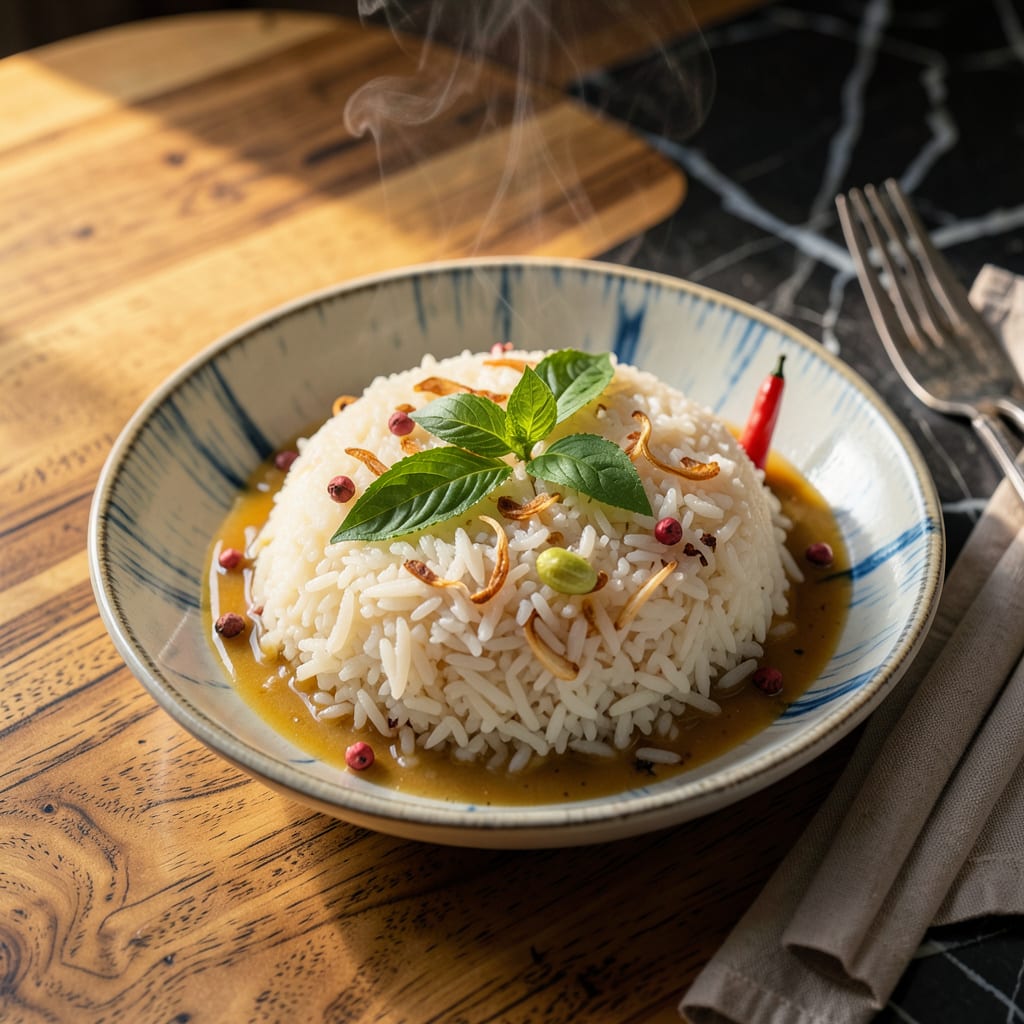
Jasmine rice becomes sticky when overcooked, rinsed too much, or cooked with excess water. Its natural starch content also contributes to a softer, clingier texture if not prepared properly.
That clingy texture you’re experiencing comes from jasmine rice’s high amylopectin content—a type of starch that gelatinizes when heated. Think of it like nature’s glue: the more you agitate the grains (through excessive rinsing or stirring), the more starch releases into the water. 🔥 I’ve found that even small variations in water ratio can dramatically change the outcome—just 1/4 cup extra can turn perfectly separate grains into a gummy mass.
What many don’t realize is that traditional Thai cooking actually embraces this stickiness as a desirable trait for certain dishes. The key difference lies in intentional preparation versus accidental overworking. When I teach rice techniques, I emphasize that jasmine rice requires a gentler touch than basmati—it’s more like handling delicate pasta than robust potatoes.
💡 In This Article
- Why Jasmine Rice Naturally Turns Sticky During Cooking
- How to Cook Perfect Non-Sticky Jasmine Rice Every Time
Why Jasmine Rice Naturally Turns Sticky During Cooking
The secret lies in jasmine rice’s unique starch composition—it contains 17-22% amylopectin, a highly branched starch molecule that gelatinizes when heated. As the rice absorbs water and reaches 140-180°F, these starch chains unravel and form a gel-like network that binds the grains together.
This is why jasmine rice naturally develops that signature clingy texture, unlike long-grain varieties with more amylose (a straight-chain starch that keeps grains separate).
What happens during cooking is fascinating: the outer starch layer softens first, releasing sticky amylopectin into the surrounding water. Traditional Thai methods actually encourage this by using slightly more water (1:1.25 rice-to-water ratio) to create a softer, cohesive texture perfect for eating with hands or chopsticks.
🌟 Compare this to basmati rice, which has longer grains and higher amylose content (25-30%), resulting in fluffier, more distinct grains when cooked.
The rinsing process plays a crucial role too. While rinsing removes excess surface starch, over-rinsing (more than 2-3 times) can strip away too much of the protective outer layer. This exposes more starch to the cooking water, accelerating the gelatinization process.
I’ve found that gently swirling the rice just until the water runs clear—usually about 30 seconds—preserves the perfect balance between removing impurities and maintaining texture.
Heat distribution matters more than you might think. Jasmine rice cooks optimally at a steady low simmer (185-200°F) after the initial boil. Too high heat causes rapid starch release and uneven cooking, while too low heat prevents proper gelatinization. This is why rice cookers often produce better results—they maintain precise temperatures throughout the cooking cycle.
The final steam phase (10 minutes off-heat) allows the starches to fully set, creating that ideal slightly-sticky-but-not-mushy texture.
Here’s what most people overlook: the resting period is when the magic happens. After cooking, the rice needs 5-10 minutes covered to redistribute moisture and complete the starch transformation. Skipping this step leaves you with uneven texture—some grains mushy while others remain firm.
✨ Traditional methods often wrap the cooked rice in cloth for this resting phase, which absorbs excess moisture while keeping the grains warm.
Even the water quality affects stickiness. Hard water with high mineral content can interfere with starch gelatinization, sometimes requiring slightly more water (1-2 extra tablespoons) to achieve the same texture.
This is why recipes often specify filtered or distilled water for consistent results—something I learned the hard way after moving from coastal to mountain regions where water composition varies dramatically.

Trained in classic French technique but raised on slow-cooked ribs and spicy rubs, she blends culinary skill with smoke and soul.
- Recipe for Boneless Pork Chops in Cast Iron Skillet: Sear and Baste to Juicy Perfection - October 3, 2026
- Recipe for Boneless Cross Rib Roast: Slow-Roasted Beef with Herb Crust - October 3, 2026
- Hamburgers in Sauce Recipe Crock Pot: Slow-Cooked Savory Delight - October 3, 2026