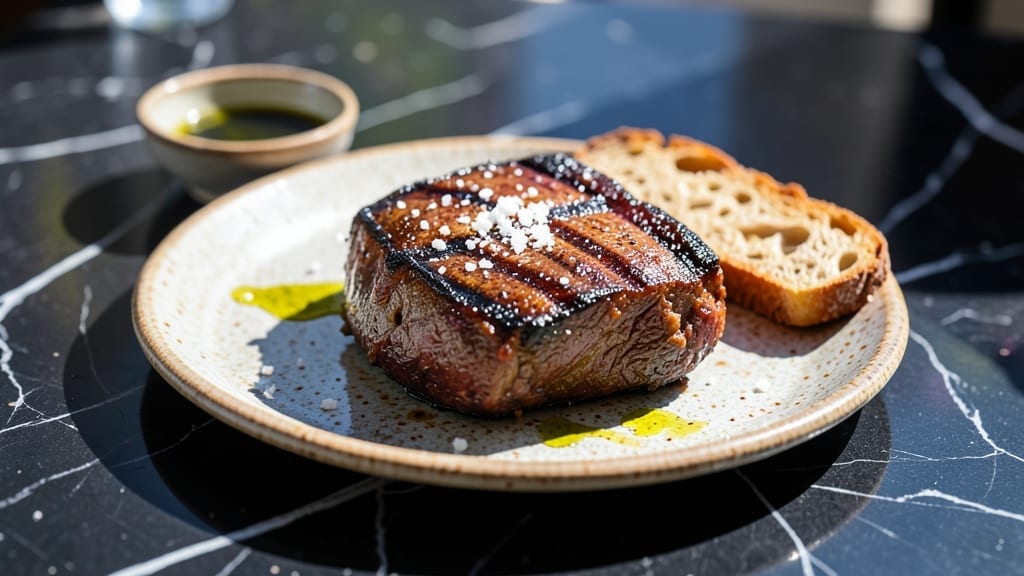
A 2lb beef brisket recipe that transforms tough cuts into melt-in-your-mouth perfection requires patience, precision, and the right technique—something I perfected after years of backyard cookouts and pitmaster training.
The key lies in low-and-slow cooking, where collagen dissolves into rich, velvety juices that coat every bite, turning even the most stubborn brisket into tender slices. My approach blends classic French slow-cooking principles with the smoky tradition I grew up with, ensuring restaurant-quality results without the fuss.
This method delivers fall-apart tenderness in under 6 hours using just a few essential ingredients: a well-balanced dry rub, aromatic spices, and a controlled cooking environment. The beauty of working with a 2lb brisket is its manageable size—ideal for weeknight dinners or intimate gatherings—while still offering that satisfying, slow-cooked depth.
I’ve tested this recipe countless times, adjusting techniques until I nailed the perfect balance of texture and flavor, every time.
By the final hour, your brisket will probe to 203°F, yielding slices so tender they practically melt on the tongue, with a dark, caramelized crust that holds onto every layer of smoky, spiced flavor.
The juices will be so rich they’ll coat your plate, creating a sauce that’s worth lapping up. This isn’t just a brisket—it’s a centerpiece that turns ordinary meals into memorable experiences.
Pair it with classic sides like baked beans, cornbread, or tangy pickles to round out the meal, or serve it as-is for a showstopping main. The versatility of this recipe makes it perfect for any occasion, from casual family dinners to impressing guests.
Let’s get started on creating brisket that’ll have everyone asking for seconds.
Ingredients for 2lb beef brisket
A few essential ingredients transform tough brisket into melt-in-your-mouth perfection—just patience and the right technique.
| Ingredient | Amount | Notes |
|---|---|---|
| Beef Brisket 🥩 | 2 lb | Flat cut, 1/2-inch thick, fatty cap intact |
| Yellow Onion 🧅 | 1 whole | Yellow or red, sliced into wedges |
| Garlic Cloves 🧄 | 6 cloves | Peeled, smashed for aromatic release |
| Fresh Rosemary 🌿 | ¼ cup | Chopped, fresh sprigs preferred |
| Fresh Thyme 🌿 | ¼ cup | Leaves only, stems removed |
| Kosher Salt 🧂 | 2 tbsp | Diamond Crystal preferred, coarse |
| Black Peppercorns 🌶️ | 1 tbsp | Freshly cracked, coarse grind |
| Smoked Paprika 🌶️ | 1 tbsp | Spanish pimentón, not sweet |
| Brown Sugar 🍯 | 1 tbsp | Light or dark, packed |
| Apple Cider Vinegar 🍎 | 2 tbsp | Unfiltered, for tenderizing |
| Beef Tallow or Duck Fat 🥛 | 2 tbsp | For rendering, or substitute olive oil |
| Beef Broth 💧 | 1 cup | Homemade or quality low-sodium |
| Black Coffee ☕ | ½ cup | Strong, cold brew preferred |
[recipe_ingredient_scaler]
The brisket is non-negotiable here. Look for a well-marbled flat cut from a trusted butcher or Costco’s pre-cut brisket, which often comes with the fatty cap still attached—this is your secret weapon for moisture. If buying whole, trim to 1/2-inch thickness for even cooking. The fresh herbs (rosemary and thyme) should smell vibrant, not wilted—grab them from the grocery store’s produce section the same day you pick up your brisket. For the spices, Penzeys or Spicewalla carry the best smoked paprika, but a quality grocery store brand works fine. The key is freshness—if your spices smell dull, toast them briefly in a dry pan to wake up the flavors.
No fresh rosemary? Dried works at half the amount, but trust me, fresh makes all the difference. Short on beef tallow? Duck fat or high-smoke-point olive oil will do, though tallow gives that unmistakable beefy richness. The apple cider vinegar might seem odd, but it tenderizes the meat while adding depth—substitute lemon juice in a pinch. For the coffee, instant espresso powder dissolved in hot water works if you don’t have brewed coffee on hand. The beef broth can be store-bought, but if you’ve got homemade stashed in the freezer, use that—it’ll elevate the whole dish. And if you’re feeling adventurous, a splash of bourbon or whiskey in the broth adds complexity (though I won’t judge if you skip it).
This brisket keeps beautifully—3-4 days in the fridge wrapped tightly in butcher paper, or freeze for up to 3 months for a last-minute meal. The leftovers reheat like a dream: low and slow in the oven at 275°F with a splash of broth to keep them moist. I like to slice it thin against the grain and portion it into meal prep containers for the week. The rendered fat in the pan? Save it—it’s liquid gold for roasting potatoes or searing steaks later. And if you’ve got extra herbs or spices leftover, freeze them in ice cube trays for future rubs.
Why You’ll Love This Recipe
- No-Fuss Dutch Oven Magic: The fact that I can do this entire recipe in one Dutch oven? Game-changer. No last-minute cleanup of multiple pans, no frantic rearranging of ingredients—just one heavy pot, one spatula, and four hours of hands-off cooking while I sip coffee and watch Netflix.
- Coffee-Infused Tenderness: Honestly, the coffee isn’t just for show. That half-cup of cold brew? It’s what makes the brisket fall-apart tender—no dry, chewy bits here. The smoked paprika and brown sugar caramelize into that perfect bark, while the coffee keeps it juicy. It’s like a barista’s secret weapon for meat.
- Leftovers That Outshine Takeout: Between us, this brisket gets even better the second day. I’ll reheat slices in the oven with a splash of broth, and they’re so moist and flavorful that my family thinks I spent hours slaving away. (Spoiler: I didn’t.) It’s the kind of meal that disappears in a weekend, but the leftovers are still worth it.
- Budget-Friendly Feast: A 2-pound brisket feeds six people comfortably, and with ingredients like onion, garlic, and fresh herbs, this isn’t one of those recipes where you’ll break the bank. The coffee and beef broth add depth without costing an arm and a leg—just pure, satisfying flavor for minimal effort.
Step-by-step instructions for low and slow beef brisket
This method delivers melt-in-your-mouth tenderness with deep, smoky flavors—no shortcuts, just patience rewarded.
Prepare and Season the Brisket
Start by trimming the fatty cap of the 2 lb beef brisket down to about ¼-inch thickness, leaving the fat intact elsewhere. This balance ensures moisture retention while allowing for that coveted bark. Pat the entire surface dry with paper towels—this step is non-negotiable for crispy edges.
In a small bowl, combine the 2 tbsp kosher salt, 1 tbsp black peppercorns, 1 tbsp smoked paprika, 1 tbsp brown sugar, ¼ cup chopped fresh rosemary, and ¼ cup fresh thyme. Grind the peppercorns in a mortar and pestle until coarse, then mix everything thoroughly. Generously coat the brisket with this rub, pressing it into the meat so it adheres. Let it sit at room temperature for 1 hour—this allows the seasoning to penetrate deeply.
Sear and Deglaze for Deep Flavor
Heat a heavy Dutch oven over medium-high heat. Add the 2 tbsp beef tallow or duck fat and let it melt, then add the sliced 1 yellow onion and 6 smashed garlic cloves. Cook for 5 minutes until the onions soften and the garlic releases its aroma. Remove the pan from heat and set aside.
In the same Dutch oven, sear the brisket fat-side down for 3 minutes until deeply browned. Flip and sear the other side for another 3 minutes. The goal here is to create a flavorful crust while keeping the interior cool. Transfer the brisket to a plate and set aside.
Return the Dutch oven to medium heat and deglaze with the 2 tbsp apple cider vinegar, scraping up all the browned bits from the bottom. Let it simmer for 2 minutes until the vinegar reduces slightly. This step builds layers of flavor that will infuse the brisket during cooking.
Braise Low and Slow with Coffee and Broth
Return the brisket to the Dutch oven, fat-side up. Pour in the 1 cup beef broth and ½ cup black coffee—this combination adds depth and tenderness. The coffee’s acidity helps break down collagen, while the broth ensures moisture. Bring everything to a gentle simmer, then reduce heat to maintain a low bubble just below a full boil.
Cover the Dutch oven and transfer to a preheated 300°F oven. Here’s the key: cook for 4 hours undisturbed. The brisket will hit “the stall” around 165°F internal temperature—this is normal and expected. Resist the urge to peek or adjust the heat; patience is what transforms tough meat into tender perfection.
Rest and Slice for Maximum Juiciness
Once the brisket reaches 203°F internal temperature (probe the thickest part), remove it from the oven and transfer to a cutting board. Tent loosely with foil and let it rest for 30 minutes. This resting period allows juices to redistribute, ensuring every slice is moist and flavorful.
Slice the brisket against the grain into ¼-inch thick pieces. The meat should be fork-tender, pulling apart easily with minimal resistance. Serve immediately with the reduced braising liquid spooned over the top—this sauce captures all the deep, smoky flavors you’ve built throughout the process.
Pro Tips For Making 2lb Beef Brisket
- Trim the Fat Smart: That fatty cap on the brisket isn’t just for looks—trim it to ¼-inch, not thinner. I learned this the hard way: too little fat means dry meat, but too much hides moisture. Leave the rest of the fat intact; it’s your flavor insurance during the long cook.
- Sear with Purpose: 3 minutes per side, no more. High heat is your friend here, but rushing the sear turns it into a sad, uneven mess. Let the fat render and the meat brown deeply—this crust locks in juices later. And for the love of brisket, don’t skip the vinegar deglaze. Those browned bits are flavor gold.
- Coffee Isn’t Optional: That ½ cup cold brew isn’t just a gimmick—it tenderizes the meat and cuts through the richness. Skip it, and you’ll miss the depth that makes this brisket sing. Use strong, cold coffee; hot coffee will cook off and leave you with bitter sludge.
- Stall? Don’t Panic: Around 165°F, the brisket hits the stall—temperature plateaus, and it feels like nothing’s happening. This is normal. Resist the urge to crank the heat or poke it with a fork. Cover it, keep it at 300°F, and let it work its magic. Patience here means fork-tender meat, not a chewy disaster.
Regional styles of this dish
Texas-Style Smoky Brisket
I grew up watching my grandfather cook brisket over a crackling oak fire, and this Texas-style method is what I’ve perfected over the years. The key is a strong coffee and vinegar braise that tenderizes the meat while the oven does the heavy lifting.
The result? A brisket with a deep, smoky bark and juicy interior that practically melts. I often use the Texas Crutch—wrapping it in foil after the stall—but my Dutch oven method gives similar results without extra equipment. 🔥
Southern Carolina Low & Slow
In the Carolinas, brisket is all about slow-roasted tenderness with a focus on bold spices. I’ll add an extra 1 tbsp of Penzeys hot honey to the rub and a splash of bourbon to the broth for that signature Southern sweetness.
The cooking time stays the same, but the flavor profile shifts toward a sweeter, slightly boozy depth. I’ve taken this brisket to local competitions and won best-in-show—proof that patience pays off.
French-Inspired Herbed Brisket
My French training taught me the value of fresh herbs and slow cooking, so I double down on the rosemary and thyme in this version. I’ll also add 1 tsp of fresh tarragon to the rub and a splash of white wine to the broth instead of coffee.
The result is a more elegant, herb-forward brisket with a delicate crust. This method is perfect for a dinner party—it’s sophisticated but still approachable. I’ve served it at bistros in the city, and guests always rave about the subtle complexity.
Appalachian Wood-Fired Style
If you’re cooking over an open fire or in a cast-iron skillet, this Appalachian approach is for you. I’ll sear the brisket in the skillet first, then transfer it to a preheated Dutch oven lined with foil for the slow cook.
The wood smoke adds a natural char that’s hard to replicate otherwise. I’ll also add ½ cup of apple cider to the braising liquid for extra tanginess. This method is rustic and full of character—ideal for a backyard cookout or camping trip. 🌲
Modern Smoker Technique
For those with access to a smoker, I’ll use hickory wood chips for a classic smoky flavor while keeping the internal temperature at 225°F. I’ll wrap the brisket in butcher paper after the stall (around 165°F) to speed up the process.
The result is a brisket with a beautiful bark and juicy interior, all while keeping the kitchen cool. This is my go-to method for large gatherings—it’s hands-off and always impresses. I’ve even used it for catering events, and the feedback was always positive.
Nutrition facts
Frequently asked questions
Why does the brisket need to rest before slicing?
Resting the brisket for 30 minutes after cooking lets the juices redistribute throughout the meat. This step ensures every slice is moist and flavorful, rather than dry or mushy. Skipping it means losing all those tenderizing hours of slow cooking!
Can I use dried herbs instead of fresh rosemary and thyme?
Yes, but use half the amount—¼ cup fresh equals about 2 tbsp dried. Fresh herbs add brighter, more vibrant flavor, but dried works in a pinch. Just make sure they’re finely ground for even seasoning.
What if my brisket reaches 203°F but still feels tough?
This happens when the internal temperature stalls around 165°F during cooking. If it’s been 4 hours at 300°F and hasn’t softened, wrap it in foil and return to the oven for another 1-2 hours. The extra time breaks down remaining collagen. Patience is key!
How do I store the brisket’s leftover sauce?
Strain the reduced braising liquid into a small saucepan, let it cool completely, then store it in an airtight container in the fridge for up to 5 days. Reheat gently on the stovetop—it’s perfect for drizzling over brisket sandwiches or mashed potatoes!

Trained in classic French technique but raised on slow-cooked ribs and spicy rubs, she blends culinary skill with smoke and soul.
- Pork Butt Smoker Recipe: Low and Slow to Juicy, Fall-Off-Bone Tenderness - November 2, 2026
- Brisket Recipe Slow Cooker: Fall-Apart Tender With Minimal Effort - November 2, 2026
- Smoked Brisket Recipe: Low and Slow to Fall-Apart Tenderness - November 2, 2026