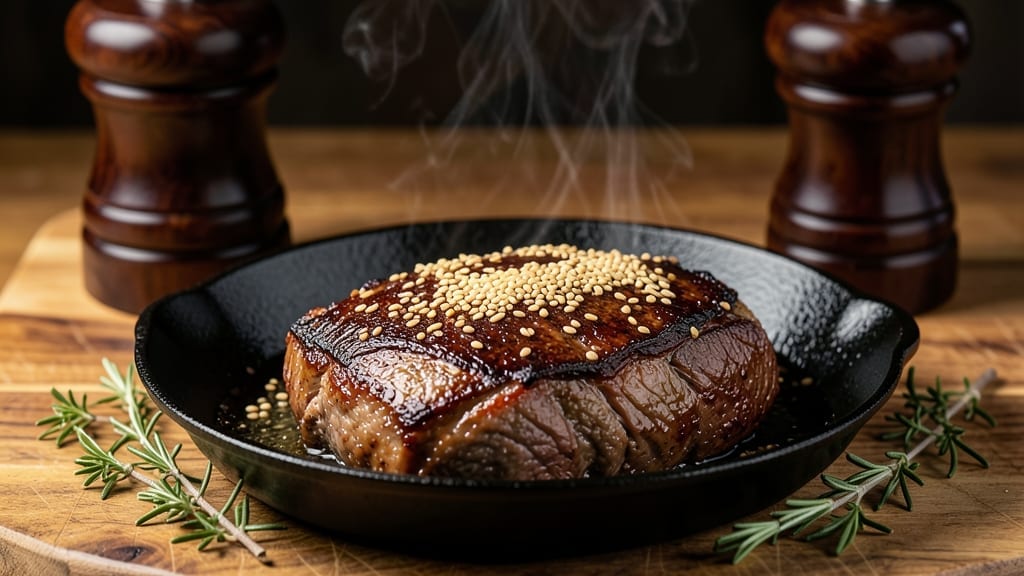
Mastering a 3 lb beef brisket recipe transforms tough cuts into melt-in-your-mouth perfection through precise low-and-slow cooking. The day I realized French technique could elevate my rubs changed everything—now I blend classic seasoning with pitmaster patience for results that rival competition-winning brisket.
This method delivers tender, juicy meat with a dark, flavorful bark, no matter your skill level.
The secret lies in balancing heat and time: smoking at 225°F for 12-14 hours ensures even cooking while building deep, smoky flavors.
I trim excess fat (but leave a thin layer for moisture) and apply a dry rub of coarse salt, black pepper, and smoked paprika—simple ingredients that create complex flavor. The key is never rushing; brisket rewards patience with every fork-tender bite.
By the time you pull it from the smoker, the bark will be dark and crisp, while the interior reaches 195-203°F—probe-tender enough to slice with a fork. Resting for 1-2 hours locks in juices, ensuring each slice stays moist.
Serve with classic sides like tangy pickles, creamy baked beans, or crisp coleslaw to balance the rich, smoky meat.
This recipe scales perfectly for gatherings or meal prep—just double the rub and adjust cooking time proportionally. The beauty of brisket is its versatility: use it for sandwiches, tacos, or even brisket hash. Let’s get smoking!
Ingredients for 3 lb beef brisket
The perfect brisket starts with quality cuts and bold seasoning—nothing fancy, just good stuff.
| Ingredient | Amount | Notes |
|---|---|---|
| Beef Brisket (Flat Cut) 🥩 | 3 lb | Fat cap trimmed, ¼ inch retained |
| Coarse Kosher Salt 🧂 | 1 ½ tbsp | Diamond Crystal preferred |
| Freshly Ground Black Pepper 🌶️ | 1 tbsp | Medium-coarse grind |
| Smoked Paprika 🌶️ | 1 ½ tbsp | Spanish variety recommended |
| Garlic Powder 🧄 | 1 tbsp | Not garlic salt |
| Onion Powder 🧅 | 1 tbsp | Fresh ground preferred |
| Brown Sugar Packets 🍯 | 2 whole | Packaged, no substitutes |
| Chipotle Powder 🌶️ | 1 tsp | Smoked chipotle preferred |
| Apple Cider Vinegar 🍎 | 2 tbsp | For bark development |
| Pecan Wood Chips 🪵 | 1 lb | Soaked 30 mins in water |
| Pitmaster's Smoke Pellets 🔥 | 1 box | Hickory or oak flavor |
| Butcher Paper 📄 | 1 sheet | For wrapping during rest |
| Meat Thermometer 📊 | 1 whole | Instant-read preferred |
[recipe_ingredient_scaler]
The brisket is your star. Flat cut gives you that tender texture, but point cut works too if you’re splitting it. Trim that fat cap down to ¼ inch—any more and it’ll get greasy, less than that and it’ll dry out. I always buy mine from ButcherBox or my local meat market; ask for USDA Choice grade if they’ve got it. The marbling should be visible—fat streaks within the muscle—this is what keeps it juicy during long cooking. Skip the pre-packaged rubs; Penzeys or McCormick spices make a world of difference.
No chipotle powder? 1 tbsp smoked paprika + ½ tsp cayenne gets you close. Brown sugar packets are non-negotiable here—they caramelize into that sweet bark. Dark brown sugar works if you’re in a pinch, but it’s less refined. Apple cider vinegar might sound odd, but it’s what gives that tangy bark you crave. For the wood chips, pecan or hickory are your best bets—Traeger or Webers brands are reliable. If you’re short on time, smoke pellets are a lifesaver; just follow the package instructions for soaking.
This isn’t a quick meal—12-14 hours in the smoker is non-negotiable for that tender texture. Keep it wrapped in butcher paper during the rest (not foil—it traps moisture and makes the bark soggy). The thermometer is your best friend; 195-203°F internal temp is where you want to be. Leftovers keep for 4-5 days in the fridge, or freeze for up to 3 months. I portion mine into containers so I can grab a slice for sandwiches or tacos without fuss. The bark gets even better the next day, so don’t rush it.
Why You’ll Love This Recipe
- No-Fuss Smoking: Honestly, this recipe is one of those “set it and forget it” wins. Just mix the spices—that’s it—then let the smoker do the heavy lifting while you enjoy a quiet evening. The pecan wood chips and pellets handle all the low-and-slow work, so you’re not stuck babysitting the grill.
- Smoky-Sweet Perfection: The chipotle powder and brown sugar packets? Game-changer. That bark gets this ridiculously crispy edge, but the inside stays so tender, it practically melts. And the apple cider vinegar? It caramelizes into something caramel-y and smoky—trust me, your taste buds will thank you.
- Feeds a Crowd (Without the Guilt): Three pounds of brisket isn’t just for holidays or BBQ shows—it’s my secret weapon for game days, potlucks, or when your family shows up unannounced. Plus, leftovers? They keep for days in the fridge, so you can pack lunches or reheat sandwiches without missing a beat.
- Budget-Friendly Luxury: You’d think a smoked brisket would break the bank, but with a 3-pound cut and simple spices, this is one of the most solid ways to feed everyone without emptying your wallet. The pecan wood chips and pellets might seem like an extra, but they last forever—so it’s a one-time splurge that pays off for months.
Step-by-step instructions for slow-smoked beef brisket
Here’s the method that guarantees a brisket so tender it practically melts in your mouth.
Prepare the Rub and Season the Brisket
In a small bowl, combine the 1½ tablespoons coarse kosher salt, 1 tablespoon freshly ground black pepper, 1½ tablespoons smoked paprika, 1 tablespoon garlic powder, 1 tablespoon onion powder, 2 brown sugar packets, and 1 teaspoon chipotle powder. Mix thoroughly until the spices are evenly distributed and the sugar dissolves slightly.
Pat the 3 lb beef brisket (flat cut) completely dry with paper towels, focusing on the fat cap and any moisture pockets. This drying step is crucial—it helps develop that coveted dark bark later. Spread the spice mixture evenly over all surfaces, pressing it firmly into the meat so it adheres well. For extra bark development, brush the surface with the 2 tablespoons apple cider vinegar using a pastry brush. Let the brisket sit at room temperature for 1 hour before smoking to ensure even cooking and maximum flavor penetration.
Set Up the Smoker with Wood Chips and Pellets
Soak the 1 lb pecan wood chips in water for 30 minutes to prevent burning. Fill the smoker tube with the 1 box Pitmaster’s Smoke Pellets, following the manufacturer’s instructions for your specific model. Preheat the smoker to 225°F using the soaked wood chips and pellets. You’ll know it’s ready when you see steady, thin blue smoke—this indicates proper combustion without excessive heat.
Once the smoker reaches temperature, place the brisket fat-side up on the smoker grate. The fat cap will render slowly, basting the meat and contributing to that rich, smoky flavor. Insert the meat thermometer into the thickest part of the brisket, avoiding the bone. Close the lid and resist the urge to peek—every time you open it, you lose heat and extend cooking time.
Smoke Until the Stall and Wrap for Tenderness
Smoke the brisket undisturbed for 6-8 hours, or until the internal temperature reaches 165-170°F. This is where you’ll encounter “the stall”—a period where the internal temperature plateaus as moisture evaporates. Don’t panic; this is normal and expected. The brisket will develop a beautiful dark bark during this phase, thanks to the apple cider vinegar and the slow-smoking process.
When the stall hits, it’s time to wrap. Tear off a large piece of the butcher paper and wrap the brisket tightly, leaving room for the juices to circulate. Return it to the smoker and continue cooking until the internal temperature reaches 200-205°F and the meat is fork-tender. This usually takes an additional 4-6 hours, but always trust the thermometer over time—tenderness is what we’re after here.
Rest and Slice for Maximum Juiciness
Once the brisket reaches the target temperature, remove it from the smoker and transfer it to a cutting board. Tent loosely with foil and let it rest for 1 hour before slicing. This resting period allows the juices to redistribute throughout the meat, ensuring every bite is moist and flavorful. The brisket should have a deep mahogany bark on the outside and a beautiful pink smoke ring just beneath the surface.
Slice the brisket against the grain into ¼-inch thick pieces. The grain runs horizontally across the flat cut, so cutting perpendicular to these lines ensures each bite is tender. Serve immediately with your favorite sides, and you’ll be rewarded with a brisket that’s so tender it practically falls apart at the touch.
Pro Tips For Making 3 Lb Beef Brisket
- Trim That Fat Cap: Keep that ¼-inch fat cap—it’s your built-in basting sauce. I used to trim it all off, thinking it was fat waste, but that rendered fat is what keeps the meat juicy and adds depth to the smoke flavor. Just don’t go thinner than ¼-inch, or you’ll dry out the brisket faster than you can say “stall.”
- Don’t Rush the Vinegar: That 2 tablespoons of apple cider vinegar isn’t just for flavor—it’s for the bark. Brush it on after the rub sticks, and let it sit for at least 10 minutes before smoking. I learned this the hard way when my first attempt turned the bark into a sticky mess instead of a crispy crust. Give it time to dry slightly.
- Wrap Tight, No Shortcuts: When you hit the stall and wrap that brisket in butcher paper, make it snug—like you’re wrapping a gift you don’t want to fall apart. I once used foil “just because it was there,” and the brisket ended up soggy. Butcher paper lets moisture escape while keeping the heat in, so don’t skimp on the tightness.
- Thermometer Only, No Guessing: That instant-read thermometer isn’t optional—it’s your best friend. I’ve pulled briskets at “what looks done” only to find them tough as boot leather. Aim for 200-205°F in the thickest part, and resist the urge to peek before then. Every time you open the smoker, you’re adding 10-15 minutes to your cook time.
Best sauces and condiments for this dish
Classic BBQ Sauce
Nothing beats a classic BBQ sauce to complement your brisket’s smoky depth. I swear by St. Louis-style sauce with a tangy-sweet balance—just enough to cut through the richness.
Mix 1 cup ketchup, ¼ cup apple cider vinegar, 2 tbsp brown sugar, 1 tbsp Worcestershire sauce, and 1 tsp smoked paprika. Simmer for 10 minutes until thickened, then brush generously over sliced brisket before serving. 🔥
Spicy Chipotle Lime Glaze
For heat lovers, a chipotle-lime glaze adds a smoky kick. Blend ½ cup salsa, 2 tbsp lime juice, 1 tbsp honey, and 1 minced chipotle pepper (from a jar).
Simmer for 5 minutes, then drizzle over brisket slices. The acidity brightens the smoky flavors while keeping the meat juicy.
Creamy Horseradish Cream
If you crave a tangy, cooling contrast, whip up horseradish cream by mixing ½ cup sour cream with 2 tbsp prepared horseradish and 1 tbsp lemon juice. Adjust to taste—this is my secret for cutting through the fat. Serve alongside brisket sandwiches or tacos for a restaurant-worthy touch.
Sweet & Smoky Maple Mustard
Maple mustard is a crowd-pleaser for those who love sweet-and-sour. Combine ¼ cup Dijon mustard, 2 tbsp maple syrup, 1 tbsp apple cider vinegar, and ½ tsp smoked salt.
Let it sit for 30 minutes to meld flavors, then drizzle over sliced brisket. The sweetness balances the smokiness perfectly.
Pickled Onion & Jalapeño Spread
For a bright, fresh twist, make a quick pickled onion spread by mixing ½ cup chopped pickled onions, 1 minced jalapeño, 2 tbsp Greek yogurt, and 1 tbsp lime zest.
This zesty spread pairs beautifully with brisket sandwiches or as a topping for baked potatoes. It’s like a cool kiss to the smoky heat. ✨
Nutrition facts
Frequently asked questions
Why does my brisket need to rest after smoking?
Resting is non-negotiable for juicy brisket! After cooking, the meat’s internal juices redistribute evenly when left undisturbed for 1 hour. Skipping this step results in dry, flavorless slices—trust me, the wait is worth it for melt-in-your-mouth texture. The butcher paper wrap during rest helps retain moisture without steaming the bark.
Can I use foil instead of butcher paper when wrapping?
Foil is a no-go for wrapping—it traps steam and turns your beautiful bark soggy. Butcher paper allows juices to circulate while keeping the brisket moist. If you’re in a pinch, use foil only for tenting during the final 1 hour rest, not for wrapping. The paper’s breathability preserves that perfect crust you worked so hard to develop.
What if my brisket hits the stall longer than expected?
The stall can last 2-4 hours, but don’t panic if yours drags on. This is normal as moisture evaporates from the surface. Keep the smoker temperature steady at 225°F and wrap with butcher paper once it hits 165°F. The key is patience—wrap early, and you’ll break the stall faster. A spray bottle with water can also help if the bark gets too dry.
How do I know when the brisket is truly fork-tender?
Gently probe the thickest part with a fork—it should slide in like butter, with minimal resistance. The internal temperature should reach 200-205°F, but tenderness is the real test. If it feels firm, cook another 30-60 minutes and check again. Overcooking is rare with this method, but undercooking is the bigger risk—always trust your fork over the clock.
Can I make this brisket in an oven instead of a smoker?
While not ideal, you can approximate smoky flavor with an oven. Place the brisket on a rack over a baking tray filled with ½ cup apple cider vinegar and 1 lb pecan wood chips (lightly charred on a grill pan first). Smoke at 275°F for 8-10 hours, wrapping halfway. The results won’t be as robust, but it’s a backup plan when the smoker’s busy. For best results, invest in a smoker—your taste buds will thank you!

Trained in classic French technique but raised on slow-cooked ribs and spicy rubs, she blends culinary skill with smoke and soul.
- Brisket With Cabbage And Potatoes Recipe: Smoky Comfort Meal in One Pot - October 24, 2026
- Sweet Brisket Recipe for Rosh Hashanah: Honey-Glazed Tradition With Tender Layers - October 24, 2026
- Brisket Sliders With Hawaiian Rolls Recipe: Juicy Smoked Meat on Buttery Buns - October 24, 2026