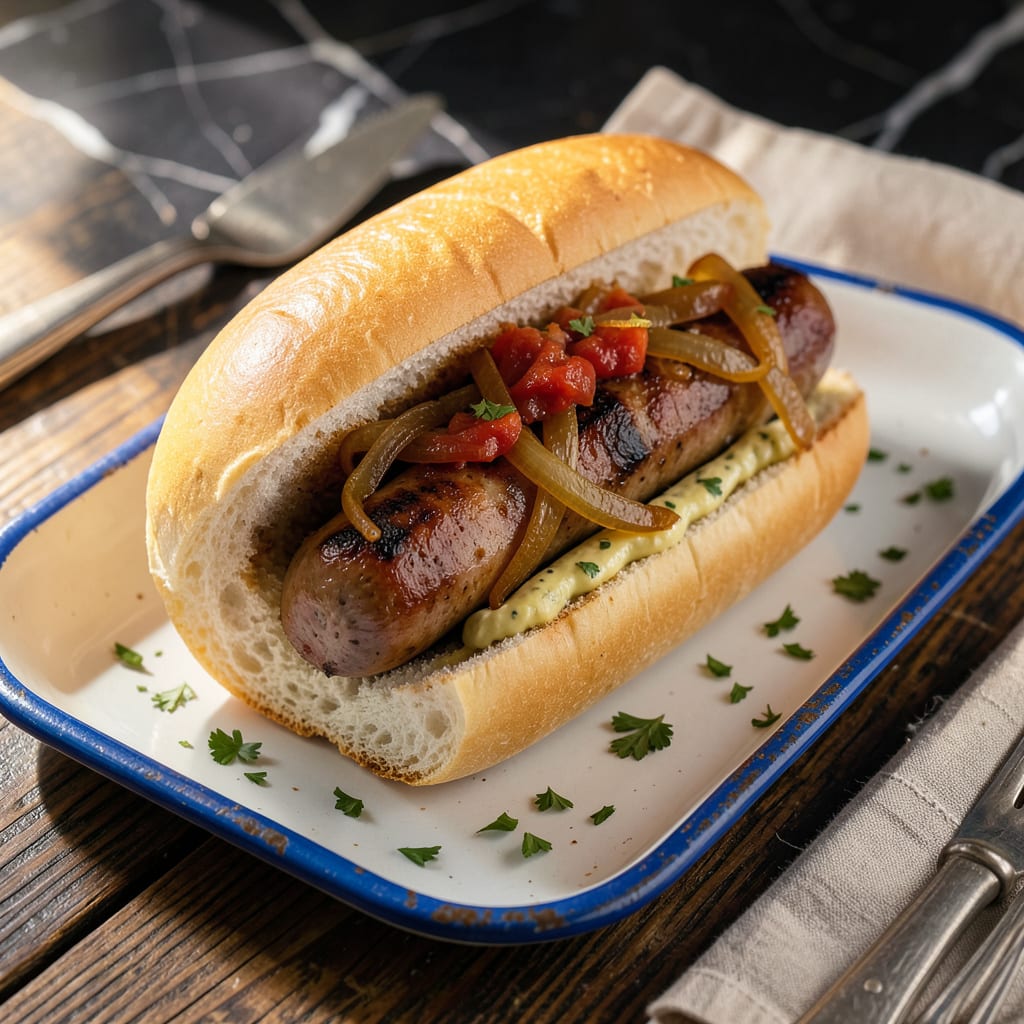
Australian sausage, often called ‘snags,’ is a seasoned ground meat blend—typically pork or beef—encased in natural or synthetic casings. It’s a staple at barbecues, known for its juicy texture and mild, savory flavor enhanced by herbs like sage and pepper.
These iconic links hold a special place in Aussie food culture, where they’re as essential to backyard gatherings as the grill itself. 🔥 What sets them apart is their balanced seasoning—subtle enough to appeal to all ages yet flavorful enough to stand alone. I’ve noticed the best versions use a higher fat-to-meat ratio, which keeps them moist during high-heat cooking. The casings play a crucial role too; natural ones add a satisfying snap, while synthetic options offer consistency for large-scale events.
Beyond the classic barbecue, they’ve become a versatile ingredient in everything from breakfast rolls to gourmet dishes. ✨ The secret to their universal appeal lies in their adaptability—pair them with tangy mustard for tradition or elevate them with caramelized onions and artisanal buns for a modern twist. Their mild base makes them perfect for absorbing bold flavors, whether it’s a smoky rub or a sweet glaze.
💡 In This Article
- Traditional Ingredients and Seasoning in Australian Sausages
- How to Cook and Serve Australian Sausages Like a Local
Traditional Ingredients and Seasoning in Australian Sausages
The magic of Aussie sausages starts with their meat blend—typically 70% pork to 30% beef for the classic version. This ratio delivers the perfect balance: pork contributes juiciness and fat content (around 20-25%), while beef adds structure and depth.
What most people don’t realize is that butchers often use specific cuts like pork shoulder and beef chuck, which have ideal fat marbling for sausage-making. The fat isn’t just for flavor—it’s the secret to that signature juicy texture when cooked over high heat.
Now let’s talk seasoning—the soul of the sausage. The standard blend includes sage (0.5-1%), white pepper (0.3-0.5%), and nutmeg (0.1-0.2%) by weight. These aren’t arbitrary choices: sage’s piney notes cut through the fat, white pepper adds warmth without color, and nutmeg provides subtle complexity. Many butchers also add thyme or marjoram in smaller quantities.
The real game-changer is the rusks (dried breadcrumbs) or breadcrumbs—about 5-10% of the mix—which absorb moisture and prevent the meat from becoming too dense during cooking.
Here’s where Aussie snags differ from their European cousins. Unlike heavily spiced German bratwursts or smoky Spanish chorizos, Australian sausages keep it simple. The seasoning is designed to enhance rather than overpower the meat’s natural flavor.
I’ve noticed regional variations too—Queensland butchers might add a touch of ginger, while Victorian versions sometimes include sweet paprika for color. The water content is also carefully controlled (usually 10-15%) to ensure proper binding without making the sausages too soft.
The casing choice makes a surprising difference in texture and cooking performance. Natural casings (typically sheep intestines) give that satisfying snap when you bite into them, while synthetic collagen casings offer more consistent sizing—important for large BBQs.
🔥 The casing also affects cooking: natural ones can handle higher temperatures (400-450°F) without splitting, while synthetic ones work better for slower cooking methods. This attention to detail in every component is what makes Australian sausages so reliably delicious.
What really sets them apart is the absence of strong spices like fennel or chili that dominate other sausage traditions. The focus is on clean, meat-forward flavor with just enough seasoning to make it interesting. This subtlety is why they pair so well with everything from classic tomato sauce to gourmet relishes.
The breadcrumb content also creates tiny pockets that trap juices during cooking, which is why they stay moist even when well-done—a crucial factor for backyard cooks managing multiple batches on the grill.
For anyone trying to replicate authentic Aussie sausages at home, the key is in the grind. The meat should be coarsely ground (3/8-inch plate) to maintain texture, and everything must stay cold (32-35°F) during mixing to prevent fat smearing. ✨ The final mix should feel slightly sticky—this indicates proper protein extraction for good binding.
It’s this careful balance of ingredients and technique that gives Australian sausages their legendary status at barbecues nationwide.

Trained in classic French technique but raised on slow-cooked ribs and spicy rubs, she blends culinary skill with smoke and soul.
- Recipe for Boneless Pork Chops in Cast Iron Skillet: Sear and Baste to Juicy Perfection - October 3, 2026
- Recipe for Boneless Cross Rib Roast: Slow-Roasted Beef with Herb Crust - October 3, 2026
- Hamburgers in Sauce Recipe Crock Pot: Slow-Cooked Savory Delight - October 3, 2026