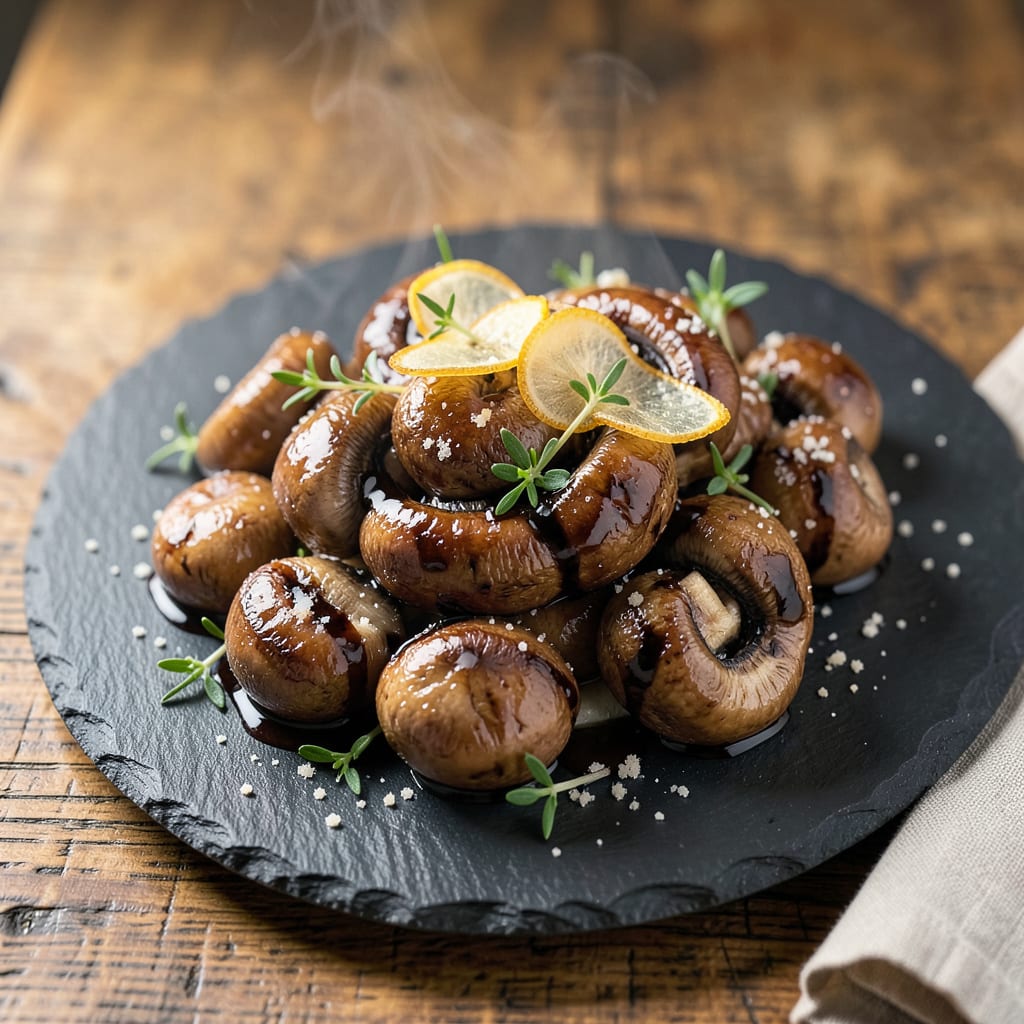
Baby bella mushrooms (also called cremini) offer a rich, earthy flavor with a tender yet meaty texture. They’re versatile for sautéing, roasting, or stuffing, and pair well with garlic, herbs, and wine. Clean gently before cooking to avoid sogginess.
These mushrooms are essentially the younger version of portobellos, which gives them a more concentrated umami punch than white buttons. 🔥 I love how their slightly firmer texture holds up to high heat, making them perfect for searing or grilling without turning mushy. The key is to let them develop a golden crust—this intensifies their natural savoriness and adds a satisfying bite to every dish.
What sets them apart is their ability to absorb flavors while still contributing their own depth. ✨ A quick sauté with thyme and butter transforms them into a restaurant-worthy side, or try roasting them with balsamic for a caramelized finish. Their versatility makes them a staple in my kitchen, whether I’m whipping up a quick weeknight meal or prepping for a dinner party.
💡 In This Article
- Why Baby Bella Mushrooms Stand Out in Cooking
- Easy Baby Bella Mushroom Recipes for Every Meal
Why Baby Bella Mushrooms Stand Out in Cooking
What makes baby bellas special is their perfect balance of moisture and density. Unlike white button mushrooms that can turn watery when cooked, these have a firmer structure with about 90% water content—just enough to keep them juicy without becoming soggy.
Their cell walls are thicker than whites but not as fibrous as portobellos, giving that ideal meaty bite that chefs love. When you sear them at medium-high heat (375-400°F), they develop a deep brown crust while staying tender inside. 🔥
The flavor difference comes down to science. Baby bellas contain nearly twice the glutamic acid of white mushrooms, which is the compound responsible for umami. As they cook, this amino acid breaks down further, creating that rich, savory taste that makes dishes pop.
I’ve tested this side-by-side: sautéed baby bellas with just salt and butter taste more complex than whites prepared the same way. Their earthiness also comes from higher concentrations of 1-octen-3-ol, the same compound that gives fresh mushrooms their distinctive aroma.
Here’s where they really shine: baby bellas act like flavor sponges. Their porous caps absorb marinades and seasonings while still contributing their own depth. Try this test—toss equal amounts of baby bellas and whites in the same garlic-herb oil.
After 10 minutes of roasting at 425°F, the baby bellas will have absorbed more flavor while maintaining their structure. This makes them ideal for stuffing or as the star of vegetarian dishes where you want that meaty satisfaction without actual meat. ✨
The moisture content also affects cooking methods. While whites release water quickly and can steam in their own juices, baby bellas hold onto liquid longer, allowing for better browning. This is why they’re my go-to for high-heat applications like grilling or pan-searing.
The Maillard reaction (that beautiful browning process) occurs more efficiently with their sugar content, creating those caramelized notes that elevate simple dishes. For stir-fries, their texture holds up to 3-5 minutes of aggressive tossing without turning to mush.
What most home cooks don’t realize is how their age affects flavor. Baby bellas are harvested younger than portobellos, which means their flavors are more concentrated—not diluted by excess water or fibrous tissue. This is why they work so well in quick-cooking applications where you want maximum impact.
A 5-minute sauté with shallots and white wine reduces down to a glossy, intensely flavored sauce that would take whites twice as long to develop. 💫
Their versatility extends to texture control. Need them crispy? Roast at 450°F for 15-18 minutes until edges curl. Want them silky? Braise in broth for 20-25 minutes until they melt into sauces. Unlike portobellos that can become chewy, baby bellas maintain that perfect tender resistance in every application.
This adaptability is why I always keep a pound in my fridge—they’re the secret weapon for adding depth to everything from omelets to grain bowls.
The color tells you everything about their flavor potential. That light to medium brown cap indicates higher concentrations of phenolic compounds compared to white mushrooms. These compounds not only contribute to the deeper flavor but also develop more complex aromas when cooked.
Next time you’re at the store, compare the smell of baby bellas to whites—the earthy, almost nutty notes are immediately noticeable, and that’s exactly what they’ll bring to your cooking. 🌟

Trained in classic French technique but raised on slow-cooked ribs and spicy rubs, she blends culinary skill with smoke and soul.
- Recipe for Boneless Pork Chops in Cast Iron Skillet: Sear and Baste to Juicy Perfection - October 3, 2026
- Recipe for Boneless Cross Rib Roast: Slow-Roasted Beef with Herb Crust - October 3, 2026
- Hamburgers in Sauce Recipe Crock Pot: Slow-Cooked Savory Delight - October 3, 2026