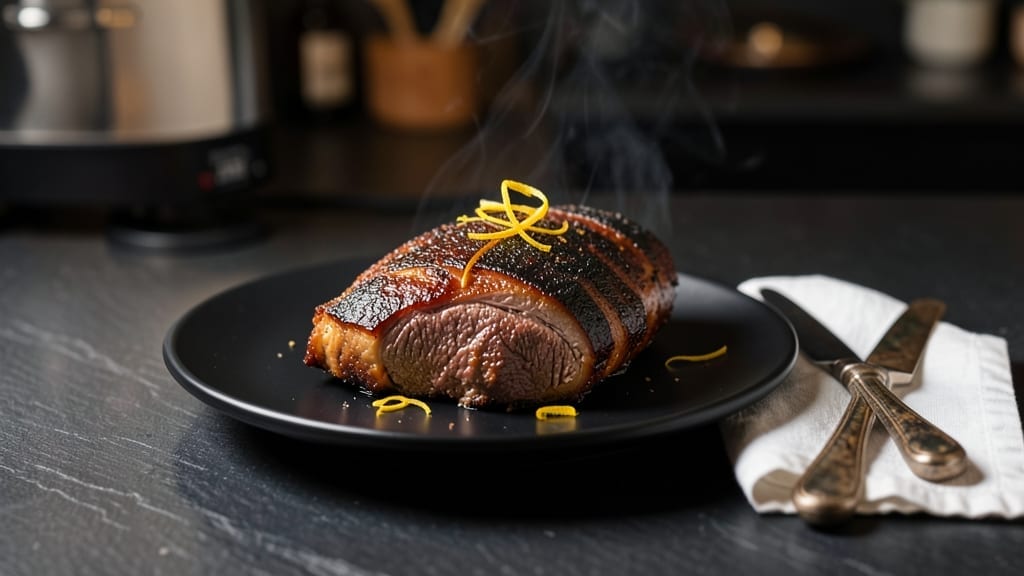
Mastering beef brisket in an electric smoker transforms tough cuts into fall-apart tenderness that rivals traditional pit methods. I learned this technique after years of experimenting with my electric smoker—where control meets convenience without sacrificing flavor.
The key lies in patience and precision: low temperatures, proper wood selection, and monitoring every degree to achieve that signature texture.
This method uses simple ingredients—just a brisket, salt, pepper, and your choice of wood chips—but the process requires attention to detail. We’ll focus on a foolproof approach that works even for beginners, with clear temperature targets and timing to ensure perfect results.
The secret? Keeping the smoker steady at 225°F while letting the brisket work its magic over 12-16 hours.
By the end, you’ll have brisket so tender it practically melts in your mouth, with a deep smoky flavor that’s impossible to resist. The crust will be rich and caramelized, while the interior remains juicy and rich.
This is the kind of dish that turns weeknight dinners into a showstopper—no fancy equipment required, just time and technique.
Serve with classic sides like pickled onions, buttery cornbread, or a simple green salad to balance the richness. The leftovers? Even better the next day, making this the ultimate meal-prep-friendly recipe. Let’s get started on your journey to smoky perfection.
Ingredients for beef brisket electric smoker
Pantry staples plus a few smoker essentials. Simple ingredients, big flavor, all working together for melt-in-your-mouth perfection.
| Ingredient | Amount | Notes |
|---|---|---|
| Beef Brisket 🥩 | 4 lb | Packaged or whole, flat cut preferred |
| Yellow Mustard 🍯 | ½ cup | For rub application base |
| Kosher Salt 🧂 | ½ cup | Diamond Crystal preferred |
| Freshly Ground Black Pepper 🌶️ | 2 tbsp | Coarse grind preferred |
| Granulated Garlic Powder 🧄 | 1 tbsp | Not garlic salt |
| Onion Powder 🧅 | 1 tbsp | Freshly ground preferred |
| Smoked Paprika 🌶️ | 1 tbsp | For deep smoky flavor |
| Wood Chips 🌳 | 1 lb | Hickory or oak preferred |
| Beef Broth 💧 | 1 cup | Low-sodium preferred |
| Apple Cider Vinegar 🍎 | 2 tbsp | For tenderizing |
| Beef Tallow or Shortening 🧈 | 2 tbsp | For fat cap rendering |
| Fresh Thyme Leaves 🌿 | ¼ cup | Chopped, for aroma |
| Fresh Bay Leaves 🍃 | 2 whole | For subtle herbal notes |
[recipe_ingredient_scaler]
The brisket is everything here. Flat cut works best for even cooking, but don’t stress if you grab a whole packer—just trim the fat cap to about 1/4-inch thick. I always source mine from Costco or local butchers—look for good marbling and vibrant color. If you’re buying a whole brisket, ask the butcher to separate the flat from the point for easier handling. For the wood chips, Traeger or Cookshack brands are reliable, but any quality hickory or oak will do. Soak them for 30 minutes before using to prevent flare-ups.
No smoked paprika? Regular paprika plus a pinch of liquid smoke works in a pinch. Fresh thyme unavailable? Dried thyme at half the amount gets you close. The apple cider vinegar might seem odd, but it helps tenderize the meat—white vinegar works too. For the rub, I like to mix everything in a bowl and use a bit of mustard as a binder so it sticks better. If you’re short on time, skip the vinegar and just use the rub and broth. The beef broth can be homemade or store-bought—just make sure it’s low-sodium.
This brisket tastes even better the next day, so plan ahead. Wrap the cooked brisket in butcher paper (not foil) and let it rest for 2 hours before slicing. Keeps in the fridge for 5 days or freezes for 3 months. For slicing, go against the grain—this makes all the difference. I like to portion it into 1/2-inch thick slices for easy serving. The leftovers reheat beautifully—just warm in the oven at 300°F until heated through.
Why You’ll Love This Recipe
- No-Fuss Smoking: I’ll be real—most brisket recipes make you feel like you’re running a BBQ marathon. But this one? You prep the rub the night before, let it chill in the fridge, and then it’s basically hands-off for hours. The electric smoker does all the heavy lifting while you sip a drink and watch the smoke rise.
- Smoky, Spiced Perfection: That mustard rub with the smoked paprika and garlic powder? It’s a game-changer. The mustard binds everything together, and the vinegar in your spritz keeps the bark crispy while the inside stays juicy—like a perfect balance of smoky, tangy, and just a little kick.
- Budget-Friendly Luxury: Brisket isn’t cheap, but this recipe stretches every bite. The dry-brining with mustard and salt makes the most of the cut, and the spices you already have in your pantry (plus a little thyme) turn a simple meal into something restaurant-worthy. No fancy tools, no stress—just delicious.
Step-by-step instructions for electric smoker brisket
Here’s how to transform a tough cut into melt-in-your-mouth perfection using your electric smoker.
Prepare the Brisket with the Mustard Rub
Remove the 4 lb beef brisket from packaging and pat it dry with paper towels. This step is crucial—any moisture will prevent the rub from sticking properly. Place the brisket fat-side up on a cutting board and use a sharp boning knife to trim the fat cap down to about ¼-inch thickness. Leave the fat on the edges to protect the meat during smoking.
In a small bowl, combine the ½ cup yellow mustard, ½ cup kosher salt, 2 tbsp freshly ground black pepper, 1 tbsp granulated garlic powder, 1 tbsp onion powder, and 1 tbsp smoked paprika. Mix until you have a thick, cohesive paste. Spread this mixture evenly over the entire surface of the brisket, pressing it into the meat with your fingers. The mustard acts as a binder and helps the rub adhere better than dry spices alone.
Place the rubbed brisket on a wire rack set over a baking sheet and refrigerate uncovered for at least 4 hours, or preferably overnight. This dry-brining process enhances flavor penetration and creates that coveted bark during smoking.
Set Up the Electric Smoker
Fill the electric smoker’s wood chip tray with the 1 lb wood chips (hickory or oak preferred) and add water to the water pan if your smoker has one. Set the temperature to 225°F and turn on the smoker. Allow it to preheat for at least 30 minutes until you see steady, blue smoke with no white puffs—this indicates proper combustion.
While the smoker preheats, prepare your spritz mixture by combining the 1 cup beef broth, 2 tbsp apple cider vinegar, and ¼ cup chopped fresh thyme leaves in a small bowl. Add the 2 fresh bay leaves directly to the smoker once it reaches temperature. This aromatic blend will infuse the smoke with subtle herbal notes while keeping the meat moist.
Once the smoker reaches 225°F and you’re seeing clean smoke, place the brisket fat-side up on the smoker grates. This orientation allows the rendered fat to baste the meat continuously. Close the lid and resist the urge to open it during the first 2 hours—each time you peek, you lose valuable heat and moisture.
Smoke and Spritz for Maximum Tenderness
Smoke the brisket undisturbed for 6 hours. During this time, the internal temperature will gradually rise, but you’ll notice it stall around 165°F—this is completely normal and occurs when moisture evaporates from the meat. Don’t panic or adjust the temperature; this stall is part of the process that creates that perfect bark.
After 6 hours, check the internal temperature using a meat thermometer inserted into the thickest part of the brisket (avoid hitting bone). When it reaches 165°F, remove the brisket from the smoker and wrap it tightly in butcher paper (not aluminum foil). Return it to the smoker and continue cooking. This “Texas crutch” technique helps push the brisket through the stall while maintaining that beautiful bark.
Every 90 minutes after wrapping, spritz the brisket with about ¼ cup of your beef broth-vinegar-thyme mixture. This keeps the surface moist and prevents drying while adding layers of flavor. Continue smoking until the internal temperature reaches 203°F and the meat is probe-tender (the probe should slide in like butter with no resistance). This typically takes an additional 4-6 hours, depending on your smoker’s performance.
Rest and Slice for Perfect Results
Once the brisket reaches 203°F, remove it from the smoker and transfer it to a cutting board. Tent loosely with aluminum foil and let it rest for at least 1 hour, or preferably 2 hours. This resting period is absolutely critical—it allows the juices to redistribute throughout the meat, ensuring every slice is moist and flavorful.
During the rest, prepare your serving board by placing the 2 tbsp beef tallow or shortening in a small saucepan and melting it over low heat. This rendered fat will be used to baste the brisket before slicing, adding an extra layer of richness. After resting, use a sharp carving knife to slice the brisket against the grain into ¼-inch thick slices. The grain runs horizontally across the flat and vertically across the point, so adjust your angle accordingly.
Serve the brisket immediately, basting each slice with the melted beef tallow or shortening. The result should be slices that fall apart with minimal effort, with a dark mahogany bark on the outside and a beautiful pink smoke ring just beneath. Each bite should deliver perfect tenderness with deep, smoky flavor and just the right amount of spice from your rub.
Pro Tips For Making Beef Brisket Electric Smoker
- Trim the Fat Right: DESCRIPTION:
- Don’t Skimp on the Mustard: DESCRIPTION:
- Resist the Spritz Before 6 Hours: DESCRIPTION:
- Wrap in Butcher Paper, Not Foil: DESCRIPTION:
Make-ahead tips for leftovers
Prep the Night Before
I always prep my brisket the evening before smoking—it’s a game-changer. After trimming the fat cap to ¼-inch and applying the mustard rub, I place it on a wire rack over a baking sheet and refrigerate uncovered.
This dry-brining process enhances flavor penetration and creates that coveted bark. Trust me, waking up to a ready-to-smoke brisket makes the whole process so much smoother. 💡
Batch Your Wood Chips
Soak your 1 lb of hickory or oak wood chips the night before in a bowl of water. Drain them right before loading them into your smoker’s tray—this prevents flare-ups and keeps the smoke clean.
I like to use a fine-mesh strainer for easy draining. A little prep like this makes the smoking process so much easier.
Pre-Make Your Spritz
Combine your 1 cup beef broth, 2 tbsp apple cider vinegar, and ¼ cup chopped thyme the night before and store it in an airtight container in the fridge. This ensures you’re ready to spritz every 90 minutes without any last-minute scrambling.
I even add the 2 bay leaves to the container so they’re ready to drop into the smoker. 🌿
Portion Your Sides
If you’re serving classic sides like pickled onions or cornbread, prep those ahead too. I like to make a big batch of pickled onions and store them in a jar in the fridge.
For cornbread, I bake a loaf and wrap it tightly in foil to keep it fresh. This way, you can focus entirely on the brisket when it’s time to smoke.
Set Up Your Serving Station
Melt your 2 tbsp beef tallow in a small saucepan and store it in a heatproof container. This makes it easy to baste your brisket right before serving. I also keep a sharp carving knife and cutting board ready so you can slice against the grain immediately after resting.
This little bit of organization makes serving a breeze.
Plan Your Timeline
Create a timeline on your phone or write it down so you know exactly when to start smoking, when to wrap the brisket, and when to check the internal temperature. I like to set alarms for key moments like the 6-hour mark and every 90 minutes after wrapping.
This keeps you from getting distracted and ensures your brisket cooks perfectly. 📅
Nutrition facts
Frequently asked questions
Why does my brisket stall at 165°F
during smoking?
The stall is completely normal and happens when moisture evaporates from the meat’s surface. This creates that delicious bark while the internal temperature gradually rises. Don’t adjust your smoker’s temperature—just let it work! The stall typically lasts 1-3 hours and is essential for perfect tenderness.
Can I use aluminum foil instead of butcher paper for wrapping?
Butcher paper is preferred because it allows moisture to escape while keeping the brisket warm. Aluminum foil traps steam, which can lead to soggy meat. Wrapping in butcher paper maintains that beautiful bark while keeping the brisket juicy. Trust the process—it makes a world of difference!
How do I know when the brisket is fully cooked?
Check for an internal temperature of 203°F and test tenderness with a meat probe. When it slides in like butter with no resistance, you’re ready to wrap it up! The meat will continue cooking slightly after removing it from the smoker. Patience pays off for perfect results.
What if my electric smoker runs hotter than 225°F
?
Adjust the temperature setting downward or use a fan to help regulate heat. Consistency is key—if your smoker runs hot, the bark may dry out too quickly. Keep an eye on the internal temperature and make small adjustments as needed. Most electric smokers stabilize after 30 minutes of use.
Can I skip the spritzing step if I don’t have time?
Spritzing helps maintain moisture and flavor, but it’s not strictly necessary. If you skip it, just wrap the brisket earlier—around 165°F—to compensate. The key is keeping the meat moist throughout cooking. Your brisket will still turn out delicious, just with slightly less bark.

Trained in classic French technique but raised on slow-cooked ribs and spicy rubs, she blends culinary skill with smoke and soul.
- Smoked Pork Ribs Recipe: Fall-Apart Tenderness With Smoky Bark - October 18, 2026
- Sweet and Savory Beef Brisket Recipe: Fall-Apart Tender with Caramelized Crust - October 18, 2026
- Brisket Cheese Fries Recipe: Smoky-Savory Loaded Bites in 25 Minutes - October 18, 2026