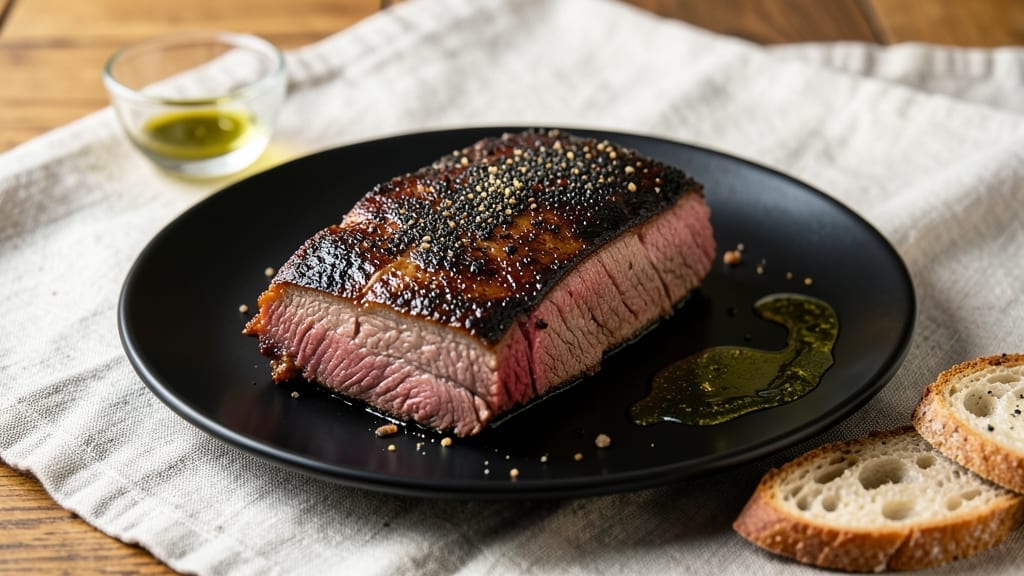
Mastering Orion cooker brisket transforms tough cuts into melt-in-your-mouth perfection with minimal cleanup. This recipe leverages the Orion’s precision temperature control to deliver restaurant-quality results at home. The secret lies in patience—low-and-slow smoking breaks down collagen while maintaining moisture, creating brisket so tender it practically falls apart. 💛
Unlike traditional smokers, the Orion’s compact design and consistent heat eliminate flare-ups and wood chip mess. We’ll focus on achieving a deep bark through careful seasoning and a two-phase cook: an initial smoke phase to build flavor, followed by a stall-busting temperature adjustment.
The result? A brisket with a crisp exterior and juicy, fork-tender interior that hits 195°F internal temperature—no guesswork, no overcooking.
What sets this recipe apart is its versatility. The same Orion cooker handles the entire process—smoking, resting, and even keeping the brisket warm while you prepare sides like baked beans or coleslaw. No need for multiple appliances or a crowded kitchen.
The final presentation? Slice against the grain for maximum tenderness, then serve with your favorite barbecue staples for a meal that feels like a backyard cookout without the hours of babysitting.
Perfect for game days, family gatherings, or when you crave that smoky, fall-apart texture without the hassle. This method delivers professional results with home-cook simplicity—ideal for both beginners and seasoned pitmasters. Let’s get started on that perfectly smoked brisket.
Ingredients for orion cooker brisket
Pantry staples meet precision smoking for brisket that melts with every bite.
| Ingredient | Amount | Notes |
|---|---|---|
| Beef Brisket 🥩 | 5 lb | Flat cut preferred, good marbling |
| Yellow Mustard 🍯 | ¼ cup | For bark adhesion, any brand |
| Smoked Paprika 🌶️ | ½ cup | High-quality for deep flavor |
| Kosher Salt 🧂 | ½ cup | Diamond Crystal preferred |
| Black Pepper 🌶️ | ¼ cup | Freshly cracked for intensity |
| Garlic Powder 🧄 | 2 tbsp | Not garlic salt |
| Onion Powder 🧅 | 2 tbsp | Freshly ground preferred |
| Cayenne Pepper 🔥 | 1 tbsp | Adjust for heat preference |
| Wood Chips (Hickory or Oak) 🌳 | 1 lb | Soaked for 1 hour minimum |
| Apple Cider Vinegar 🍏 | 2 tbsp | For bark development |
| Beef Tallow or Bacon Fat 🥓 | ¼ cup | For extra moisture |
| Butcher Paper or Aluminum Foil 📄 | 1 sheet | For wrapping during stall |
| Beef Stock 💧 | 1 cup | For spritzing during cook |
[recipe_ingredient_scaler]
The brisket cut is everything here. Flat-cut delivers consistent thickness, but a full packer works too if you’re ambitious. Look for good marbling at your butcher—this is what keeps it juicy. I always buy mine from local butchers who age it for at least 14 days; the dry-aged flavor is worth the splurge. If you’re stuck with supermarket brisket, trim any excess fat and pat it dry before seasoning. The wood chips? Hickory gives classic BBQ flavor, but oak adds a touch of sweetness—mix them if you’re feeling experimental. Just make sure they’re soaked for at least an hour before using.
No smoked paprika? Regular paprika plus a pinch of liquid smoke works in a pinch, but you’ll lose that authentic depth. The mustard is non-negotiable for bark adhesion—Dijon or whole-grain adds texture. Short on time? Pre-mixed rubs from Trader Joe’s or Costco save effort, but they can’t match the custom blend. The cayenne is where you control the heat—start with 1 tbsp and add more if you love it spicy. For the wood chips, unseasoned is key; seasoned chips add unwanted sugars that can burn. If you can’t find hickory or oak, cherry or pecan work beautifully for a fruitier profile.
This brisket reheats like a dream—just wrap it in butcher paper and warm in a 200°F oven for 30 minutes. Store leftovers in the fridge for 5-6 days, or freeze for up to 3 months wrapped tightly in plastic. I always portion mine into individual slices for easy sandwiches later. The bark stays crispy for about 2 days if kept airtight, but the meat stays tender for weeks. Pro tip: Save the fat drippings—they’re perfect for basting next time or making cornbread.
Why You’ll Love This Recipe
- No-Fuss Smoking: The Orion cooker handles all the heavy lifting—just trim the fat, slather on that mustard-vinegar paste, and let it do its thing. Honestly, I’ve never spent less time fussing over a smoker and still ended up with something this good.
- Smoky Perfection: That combo of smoked paprika, garlic powder, and a little cayenne? It’s like a flavor explosion in every bite. The bark from the mustard-vinegar paste is crispy, the inside is tender, and the smoke ring? Chef’s kiss.
- Leftovers That Last: Five pounds of brisket isn’t just for one meal. I pack half for lunches, freeze the rest, and still have enough for a Sunday sandwich feast. Five days in the fridge or three months frozen—this recipe pays off.
- Budget-Friendly Feast: A whole brisket feeds a crowd without breaking the bank. The spices are cheap, the wood chips are reusable, and you’re left with enough leftovers to make tacos, sandwiches, or even quesadillas. My secret weapon for game days and lazy Sundays.
Step-by-step instructions for slow-smoked Orion cooker brisket
Here’s the foolproof method for achieving melt-in-your-mouth brisket with minimal cleanup.
🔥 Step 1: Prepare the Brisket and Seasoning Paste
Start by trimming the fat cap of the 5 lb beef brisket to about ¼-inch thickness. This ensures even cooking while preserving flavor. Place the brisket fat-side up in a large bowl and mix together the ½ cup kosher salt, ¼ cup black pepper, 2 tbsp garlic powder, 2 tbsp onion powder, 1 tbsp cayenne pepper, and ½ cup smoked paprika in a separate bowl.
In another small bowl, combine the ¼ cup yellow mustard and 2 tbsp apple cider vinegar to create a sticky paste. This mixture helps the rub adhere better and promotes bark formation. Pour the dry rub over the brisket and use your hands to work the seasoning into every crevice, including the fat cap. Then spread the mustard-vinegar paste evenly over the entire surface, pressing it into the meat. Let the brisket sit at room temperature for 1 hour—this allows the seasoning to penetrate deeply.
🔥 Step 2: Set Up the Orion Cooker and Start Smoking
Soak the 1 lb wood chips (hickory or oak) in water for at least 1 hour before use. This prevents them from burning too quickly and creates better smoke. Load the wood chips into the Orion cooker’s smoke chamber according to the manufacturer’s instructions. Preheat the cooker to 225°F, maintaining a steady temperature—this is critical for even cooking and tenderness.
Once the cooker reaches temperature, place the seasoned brisket fat-side up on the cooking grate. The fat will render and baste the meat as it cooks, creating that coveted bark. Here’s the thing—don’t open the lid for at least 2 hours. Every time you peek, you lose heat and moisture, extending cook time. Use the Orion cooker’s built-in thermometer to monitor progress without disturbing the environment.
🥘 Step 3: Spritz and Wrap During the Stall
After 6-8 hours of smoking, the brisket’s internal temperature will hit around 165-170°F, marking the beginning of “the stall.” This is when evaporation slows down cooking. To power through, mix the 1 cup beef stock with ¼ cup beef tallow or bacon fat in a small bowl. This fat-infused liquid creates a protective barrier and adds moisture.
Using a basting brush, apply this mixture every 30 minutes during the stall. When the internal temperature reaches 195°F, wrap the brisket tightly in 1 sheet butcher paper (not aluminum foil—paper allows some moisture to escape while preserving the bark). Return it to the cooker and continue smoking until the internal temperature reaches 203°F and a probe slides in like butter. This typically takes another 3-4 hours.
⏰ Step 4: Rest and Slice for Maximum Juiciness
Remove the brisket from the cooker and transfer it to a cutting board. Tent loosely with foil and let it rest for at least 1 hour (I prefer 2 hours wrapped in towels). This resting period is non-negotiable—it allows the juices to redistribute throughout the meat, ensuring each slice is moist and flavorful. Real talk: Skipping this step results in dry, stringy meat that falls apart instead of melting in your mouth.
Once rested, locate the grain direction by looking at the muscle fibers. Using a sharp carving knife, slice the brisket against the grain into ¼-inch thick slices. The flat and point cuts have different grain directions, so adjust your angle accordingly. Serve immediately with the rendered juices spooned over the top—this is where all the concentrated flavor lives. Each slice should be fork-tender with a dark mahogany bark and a pink smoke ring just beneath the surface.
Pro Tips For Making Orion Cooker Brisket
- Trim That Fat Cap: Cut the brisket’s fat to exactly ¼-inch—thicker and it won’t render evenly, thinner and you lose flavor. Use a sharp knife and don’t rush; precision here means juicier meat later.
- Soak Wood Chips Right: I’ve burned through wood chips faster than a summer campfire before. Soak those 1 lb of hickory or oak for at least an hour—this keeps smoke steady and stops bitter flare-ups that ruin the bark.
- Spritz Like a Pro: When you hit the stall, mix that 1 cup beef stock with the ¼ cup beef tallow thoroughly—it should look like a creamy sauce, not separated. A thin layer every 30 minutes keeps the bark crisp without drying the meat out.
- Paper Over Foil: Wrapping in butcher paper at 195°F lets just enough moisture escape to keep the crust intact—foil traps steam and turns your bark into sad, soggy skin. Trust the paper; it’s the difference between restaurant-quality and “weekend project” brisket.
Dietary considerations for this dish
Gluten-Free Adaptation
The Orion cooker brisket recipe is naturally gluten-free, but the ½ cup kosher salt and ¼ cup black pepper blends may contain anti-caking agents like gluten. Opt for Diamond Crystal kosher salt (gluten-free certified) and freshly cracked pepper for safety.
The yellow mustard and smoked paprika are typically gluten-free, but always check labels—brands like French’s or Penzeys are safe choices. 💛
Low-Sodium Adjustments
Replace the ½ cup kosher salt with ½ cup sea salt (like Morton’s) for a lower-sodium option. Reduce the ¼ cup black pepper to 2 tbsp and omit the 2 tbsp onion powder and 2 tbsp garlic powder to cut sodium further.
The beef stock spritzing can be replaced with water to avoid excess sodium during cooking.
Dairy-Free Considerations
This recipe is already dairy-free, but if serving with sides like coleslaw or baked beans, use dairy-free mayo (like Hellmann’s Dairy Free) or olive oil for dressings.
The beef tallow can be substituted with avocado oil or coconut oil for a fully plant-based approach. No changes are needed to the brisket itself!
Spicy Heat Reduction
The 1 tbsp cayenne pepper delivers bold heat, but you can reduce it to ½ tbsp or omit entirely. For a smoky kick without spice, add 1 tsp liquid smoke (like McCormick) to the rub.
The apple cider vinegar paste also adds brightness—reduce it to 1 tbsp if you prefer milder flavors. Your brisket will still be flavorful!
Vegetarian Substitute
While brisket is a meat-centric dish, you can adapt the Orion cooker method for a smoked jackfruit or portobello mushroom “brisket.” Marinate in the same smoked paprika, garlic powder, and onion powder blends, then smoke at 225°F for 4-5 hours.
The texture won’t be identical, but the smoky depth will shine. 🌱
Allergen-Free Notes
Ensure all spices and rubs are allergen-free certified—brands like Penzeys or Burlap & Barrel offer allergen-friendly options. If concerned about cross-contamination, use dedicated utensils and surfaces for prep. The wood chips are typically safe, but check for processing facility warnings if nut allergies are a concern.
Nutrition facts
Frequently asked questions
Why does my Orion cooker brisket need to rest before slicing?
Resting the brisket for at least 1 hour (or up to 2 hours) lets juices redistribute evenly, preventing dryness. Skipping this step means you’ll end up with stringy, tough slices instead of tender, melt-in-your-mouth perfection. The fat renders during cooking, and resting traps it inside for maximum flavor in every bite.
Can I use regular foil instead of butcher paper for wrapping during the stall?
No—stick with butcher paper! Foil traps too much moisture, turning your bark soggy. Butcher paper allows just enough moisture escape while keeping the meat juicy. If you’re in a pinch, use foil only if you’re okay with a less crispy exterior. The goal is that perfect balance of bark and tenderness.
How do I know when the brisket has reached the right internal temperature?
Use a meat thermometer to check the thickest part of the brisket. Aim for 203°F—when it hits this temp and a probe slides in like butter, it’s done. The stall (around 165-170°F) is where you’ll spend the most time, so spritzing every 30 minutes with beef stock and fat keeps it on track. Patience here pays off!
What if I don’t have beef tallow or bacon fat for the spritz?
No problem! Use avocado oil or even melted butter in a pinch. The key is fat—it mimics the moisture barrier of beef tallow while keeping the bark intact. Just avoid water-based liquids; they’ll dilute the flavor. Your brisket will still turn out juicy and delicious!

Trained in classic French technique but raised on slow-cooked ribs and spicy rubs, she blends culinary skill with smoke and soul.
- Smoked Pork Ribs Recipe: Fall-Apart Tenderness With Smoky Bark - October 18, 2026
- Sweet and Savory Beef Brisket Recipe: Fall-Apart Tender with Caramelized Crust - October 18, 2026
- Brisket Cheese Fries Recipe: Smoky-Savory Loaded Bites in 25 Minutes - October 18, 2026