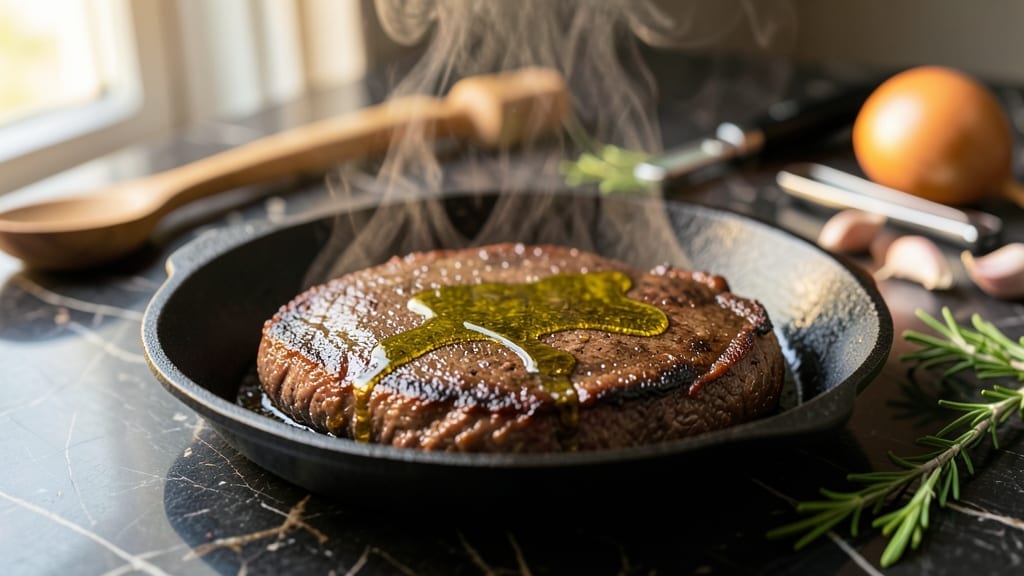
Mastering a beef brisket flat cut recipe in the oven transforms tough meat into melt-in-your-mouth perfection—something I perfected after years of experimenting with slow-cooked techniques. This leaner cut benefits from low-and-slow braising, where tenderizing happens through time and moisture rather than fat.
The key lies in balancing heat and liquid to break down fibers without drying out the meat.
What sets this method apart is using the oven’s gentle heat to achieve restaurant-quality results at home. Unlike point cuts, flat brisket requires careful monitoring to prevent overcooking while ensuring deep flavor penetration.
A simple dry brine and aromatic vegetables create a flavorful bath that infuses the meat as it cooks. The result? Juicy, fork-tender slices that practically fall apart with minimal effort.
By the time you’re done, you’ll have a brisket so tender it practically melts in your mouth, with a rich, caramelized exterior that hints at hours of slow cooking. This method delivers professional-quality results without requiring a smoker or specialized equipment—just your oven and patience.
The best part? Leftovers reheat beautifully, making this a meal that feeds a crowd or fills your fridge for days.
Serve with classic sides like roasted potatoes or caramelized onions to complete the meal. The secret to success lies in the details—timing, temperature, and technique—but the payoff is worth every minute. Let’s get started on creating your most tender brisket yet.
Ingredients for beef brisket flat cut recipe oven
Just the right balance of aromatic vegetables, bold flavors, and tender beef.
| Ingredient | Amount | Notes |
|---|---|---|
| Beef Brisket Flat Cut 🥩 | 3 lb | 2-2.5 inch thickness, trimmed of excess fat |
| Kosher Salt 🧂 | 2 tbsp | Diamond Crystal preferred for brining |
| Black Peppercorns 🌶️ | 1 tbsp | Freshly cracked for depth |
| Yellow Onion 🧅 | 1 whole | Yellow or red, peeled and halved |
| Carrot 🥕 | 2 whole | Medium size, peeled and halved |
| Celery Stalks 🥬 | 3 whole | Stringy parts trimmed off |
| Garlic Cloves 🧄 | 6 cloves | Peeled, smashed for aroma |
| Beef Broth 💧 | 2 cups | Low-sodium preferred for control |
| Red Wine 🍷 | 1 cup | Bold dry red like Cabernet Sauvignon |
| Tomato Paste 🍅 | 2 tbsp | High-quality, no sugar added |
| Fresh Thyme 🌿 | 2 sprigs | Stems removed for infusion |
| Fresh Rosemary 🌿 | 1 sprig | Woodsy flavor, stems removed |
| Olive Oil 🫒 | 2 tbsp | Extra-virgin for searing |
| Balsamic Vinegar 🍶 | 1 tbsp | For deglazing and depth |
[recipe_ingredient_scaler]
The brisket flat cut is your secret weapon here—look for a 2-2.5 inch thick piece with good marbling. Costco or your local butcher often have the best cuts, but don’t overlook the meat counter at Whole Foods if you want to splurge on organic. Trim any thick fat caps to about 1/4 inch—enough to render flavor but not so much it steams the meat. The kosher salt is non-negotiable: Diamond Crystal dissolves better than table salt, creating a more effective brine. I always buy mine in bulk since it lasts forever and makes every dish taste better. For the vegetables, organic is worth it—just scrub them well if you can’t find organic. The carrots and celery should be firm, not rubbery, and the onion should have crisp layers.
No red wine? Beef broth with an extra splash of balsamic works just as well—just reduce the broth by half to concentrate the flavor. Fresh thyme and rosemary are ideal, but dried at half the amount gets you close in a pinch. The tomato paste can be the squeeze tube kind from Trader Joe’s—it’s perfect for small amounts and lasts months. For the beef broth, low-sodium is key—you’ll be adding plenty of salt through the brining process. If you’re short on time, pre-minced garlic from the jar works, but fresh is always better if you’ve got it. The olive oil should be extra-virgin—none of that cheap stuff that burns easily. I like to toast my spices lightly in a dry pan before adding them to the pot for deeper flavor.
This brisket reheats like a dream—350°F for 20-30 minutes until it’s piping hot. Store any leftovers in the fridge for up to 5 days, covered tightly with foil to keep it moist. For longer storage, freeze portions in airtight containers for 3 months. The braising liquid makes a fantastic sauce—just reduce it on the stove until it’s thick enough to coat the back of a spoon. I always make extra because it’s perfect for sandwiches or drizzling over mashed potatoes. The brisket itself keeps well in the fridge for 4-5 days if you slice it thinly and store it in its juices.
Why You’ll Love This Recipe
- One-Pot Magic: Honestly, this isn’t just a meal—it’s a hands-off hero. After searing the brisket for 10 minutes total, I dump everything into the Dutch oven, pop it in the oven, and forget about it for hours. The onions, carrots, and celery caramelize into a sticky-sweet bed while the brisket turns tender. No last-minute scrambling, just pure effortless satisfaction.
- Crave-Worthy Crust: That sear? It’s everything. Five minutes per side with olive oil and freshly cracked peppercorns gives the brisket a crust so deep and dark, it’s basically a flavor bomb. Then the red wine and tomato paste reduce into something syrupy and rich—trust me, the first bite will have you licking the plate. It’s the kind of dish where people ask for seconds before they even finish their first.
- Leftover Legend: I always make extra because this brisket improves the next day. Slice it thin and pile it on toasted sourdough with a drizzle of that balsamic-infused sauce, or toss it into tacos for a whole new vibe. The fridge keeps it moist for five days, and honestly? The freezer’s your best friend if you’re feeding a crowd or just being practical.
- Budget’s Best Kept Secret: A 3-pound brisket flat cut is cheaper than you think, and with the vegetables and pantry staples you already have, this recipe stretches your dollars further than a steak dinner. The red wine? Use whatever bold dry bottle you’ve been saving—no need for fancy labels. It’s the kind of dish that makes you feel like a gourmet without breaking the bank.
Step-by-step instructions for braising a beef brisket flat cut
Here’s how to transform a tough cut into melt-in-your-mouth perfection using simple oven braising.
Season and Sear the Brisket for Maximum Flavor
Pat the 3 lb beef brisket flat cut completely dry with paper towels—this ensures a proper sear. In a small bowl, combine the 2 tbsp kosher salt and 1 tbsp freshly cracked black peppercorns, then rub this mixture all over the brisket, pressing firmly to create a flavorful crust. Let it sit at room temperature for 30 minutes while you prepare the vegetables.
Heat a Dutch oven over medium-high heat and add the 2 tbsp olive oil. Once shimmering, place the brisket fat-side down and sear for 5 minutes without moving it. Flip and sear the other side for another 5 minutes until you achieve deep golden-brown crusts. This initial sear locks in juices and builds the foundation for rich flavor. Remove the brisket and set it aside on a plate.
Build the Aromatic Vegetable Base
In the same Dutch oven, add the halved yellow onion, 2 peeled carrots cut into chunks, and 3 celery stalks cut into 1-inch pieces. Cook for 5 minutes, stirring occasionally, until the vegetables begin to soften and release their natural sweetness. Add the 6 peeled garlic cloves (smashed to release their aroma) and cook for another 30 seconds until fragrant.
Stir in the 2 tbsp tomato paste, letting it caramelize slightly for 1 minute—this deepens the umami flavor. Pour in the 1 cup red wine and scrape up any browned bits from the bottom of the pot. Let the wine reduce by half, about 3 minutes, until it becomes syrupy and concentrated. This step forms the flavor backbone of your braise.
Deglaze and Simmer with Herbs and Broth
Add the 2 sprigs fresh thyme and 1 sprig fresh rosemary to the pot, giving them a gentle stir to release their essential oils. Pour in the 2 cups beef broth and bring the mixture to a gentle simmer. Return the seared brisket to the pot, fat-side up, and spoon the braising liquid over it to ensure even coverage.
Here’s the thing—cover the Dutch oven and transfer it to a preheated 325°F oven. Braise for 3 to 3.5 hours until the brisket is fork-tender. You’ll know it’s ready when a knife slides in easily and the internal temperature reaches 200°F at its thickest point. The fat should render beautifully, creating a rich sauce that coats every bite.
Finish with Balsamic Vinegar for Depth
Once the brisket reaches the perfect tenderness, remove it from the oven and carefully transfer it to a cutting board. Tent loosely with aluminum foil and let it rest for 15 minutes—this crucial step allows the juices to redistribute throughout the meat, ensuring each slice remains juicy.
While the brisket rests, return the Dutch oven to the stovetop over medium heat. Add the 1 tbsp balsamic vinegar and let it simmer for 2 minutes to concentrate its tangy sweetness. This final step adds complexity to the sauce, balancing the richness of the meat. Skim off any excess fat if desired, then pour the sauce over the sliced brisket before serving.
Pro Tips For Making Beef Brisket Flat Cut Recipe Oven
- Sear Fat-Side First: DESCRIPTION: The brisket’s fat side needs that 5-minute sear—it’s the insurance policy for flavor and juiciness. I used to flip too soon, and the crust never formed right. Let it crisp without touching, then flip once. That golden crust is what makes the difference between good and unforgettable.
- Smash, Don’t Chop, Garlic: DESCRIPTION: Those 6 garlic cloves aren’t just there for show—they need to burst when they hit the pot. Smash them with the flat side of your knife first, then crush lightly with your palm. I learned this the hard way: minced garlic burns before it infuses, and you’ll taste it. Smash it, and the aroma melts into the sauce instead of turning bitter.
- Wine Reduction Matters: DESCRIPTION: That 1 cup of red wine isn’t just liquid—it’s the flavor backbone. Don’t rush the 3-minute reduction. The second it’s syrupy and clings to the pot, you’ve locked in depth. I once skipped this, and the dish tasted flat. Let it bubble down, scrape up those browned bits, and you’ll thank yourself later.
- Rest Before Slicing: DESCRIPTION: Skipping the 15-minute rest is the fastest way to dry brisket. Tent that meat loosely with foil and walk away. The juices redistribute, and every slice stays moist. I know, I know—you’re hungry now. But slice too soon, and you’ll regret it. Trust the process.
Regional styles of these flavors
Texas-Style Smoked Flavor
In Texas, brisket is often smothered in a dry rub and cooked low-and-slow over hickory or oak wood. While we’re using an oven, I mimic this by adding 1 tbsp smoked paprika and 1 tsp brown sugar to the kosher salt and pepper mixture.
The result? A sweet-savory crust that reminds me of my first trip to Austin’s Franklin Barbecue. I even wrap the brisket in butcher paper during the last hour to trap moisture, just like pitmasters do. 🔥
Southern Comfort Method
Down South, we often braise brisket with a touch of sweetness. After searing, I stir in ¼ cup apple cider vinegar instead of balsamic and add 1 tbsp honey to the broth. This balances the richness perfectly—my grandmother used to call it “Southern comfort food.”
The vinegar tenderizes while the honey caramelizes the sauce into a glossy finish. I swear by Granny Smith apples for their tartness when making extra sauce later.
Pacific Northwest Twist
Here in Portland, we love fresh herbs and local ingredients. I swap the red wine for 1 cup local Pinot Noir and add 2 sprigs fresh sage along with the thyme and rosemary.
The wine’s bright acidity cuts through the fat beautifully, and the sage gives it a woodsy note that pairs perfectly with our rainy weather. I always grab my wine from New Seasons Market—their selection is unbeatable. 🌿
Carolina-Style BBQ Braise
For a Southern twist, I add 2 tbsp BBQ sauce (like Sweet Baby Ray’s) to the tomato paste before deglazing with wine. The sauce adds a tangy sweetness that’s perfect for sandwiches.
I also wrap the brisket in foil with a splash of apple juice during the last 30 minutes to keep it moist. This method became popular at BBQ joints in Charlotte—simple but delicious. The sauce makes a fantastic glaze for the final slices.
French-Inspired Red Wine Braise
Inspired by French techniques, I increase the red wine to 1.5 cups and add 1 shallot and 1 bay leaf during the braising. The wine reduces beautifully, creating a rich, velvety sauce perfect for serving over mashed potatoes.
I learned this from my friend who studied in Lyon—she swears by the bay leaf for depth. The result is elegant yet approachable, perfect for a weekend dinner. 🍷
Nutrition facts
Frequently asked questions
Why does the brisket need to rest before slicing?
Resting for 15 minutes after cooking lets the juices redistribute throughout the meat. Skipping this step means you’ll slice into dry, uneven bites instead of tender, moist perfection. The fat renders beautifully during this time, creating a silky texture that melts in your mouth.
Can I use a regular oven instead of a Dutch oven?
Yes! Transfer the seared brisket to a roasting pan, pour the braising liquid over it, cover tightly with foil, and cook at 325°F for the same 3-3.5 hours. Just check occasionally to ensure the liquid doesn’t dry out. The Dutch oven just helps concentrate flavors better.
How do I know when the brisket is done?
Check for two things: the internal temperature should reach 200°F at its thickest point, and a knife should slide in effortlessly. The fat should also render beautifully, creating a rich sauce. If it’s still tough, cook another 30 minutes before checking again. Patience pays off!
What if I don’t have red wine?
No problem! Use 2 cups beef broth with an extra 1 tbsp balsamic vinegar to add depth. The acidity mimics the wine’s effect while keeping the dish rich and flavorful. Many pitmasters swear by this substitution for a tangy twist.
Can I make this recipe ahead of time?
The brisket reheats beautifully at 350°F for 20-30 minutes until piping hot. Store leftovers in the fridge for up to 5 days, covered tightly with foil to keep it moist. The sauce even tastes better the next day!

Trained in classic French technique but raised on slow-cooked ribs and spicy rubs, she blends culinary skill with smoke and soul.
- Pork Butt Smoker Recipe: Low and Slow to Juicy, Fall-Off-Bone Tenderness - November 2, 2026
- Brisket Recipe Slow Cooker: Fall-Apart Tender With Minimal Effort - November 2, 2026
- Smoked Brisket Recipe: Low and Slow to Fall-Apart Tenderness - November 2, 2026