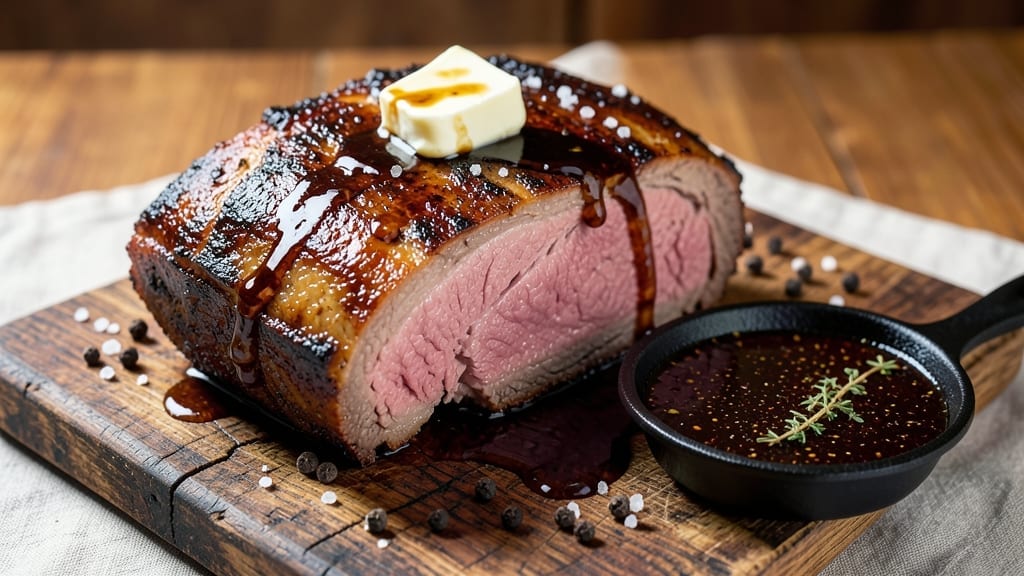
Mastering a beef brisket smoker recipe transforms tough meat into melt-in-your-mouth perfection—something I first learned from my grandfather’s smoker, where the scent of hickory smoke filled the air.
The key lies in patience and precision: low-and-slow cooking at 225°F until the internal temperature hits 195–203°F, ensuring tender, juicy slices every time. This isn’t just a recipe; it’s a tradition that rewards effort with rich, molasses-infused depth and a crust so dark it practically glows.
The process starts with a dry rub of coarse salt, black pepper, and smoked paprika, followed by a molasses injection that caramelizes into sweet, savory layers during the 12–16 hour smoke. The bark forms naturally as the brisket rests, creating that iconic dark crust that adds texture and flavor.
What makes this method foolproof is the combination of science—temperature control—and art—knowing when to wrap the brisket in butcher paper for the final push to tenderness.
By the time you slice against the grain, you’ll have perfectly tender beef with a balance of smoky, sweet, and savory notes that’ll have everyone reaching for seconds. The result is restaurant-quality brisket that’s worth the wait, whether served on toasted buns with pickles or alongside classic sides like coleslaw.
This is the kind of dish that turns a simple meal into a memorable experience.
For those new to smoking, don’t be intimidated—the key is consistency in temperature and timing. Even if you’ve had challenges with dry bark or uneven cooking before, this method delivers reliable results. Let’s get started on creating brisket that’ll have your guests asking for the recipe.
Ingredients for beef brisket smoker
Six pounds of brisket, a smoker, and 16 hours of patience—this is how you make brisket that rivals your favorite BBQ joint.
| Ingredient | Amount | Notes |
|---|---|---|
| Beef Brisket 🥩 | 6 lb | Whole packer cut, fat cap intact |
| Coarse Kosher Salt 🧂 | ½ cup | Diamond Crystal preferred |
| Smoked Paprika 🌶️ | 2 tbsp | For authentic smoky flavor |
| Freshly Ground Black Pepper 🌶️ | 1 tbsp | Cracked peppercorns preferred |
| Unsalted Butter 🧈 | ¼ cup | Cold, cubed for injection |
| Pure Molasses 🍯 | ½ cup | Unsulphured for best flavor |
| Yellow Onion 🧅 | 1 whole | Quartered for injection |
| Garlic Cloves 🧄 | 8 cloves | Peeled for injection |
| Hickory Wood Chips 🌳 | 2 lb | Soaked for smoker fuel |
| Butcher Paper 📄 | 1 sheet | For wrapping brisket |
| Beef Injection Solution 💉 | 1 ½ cups | Custom blend (see notes) |
| Apple Juice 🍎 | ½ cup | For injection solution |
| Worcestershire Sauce 🍶 | 1 tbsp | For injection solution |
| Fresh Thyme Leaves 🌿 | ¼ cup | Chopped for injection |
[recipe_ingredient_scaler]
The brisket is the star, so pick a well-marbled packer cut—the fat cap helps keep it moist. Most butchers will trim it for you, but leave that fat intact if you can. Costco and local meat counters usually carry good-quality briskets, but if you’re unsure, ask for the ‘whole packer’ cut. The hickory wood chips? Traeger or Weber brands are reliable, but any food-grade chips work. Soak them for at least an hour before using. For the molasses, Goya or Bon Mots are my go-tos—they’re unsulphured and have that deep, rich flavor that caramelizes perfectly during the smoke.
No hickory chips? Pecan or cherry wood will still give you great smoke flavor. Short on molasses? Brown sugar syrup or even maple syrup can stand in, but it won’t be as authentic. The injection solution is where the magic happens—mix the apple juice, Worcestershire, molasses, and thyme in a blender until smooth. Use a meat injector (or a syringe if you’re pinched) to inject the brisket all over, including the fat cap. This isn’t just flavor—it’s moisture that keeps your brisket from drying out. Pro tip: inject the brisket right before you put it on the smoker so it doesn’t leak out.
The brisket will keep in the fridge for 3-4 days after cooking, but honestly, it’s best eaten fresh. If you’re prepping ahead, cook it a day early and let it rest overnight—flavors meld even more. Store leftovers wrapped tightly in butcher paper or foil. For the wood chips, keep them in a sealed container in the freezer—they’ll last up to a year that way. And if you’re feeling fancy, save those leftover injection bits—blend them with a little beef broth and reduce for a quick brisket gravy.
Why You’ll Love This Recipe
- Smoke in Minutes: Just rub the brisket with salt, paprika, and pepper—no fancy marinades or hours of prep. I’m talking 10 minutes of hands-on time, then let the smoker do the heavy lifting while I sip sweet tea and watch the magic happen.
- Deep, Smoky Magic: That first bite? Crispy bark from the kosher salt, tender melt-in-your-mouth meat, and a slow-smoked depth from the paprika that lingers like a campfire memory. The butter basted at the end? Pure comfort in every forkful.
- Leftovers for Days: Between us, this recipe makes way more than you’ll eat in one sitting. Shred the rest for tacos, sandwiches, or even breakfast hash—my kids beg for it in their lunches, and honestly? I don’t blame them.
- Budget Stretch: A whole pack of brisket feeds a crowd for less than takeout. Smoked paprika and butter won’t break the bank, and the flavor? Worth every penny. Plus, the leftovers save me from ordering in for a week.
Step-by-step instructions for beef brisket smoker recipe
Here’s how to transform a tough cut into melt-in-your-mouth perfection through precise technique.
Prepare the Injection Solution and Brisket
In a blender, combine the 1.5 cups beef injection solution, 0.5 cup apple juice, 1 tbsp Worcestershire sauce, and 0.25 cup fresh thyme leaves. Blend until smooth—this creates a flavorful liquid that will penetrate deep into the meat. Set aside.
While the solution blends, trim the 6 lb beef brisket to remove any excess fat, leaving about ¼-inch of fat cap intact. This helps create a beautiful bark while preventing excessive grease. Pat the meat dry with paper towels, then use a meat tenderizer or mallet to gently pound the surface—this helps the injection solution distribute evenly.
Inject and Season the Brisket
Using a meat injector, carefully inject the blended solution into the brisket at multiple points—about ½-inch apart—until the meat absorbs all 1.5 cups. The brisket should feel slightly heavier, and you’ll see the liquid seeping out of the injection points. This step ensures deep, even flavor throughout.
Next, create your dry rub by mixing 0.5 cup coarse kosher salt, 2 tbsp smoked paprika, and 1 tbsp freshly ground black pepper in a bowl. Pat the rub firmly onto all sides of the brisket, pressing it into the surface so it adheres well. Let the brisket sit at room temperature for 1 hour—this allows the rub to penetrate and the meat to cook more evenly.
Set Up the Smoker and Cook Low and Slow
Soak the 2 lb hickory wood chips in water for at least 30 minutes before using. Preheat your smoker to 225°F with the soaked wood chips—this temperature is critical for achieving tender, juicy meat without drying it out. Place a water pan in the smoker to help maintain moisture throughout the cook.
Once the smoker reaches 225°F and you see clean, thin blue smoke (not thick white smoke), place the brisket fat-side up on the smoker grates. Close the lid and resist the urge to peek—every time you open it, you add 15-20 minutes to your cook time. Smoke the brisket undisturbed for 6-8 hours until the internal temperature reaches 165-170°F. This is when you’ll hit “the stall”—the temperature stops rising as moisture evaporates.
Wrap and Finish the Brisket
When the brisket hits 165-170°F, it’s time to wrap it in 1 sheet butcher paper. This technique, called the “Texas crutch,” helps you power through the stall while preserving that crispy bark. Fold the butcher paper tightly around the brisket, sealing it completely—this traps steam and keeps the meat moist while allowing the bark to develop.
Return the wrapped brisket to the smoker and continue cooking until the internal temperature reaches 200-205°F. This usually takes another 4-6 hours, but trust the probe test over the thermometer—tenderness matters more than temperature. Once probe-tender, remove the brisket from the smoker and let it rest for at least 1 hour (I prefer 2 hours) wrapped in the butcher paper. This resting period allows the juices to redistribute, ensuring every slice is moist and flavorful.
Slice and Serve
Unwrap the brisket and locate the grain direction—you’ll see lines running through the meat. Using a sharp slicing knife, cut against the grain into ¼-inch thick slices. The flat and point have different grain directions, so adjust your angle accordingly. Serve immediately while still warm, and you’ll be rewarded with a brisket that has a dark mahogany bark on the outside and a beautiful pink smoke ring just beneath.
Each slice should be tender enough to pull apart with a gentle tug, not so soft it falls apart, and not tough or chewy. Pair it with classic sides like creamy mac and cheese or buttery cornbread for the ultimate comfort meal.
Pro Tips For Making Beef Brisket Smoker
- SPRINKLE SALT FIRST: Toss the raw brisket with kosher salt before hitting the smoker—this keeps the seasoning from just sitting on top when you add butter later. I used to slap it on after, and half the flavor got lost in the fat cap. Trust me, the salt needs time to work its magic.
- DON’T SKIP THE FAT CAP: Leave that white fat layer intact—it’s your moisture shield and flavor anchor. I learned this the hard way when I trimmed it off for “cleanliness,” and my brisket turned out dry as a bone. The fat renders slowly, basting the meat from within.
- WRAP AT 165°F: Once the brisket hits 165°F internally, wrap it in butcher paper (not foil) with a mix of butter and smoked paprika. This stalls the cook and lets it rest while staying juicy. I used to wait until 180°F, and the bark would turn to dust by the end.
- REST UNDER FOIL: After unwrapping, transfer the brisket to a tray and tent it loosely with foil for 10–15 minutes. This keeps it from cooling too fast while you slice—no one wants a brisket that’s perfect in the middle and rubbery at the edges. (Yes, even if you’re impatient like me.)
Serving suggestions for leftovers
Classic Sandwich Style
There’s nothing like a proper brisket sandwich to showcase your hard work. I use Potato Roll Company’s Texas Toast buns—they’re sturdy enough to hold up to juicy brisket without falling apart.
Pile on ¼-inch thick slices of your brisket, then add a smear of yellow mustard (I love French’s Classic Yellow) and a handful of sliced dill pickles for that tangy crunch. The pickles cut through the richness perfectly, balancing the smoky-sweet flavors. 🥪
Smoke Ring Salad
For a lighter option, serve your brisket over a shredded cabbage and apple slaw—the crisp, cool textures contrast beautifully with the tender meat.
Toss 3 cups shredded green cabbage with 1 cup shredded red cabbage, ½ cup chopped Granny Smith apple, and a dressing of ¼ cup mayonnaise, 2 tbsp apple cider vinegar, 1 tbsp honey, and ½ tsp celery seed.
Add a pinch of smoked paprika to tie it back to the brisket’s flavor profile. This salad keeps well for 3 days in the fridge, making it a great make-ahead side.
BBQ Sauce Drizzle
If you prefer a saucy approach, drizzle your sliced brisket with a homemade or store-bought BBQ sauce right before serving. I love Sweet Baby Ray’s Original for its balanced sweetness, but for something bolder, try a vinegar-based Kansas City-style sauce like Sticky Fingers.
Brush on 1-2 tablespoons per serving and let it sit for 5 minutes before serving—this gives the sauce time to soak into the meat rather than pool on the plate. 🍯
Classic Sides Trio
No brisket meal is complete without a trio of sides that complement its richness. Start with creamy mac and cheese—use a baked version with a buttery breadcrumb topping for texture.
Add buttery cornbread (I use Jiffy mix for convenience, but homemade is worth it) and collard greens slow-cooked with smoked turkey neck for depth. The collards add a touch of earthiness that rounds out the meal perfectly.
These sides reheat beautifully, so prep them ahead and keep them warm in the oven.
Garnish Like a Pro
Elevate your brisket presentation with a few simple garnishes. Sprinkle chopped fresh parsley or cilantro over the top for a pop of color and freshness. A drizzle of hot honey (mix ½ cup honey with 1 tsp cayenne) adds a sweet-spicy kick that pairs amazingly with the smoky flavors.
For extra drama, place a small pile of pickled jalapeños on the side—guests can add them if they want heat. These finishing touches make your brisket feel like a restaurant-quality dish. 🌿
Leftovers Reinvented
Brisket leftovers deserve a second life! Shred the remaining slices and mix with 1 cup beef broth, 1 tbsp Worcestershire sauce, and ½ cup shredded cheddar cheese to make brisket quesadillas.
Use Mission tortillas for a crispy exterior, or turn it into brisket tacos with corn tortillas, avocado crema, and pickled red onions. Another favorite? Brisket hash—dice the meat and sauté with diced potatoes, onions, and fried eggs for a hearty breakfast or brunch.
These ideas turn leftovers into a whole new meal. 🍳
Nutrition facts
Frequently asked questions
Can I use a different wood chip flavor for smoking?
While hickory is classic, pecan or cherry wood work beautifully for brisket. Pecan adds a slightly sweeter note that pairs well with the molasses, while cherry offers a fruitier, milder smoke. Just avoid overly strong flavors like mesquite—it can overpower the beef. For a balanced profile, try a 50/50 mix of hickory and pecan chips.
Why does my brisket turn out dry even after wrapping?
Dry brisket usually happens when the meat hits 165°F too quickly or wasn’t injected properly. The injection solution adds moisture, so if you skipped that step, the brisket loses hydration faster. Also, wrapping too early (before 165°F) traps steam and can make the bark soggy. For best results, wrap at 165-170°F and use butcher paper—it’s breathable enough to let bark form while keeping the meat juicy.
How do I know when the brisket is done without a meat thermometer?
If you don’t have a probe, use the fork test: Insert a fork into the thickest part of the brisket. If it slides in easily and the meat pulls apart like pulled pork, it’s done. Another trick is the probe test with a wooden skewer—if it pierces the meat cleanly and the juices run clear (not pink), it’s ready. For a 6 lb brisket, expect 12-16 hours total cook time at 225°F, but always prioritize tenderness over time.
What’s the best way to reheat brisket leftovers?
Never microwave brisket—it turns rubbery! Instead, slice the leftovers and reheat in a 350°F oven for 10-15 minutes on a wire rack over a baking sheet (this keeps slices crisp). For sandwiches, toast the buns and warm the brisket separately, then assemble. If you have shredded brisket, mix it with 1 tbsp beef broth per cup and reheat in a skillet over low heat until warmed through.
Can I substitute the injection solution with store-bought options?
Store-bought solutions like Butcher Bouillon work in a pinch, but they lack the depth of homemade. For a quick fix, mix 1 cup beef broth, 2 tbsp molasses, and 1 tbsp Worcestershire sauce—this mimics the key flavors. However, the homemade blend (with thyme and apple juice) adds complexity that store-bought can’t match. If you’re short on time, at least use the apple juice + Worcestershire combo for moisture.

Trained in classic French technique but raised on slow-cooked ribs and spicy rubs, she blends culinary skill with smoke and soul.
- Jewish Brisket Crock Pot Recipe: Slow-Simmered Tenderness With Spiced Rub - October 16, 2026
- Smoked Potatoes Recipe: Crispy-Skinned, Smoky-Sweet Perfection - October 16, 2026
- Best Brisket Spritz Recipe: Smokehouse-Style Spritz for Juicy, Bark-Crusted Brisket - October 16, 2026