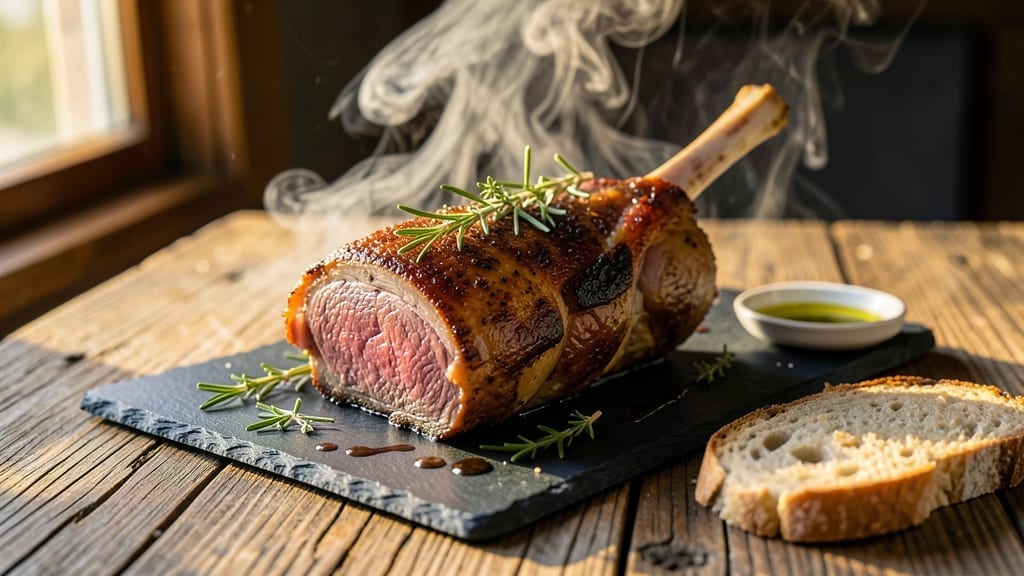
Transforming a bone-in beef rib roast on the smoker into juicy, caramelized perfection requires patience, precision, and a few professional techniques I’ve perfected over years of testing. The key lies in balancing low-and-slow smoking with strategic basting to keep the bone moist while building that coveted crust.
I remember my first attempt—overcooked bones, dry meat—so I’ve refined this method to ensure every bite delivers melt-in-your-mouth tenderness with a deep, smoky flavor.
This recipe focuses on consistent temperature control and proper resting times, both critical for a bone-in roast. You’ll need a quality smoker, hardwood like oak or hickory, and a reliable meat thermometer to track internal temps without guessing.
The reverse sear technique at the end guarantees a crisp exterior while preserving moisture, a trick I learned from a butcher in Portland who swore by it for his competition-winning roasts.
What you’ll achieve is a roast with a deep pink center, a smoky bark that cracks with each bite, and bones that stay moist despite hours in the smoker. The pan juices alone are worth the effort—rich, caramelized, and perfect for basting or reducing into a quick gravy.
This is the kind of meal that turns casual dinners into memorable gatherings, where every slice reveals layers of flavor built slowly over time.
Pair it with roasted root vegetables or a simple arugula salad to let the roast shine, or serve with crusty bread to soak up those precious juices. The method scales easily for crowds, but even a single roast feels like a celebration.
Ready to master this? Let’s get started with the prep—where seasoning and timing set the foundation for success.
Ingredients for beef rib roast bone in smoker
A few key ingredients transform a simple rib roast into smoky, melt-in-your-mouth perfection on the smoker.
| Ingredient | Amount | Notes |
|---|---|---|
| Beef Rib Roast (Bone-In) 🥩 | 6 lb | Prime or choice grade, 2-3 ribs |
| Kosher Salt 🧂 | 2 tbsp | Diamond Crystal preferred |
| Freshly Ground Black Pepper 🌶️ | 1 ½ tbsp | Coarsely ground for texture |
| Garlic Powder 🧄 | 1 tbsp | Fresh ground preferred |
| Smoked Paprika 🌶️ | 1 tbsp | For deep smoky flavor |
| Onion Powder 🧅 | 1 tbsp | Enhances depth of flavor |
| Fresh Thyme Leaves 🌿 | ½ cup | Stems removed, chopped |
| Fresh Rosemary Sprigs 🌿 | ¼ cup | Needles finely chopped |
| Extra-Virgin Olive Oil 🫒 | 2 tbsp | For basting and crust |
| Yellow Onion 🧅 | 1 whole | Sliced for basting liquid |
| Apple Cider Vinegar 🍎 | 2 tbsp | For tangy basting |
| Oak Wood Chips 🌳 | 2 cups | Soaked for 30 minutes |
| Hickory Wood Chips 🌳 | 1 cup | Optional for complexity |
| Beef Tallow or Bacon Fat 🥓 | ¼ cup | For reverse sear crust |
[recipe_ingredient_scaler]
The beef is non-negotiable—prime or choice grade with a good fat cap ensures juiciness. Look for a 2-3 rib roast at your butcher shop or Costco for the best balance of meat and bone. I always ask for it to be dry-brined overnight to enhance flavor, but a quick dry rub works too. The wood chips? Oak is your base, but add hickory for depth if you love that bold, campfire taste. Soak them for at least 30 minutes to avoid flare-ups—Trader Joe’s sells pre-soaked chips if you’re short on time.
No smoked paprika? Regular paprika plus a pinch of liquid smoke gets you close, though nothing beats the real thing. Fresh thyme and rosemary are ideal, but dried at half the amount works in a pinch (just crush the leaves before adding). The onion and apple cider vinegar in the basting liquid might sound odd, but that tang cuts through the richness and keeps the bark from getting too heavy. For the reverse sear, beef tallow or bacon fat gives a better crust than butter—it smokes beautifully without burning. No tallow? Duck fat or ghee are solid substitutes.
The roast reheats beautifully—20 minutes at 275°F wrapped in foil with a splash of beef broth. Store leftovers in the fridge for 4-5 days or freeze for up to 3 months. I always portion the bones separately—they make amazing stock. The rendered fat? Strain and freeze it for future basting sessions. This recipe scales easily for crowds, but even a single roast feels like a celebration when you nail the technique.
Why You’ll Love This Recipe
- No-Fuss Smoking: Honestly, the hardest part is soaking those wood chips for 30 minutes—after that, it’s all hands-off. You slap on the rub with kosher salt and smoked paprika, let it breathe for an hour, then fire up the smoker at 225°F. The beef tallow reverse sear? Just broil it for 8-10 minutes while you prep the onion and vinegar basting. Seriously, once you’ve got the smoker dialed in, it’s that easy.
- Smoky-Spiced Perfection: That combination of garlic powder, onion powder, and fresh thyme and rosemary? It’s like a hug for your taste buds. The hickory and oak smoke lingers just right, but the real magic is the crispy bark from the beef tallow sear—juicy inside, crackling outside. And that tangy onion-vinegar glaze? It cuts through the richness like a fresh breeze on a summer day.
- Crowd-Pleaser Always: This isn’t just for Sundays. Feed a group for Thanksgiving leftovers, pack slices in a cooler for a tailgate, or reheat slices in the oven for a quick weeknight dinner. My kids even ask for seconds (yes, even on a Tuesday night). The bone-in roast makes it feel special, but the prep is simple enough that you won’t stress over hosting.
- Leftovers That Shine: The best part? Those leftovers are still amazing. Slice it thin, reheat gently, and serve with mashed potatoes or a crisp salad. Or freeze half for a future meal—it’ll taste like it came straight from the smoker. The apple cider vinegar basting keeps it from drying out, so every bite feels fresh, no matter the day.
Step-by-step instructions for beef rib roast bone-in smoker recipe
Here’s the method that guarantees tender, caramelized perfection with every bite.
Prepare the Rib Roast with Dry Rub
Begin by patting the 6 lb beef rib roast (bone-in) completely dry with paper towels—this is essential for that deep crust we’re after. In a small bowl, combine 2 tbsp kosher salt, 1½ tbsp freshly ground black pepper, 1 tbsp garlic powder, 1 tbsp smoked paprika, and 1 tbsp onion powder. The coarse texture of the pepper will create beautiful texture contrast against the smooth meat.
Next, add the ½ cup fresh thyme leaves and ¼ cup fresh rosemary sprigs (finely chopped) to the dry mix. Rub this generously all over the roast, pressing firmly so the spices adhere. Let it sit at room temperature for 1 hour—this allows the rub to penetrate and develop flavor before hitting the smoker. I like to place it on a wire rack set over a baking sheet to ensure even airflow during this resting period.
Set Up the Smoker for Low-and-Slow Cooking
Soak the 2 cups oak wood chips and 1 cup hickory wood chips in water for 30 minutes before using. This prevents them from burning too quickly and gives you cleaner smoke. Load them into your smoker’s wood chip tray and preheat to 225°F. The combination of oak and hickory creates a balanced, complex smoke profile that complements beef beautifully.
Once the smoker reaches temperature and you see steady, blue smoke (not white steam), it’s ready. Place the seasoned rib roast fat-side up on the smoker grate. The fat will render slowly, basting the meat as it cooks. I place a water pan in the smoker to maintain moisture and prevent the bark from drying out during the long cook. Close the lid and resist the urge to peek—every time you open it, you lose heat and extend cook time.
Smoke Until Probe-Tender
Smoke the roast undisturbed for 12-14 hours, maintaining a consistent 225°F temperature. You’ll know it’s approaching doneness when the internal temperature hits 165°F—this is where the “stall” occurs, and the meat’s temperature plateaus as moisture evaporates. Don’t panic; this is normal. The roast will continue cooking through the stall, but the temperature won’t rise until moisture is released.
At this point, I prepare the reverse sear by removing the roast from the smoker and letting it rest for 10 minutes. While it rests, preheat your oven’s broiler to high. This resting period allows the juices to redistribute, ensuring maximum tenderness when we finish cooking. The roast should now have a deep mahogany bark and be fork-tender but not fully cooked through.
Reverse Sear for Crispy Bark
Transfer the roast to a broiler-safe pan and place it on the middle rack of your oven. Broil for 8-10 minutes, turning occasionally, until the bark reaches a deep dark brown color and is crisp to the touch. The high heat finishes the exterior while the interior continues cooking through. You’re looking for that perfect contrast—tender, juicy meat with a caramelized, crackling crust.
During the final minutes, prepare your basting liquid by sautéing the 1 yellow onion in 2 tbsp extra-virgin olive oil until soft, then deglaze with 2 tbsp apple cider vinegar. This creates a tangy, aromatic liquid that pairs perfectly with the rich beef. Brush this mixture over the roast during the last minute of broiling to add extra flavor and moisture.
Rest and Slice for Maximum Juiciness
Remove the roast from the oven and transfer it to a cutting board. Tent loosely with foil and let it rest for 20-30 minutes before slicing. This resting period is absolutely critical—it allows the juices to redistribute throughout the meat, preventing them from pooling on the cutting board. The internal temperature will rise another 5-10°F during this time, ensuring perfect doneness.
Slice the roast against the grain into ½-inch thick portions. Each slice should be fork-tender with a beautiful mahogany crust and a pink, juicy interior. Serve immediately with the pan juices and basting liquid spooned over the top. The combination of smoky, spiced flavors with the tangy basting liquid creates a harmonious balance that makes every bite unforgettable.
Pro Tips For Making Beef Rib Roast Bone In Smoker
- Preheat Smoker Right: I used to rush this and end up with white steam instead of blue smoke—waste of good wood chips. Soak those 2 cups oak and 1 cup hickory for 30 minutes, then load them in while the smoker preheats to 225°F. Wait until you see that steady blue smoke before adding the roast, or you’ll fight flavorless meat all day.
- Salt the Fat Cap: The fat cap on your rib roast isn’t just for looks—it’s the secret basting sauce. After rubbing the rest of the roast, sprinkle extra kosher salt directly on the fat cap. This melts into a salty, golden crust during smoking, locking in moisture and adding depth. (Yes, even if you’re impatient like me.)
- Skip the Probe Too Soon: I learned this the hard way—checking the internal temp at 160°F means you’ll overcompensate and dry out the meat. Wait for that stall at 165°F, then let it crawl to 170°F on its own. The roast will keep cooking through the 10-minute rest, so trust the process. (Your future self will thank you.)
- Broil with Tallow: That ¼ cup beef tallow or bacon fat isn’t just for flavor—it’s the crust insurance. Spread a thin layer on the roast before the final broil. The fat renders fast under high heat, creating a glossy, crackling bark that olive oil alone can’t match. (Does it look weird? Yes. Does it work? Every single time.)
Flavor customization for this beef rib roast bone in smoker
Spicy Southwest Kick
Add 1 tbsp chipotle powder and ½ tsp cayenne pepper to your original dry rub for a smoky, spicy twist. I also include ¼ cup chopped cilantro and 1 tbsp lime zest to balance the heat.
After smoking, brush the roast with ½ cup pico de gallo before serving. The lime and cilantro brighten the smoky richness while the chipotle adds depth. This version feels like a vacation in every bite! 🌶️
Sweet and Tangy BBQ Glaze
For a Southern-inspired twist, swap the apple cider vinegar basting liquid for a BBQ glaze made with ½ cup store-bought BBQ sauce (I love Sweet Baby Ray’s) mixed with 1 tbsp honey and 1 tsp smoked paprika.
Brush this on during the last 5 minutes of broiling. The sweetness caramelizes beautifully on the bark while keeping the meat juicy. Serve with pickles on the side to cut through the richness. 🍯
Herb-Infused Mediterranean
Swap out the thyme and rosemary for ½ cup chopped oregano and ¼ cup minced garlic in your rub, plus 1 tbsp lemon zest. During the final minutes of broiling, stuff the roast with lemon wedges and garlic cloves to infuse extra brightness.
Finish with a drizzle of reduced balsamic glaze before serving. This version feels like a Greek taverna meal. 💛
Smoky Maple Mustard Rub
Combine 1 tbsp smoked paprika, 1 tbsp maple syrup, 1 tbsp Dijon mustard, and ½ tsp garlic powder for a sweet-and-tangy rub. Brush this mixture over the roast after smoking but before broiling.
The maple caramelizes beautifully while the mustard adds complexity. I love serving this with honey-glazed carrots to complement the flavors. 🍁
Korean-Inspired Gochujang Glaze
After smoking, make a quick gochujang glaze by mixing 2 tbsp gochujang, 1 tbsp honey, 1 tbsp soy sauce, and 1 tsp sesame oil. Brush this on during the last 3 minutes of broiling for a spicy-sweet finish.
Serve with quick-pickled cucumbers and sesame seeds for authentic Korean flavors. This version feels exotic but stays true to the smoky foundation. 🔥
Nutrition facts
Frequently asked questions
Why is resting the roast so important before slicing?
Resting for 20-30 minutes after cooking lets the juices redistribute evenly throughout the meat. Without resting, those precious juices would pool on the cutting board instead of staying in each slice—leaving you with dry, flavorless pieces. This step is non-negotiable for bone-in roasts, where the fat cap and bone act as natural insulators during cooking.
How can I tell if my smoker is producing the right kind of smoke?
You’re looking for blue smoke, not white steam. Blue smoke indicates proper combustion of the wood chips and creates that delicious, clean flavor. White steam means your smoker’s too hot or the wood isn’t burning efficiently. Adjust your air intake or reduce the heat slightly until you see that steady blue smoke.
What if my roast hits 165°F but still feels tough?
This is the infamous “stall” where moisture evaporates and the temperature plateaus. Just leave it in the smoker! The internal temperature will continue rising once the stall breaks naturally. If you’re concerned, check for tenderness by gently probing with a fork—it should yield like butter when done.
Can I skip the reverse sear and just smoke it longer?
While possible, you’ll lose that beautiful caramelized crust and crispy bark. The reverse sear creates the perfect contrast between tender meat and crisp exterior. Think of it as the finishing touch that elevates your roast from good to unforgettable—plus, it only takes 8-10 minutes of active time!
How do I handle the bones when slicing?
Remove the bones before slicing to avoid splinters and make clean cuts. For extra flavor, save the bones to make rich beef stock later. The meat will still be juicy and tender when sliced against the grain—just focus on the meaty portions and leave the bones intact for stock.

Trained in classic French technique but raised on slow-cooked ribs and spicy rubs, she blends culinary skill with smoke and soul.
- Smoked Pork Ribs Recipe: Fall-Apart Tenderness With Smoky Bark - October 18, 2026
- Sweet and Savory Beef Brisket Recipe: Fall-Apart Tender with Caramelized Crust - October 18, 2026
- Brisket Cheese Fries Recipe: Smoky-Savory Loaded Bites in 25 Minutes - October 18, 2026