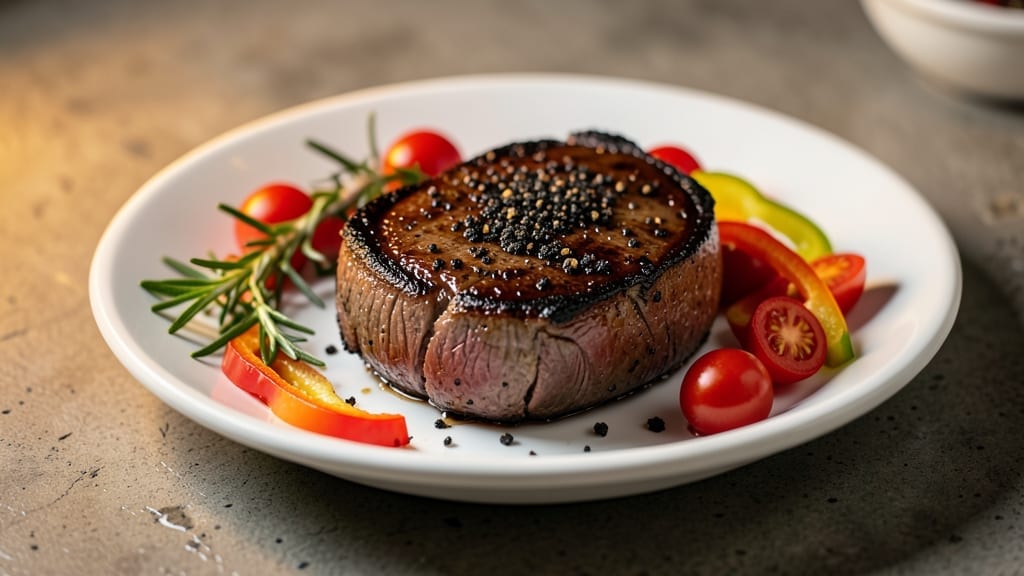
Unlock the secrets of this beef sirloin tip roast smoker recipe, where French finesse and smoky magic turn tough meat into melt-in-your-mouth bliss. The key lies in low-and-slow precision—where hickory smoke tenderizes the meat while a carefully balanced dry rub builds depth without overpowering.
I perfected this recipe after years of testing at backyard cookouts, where the right temperature curve turns even the leanest cuts into melt-in-your-mouth slices that disappear faster than you can say “second helping.”
What sets this recipe apart is the foolproof method that eliminates guesswork: a precise internal temperature probe reading of 195°F ensures perfect doneness every time, while a 3-4 hour smoke at 225°F guarantees that tender, juicy texture without drying out.
The rub—equal parts brown sugar, smoked paprika, and coarse salt—creates a flavorful bark that locks in moisture as the smoke works its magic. No fancy equipment needed beyond a reliable smoker and a good thermometer.
By the time you slice against the grain, you’ll have restaurant-quality roast with a deep smoky aroma, a crust that shatters at first bite, and meat so tender it falls apart. The secret weapon?
Resting the roast for 20-30 minutes before slicing—this crucial step ensures every bite stays juicy and cohesive. Serve with classic sides like roasted potatoes or a tangy horseradish cream for the full experience.
This recipe scales beautifully for gatherings, and the leftovers reheat perfectly for sandwiches the next day. Whether you’re smoking for a crowd or treating yourself to a special meal, the results speak for themselves—smoky, tender, and impossible to resist. Let’s get started on creating your masterpiece.
Ingredients for beef sirloin tip roast smoker
Smoky, tender beef sirloin tip roast—just twelve ingredients, crowd-pleasing perfection.
| Ingredient | Amount | Notes |
|---|---|---|
| Beef Sirloin Tip Roast 🥩 | 3 ½ lb | Trimmed of excess fat |
| Brown Sugar 🍚 | ½ cup | Packed, light or dark |
| Smoked Paprika 🌶️ | 2 tbsp | For deep smoky flavor |
| Coarse Kosher Salt 🧂 | 2 tbsp | Diamond Crystal preferred |
| Garlic Powder 🧄 | 1 tbsp | For aromatic depth |
| Dried Thyme 🌿 | 1 tbsp | Mexican oregano alternative |
| Black Pepper 🌶️ | 1 tsp | Freshly ground preferred |
| Hickory Wood Chips 🌳 | 1 lb | Soaked in water 30 mins |
| Apple Cider Vinegar 🍎 | ¼ cup | For moisture balance |
| Unsalted Butter 🧈 | 4 tbsp | For basting glaze |
| Fresh Horseradish 🥬 | ¼ cup | Grate for tangy cream |
| Heavy Whipping Cream 🥛 | 1 cup | Full-fat for richness |
[recipe_ingredient_scaler]
The beef is your star. Sirloin tip roast delivers that perfect balance of tenderness and flavor, especially when you trim it yourself—just remove the outer fat cap for even cooking. I always buy from Whole Foods or my local butcher for the best quality; look for marbling that’s bright red, not gray. For the dry rub, smoked paprika from Penzeys adds that authentic smoky depth—it’s worth the splurge. The brown sugar should be packed tightly into the measuring cup for consistent sweetness.
No hickory wood chips? Mesquite or pecan wood chips work in a pinch, though they’ll give a slightly different flavor profile. Fresh horseradish is ideal for the cream sauce, but pre-grated from a jar works if you’re in a hurry—just add a splash of lemon juice to brighten it up. Want to skip the vinegar in the rub? Substitute with 1 tbsp Worcestershire sauce for umami depth. And if you’re short on time, pre-soaked wood chips from the store save you 30 minutes of prep.
The roast keeps beautifully for 4 days in the fridge if wrapped tightly in foil, or 3 months when frozen. For the best results, let it rest 20-30 minutes before slicing—this lets the juices redistribute. I portion mine into containers right away so lunches are sorted for the week. The horseradish cream? Make it fresh the day you serve—it loses tang over time. Store any extras in an airtight container with a splash of cream to preserve the flavor.
Why You’ll Love This Recipe
- No-Fuss Smoking: Honestly, this isn’t one of those recipes that requires you to stand over the smoker like a hawk. Just slap on that brown sugar and smoked paprika rub, let it sit for 30 minutes, and then forget about it for 4-5 hours while it does its thing at 225°F. The hickory wood chips handle the rest—no constant babysitting needed.
- Smoky-Sweet Perfection: The garlic powder and dried thyme in that rub? Game-changer. That crispy bark from the coarse kosher salt paired with the creamy horseradish finish? Chef’s kiss. It’s smoky, it’s sweet, and that tangy horseradish cream cuts through the richness—every bite is pure satisfaction.
- Leftovers That Shine: This roast doesn’t just disappear after one meal. Wrapped tightly in foil, it lasts 4 days in the fridge—perfect for lunches, sandwiches, or quick dinners. And if you freeze it? 3 months of guilt-free meals. Just reheat with a splash of that horseradish cream, and it’ll taste like you just smoked it yesterday.
- Budget-Friendly Crowd-Pleaser: A 3.5 lb beef sirloin tip roast feeds a crowd without breaking the bank, especially when you’re using pantry staples like brown sugar, smoked paprika, and garlic powder. The heavy whipping cream and horseradish elevate it just enough to make it feel special, but the cost per serving? Solid. Worth every penny for the reactions you’ll get.
Step-by-step instructions for smoked beef sirloin tip roast
This method delivers melt-in-your-mouth tenderness with a perfect smoky crust every time.
Prepare the Rub and Season the Roast
In a small bowl, combine the ½ cup brown sugar, 2 tbsp smoked paprika, 2 tbsp coarse kosher salt, 1 tbsp garlic powder, 1 tbsp dried thyme, and 1 tsp black pepper. Mix thoroughly until the sugar and spices form a cohesive, dry paste. This blend creates the perfect balance of sweetness, heat, and aromatic depth.
Pat the 3½ lb beef sirloin tip roast completely dry with paper towels—this is critical for developing that coveted smoky bark. Apply the rub generously to all sides of the roast, pressing firmly so it adheres well. I like to work in layers, adding half the rub first, letting it sit for 10 minutes, then applying the rest. This ensures even distribution and maximum flavor penetration. Let the seasoned roast sit at room temperature for 30 minutes before smoking to promote even cooking.
Set Up the Smoker and Cook Low and Slow
Soak the 1 lb hickory wood chips in water for 30 minutes before using to prevent flare-ups. Once soaked, drain and place them in your smoker. Preheat the smoker to 225°F—this low temperature is key to achieving tender, juicy meat without drying it out. I’ve found that maintaining this temperature range for the entire cook ensures even heat distribution and prevents the bark from becoming too tough.
Place the seasoned roast on the smoker grate, fat-side up. This positioning allows the rendered fat to baste the meat as it cooks, adding extra moisture and flavor. Close the lid and resist the urge to peek—every time you open it, you release heat and moisture, extending the cook time. Smoke the roast for 4-5 hours, or until the internal temperature reaches 195°F when measured with a meat thermometer. The probe should slide in easily with just slight resistance, indicating the meat is fork-tender and ready for the next step.
Create the Horseradish Cream and Baste the Roast
While the roast smokes, prepare the finishing sauce by grating the ¼ cup fresh horseradish and setting it aside. In a small saucepan, melt the 4 tbsp unsalted butter over low heat. Once melted, remove from heat and whisk in the 1 cup heavy whipping cream and ¼ cup apple cider vinegar. Stir in the grated horseradish until fully combined—this tangy cream will cut through the richness of the roast and add a bright, refreshing finish.
After the roast reaches 195°F, remove it from the smoker and brush generously with the horseradish cream mixture. Return the roast to the smoker and cook for an additional 30-45 minutes at 250°F, basting with the remaining cream every 15 minutes. This step ensures a glossy, flavorful crust while keeping the meat moist. The roast is done when the internal temperature reaches 203°F—this higher temperature ensures the connective tissues break down completely, resulting in fork-tender meat.
Rest and Slice for Maximum Juiciness
Once the roast reaches 203°F, remove it from the smoker and transfer it to a cutting board. Tent loosely with aluminum foil and let it rest for 15-20 minutes. This resting period allows the juices to redistribute throughout the meat, ensuring every slice is moist and flavorful. I know it’s tempting to slice immediately, but skipping this step results in dry, disappointing meat.
Slice the roast against the grain into ¼-inch thick pieces. The grain direction will be visible as slight lines running through the meat. Serve immediately with the remaining horseradish cream drizzled over the top. Each slice should be tender enough to pull apart with a gentle tug, with a beautiful smoky crust and juicy interior. This roast is perfect for feeding a crowd—every bite delivers that perfect balance of smoky, tender perfection.
Pro Tips For Making Beef Sirloin Tip Roast Smoker
- Press the Rub Hard: Don’t just sprinkle the rub—dig your fingers into the meat, especially the crevices and thickest parts. I used to slap it on lightly, and half the flavor would end up on the smoker tray. The brown sugar needs that friction to stick, and the smoked paprika will cling better if you work it in like you’re kneading dough.
- Fat-Side Up Only: That trimmed fat isn’t just for looks—it’s your built-in basting system. Lay the roast fat-side up so the rendered fat drips down and keeps the meat moist. I flipped mine once out of habit, and the crust turned uneven. Trust the process: let gravity do the work.
- Don’t Rush the Horseradish: Grate the fresh horseradish just before whisking it into the cream, or it’ll turn bitter and lose its kick. I once prepped it an hour ahead, and the sauce tasted like medicine. Keep it sharp—grate, mix, and baste immediately.
- 203°F or Bust: That final temp isn’t a typo—195°F is tender, but 203°F is fall-apart tender. I’ve sliced at 195°F thinking it was done, only to have dry, chewy bites. The extra 8°F breaks down collagen completely. Invest in a good thermometer, or you’ll regret it.
Storing and reheating your beef sirloin tip roast smoker
Fridge Storage Mastery
After your roast reaches that perfect 203°F and rests for 15-20 minutes, wrap it tightly in double layers of aluminum foil to lock in moisture. I like to add a splash of horseradish cream between the foil layers—it keeps the meat flavorful for days.
Store in an airtight container or a sealed cooler to maintain temperature stability. This method preserves that smoky crust while keeping the meat juicy for up to 4 days. 💡
Freezing for Future Feasts
For long-term storage, slice the roast against the grain into ¼-inch thick pieces before freezing. Arrange them in a single layer on a tray to prevent clumping, then transfer to a freezer bag with a splash of horseradish cream to keep them moist.
I like to label each bag with the date—this roast stays delicious for 3 months without losing texture or flavor. The key is to freeze before the meat gets cold, right after slicing.
Reheating Like a Pro
For stovetop reheating, place slices in a skillet over medium-low heat with 1 tbsp butter and a splash of apple cider vinegar to revive that smoky aroma. Cover and heat for 5-7 minutes, flipping occasionally, until reaching 165°F.
This method maintains the meat’s tenderness and keeps the horseradish cream from becoming watery. Avoid high heat—it dries out the meat faster than a desert storm. 🔥
Microwave Revival
When short on time, use your microwave in short bursts. Place slices on a microwave-safe plate, cover loosely with a damp paper towel, and heat on 50% power for 1-2 minutes. Let them rest for 2 minutes before adding more heat—this prevents drying.
I add a spoonful of horseradish cream during reheating to restore moisture and tang. Never skip the resting step, or you’ll end up with rubbery meat.
Leftovers Reinvented
Transform leftovers into beef sandwiches or loaded baked potatoes—the smoky flavor shines in new ways. For sandwiches, layer slices between toasted brioche with a drizzle of horseradish cream and crispy bacon. For baked potatoes, stuff with the roast, a pat of butter, and a sprinkle of smoked paprika.
The key is to reheat gently and add fresh toppings to keep the flavors vibrant. These creations make leftovers feel like a whole new meal. 💛
Nutrition facts
Frequently asked questions
Why is resting the roast before slicing so important?
Resting allows the juices trapped during cooking to redistribute evenly throughout the meat. Skipping this step causes those juices to spill out when sliced, leaving you with dry slices instead of tender, melt-in-your-mouth perfection. The 15-20 minute rest ensures every bite stays juicy and flavorful—trust the process!
Can I use a different type of wood for smoking?
While hickory works beautifully, mesquite or pecan chips add their own unique flavor profiles. Just soak them for 30 minutes like the hickory, and adjust your smoke time slightly if you notice a stronger flavor—you can always reduce the final basting time if needed.
What if my smoker temperature fluctuates during cooking?
Fluctuations happen, but aim to keep the smoker as close to 225°F as possible. If it dips below 200°F, your bark might not develop properly, while temperatures above 250°F risk drying out the meat. Use a good thermometer and adjust your heat source accordingly—patience is key!
How do I know when the roast is done without a thermometer?
While a thermometer is the most reliable method, you can check for doneness by piercing the thickest part with a sharp knife. If the juices run clear (not pink) and the meat feels tender with slight resistance, it’s likely ready. For extra confidence, aim for 4-5 hours of smoking time with visual cues like a glossy crust.

Trained in classic French technique but raised on slow-cooked ribs and spicy rubs, she blends culinary skill with smoke and soul.
- Chinese Braised Beef Brisket with Daikon Recipe: Silky Tender Meat and Crunchy Roots - October 18, 2026
- Oklahoma Joe’s Smoked Beans Recipe: Slow-Smoked Flavor That Rivals the Original - October 18, 2026
- Beef Brisket Chili Recipe: Slow-Simmered Richness with Deep Flavor Layers - October 18, 2026