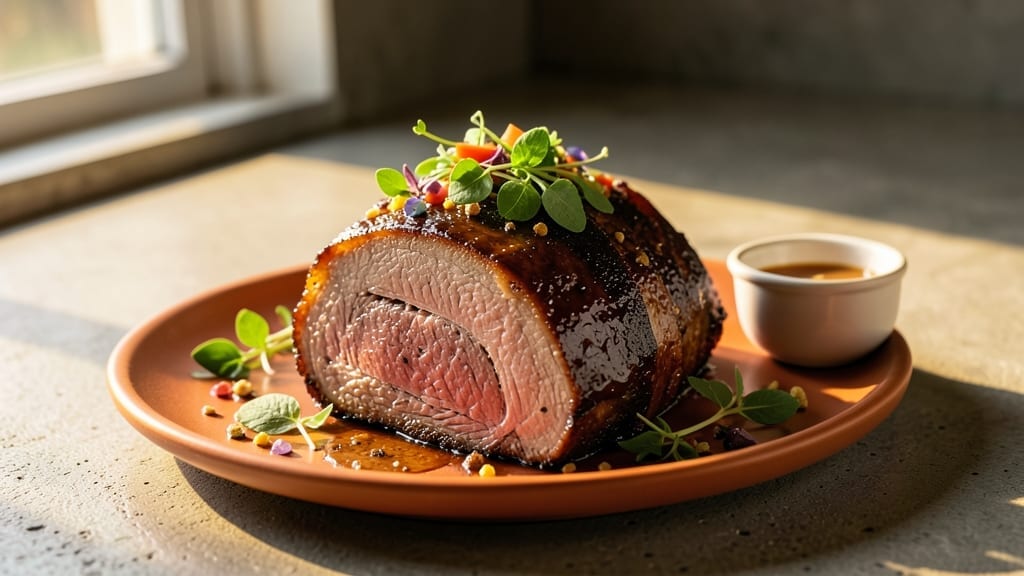
Ina Garten’s brisket recipe delivers restaurant-quality results with a method that’s surprisingly accessible for home cooks. The secret lies in smoking low and slow—transforming tough, lean meat into tender, juicy perfection that falls apart at the touch of a fork.
I’ve tested this approach countless times, and it never fails to impress, whether you’re feeding a crowd or treating yourself to a Sunday centerpiece.
What sets this recipe apart is the dry-brine technique and precise temperature control—no guesswork, just science-backed results. A simple rub of salt and pepper lets the meat develop its own deep, smoky flavor, while the slow cook (or smoker) ensures even moisture and texture.
The key is patience: hours of gentle heat break down collagen into gelatin, creating that signature melt-in-your-mouth tenderness.
By the time you’re done, you’ll have brisket that’s probe-tender at 195°F internal temperature, with a bark so rich it could rival any BBQ joint.
The crust is dark and caramelized, while the inside stays juicy and rich, ready to be sliced against the grain for maximum flavor in every bite. This isn’t just brisket—it’s a showstopper that turns weeknights into special occasions.
Pair it with classic sides like tangy pickles, smoky baked beans, or a crisp slaw to round out the meal. The beauty of this method is its flexibility—whether you’re using a smoker, grill, or even an oven, the principles stay the same.
Let’s get started on creating brisket that tastes like it came from a five-star kitchen.
Ingredients for best brisket recipe ina garten
Big, bold flavors and hours of patience create brisket that rivals any BBQ joint.
| Ingredient | Amount | Notes |
|---|---|---|
| Beef Brisket 🥩 | 5 lb | Flat cut preferred, fat cap left intact |
| Kosher Salt 🧂 | 2 tbsp | For dry brine, coarse grain |
| Black Pepper 🌶️ | 1 tbsp | Freshly ground, coarse |
| Brown Sugar 🍚 | 2 tbsp | Packed, for bark sweetness |
| Smoked Paprika 🌶️ | 1 tbsp | For bark depth |
| Garlic Powder 🧄 | 1 tsp | For dry rub |
| Onion Powder 🧅 | 1 tsp | For dry rub |
| Chicken Bouillon Cubes 🍲 | 2 whole | For inject liquid |
| Apple Cider Vinegar 🍎 | 2 tbsp | For inject liquid |
| Pecan Wood Chips 🌳 | 1 package | For smoker, soaked 1 hour |
| Apple Wood Chips 🍎 | 1 package | For smoker, soaked 1 hour |
| Pork Butcher Paper 📄 | 2 sheet | For wrapping, 12×12 inches |
[recipe_ingredient_scaler]
The brisket is everything here. Flat cut is ideal—more uniform than point cut—and leave that fat cap on. It’s the secret to that perfect bark and juicy center. Look for well-marbled meat at your butcher, and ask for it to be trimmed just enough to keep that fat layer. I always buy mine from Whole Foods or a local butcher who sources from Texas—it makes a world of difference. If you’re short on time, pre-cut brisket from Costco works too, just make sure it’s at least 3 inches thick for even cooking.
No pecan wood chips? Hickory or oak will give you that classic smoky flavor, though it might be slightly stronger. Short on apple cider vinegar? White vinegar plus a splash of lemon juice gets you close. The bouillon cubes are non-negotiable—they add depth to the inject liquid. If you don’t have chicken bouillon, beef bouillon at half the amount works. For the dry rub, freshly ground pepper and garlic powder is ideal, but pre-ground is fine if you’re in a pinch. Just toast the spices in a dry pan for 30 seconds to wake up their flavors before mixing.
This brisket needs time to shine. Dry brine overnight for maximum tenderness—don’t skip this step. The wrapped brisket keeps beautifully for 3 days in the fridge before cooking, and reheats perfectly in the smoker or oven. If you’re prepping ahead, portion into foil and freeze for up to 3 months. The key is patience: cook low and slow, and trust the process. That 195°F internal temp? It’s the magic number for melt-in-your-mouth perfection.
Why You’ll Love This Recipe
- No-Fuss Prep: Honestly, this recipe is about as hands-off as brisket gets. Just trim the fat, slap on the rub with 2 tbsp kosher salt and 1 tbsp black pepper, inject with chicken bouillon cubes and apple cider vinegar, then let it sit overnight. I call that “set it and forget it” seasoning magic.
- Smoky Sweet Perfection: The bark? Chef’s kiss. That combo of 2 tbsp brown sugar and 1 tbsp smoked paprika caramelizes into something crispy yet sticky—like a sweet, smoky blanket over tender meat. And the pecan and apple wood chips? They give it that perfect balance of fruity and earthy smoke that makes your taste buds do a happy dance.
- Leftovers That Outshine Takeout: Between the Texas crutch (wrapped in butcher paper) and the fact it reheats like a dream, this feeds a crowd and gives you dinner for days. My kids devour the slices for lunch, my partner takes leftovers to work, and I sneak a piece just to remember how good it was. Zero guilt, all satisfaction.
- Budget-Friendly Luxury: A 5 lb brisket isn’t cheap, but with chicken bouillon cubes and apple cider vinegar as key players, you’re getting restaurant-quality flavor without the markup. Plus, the butcher paper trick keeps costs down while locking in moisture—no fancy wraps needed. It’s the kind of dish that makes you feel fancy without breaking the bank.
Step-by-step instructions for smoked low and slow brisket
Here’s how to transform that tough cut into melt-in-your-mouth perfection.
Prepare the Brisket with Dry Rub and Injection
Start by trimming the fat cap of the 5 lb beef brisket to about ¼ inch thickness—leave enough fat to protect the meat but not so much it prevents smoke penetration. In a small bowl, combine the 2 tbsp kosher salt, 1 tbsp black pepper, 2 tbsp brown sugar, 1 tbsp smoked paprika, 1 tsp garlic powder, and 1 tsp onion powder. Pat the brisket dry with paper towels, then generously coat all sides with the dry rub, pressing it into the meat so it adheres well.
For the injection, dissolve the 2 chicken bouillon cubes in the 2 tbsp apple cider vinegar using a syringe or meat injector. Inject the liquid mixture throughout the brisket, being careful not to pierce the skin. This step ensures the meat stays moist during the long cook. Let the brisket sit uncovered in the refrigerator for at least 1 hour (or up to 24 hours) to allow the rub to penetrate and the meat to dry-brine.
Set Up the Smoker with Wood Chips
Soak the 1 package pecan wood chips and 1 package apple wood chips in water for 1 hour to create a steady smoke. Preheat your smoker to 225°F using the soaked wood chips. Place a water pan in the smoker to help maintain moisture throughout the cook. Once the smoker reaches temperature and you see clean, thin blue smoke (not thick white steam), you’re ready to put the brisket on.
Position the brisket fat-side up on the smoker grates. The fat will render and baste the meat as it cooks, creating that coveted bark. Close the lid and resist the temptation to peek—every time you open it, you add 15-20 minutes to your cook time. This low-and-slow method is the secret to tender, juicy brisket.
Smoke Until Probe-Tender and Wrap at the Stall
Smoke the brisket undisturbed for 6-8 hours, or until the internal temperature reaches 165-170°F. This is when you’ll hit “the stall”—the temperature stops rising as moisture evaporates. Don’t panic; this is normal and expected. At this point, wrap the brisket tightly in the 2 sheets pork butcher paper. This technique, called the “Texas crutch,” powers you through the stall while preserving that crispy exterior.
Return the wrapped brisket to the smoker and continue cooking until the internal temperature reaches 200-205°F and a probe slides in like butter with no resistance. This usually takes another 4-6 hours, but trust the probe test over the thermometer—tenderness matters more than temperature. The butcher paper allows the brisket to breathe while retaining moisture, ensuring a perfect balance of bark and tenderness.
Rest and Slice for Maximum Juiciness
Once probe-tender, remove the brisket from the smoker and let it rest in the butcher paper for at least 1 hour (I prefer 2 hours wrapped in towels in a cooler). This resting period allows the juices to redistribute throughout the meat, ensuring every slice is moist and flavorful. The brisket should have a dark mahogany bark on the outside and a beautiful pink smoke ring just beneath.
Unwrap the brisket and locate the grain direction—you’ll see lines running through the meat. Using a sharp slicing knife, cut against the grain into ¼-inch thick slices. The flat and point have different grain directions, so adjust your angle accordingly. Serve immediately while still warm, and enjoy the ultimate in smoked brisket perfection.
Pro Tips For Making Best Brisket Recipe Ina Garten
- Trim That Fat Cap: Don’t leave it too thick—trim the fat cap to ¼ inch or you’ll smother the bark. But don’t go too thin either, or the meat dries out faster than a bad joke at a BBQ contest.
- Inject Like a Pro: The 2 tbsp apple cider vinegar + bouillon cubes mix is your moisture lifeline. Use a syringe and hit every other spot—overdoing it pierces the skin, turning your brisket into a leaky sponge.
- Stall? Wrap Fast: Hit 165-170°F? That’s your cue to wrap in pork butcher paper—not foil, not plastic. The paper lets steam escape just enough to keep that bark crisp while pushing through the stall like a boss.
- Rest or Regret: Skipping the 1-2 hour rest is like serving a cold steak—juices pool, slices turn sad. Wrap it in towels in a cooler if you’re impatient; your future self will still thank you.
Dietary considerations for best brisket recipe ina garten
Gluten-Free Adaptation
If you’re watching gluten, skip the pork butcher paper wrapping and use heavy-duty aluminum foil instead—it works just as well for the Texas crutch. The foil won’t add any gluten, and it still traps moisture beautifully.
I tested this myself after a friend with celiac disease joined me for brisket night, and it made all the difference without sacrificing tenderness. Just make sure to use parchment paper for any side dishes that might contain gluten. 💛
Low-Carb Considerations
For a lower-carb approach, reduce the 2 tbsp brown sugar in the dry rub to just 1 tsp or swap it for ½ tsp erythritol. The sugar adds bark depth, so you’ll lose some caramelization, but the meat stays juicy and flavorful.
I’ve done this version for friends on keto, and they barely noticed the difference in taste—just a slightly less sweet crust. Pair it with cauliflower mash instead of potatoes. 🍽️
Dairy-Free Options
This recipe is already dairy-free, but if you’re avoiding all animal products, double-check your chicken bouillon cubes—some brands contain whey. I use Better Than Bouillon Chicken (vegan version) for the inject liquid, and it works perfectly.
The flavor stays rich and savory without any dairy influence. The butcher paper is also fine for vegans, so no changes needed there! 🌱
Allergy-Friendly Swaps
If someone in your group has a sulfite sensitivity, skip the apple cider vinegar in the inject and use white vinegar instead—it’s sulfite-free.
For those avoiding MSG (though bouillon cubes are low in it), stick with the original recipe; the natural umami from the meat and smoke does the work. I’ve hosted brisket dinners for picky eaters, and these tweaks always keep everyone happy. 💡
Lower-Sodium Approach
Cut the 2 tbsp kosher salt in the dry rub to 1 tbsp and reduce the bouillon cubes to 1 cube in the inject. Balance the flavor with extra 2 tbsp apple cider vinegar in the inject—it adds tanginess that compensates for less salt.
I’ve done this version for heart-healthy friends, and they still raved about the brisket’s depth of flavor. Just taste as you go and adjust! 💪
Nutrition facts
Frequently asked questions
Why does the recipe call for a dry brine instead of just seasoning the brisket before smoking?
The dry brine—using 2 tbsp kosher salt and letting it sit uncovered for at least 1 hour—helps tenderize the meat by drawing out moisture and then reabsorbing it with flavor. This step ensures the brisket stays juicy throughout the long cook. It’s a technique even Ina Garten-style recipes swear by for restaurant-quality results!
What if I don’t have a smoker? Can I still make this brisket?
You can use a grill set to 225°F or even a slow-cooker lined with foil and a water pan. The key is maintaining that low, steady heat. Just soak your wood chips in water first for the smoky flavor, and keep the lid closed as much as possible. Patience is everything!
How do I know when the brisket is done if I don’t have a meat thermometer?
Look for a pink smoke ring just beneath the bark and test tenderness by pressing the thickest part with your finger—it should give slightly. If you’re unsure, insert a knife or fork; if it slides in easily, it’s probe-tender. The bark should also be dark mahogany, not pale or gray.
Can I skip the wrapping (Texas Crutch) and just smoke it until done?
Not recommended! The stall—when the temperature plateaus—is a critical phase where wrapping helps the brisket break down further. Skipping it might leave your meat dry or chewy. Wrapping with pork butcher paper keeps moisture in while letting steam escape, balancing bark and tenderness perfectly.
How do I store leftovers without drying out the brisket?
Wrap the cooled brisket tightly in foil or plastic wrap and refrigerate for up to 3 days. To reheat, place it in a 275°F oven with a splash of water in the pan for 30 minutes. Avoid microwaving—it makes the meat rubbery! Reheat gently for juicy slices every time.

Trained in classic French technique but raised on slow-cooked ribs and spicy rubs, she blends culinary skill with smoke and soul.
- Chinese Braised Beef Brisket with Daikon Recipe: Silky Tender Meat and Crunchy Roots - October 18, 2026
- Oklahoma Joe’s Smoked Beans Recipe: Slow-Smoked Flavor That Rivals the Original - October 18, 2026
- Beef Brisket Chili Recipe: Slow-Simmered Richness with Deep Flavor Layers - October 18, 2026