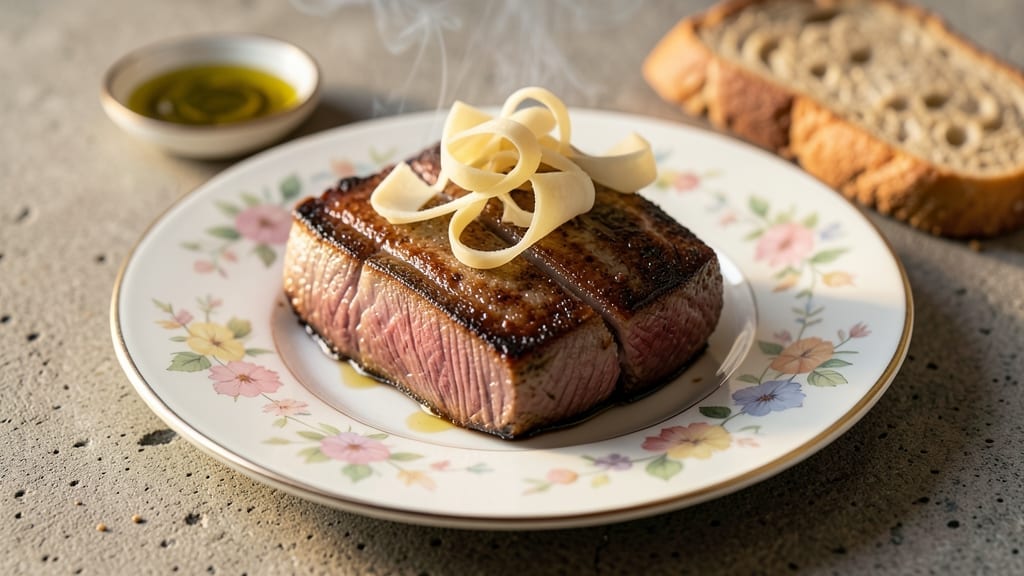
Mastering beef tenderloin on a pellet smoker transforms this premium cut into ultra-juicy, restaurant-quality perfection with minimal effort. The key lies in precise temperature control—holding steady between 225–250°F—and understanding when to pull the meat at 125–130°F internal, where collagen breaks down just enough to yield melt-in-your-mouth tenderness.
I’ve perfected this method after years of trial and error, ensuring every bite delivers that ideal balance of smoky depth and buttery richness without overcooking.
What sets this recipe apart is the 3-hour smoking window, which allows the tenderloin to develop deep flavor while maintaining its natural juiciness. Unlike grilling, where high heat can dry out the center, pellet smokers maintain consistent temperatures, ensuring even cooking.
A simple dry brine overnight enhances seasoning penetration, while optional basting with garlic-herb butter adds an extra layer of aroma and moisture. The result? A steak so tender it nearly falls apart, with a crust that’s perfectly caramelized—not charred.
Resting is non-negotiable here: letting the meat rest for 15–20 minutes after smoking ensures juices redistribute, guaranteeing that first cut delivers maximum flavor. Carving against the grain further elevates the texture, creating bite-sized pieces that are impossibly tender.
This isn’t just a recipe—it’s a method that turns a simple cut of beef into a showstopper, whether you’re feeding a crowd or treating yourself to a weekend indulgence.
Pair it with classic sides like garlic-roasted potatoes or grilled asparagus to complete the meal, or serve it as the centerpiece of a smoker feast. The beauty of this approach is its adaptability: use it for special occasions or weeknight dinners alike. Here’s how to achieve it every time.
Ingredients for beef tenderloin pellet smoker
Premium cut meets pellet precision—just six essential components for showstopping smoked beef tenderloin.
| Ingredient | Amount | Notes |
|---|---|---|
| Beef Tenderloin 🥩 | 4 lb | Center-cut, trimmed of silver skin |
| Kosher Salt 🧂 | 1 ½ tbsp | Diamond Crystal preferred, coarse grain |
| Freshly Ground Black Pepper 🌶️ | 1 ½ tsp | Cracked peppercorns, not pre-ground |
| Garlic Powder 🧄 | 1 tsp | Freshly toasted for depth |
| Smoked Paprika 🌶️ | 1 tsp | Spanish pimentón de la Vera |
| Unsalted Butter 🧈 | ½ cup | Cold, cubed for basting |
| Garlic Cloves 🧄 | 6 cloves | Fresh, peeled, minced |
| Fresh Rosemary 🌿 | 2 sprigs | Fine needles, stems removed |
| Fresh Thyme 🌿 | 1 sprig | Leaves only, stems discarded |
| Pellet Smoker Wood 🔥 | 2 cups | Hickory or applewood pellets |
| Olive Oil 🫒 | 1 tbsp | Extra-virgin, for searing |
| Red Wine Vinegar 🍷 | 1 tbsp | For basting, optional |
| Balsamic Glaze 🍯 | 2 tbsp | For finishing, reduced |
[recipe_ingredient_scaler]
The beef tenderloin is the star, so source it from a high-quality butcher—look for bright, vibrant meat with minimal marbling. Costco or Whole Foods typically carry premium cuts, but local specialty shops often provide superior quality. Opt for a center-cut roast with the silver skin removed, as it can impart a bitter taste. The 4-pound size is ideal for six servings, ensuring generous portions. For the dry brine, use Diamond Crystal kosher salt—it dissolves more easily than table salt, enhancing seasoning penetration without over-salting. Freshly cracked black pepper and toasted garlic powder elevate the flavor profile, while smoked paprika adds a subtle smoky depth that complements the pellet smoker’s aroma.
No smoked paprika? Substitute with a mix of regular paprika and a pinch of liquid smoke, but use sparingly to avoid overpowering the natural beef flavor. Fresh herbs can be swapped for dried at a one-third ratio, though fresh rosemary and thyme deliver superior aroma. For basting, unsalted butter is non-negotiable—it adds richness and moisture. If you prefer a tangier finish, red wine vinegar in the basting mixture cuts through the fat beautifully. The pellet wood choice matters: hickory offers bold smokiness, while applewood provides a sweeter, fruitier note. Avoid mesquite, which can overpower delicate beef flavors.
Store any unused beef tenderloin in the coldest part of your fridge, wrapped tightly in butcher paper, for up to 3 days. Prepped ingredients like minced garlic and fresh herbs keep in airtight containers for 5 days in the refrigerator. The basting butter should be stored in a sealed container to prevent absorption of fridge odors. For leftovers, slice against the grain and reheat in a 350°F oven for 10-15 minutes with a splash of beef broth to restore moisture. This method yields 6 generous servings, perfect for a crowd or meal prep.
Why You’ll Love This Recipe
- No Fuss Smoking: Honestly, this is the kind of recipe where you do one prep step—trimming and patting dry—and then it’s basically hands-off. No chopping herbs into tiny pieces, no fussing with marinades. Just season, smoke, and let it do its thing while you prep sides or even just relax.
- Smoky, Buttery Perfection: Between the hickory or applewood smoke, the crispy edge from the smoked paprika, and that final basting of garlic-herb butter, every bite is a flavor explosion. The balsamic glaze? It adds just enough sweetness to tie it all together—like a little secret weapon for restaurant-quality results.
- Feeds a Crowd (or Just You): A 4 lb tenderloin is exactly what you need for a cozy dinner party or a solo night where you want leftovers. Slice it against the grain, and you’ve got six generous portions that’ll disappear fast. The fridge keeps it fresh for up to three days, so no sad, dry meat leftovers here.
- Budget-Friendly Luxury: Tenderloin isn’t cheap, but this method makes it worth it—no waste, no overcooking, just perfectly pink meat with a crust that’ll make you feel fancy. And if you’ve got a pellet smoker, you’re already halfway there. Plus, the herbs and vinegar? A pantry staple upgrade for minimal cost.
Step-by-step instructions for smoked beef tenderloin
Here’s the method for achieving restaurant-quality smoked beef tenderloin with flawless tenderness and rich flavor.
Prepare and Season the Beef Tenderloin
Begin by trimming any remaining silver skin from the 4 lb beef tenderloin using a sharp boning knife. This step ensures even cooking and a clean presentation. Pat the meat dry with paper towels—removing all moisture is critical for developing that perfect smoky crust.
In a small bowl, combine the 1½ tbsp kosher salt, 1½ tsp freshly ground black pepper, 1 tsp garlic powder, and 1 tsp smoked paprika. Rub this mixture generously over the entire surface of the tenderloin, pressing firmly so the seasoning adheres. Let it sit at room temperature for 30 minutes while you prepare your smoker. This resting period allows the seasoning to penetrate and the meat to come to an even temperature.
Set Up the Pellet Smoker
Fill your pellet smoker with 2 cups Pellet Smoker Wood and preheat to 225°F. I’ve found this temperature range ideal for achieving that perfect balance of smoke penetration without overcooking the tenderloin. Place a water pan in the smoker to maintain consistent humidity throughout the cooking process.
Once the smoker reaches the target temperature and you see clean, blue smoke (not thick white vapor), it’s ready. Place the seasoned beef tenderloin directly on the smoker grates, away from direct flame sources. The goal is indirect heat cooking, which ensures even cooking from all sides. Close the lid and resist the urge to open it during the cook—each time you peek, you lose valuable heat and moisture.
Smoke Until Perfect Doneness
Smoke the beef tenderloin for 2 to 2½ hours, or until the internal temperature reaches 125°F when measured with a meat thermometer inserted into the thickest part. The reason we stop at this lower temperature is that beef tenderloin continues cooking as it rests, and we want to avoid overcooking it to dryness.
During the last 30 minutes of cooking, prepare your basting mixture by melting the ½ cup unsalted butter in a small saucepan over low heat. Add the 6 minced garlic cloves, 2 sprigs fresh rosemary (needles only), and 1 sprig fresh thyme (leaves only). Simmer gently for 5 minutes, then remove from heat and strain out the herbs. Keep this mixture warm for basting.
Baste and Finish with Glaze
Remove the beef tenderloin from the smoker and transfer it to a cutting board. Brush it generously with the warm garlic-herb butter mixture, working the basting into all sides. Then, in a small saucepan, combine the 1 tbsp olive oil and 1 tbsp red wine vinegar. Simmer for 2 minutes to create a simple reduction.
Brush this reduction over the entire surface of the tenderloin, then drizzle the 2 tbsp balsamic glaze evenly across the top. Return the tenderloin to the smoker and close the lid for the final 15 minutes of cooking. This basting and glazing step creates a beautiful caramelized crust while keeping the interior ultra-juicy.
Rest and Slice for Maximum Juiciness
Once the internal temperature reaches 130°F (it will rise to 135°F as it rests), remove the beef tenderloin from the smoker and transfer it to a cutting board. Tent loosely with aluminum foil and let it rest for 20 to 30 minutes. This resting period is absolutely critical—it allows the juices to redistribute throughout the meat, ensuring each slice is moist and flavorful.
After resting, slice the beef tenderloin into 6 even portions against the grain for maximum tenderness. Serve immediately with the remaining basting mixture spooned over the top. The result should be perfectly pink in the center, with a beautiful smoky crust and juices flowing freely from each slice.
Pro Tips For Making Beef Tenderloin Pellet Smoker
- Trim Like a Pro: That silver skin won’t disappear on its own—grab a sharp boning knife and scrape it off before seasoning. I learned this the hard way when my first batch had stubborn bits that turned to leather during smoking. A clean surface = even cooking and a restaurant-worthy look.
- Salt Early, Salt Firmly: Don’t just sprinkle—press the seasoning into the meat with your fingers. The 30-minute room-temperature rest isn’t optional; it lets the kosher salt (Diamond Crystal, remember?) work its magic. I used to skip this, and my crust always tasted weak.
- Watch the Smoke Color: Thick white vapor means unburnt pellets—wait for clean, blue smoke before loading your tenderloin. I wasted two batches waiting for the smoker to stabilize, but now I check the smoke first. Patience here guarantees that perfect smoky flavor without bitterness.
- Baste Cold Butter: Use cold, cubed butter for basting—it melts slower and clings better to the meat. I tried warm butter once, and it just pooled on the grate. Cold cubes also caramelize faster when they hit the hot smoker, giving you that glossy finish without extra fuss.
Best sauces and condiments for this beef tenderloin pellet smoker
Herb-Infused Butter Baste
The garlic-herb butter from the recipe is a game-changer—it transforms the tenderloin into a restaurant-quality centerpiece. Melt ½ cup unsalted butter with 6 minced garlic cloves, 2 rosemary sprigs, and 1 thyme sprig for 5 minutes, then strain.
Brush it on during the final 30 minutes of smoking to lock in moisture and infuse smoky depth. I always keep a small pot warm for quick basting—this step makes the difference between “good” and “insanely delicious.” 🔥
Tangy Vinegar Reduction
A splash of red wine vinegar in the final glaze adds brightness that cuts through the richness. Simmer 1 tbsp vinegar with 1 tbsp olive oil for 2 minutes, then drizzle over the tenderloin before the last 15 minutes of cooking.
This tangy finish balances the smoky sweetness of the balsamic glaze perfectly. I swear by Balsamic Vinegar of Modena for its rich depth.
Sweet & Smoky Glaze
The 2 tbsp balsamic glaze adds a caramelized finish that enhances the smoky crust. Reduce ¼ cup balsamic vinegar with 1 tbsp honey until syrupy—about 10 minutes on low heat.
Drizzle generously before the final cook phase. For extra richness, mix in 1 tsp smoked paprika into the glaze. This step turns ordinary into extraordinary. ✨
Spicy Kick Option
Add heat with ½ tsp cayenne pepper or 1 tbsp hot honey to the balsamic glaze for a smoky-spicy contrast. I like to mix 1 tsp Penzeys chili powder into the garlic-herb butter for a subtle kick.
This works especially well if you prefer your smoked beef with a little fire. Just remember—balance is key!
Creamy Horseradish Sauce
For a cooler contrast, whip ½ cup sour cream with 2 tbsp prepared horseradish and 1 tbsp lemon juice. Serve alongside sliced tenderloin for a tangy, creamy pairing that cleanses the palate. I keep this ready in a small bowl—it’s a crowd-pleaser that elevates the meal instantly.
Nutrition facts
Frequently asked questions
Why stop smoking at 125°F
instead of higher?
Beef tenderloin continues cooking as it rests, so pulling it at 125°F ensures it reaches 135°F after resting without drying out. Higher temps risk overcooking the delicate cut, turning juicy perfection into tough meat. This method guarantees melt-in-your-mouth tenderness every time.
Can I use a different wood pellet flavor?
While hickory or applewood work beautifully, try pecan for sweetness or cherry for fruitiness. Just avoid mesquite—its strong flavor can overpower the tenderloin’s natural taste. Stick to mild-to-medium woods for the best balance.
What if my smoker temperature fluctuates?
Pellet smokers should maintain steady temps, but if yours varies, add a water pan to stabilize humidity. If temps dip below 220°F, add pellets more frequently. Never compensate by opening the lid—this loses heat and moisture. A good thermometer is your best tool to catch fluctuations early.
How do I know when the balsamic glaze is ready?
Your glaze is perfect when it reduces to a syrupy consistency—about 10 minutes of simmering ¼ cup balsamic vinegar with 1 tbsp honey. It should coat the back of a spoon without dripping. Let it cool slightly before drizzling to avoid dripping off the tenderloin during cooking.
Can I make this recipe ahead of time?
Prep ingredients like the garlic-herb butter up to 2 days ahead and store in airtight containers. For the tenderloin itself, smoke it fresh for best results—resting after cooking is critical for juiciness. Leftovers reheat beautifully in a 350°F oven for 10-15 minutes with beef broth.

Trained in classic French technique but raised on slow-cooked ribs and spicy rubs, she blends culinary skill with smoke and soul.
- Chinese Braised Beef Brisket with Daikon Recipe: Silky Tender Meat and Crunchy Roots - October 18, 2026
- Oklahoma Joe’s Smoked Beans Recipe: Slow-Smoked Flavor That Rivals the Original - October 18, 2026
- Beef Brisket Chili Recipe: Slow-Simmered Richness with Deep Flavor Layers - October 18, 2026