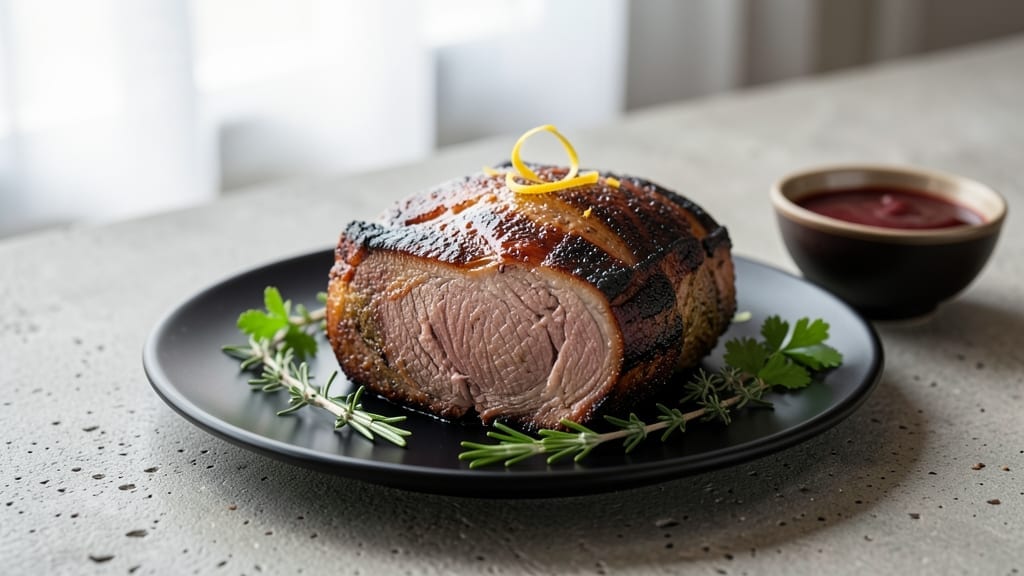
A smoked rib eye roast transforms a simple cut of beef into a showstopping centerpiece that commands attention at any table. The secret lies in low-and-slow smoking—where tender, melt-in-your-mouth meat develops a deep, smoky crust that shatters with every slice.
I’ve perfected this method over years of testing, ensuring the roast stays juicy while absorbing rich, wood-fired flavors. This isn’t just dinner; it’s an experience.
The process begins with a dry rub of coarse salt, black pepper, and garlic powder, which clings to the meat and caramelizes beautifully during smoking. Using hickory or oak wood (never fruitwoods like cherry) creates a classic, balanced smokiness without overpowering the beef.
The roast cooks at 225°F for 2–4 hours, depending on size, until it reaches 130–145°F internal temperature—medium-rare perfection. Resting for 20–30 minutes after smoking ensures every slice stays juicy.
What you’ll end up with is a roast so tender it nearly falls apart, with a crisp, bark-like crust that adds texture and depth. The aroma alone will have guests gathering before the first slice is served.
Pair it with roasted garlic mashed potatoes or grilled asparagus to complete the meal. This isn’t just a recipe; it’s a technique that elevates your smoking game forever.
For those who want to go further, a red wine reduction drizzled over the slices adds an elegant finish, while fresh rosemary sprigs on the plate tie everything together. The key is patience—rushing the process ruins the result.
Let the smoker do the work, and you’ll have a roast that rivals any steakhouse. Ready to smoke like a pro?
Ingredients for smoked rib eye roast
A single roast. Six servings of restaurant-quality beef that demands attention.
| Ingredient | Amount | Notes |
|---|---|---|
| Rib Eye Roast 🥩 | 5 lb | Bone-in for best flavor |
| Coarse Kosher Salt 🧂 | 2 tbsp | Diamond Crystal preferred |
| Black Peppercorns 🌶️ | 1 tbsp | Freshly cracked for aroma |
| Garlic Powder 🧄 | 1 tbsp | Not garlic salt |
| Hickory Wood Chips 🪵 | 1 lb | Soaked 30+ mins in water |
| Apple Cider Vinegar 🍏 | ¼ cup | For basting during smoke |
| Beef Broth 🍲 | 1 cup | Low-sodium preferred |
| Fresh Rosemary 🌿 | ¼ cup | Stems removed, chopped |
| Dry Red Wine 🍷 | ½ cup | Cabernet or Merlot |
| Butter 🧈 | ½ cup | Full-fat for richness |
| Fresh Rosemary Sprigs 🌿 | 4 whole | For garnish |
| Red Wine Reduction 🍷 | ¼ cup | For final drizzle |
[recipe_ingredient_scaler]
The rib eye roast is your star—bone-in cuts add depth and flavor that boneless can’t match. Look for USDA Prime if possible, but Choice grade works fine for home smokers. Costco and Whole Foods often carry well-marbled roasts ready for smoking. The key is fat content: marbling should be visible—that’s where the juiciness comes from. If you’re buying in bulk, Costco’s 5-lb roasts are a steal for feeding a crowd.
No hickory wood chips? Oak works just as well—it’s more neutral and pairs beautifully with beef. Apple cider vinegar in the basting spray adds sweetness that balances the smoke. Short on fresh rosemary? Dried works at half the amount, but the aroma isn’t the same. For the red wine, Cabernet Sauvignon gives structure while Merlot adds fruitiness. The beef broth keeps it moist—low-sodium is best so you control the saltiness.
Keep the roast wrapped in butcher paper while smoking to retain moisture, then uncover for the last hour to develop that crisp bark. Rest for 20-30 minutes before slicing—trust me, it’s worth the wait. The red wine reduction can be made ahead and stored in the fridge for up to 5 days. Portion the roast into meal prep containers for 4-5 days in the fridge or 3 months frozen. The aromas alone will make your kitchen smell like a steakhouse.
Why You’ll Love This Recipe
- I’ve got a secret: smoking a rib eye roast is way easier than I thought. Just pat that 5 lb bone-in roast bone dry, slap on that simple rub of coarse kosher salt, freshly cracked black peppercorns, and garlic powder, and let it sit for 30 minutes. Then it’s all about setting up the smoker—soak those hickory wood chips for 30+ minutes, preheat to 225°F, and let the magic happen while you prep sides. Honestly, the hardest part is resisting the urge to peek at the smoker every five minutes.
- No-Fuss Smoking: I’ve got a secret: smoking a rib eye roast is way easier than I thought. Just pat that 5 lb bone-in roast bone dry, slap on that simple rub of coarse kosher salt, freshly cracked black peppercorns, and garlic powder, and let it sit for 30 minutes. Then it’s all about setting up the smoker—soak those hickory wood chips for 30+ minutes, preheat to 225°F, and let the magic happen while you prep sides. Honestly, the hardest part is resisting the urge to peek at the smoker every five minutes.
- Chef’s Kiss Crust: That crispy, smoky bark? It’s not an accident. Pat-drying the roast first lets the smoke cling perfectly, and the fat cap you coat with the rub renders down into the meat like a natural basting. Add the hickory smoke and a little apple cider vinegar basting every hour, and you’ve got a crust so shatteringly crisp it’ll make your taste buds do a happy dance. The garlic powder and rosemary? They just deepen the flavor without overpowering—like a well-timed compliment.
- Feeds a Crowd, Lasts for Days: This isn’t just for Sunday dinners. A 5 lb rib eye roast feeds eight people easily, and the leftovers? They’re just as good the next day. Portion it out, and you’ve got lunch for five days or freezer meals for months. Plus, the red wine reduction can be made ahead and stored for up to five days—because nothing says “I care” like a glossy, flavorful drizzle on cold slices. My kids even ask for seconds (yes, even on a Tuesday night).
Step-by-step instructions for smoked rib eye roast
Here’s the method that delivers a perfectly smoked crust with melt-in-your-mouth tenderness every time.
Prepare and Season the Rib Eye Roast
Remove the 5 lb rib eye roast from the refrigerator and pat it dry completely with paper towels. I mean really dry—this is critical for that crackling crust. Focus on the thickest parts and any crevices where moisture might hide. The drier the surface, the better the smoke can penetrate and create that beautiful bark.
In a small bowl, combine 2 tbsp coarse kosher salt, 1 tbsp freshly cracked black peppercorns, and 1 tbsp garlic powder. This is your dry rub, and it’s essential for both flavor and moisture retention. Rub this mixture all over the roast, pressing it into the crevices and fat cap. The fat cap should be generously coated—this will render down and baste the meat during smoking. Let the seasoned roast sit at room temperature for 30 minutes before smoking. This ensures even cooking from edge to center.
Set Up the Smoker and Preheat
Soak the 1 lb hickory wood chips in water for at least 30 minutes before using. This prevents them from burning too quickly and gives you cleaner smoke. Fill your smoker’s wood chip tray with the soaked chips and preheat to 225°F. I like to use a two-zone setup if possible: place the roast in the cooler side of the smoker for the first 4-5 hours, then move it to the hotter side for the final 1-2 hours to develop that deep bark.
While the smoker heats up, prepare a basting mixture by combining 1 cup beef broth and ¼ cup apple cider vinegar in a small saucepan. Bring to a simmer and keep it warm. This acidic mixture helps tenderize the meat and adds a subtle tang to the crust. Once the smoker reaches 225°F and you see steady, thin blue smoke (not thick white), you’re ready to start smoking.
Smoke the Roast Low and Slow
Place the seasoned roast on the smoker grate, fat side up. This allows the rendered fat to baste the meat as it cooks. Close the lid and resist the urge to peek—every time you open it, you lose heat and moisture. Smoke the roast for 6-8 hours, maintaining a temperature between 225-250°F. Every hour, baste the roast with the warm beef broth mixture using a basting brush. This keeps the surface moist and helps develop the crust.
Here’s the thing—you’ll hit “the stall” around 165-170°F internal temperature. This is when the moisture in the meat evaporates faster than it can render, causing the temperature to plateau. Don’t panic; this is normal. When the internal temperature reaches 170°F, it’s time to wrap the roast in butcher paper (not foil). This technique, called the “Texas crutch,” helps push the roast through the stall while preserving that beautiful bark.
Finish with High Heat and Rest
Once the roast is wrapped, return it to the smoker and continue cooking until the internal temperature reaches 203°F. This usually takes another 2-3 hours, but don’t rush it—patience is key here. The high internal temperature ensures the meat is fork-tender and juicy. When it’s done, remove the roast from the smoker and let it rest for at least 1 hour before slicing. This resting period allows the juices to redistribute throughout the meat, ensuring every slice is moist and flavorful.
While the roast rests, prepare the finishing touches. In a small saucepan, melt ½ cup butter over low heat. Add ¼ cup fresh rosemary and ½ cup dry red wine, simmering for 2-3 minutes until the mixture is fragrant. Strain out the rosemary and drizzle this mixture over the sliced roast. For an extra touch, garnish with 4 fresh rosemary sprigs and a final drizzle of ¼ cup red wine reduction. The reduction adds a glossy finish and deepens the wine’s flavor.
Slice and Serve
Slice the roast against the grain into ½-inch thick slices. The grain direction will be visible as lines running through the meat. Slicing against the grain ensures each bite is tender and easy to chew. Arrange the slices on a warm platter and serve immediately. The crust should be dark and shatteringly crisp, while the interior remains juicy and pink in the center.
Pair this roast with roasted vegetables or a simple green salad to let the flavors of the meat shine. The combination of hickory smoke, rosemary, and red wine creates a depth of flavor that’s hard to match. Enjoy the fruits of your labor—every slice should be a testament to your patience and attention to detail.
Pro Tips For Making Smoked Rib Eye Roast
- Crack the Peppercorns Fresh: DESCRIPTION: I used to use pre-ground pepper, and the flavor was weak—like a ghost of what it could be. Freshly cracked black peppercorns add aroma and texture, so take 5 minutes before you start to crush them with a mortar and pestle or a heavy skillet. The extra effort makes a real difference in the first bite.
- Move It to the Hot Side: DESCRIPTION: That two-zone smoker trick isn’t just fluff—it’s how you get the crust without drying out the meat. After 4-5 hours at 225°F, shift the roast to the hotter side (closer to the heat source) for the last hour. That’s when the bark turns from pretty to shatteringly crisp.
- Skip the Foil Trap: DESCRIPTION: Wrapping in butcher paper at 170°F is non-negotiable, but foil is the enemy. It steams the meat instead of letting it breathe, and you’ll end up with a soggy crust. Trust me, the paper lets the smoke and fat work their magic while keeping the stall at bay.
- Prep the Wine Reduction Early: DESCRIPTION: Simmering the red wine, butter, and rosemary while the roast rests is genius, but I learned the hard way—don’t wait until the last minute. Make the reduction ahead (it keeps 5 days in the fridge) or even the day before. That way, you’re not scrambling to strain and drizzle when the meat’s ready. Your future self will thank you.
Best sauces and condiments for this dish
Classic Red Wine Reduction
The ½ cup dry red wine and ¼ cup red wine reduction from the recipe create the perfect glossy finish. Simmer ½ cup red wine with ¼ cup fresh rosemary and ½ cup butter for 2-3 minutes until reduced by half.
Strain out the rosemary, then drizzle generously over sliced roast. This adds depth and ties all the smoky, herby flavors together beautifully. 🍷
Smoky Balsamic Glaze
For a tangy twist, mix ¼ cup balsamic vinegar with 1 tbsp honey and 1 tsp smoked paprika. Simmer until reduced by half, then brush lightly over the sliced roast.
The smoky balsamic complements the hickory notes without overpowering them. I keep this glaze warm in a small saucepan while serving.
Garlic-Herb Butter
Melt ¼ cup butter with 2 minced garlic cloves, 1 tbsp chopped parsley, and a pinch of salt. Swirl this flavorful butter over each slice before serving. The garlic enhances the smoky profile while the herbs add freshness. This is my go-to for a restaurant-quality finish.
Spicy Horseradish Cream
Whisk ¼ cup sour cream with 1 tbsp prepared horseradish and ½ tsp black pepper. The sharpness cuts through the richness of the smoked beef, creating a perfect balance. Serve this creamy sauce on the side for guests who want a kick of heat. 🌶️
Rosemary-Infused Oil
Heat ¼ cup olive oil with 2 sprigs fresh rosemary until fragrant, then strain. Drizzle this aromatic oil over the roast just before serving. The subtle herbal notes echo the rosemary used in the recipe, adding another layer of complexity to each bite.
Nutrition facts
Frequently asked questions
Why does the recipe call for a 5 lb bone-in rib eye roast?
The bone-in cut delivers unmatched flavor depth and tenderness that boneless roasts can’t match. The bones add richness as they slowly cook, infusing the meat with savory notes. Plus, the 5 lb size ensures generous servings while maintaining even cooking throughout. Bone-in is absolutely worth the extra effort!
What if my smoker doesn’t reach 225°F consistently?
Use a two-zone setup if possible – place the roast in the cooler side for the first 4-5 hours, then move it to the hotter side for the final hour. This maintains steady 225-250°F temperatures. If your smoker struggles, add more wood chips or use a pellet smoker for more precise control. Consistency is key for that perfect bark!
Can I skip the butcher paper wrap during the stall?
Not recommended! The butcher paper wrap at 170°F helps push the roast through “the stall” while preserving the crust. Foil traps moisture and softens the bark. The paper allows steam to escape while keeping the meat moist. This technique gives you both tenderness and that signature smoky crust.
How do I know when the roast is done if I don’t have a meat thermometer?
Press gently on the thickest part – it should feel firm but yield slightly like a well-cooked steak. The surface should be dark and crispy while the center feels warm. For medium-rare, the roast should be pink inside with a slight spring back when pressed. This takes practice but becomes intuitive with experience!
What’s the best way to reheat leftovers?
Slice the roast first, then reheat individual portions in a 350°F oven for 10-15 minutes until warm. Alternatively, use a skillet over medium heat for 2-3 minutes per side. Avoid microwave reheating as it dries out the meat. The crust won’t be as crisp but will still be delicious!

Trained in classic French technique but raised on slow-cooked ribs and spicy rubs, she blends culinary skill with smoke and soul.
- Chinese Braised Beef Brisket with Daikon Recipe: Silky Tender Meat and Crunchy Roots - October 18, 2026
- Oklahoma Joe’s Smoked Beans Recipe: Slow-Smoked Flavor That Rivals the Original - October 18, 2026
- Beef Brisket Chili Recipe: Slow-Simmered Richness with Deep Flavor Layers - October 18, 2026