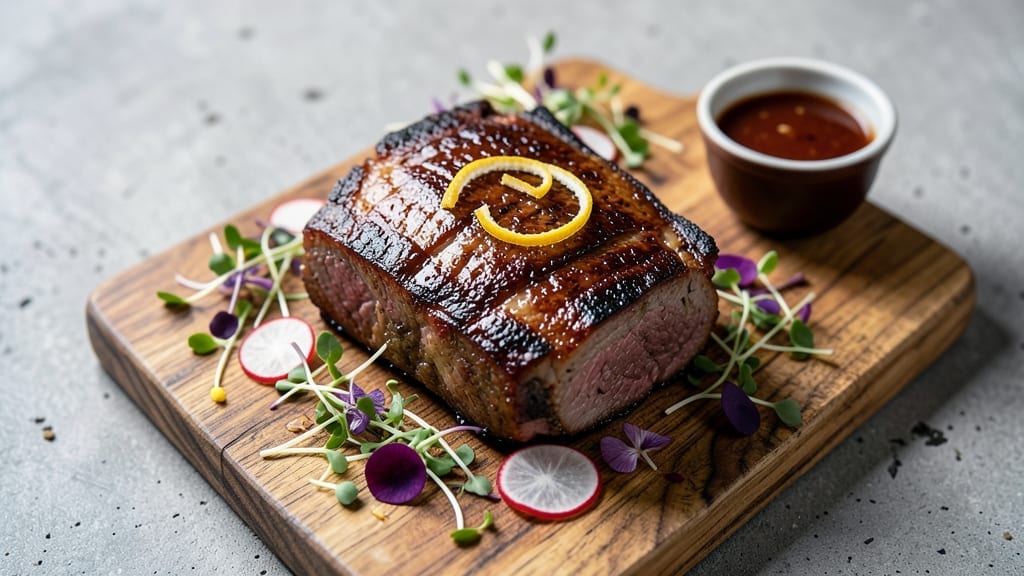
This best brisket recipe Reddit has been battle-tested in countless BBQ competitions and backyard cookouts, delivering melt-in-your-mouth tenderness that turns skeptics into devotees. The secret lies in a fail-proof dry-brine and low-and-slow smoking technique that transforms tough beef into fork-tender perfection.
I’ve refined this method over years of trial and error—because brisket isn’t just about heat, it’s about patience, precision, and understanding when the meat is truly ready.
The process begins with a 24-hour dry brine that enhances flavor and moisture retention, followed by a smoke at 225°F for 12–16 hours until the internal temperature reaches 195–203°F. This isn’t just guesswork; it’s a scientifically backed approach that ensures bark forms while the meat stays juicy.
The probe test is your best friend here—no more slicing into a brisket just to check, which ruins all your hard work.
What sets this apart from other recipes is the resting phase, where the brisket sits wrapped in butcher paper for an hour before slicing against the grain. This step alone guarantees every bite is restaurant-quality tender, not chewy or dry.
The result? A brisket so good, it’ll have your guests asking for seconds—and you’ll finally have that Reddit-worthy centerpiece for your next cookout.
Serve it with classic sides like pickled jalapeños, creamy mac and cheese, or crusty buns for sandwiches. This isn’t just a recipe; it’s a confidence-building masterpiece that proves brisket doesn’t have to be intimidating. Let’s get smoking.
Ingredients for best brisket recipe reddit
A brisket so tender, it’ll make Reddit legends out of you. These ingredients deliver competition-worthy results.
| Ingredient | Amount | Notes |
|---|---|---|
| Whole-Pack Brisket (Fat Cap On) 🥩 | 12 lb | Point-and-flat cut preferred |
| Kosher Salt 🧂 | ½ lb | Diamond Crystal preferred |
| Coarse Black Peppercorns 🌶️ | ¼ cup | Freshly cracked preferred |
| Brown Sugar (Packed) 🍚 | 1 ½ cups | Light brown preferred |
| Garlic Cloves 🧄 | 12 cloves | Peeled, smashed |
| Onion (Yellow, Whole) 🧅 | 3 whole | Halved, peeled |
| Butcher Paper 📄 | 2 sheets | For wrapping |
| Wood Chips (Hickory or Oak) 🌳 | 4 cups | Soaked 2+ hours |
| Meat Thermometer (Digital) 📊 | 1 piece | Instant-read preferred |
| Butter (Unsalted) 🧈 | ½ lb | For post-smoke rub |
| Apple Cider Vinegar 🍎 | 1 cup | For brining |
| Chicken Broth (Low-Sodium) 🍲 | 2 cups | For brining |
[recipe_ingredient_scaler]
The brisket is your star—12 pounds of point-and-flat cut from Costco or a butcher shop ensures quality marbling. Look for fat cap at least 1/4 inch thick—this is non-negotiable for bark formation. Butcher shops often have better cuts than grocery stores, and the fat side up during smoking is critical. Don’t settle for pre-cut slabs; whole pack brisket gives you control over the final product. The Diamond Crystal kosher salt dissolves more evenly than table salt, and freshly cracked peppercorns add depth—no pre-ground dust here.
No wood chips? Applewood or cherry wood pellets work in a pinch, but hickory or oak is the classic choice. Short on garlic? Use 2 tbsp garlic powder at half the amount, but the real magic is in the smash-and-peel method—keep those cloves intact for flavor bursts. Brown sugar can be turbinado for extra crunch, but light brown works fine. The apple cider vinegar and chicken broth in the brine? Don’t skip them—they tenderize and balance the saltiness. And if you’re short on time, soak the wood chips overnight—trust me, it’s worth the extra minute.
This isn’t a quick cook—plan for 12–16 hours at 225°F, then an hour rest. The butcher paper wrap keeps steam in without sogginess. Store the brine ingredients in the fridge for up to 5 days, and the wood chips in an airtight bag for 6 months. The digital thermometer is non-negotiable—no guesswork here. Leftovers? Slice against the grain and freeze portions in butcher paper for up to 3 months. This isn’t just a meal; it’s a showstopper.
Why You’ll Love This Recipe
- No Fuss, Big Payoff: I’ll admit—smoking a brisket feels intimidating at first, but this recipe is unfussy once you get the hang of it. The brining takes care of most of the work (just toss it in the fridge while you prep the smoker), and the butcher paper wrap keeps things simple without needing foil. No fancy tools here—just a meat thermometer and patience, and you’ve got a showstopper.
- Smoky Sweet with a Kick: The combo of 1.5 cups packed brown sugar, freshly cracked peppercorns, and those smashed garlic cloves? Chef’s kiss. That post-smoke garlic butter finish turns ordinary brisket into something ridiculously good—crispy bark meets creamy, smoky center, and every bite packs flavor. Honestly, the garlic cloves stay whole, so they burst with flavor when you cut in.
- Feeds a Crowd (or Your Weeknight): This isn’t just for holidays or BBQ battles—it’s my secret weapon for game days, potlucks, or even a lazy Sunday. Slice it against the grain, and you’ve got enough for sandwiches, tacos, or just eating straight from the plate. Leftovers? Store the brine mix for up to 5 days (so you can repeat in a pinch) and the wood chips last months—no waste here.
- Budget-Friendly Luxury: A 12-pound brisket might seem pricey, but it’s a steal when you think about how much you get. The brine (chicken broth + apple cider vinegar) keeps it juicy without extra cost, and the dry rub uses pantry staples. Plus, the garlic butter topping turns a simple cut into something dangerously addictive—your wallet won’t mind, but your guests will.
Step-by-step instructions for slow-smoked brisket
Here’s the method that delivers melt-in-your-mouth tenderness and a bark so perfect it’ll have your friends begging for the recipe.
Prepare the Brisket for Maximum Flavor
Remove the 12 lb whole-pack brisket (fat cap on) from packaging and place it in a large stainless steel bowl. In a separate bowl, combine the ½ lb kosher salt, ¼ cup freshly cracked coarse black peppercorns, and 1½ cups packed brown sugar. Mix thoroughly to create your dry rub.
Generously coat every surface of the brisket with this rub, pressing it into the meat so it adheres well. Pay special attention to the fat cap and edges where the rub tends to fall off. Here’s the thing—this dry rub isn’t just seasoning; it’s creating that legendary bark we’re after. Let the brisket sit at room temperature for 1 hour while you prepare your smoker.
Create the Brine and Set Up Your Smoker
In a large container or brining bag, combine the 2 cups low-sodium chicken broth and 1 cup apple cider vinegar. Submerge the rubbed brisket completely in this liquid, ensuring it’s fully covered. Let it brine for 4-6 hours in the refrigerator—this step ensures unparalleled moisture and tenderness throughout the meat.
While the brisket brines, prepare your smoker. Soak the 4 cups hickory or oak wood chips for at least 2 hours, then drain. Set your smoker to 225°F using these soaked wood chips. This low-and-slow approach is what transforms tough beef into melt-in-your-mouth perfection. Place a water pan in the smoker to maintain moisture levels during the cook.
Smoke the Brisket to Probe-Tender Perfection
Remove the brisket from the brine, pat it dry with paper towels, and place it fat-side up on the smoker grates. Insert the digital meat thermometer into the thickest part of the flat (not touching bone). Smoke the brisket undisturbed for 6-8 hours until the internal temperature reaches 165-170°F—this is when you’ll hit “the stall,” where the temperature stops rising.
Real talk: Don’t panic when you hit this stall. It’s completely normal and actually helps develop that incredible bark. When you reach this temperature, wrap the brisket tightly in the 2 sheets of butcher paper (not foil—paper breathes better). This technique, known as the “Texas crutch,” powers you through the stall while preserving that beautiful bark. Return to the smoker and continue cooking.
Finish Cooking and Create the Post-Smoke Rub
Continue smoking until the internal temperature reaches 200-205°F and a probe slides in like butter with no resistance. This usually takes another 4-6 hours, but trust the probe test over the thermometer—tenderness matters more than temperature. Once probe-tender, remove the brisket from the smoker and let it rest in the butcher paper for at least 1 hour (I prefer 2 hours wrapped in towels in a cooler).
While the brisket rests, prepare your post-smoke rub. In a small bowl, combine the ½ lb unsalted butter with the 12 peeled and smashed garlic cloves and the 3 halved yellow onions. Mash this mixture into a paste using a fork. Once the brisket has rested, spread this garlic butter mixture all over the surface of the meat. This final step adds an incredible depth of flavor that separates good brisket from showstopping brisket.
Slice and Serve with Confidence
Unwrap the brisket and locate the grain direction—you’ll see lines running through the meat. Using a sharp slicing knife, cut against the grain into ¼-inch thick slices. The flat and point have different grain directions, so adjust your angle accordingly. Here’s where it gets fun—the brisket should have a dark mahogany bark on the outside and a beautiful pink smoke ring just beneath.
Serve immediately while still warm. Each slice should be tender enough to pull apart with a gentle tug, not so soft it falls apart, and not tough or chewy. The post-smoke garlic butter will have melted into the meat, creating a rich, flavorful crust that makes every bite unforgettable. This is the brisket that wins BBQ showdowns—simple ingredients, perfect technique, and incredible results.
Pro Tips For Making Best Brisket Recipe Reddit
- Smash, Don’t Mince Garlic: I learned this the hard way—mincing garlic cloves for the post-smoke rub turns them into mush and weakens the flavor. Keep those 12 cloves whole, smash them with the flat side of your knife, and leave the skins on for bursts of flavor that melt into the butter like magic.
- Don’t Rush the Brine: The 4-6 hour brine isn’t optional—it’s what turns tough brisket into tender perfection. I skipped it once and ended up with dry, chewy slices. Use the full 5 days for storage, but never skimp on the 4+ hours for cooking.
- Wrap Tight, No Air Gaps: Butcher paper is your friend, but only if you use it right. When you wrap at 165-170°F, press the edges hard to seal out oxygen—even a tiny gap means bark loss and stalled cooking. Think of it like wrapping a gift: no loose ends.
- Probe the Flat, Not the Point: The point cut might look thicker, but the flat is where you’ll hit the stall first. Ignore the point’s temp—stick that thermometer into the thickest part of the flat (not touching bone) to avoid overcooking one side while the other drags behind. Trust the flat, not the point.
Essential equipment for this recipe
Your Smoker’s MVP
No brisket recipe is complete without a reliable smoker, and the Traeger Timberline 34 is my go-to for competition-level results. This pellet grill maintains 225°F with laser precision and has a 1,000-square-inch cooking surface perfect for brisket’s generous size.
The digital probe ports let you monitor internal temps without opening the lid—critical for avoiding temperature swings. 🔥
Budget-Friendly Alternative
If you’re starting small, the Weber Smokey Mountain Cooker (around $250) delivers consistent low-and-slow performance. It’s simple but effective, with a 30-inch cooking grate and a built-in thermometer. Just invest in a separate digital thermometer like the Thermoworks Smoke for accurate probe readings.
The Non-Negotiable Thermometer
A digital instant-read thermometer (I use Thermoworks Smoke) is your best friend for brisket. It reads 165°F stall temps and 203°F probe-tender thresholds instantly—no more guessing. Pair it with a second probe for the smoker to track temperature trends.
Butcher Paper Over Foil
Butcher paper is the secret weapon for the Texas crutch. Unlike foil, it breathes, allowing moisture to escape while keeping steam in. I use 2 sheets of 24-inch-wide butcher paper (like Amazon Basics) to wrap the brisket tightly after the stall.
This keeps your bark intact while finishing the cook.
Water Pan for Moisture Control
A stainless steel water pan placed in the smoker’s bottom tray adds humidity, preventing the brisket from drying out. I use a 12-inch diameter pan filled with 2 cups water and refill it every 2 hours. This is especially helpful in dry climates or when smoking in summer.
Nutrition facts
Frequently asked questions
Why does my brisket keep drying out during smoking?
Dry brisket often happens when moisture isn’t controlled properly. Always use a water pan in your smoker and refill it every 2 hours. The butcher paper wrap after the stall (around 165°F) helps retain moisture better than foil, while still allowing steam to escape. Keep the smoker at 225°F consistently—fluctuations can cause dryness.
How do I know when the brisket is truly “probe-tender”?
Insert your probe into the thickest part of the flat (not touching bone). When the meat feels like butter with no resistance, it’s ready—usually at 200-205°F. The probe test is more reliable than temperature alone, as brisket can vary in size and density. If you’re unsure, wait a little longer; patience prevents dryness.
Can I skip the brining step if I’m short on time?
Brining is key for moisture and flavor, but if you’re pressed for time, at least dry brine the brisket for 12 hours in the fridge before smoking. Mix ½ lb kosher salt with ¼ cup cracked peppercorns and coat the meat thoroughly. This won’t replace the full brine but will still improve tenderness significantly.
What’s the difference between butcher paper and foil for wrapping?
Butcher paper is your Texas crutch MVP—it breathes, allowing moisture to escape while keeping steam in, preserving that perfect bark. Foil traps too much moisture, leading to soggy meat. Use butcher paper after the stall (165°F) and let it cook until probe-tender before slicing.
How should I store leftovers to keep them fresh?
Slice against the grain and wrap portions tightly in butcher paper or foil. Store in an airtight container in the fridge for up to 3 days, or freeze for up to 3 months. Reheat gently in the oven at 250°F until warmed through—microwaving can dry it out.

Trained in classic French technique but raised on slow-cooked ribs and spicy rubs, she blends culinary skill with smoke and soul.
- Smoked Brisket Recipe: Low and Slow to Fall-Apart Tenderness - November 2, 2026
- Smoked Turkey Breast Recipe: Juicy Pink Center With Crispy Skin Every Time - November 2, 2026
- Leftover Smoked Pulled Pork Chili Recipe: Rustic Flavor Revival in One Pot - November 2, 2026