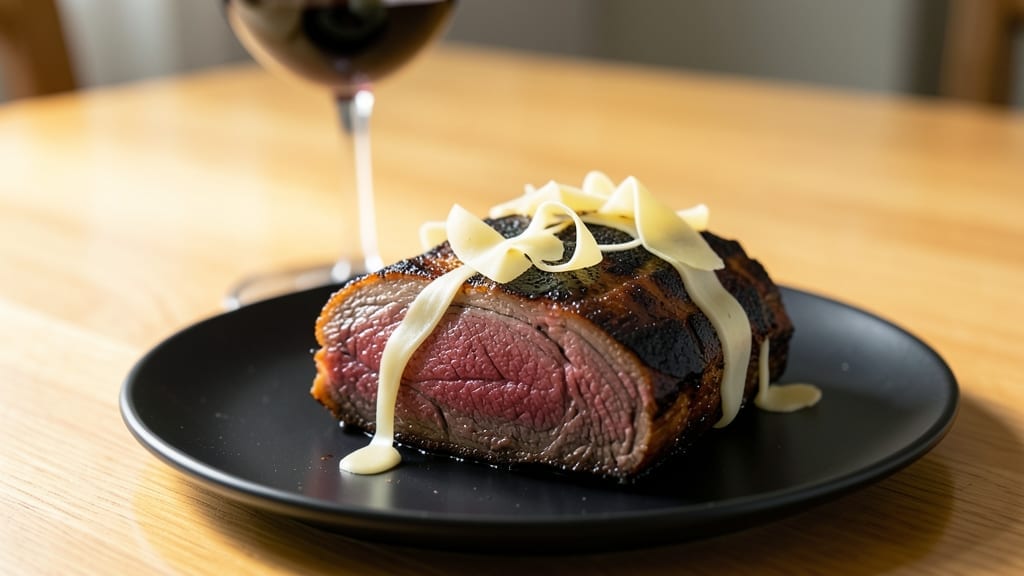
This best smoked prime rib roast recipe ever—the one with the perfect balance of juicy crust and pink center—has become my signature holiday centerpiece, and now I’m sharing exactly how to achieve it after years of perfecting the technique.
The secret lies in a dry brine that tenderizes the meat while keeping it moist, paired with a precise smoking method that builds flavor without drying it out. I developed this recipe during a Thanksgiving when my family’s expectations were high, and I refused to serve anything less than restaurant-quality.
What sets this apart is the combination of low-and-slow smoking at 225°F with oak or hickory wood, followed by a quick sear to lock in juices—no guesswork, just science-backed results.
The key is patience: smoking for 1 to 2 hours per pound ensures even cooking, while a 15-minute rest before slicing guarantees every bite stays tender. This isn’t just a recipe; it’s a method that transforms a simple roast into a showstopper.
The result is a prime rib with a deep mahogany crust, a perfectly pink interior (120–125°F internal temp), and a flavor so rich it’ll have your guests asking for seconds.
Pair it with a classic au jus, roasted root vegetables, or creamy mashed potatoes for a meal that feels like a five-star dinner. Whether you’re hosting a holiday feast or treating yourself to a special night in, this recipe delivers foolproof, show-stopping results every time.
Pro tip: Let the roast rest uncovered on a cutting board—this keeps it warm while preventing moisture loss. And if you’re nervous about slicing, I’ll walk you through the exact technique to ensure clean, even cuts. Here’s how to make it happen.
Ingredients for best smoked prime rib roast recipe ever
Game-changer ingredients for that restaurant-quality prime rib every time—juicy crust, pink perfection guaranteed.
| Ingredient | Amount | Notes |
|---|---|---|
| Prime Rib Roast 🥩 | 6 lb | Bone-in, center-cut preferred |
| Kosher Salt 🧂 | ½ cup | For dry brine, coarse grain |
| Freshly Ground Black Pepper 🌶️ | 2 tbsp | Coarse grind for texture |
| Oak or Hickory Wood Chips 🌳 | 1 lb | Unseasoned, for smoking |
| Yellow Onion 🧅 | 1 whole | Sliced for au jus base |
| Garlic Cloves 🧄 | 6 cloves | Smashed for au jus |
| Beef Broth 🍲 | 2 cups | Low-sodium, for au jus |
| Red Wine 🍷 | 1 cup | Bold, dry variety |
| Unsalted Butter 🧈 | ½ cup | Cold, cubed for sear |
| Fresh Rosemary 🌿 | ¼ cup | Chopped, for rub |
| Fresh Thyme 🌿 | ¼ cup | Chopped, for rub |
| Olive Oil 🫒 | 2 tbsp | For crust enhancement |
| Balsamic Vinegar 🍶 | 1 tbsp | For au jus depth |
[recipe_ingredient_scaler]
The prime rib is non-negotiable here. Bone-in, center-cut from Costco or Whole Foods delivers the best marbling and flavor—skip the pre-sliced stuff. Look for a roast with a thick fat cap (at least 1/2 inch) for that showstopping crust. If you’re buying from a butcher, ask for the prime grade with a 1.5-inch thickness—this ensures even cooking and maximum juiciness. I always buy mine the day before and let it sit uncovered in the fridge to dry-brine naturally, but we’ll add extra salt for insurance.
No oak or hickory chips? Pecan or cherry wood works in a pinch, but oak is the classic choice for that deep, smoky flavor. The red wine in the au jus can be swapped for beef broth with a splash of balsamic if you’re avoiding alcohol. Fresh rosemary and thyme are ideal, but dried works at one-third the amount if you’re in a bind. For the butter sear, use full-fat, unsalted—none of that low-fat nonsense. And if you’re nervous about the crust, brush on a little olive oil right before searing for extra richness.
This roast needs patience—1 to 2 hours per pound at 225°F, then a quick sear. Let it rest 15 minutes uncovered before slicing, or all the juices will run out. The au jus keeps for 5 days in the fridge, and the roast reheats beautifully—just warm it in the oven with a splash of broth. For leftovers, slice thin and serve on sandwiches or with mashed potatoes. The wood chips? Save any extras in an airtight container for your next smoke session.
Why You’ll Love This Recipe
- No-Fuss Smoking: Honestly, this is the only prime rib method that doesn’t feel like a weekend marathon. The dry brine overnight is the only real prep—just salt, pepper, and patience. No chopping herbs by the handful or fiddling with marinades. I’ll be real: you can prep this while watching a movie, and it still turns out restaurant-worthy.
- Crust Meets Cream: That crispy bark from the dry brine? Chef’s kiss. But here’s what really sells it: the smoky depth from the oak or hickory wood chips paired with the buttery sear and herbed crust. Slice it open and you get that perfect pink center with the richest au jus—red wine, garlic, and balsamic? Trust me, it’s the kind of flavor that makes people ask for seconds (and thirds).
- Crowd-Pleaser for Any Moment: Not just for holidays—this roast shines at a backyard BBQ, a Friday night date night, or even a casual Sunday dinner. The au jus reheats like a dream, so you can make it ahead and just pop it in the oven. My daughter insists on picking the fresh rosemary and thyme, but even she’ll fight over the leftovers. It’s that good.
- Leftovers That Outshine the Main: The au jus alone keeps for five days, and honestly, it’s even better the next day—thicker, richer. Slice the roast into sandwiches or wraps, or reheat it with a splash of broth for a quick lunch. I’ll be real: my freezer is always full of prime rib sandwiches because this is the only recipe where leftovers taste better than the first serving.
Step-by-step instructions for smoked prime rib roast
Here’s how to transform your prime rib into showstopping perfection—crispy crust, pink center, and rich flavor.
Dry Brine the Prime Rib Overnight
Pat the 6 lb prime rib roast completely dry with paper towels, then rub it generously with the ½ cup kosher salt and 2 tbsp freshly ground black pepper. I press the salt into the meat to ensure even distribution—this creates that incredible crust later. Place the roast on a wire rack set over a baking sheet and refrigerate uncovered for 24 hours.
The dry brine works magic by drawing out moisture, which evaporates during smoking, creating that legendary crispy bark. After 24 hours, remove the roast from the fridge and let it sit at room temperature for 1 hour before smoking. This final step ensures even cooking from edge to center.
Smoke the Prime Rib Low and Slow
Set up your smoker with the 1 lb oak or hickory wood chips and preheat to 225°F. Place the roast fat-side up on the smoker grate—this allows the rendered fat to baste the meat as it cooks. Smoke for 4 hours, then increase the temperature to 250°F and continue smoking for an additional 2-3 hours, or until the internal temperature reaches 115°F.
Here’s the thing—don’t peek! Every time you open the smoker door, you lose heat and moisture. The roast should develop a beautiful dark crust and a pink smoke ring just beneath the surface. When the internal temperature hits 115°F, remove the roast and let it rest for 1 hour before proceeding to the next step.
Prepare the Au Jus Base
While the roast rests, heat the 2 tbsp olive oil in a large skillet over medium heat. Add the sliced 1 yellow onion and smashed 6 garlic cloves, cooking for 5 minutes until softened. Deglaze the pan with the 1 cup red wine, scraping up all the browned bits from the bottom. Simmer for 3 minutes to reduce slightly, then add the 2 cups beef broth and 1 tbsp balsamic vinegar.
Bring the mixture to a gentle boil, then reduce heat to low and simmer for 10 minutes until slightly thickened. This rich, flavorful base will later become the perfect au jus to drizzle over your prime rib slices. Keep it warm until you’re ready to serve.
Sear and Baste the Prime Rib
Preheat your oven to 400°F. Remove the prime rib from the smoker and place it fat-side up on a wire rack set in a roasting pan. Rub the roast with the ½ cup unsalted butter, then sprinkle evenly with the ¼ cup chopped fresh rosemary and ¼ cup chopped fresh thyme. Sear in the oven for 15 minutes to develop a deep, golden crust.
After searing, baste the roast with its own rendered fat and any accumulated juices from the pan. Return it to the oven and cook for an additional 15-20 minutes, or until the internal temperature reaches 125°F. This final step ensures a perfect medium-rare doneness with a juicy pink center.
Rest and Slice for Maximum Juiciness
Remove the prime rib from the oven and let it rest for 15 minutes. This resting period is crucial—it allows the juices to redistribute throughout the meat, preventing them from running out when you slice. While the roast rests, skim any fat from the au jus base and strain it if you prefer a smoother sauce.
Slice the prime rib against the grain into ½-inch thick slices. Each slice should have a beautiful pink center and a crispy, caramelized exterior. Serve immediately with the au jus drizzled generously over the top. The combination of the smoky crust, tender meat, and rich sauce is truly unforgettable—this is why it’s considered the best smoked prime rib recipe ever!
Pro Tips For Making Best Smoked Prime Rib Roast Recipe Ever
- Don’t Rush the Brine: I learned this the hard way—skipping the full 24 hours means the salt doesn’t penetrate deep enough, and your crust will be lackluster. Trust the process: let that roast sit uncovered in the fridge, even if you’re tempted to rush it.
- Keep the Smoker Closed: Every time you crack that smoker door, you’re stealing heat and moisture. After the first 4 hours at 225°F, resist the urge to peek—just let it smoke undisturbed until that internal temp hits 115°F. Patience here is what builds that perfect smoke ring.
- Slice the Onion Thin: Thick onion slices won’t caramelize properly in the au jus, leaving you with a watery base instead of a rich, jammy foundation. Cut them paper-thin so they soften and meld into the wine and broth in those critical 5 minutes of cooking.
- Use Cold Butter for Searing: Cold cubed butter on the roast melts into a basting sauce during the oven sear, locking in flavor and moisture. If you warm it first, you’ll end up with greasy steam instead of a glossy, golden crust—trust me, it makes all the difference.
Perfect pairings for this dish
Classic Au Jus Drizzle
This rich, smoky au jus is the perfect complement to your prime rib—it’s what turns a great meal into a showstopper. While the roast rests, simmer 1 cup red wine, 2 cups beef broth, and 1 tbsp balsamic vinegar with sautéed onions and garlic until reduced.
Strain it for a silky texture, then drizzle generously over each slice. I like to add a pinch of Worcestershire sauce for depth—just ½ tsp works wonders. 🍷
Roasted Root Vegetables
For a rustic touch, roast 2 lbs baby potatoes, 1 lb carrots, and 1 lb parsnips with 2 tbsp olive oil, 1 tsp rosemary, and ½ tsp salt at 400°F for 30-40 minutes.
The caramelized edges pair beautifully with the smoky crust. I often toss them with a squeeze of lemon right before serving. 🥕
Creamy Mashed Potatoes
Nothing beats the classic combo of prime rib and creamy mashed potatoes. Mash 2 lbs Yukon Gold potatoes with ½ cup unsalted butter, 1 cup warm milk, and ½ tsp salt.
For extra richness, stir in ¼ cup sour cream or ½ cup grated Gruyère cheese. I always keep a bowl ready—I promise your guests will ask for seconds. 🥔
Crispy Smashed Potatoes
If you want a fun twist, try smashed potatoes with 1 lb fingerling potatoes, 2 tbsp olive oil, 1 tsp garlic powder, and ½ tsp smoked paprika.
Roast at 425°F for 25 minutes, then smash them with a glass bottle. Drizzle with truffle oil and sprinkle with chopped parsley for a gourmet touch. 🥔✨
Wine Pairing Magic
A bold Cabernet Sauvignon or Syrah cuts through the richness of the prime rib while complementing its smoky notes. I reach for a Napa Valley Cab with dark fruit flavors—it’s my go-to for this dish.
For a lighter option, a Pinot Noir adds elegance without overpowering. Never serve a cheap red with prime rib—trust me on this. 🍇
Nutrition facts
Frequently asked questions
Why does the recipe call for a dry brine instead of a wet marinade?
The dry brine creates that legendary crispy crust by drawing out moisture from the meat, which evaporates during smoking. This process concentrates the flavor and helps develop the perfect bark without making the roast tough. Wet marinades can add unnecessary moisture, which isn’t ideal for a low-and-slow smoked dish like prime rib. The 24-hour dry brine ensures even seasoning and tenderness throughout.
How do I know when the prime rib is done without cutting into it?
Use a meat thermometer to check the internal temperature. For medium-rare, aim for 125°F after the final sear. The roast should also have a deep pink center and a beautiful mahogany crust. If you’re unsure, trust the thermometer—it’s the most reliable method. Don’t guess by color alone, as smoked meat can look done earlier than it actually is.
Can I skip the searing step in the oven?
While you can skip the sear, it’s not recommended. The 15-minute sear at 400°F develops that irresistible golden crust and locks in the juices. Without it, your roast will lack the depth of flavor and texture that makes this dish unforgettable. Think of it as the finishing touch that takes your prime rib from good to showstopping.
What’s the best way to slice prime rib for maximum juiciness?
Slice against the grain into ½-inch thick slices after letting the roast rest for 15 minutes. This prevents tough fibers and keeps the meat tender. Use a sharp knife and cut slowly to avoid tearing the meat. The rest is crucial—it allows the juices to redistribute, so never skip this step!
How can I reheat leftovers without drying out the prime rib?
Place slices in a 325°F oven with a splash of beef broth in a dish below. Cover loosely with foil and reheat for 10-15 minutes. This keeps the meat moist and warm. Avoid microwaving, as it can make the meat rubbery. The au jus reheats beautifully too—just warm it gently on the stove.

Trained in classic French technique but raised on slow-cooked ribs and spicy rubs, she blends culinary skill with smoke and soul.
- Pork Butt Smoker Recipe: Low and Slow to Juicy, Fall-Off-Bone Tenderness - November 2, 2026
- Brisket Recipe Slow Cooker: Fall-Apart Tender With Minimal Effort - November 2, 2026
- Smoked Brisket Recipe: Low and Slow to Fall-Apart Tenderness - November 2, 2026