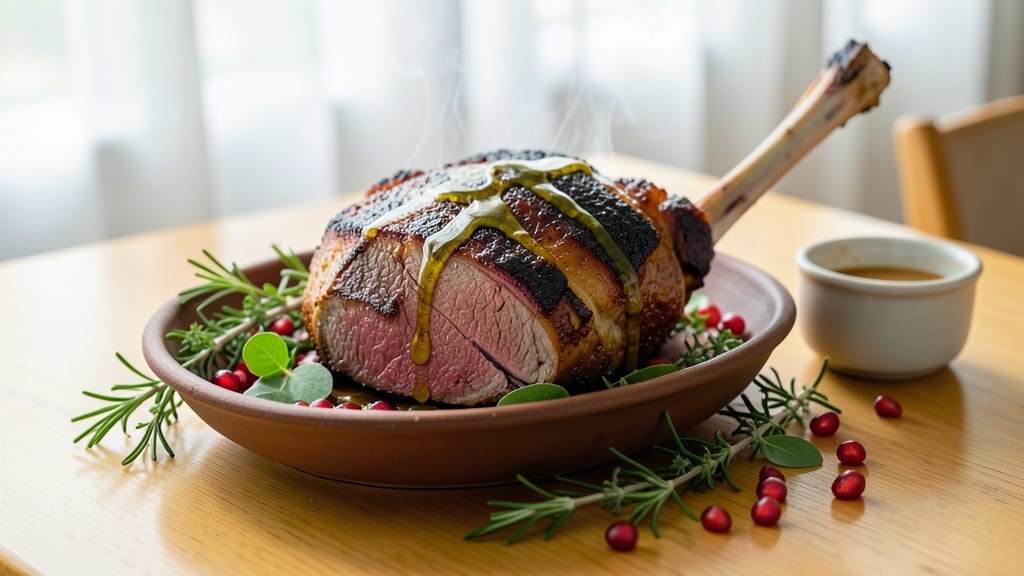
Mastering this bone-in prime rib roast smoker recipe turns a simple cut into a showstopping centerpiece with a juicy interior and a deep, smoky crust that rivals any steakhouse. The key lies in precise temperature control and patience—low-and-slow smoking ensures the meat stays tender while developing that coveted bark.
I’ve perfected this method over years of trial and error, and it delivers results that impress even the most discerning guests. Every bite offers a perfect balance of rich beef flavor and aromatic wood notes, making it ideal for holiday feasts or special occasions.
This recipe relies on a foolproof approach that works for both beginners and experienced smokers. You’ll need a reliable smoker, quality hardwood (like oak or hickory), and a meat thermometer to monitor internal temperatures accurately.
The bone-in cut adds natural moisture and flavor, while the smoker creates a tender, melt-in-your-mouth texture that’s impossible to resist. With just a few hours of hands-off cooking, you’ll achieve a prime rib that’s as impressive as it is delicious.
The secret to success is maintaining a consistent 225°F temperature throughout the smoking process, which allows the collagen to break down slowly and the fat to render evenly.
I recommend basting the roast occasionally with a simple blend of beef broth and melted butter to enhance the crust and keep the exterior moist.
Once the internal temperature reaches 130°F for medium-rare (or your preferred doneness), it’s time to rest the meat—this critical step ensures all the juices redistribute for maximum tenderness.
Serve your bone-in prime rib with classic sides like roasted garlic mashed potatoes, caramelized onions, or a tangy horseradish cream sauce to complement the rich flavors. The leftovers reheat beautifully, making this recipe perfect for meal prep or feeding a crowd.
Whether you’re grilling for a holiday gathering or treating yourself to a luxurious dinner, this smoker recipe delivers restaurant-quality results at home.
Ingredients for bone in prime rib roast smoker
A showstopping cut meets smoky magic—this bone-in prime rib transforms ordinary into legendary.
| Ingredient | Amount | Notes |
|---|---|---|
| Bone-In Prime Rib Roast 🥩 | 8 lb | Center-cut, bone-in preferred |
| Oak Wood Chips 🌳 | 1 lb | Hardwood, soaked in water |
| Beef Broth 🍲 | 1 cup | Low-sodium preferred |
| Unsalted Butter 🧈 | ½ cup | Melted for basting |
| Kosher Salt 🧂 | 2 tbsp | Diamond Crystal preferred |
| Freshly Ground Black Pepper 🌶️ | 1 tbsp | Coarse grind |
| Garlic Cloves 🧄 | 4 cloves | Minced for basting |
| Apple Cider Vinegar 🍎 | 2 tbsp | For basting blend |
| Meat Thermometer 📊 | 1 piece | Digital probe preferred |
| Butcher Paper 📄 | 1 sheet | For wrapping during rest |
| Aluminum Foil 🔥 | 1 sheet | For smoker tray |
| Hickory Wood Chips 🌳 | ½ lb | Alternative to oak |
| Rosemary Sprigs 🌿 | 4 sprigs | Fresh for aroma |
| Thyme Leaves 🍃 | 1 tbsp | Dried or fresh |
[recipe_ingredient_scaler]
The prime rib is everything—center-cut, bone-in for maximum flavor and tenderness. Costco or high-end butchers carry the best quality, with good marbling and a bright red color. I always buy it a day ahead and let it sit at room temperature for 1 hour before smoking, which helps it cook more evenly. The wood chips? Oak is classic, but hickory adds a bolder smoke flavor—just make sure they’re soaked in water for 30 minutes before using. For the herbs, fresh rosemary and thyme give the best aroma, but dried works in a pinch—just halve the amount. The meat thermometer is non-negotiable; a digital probe gives you the most accurate readings.
No oak wood chips? Hickory or pecan work beautifully, though they impart a slightly different flavor profile. Short on beef broth? Water plus 1 tbsp soy sauce mimics the umami depth. The apple cider vinegar in the basting blend is key for that tangy brightness—don’t skip it. Want to add more complexity? Crush 1-2 garlic cloves directly onto the roast before smoking. The kosher salt is important here—Diamond Crystal dissolves better than table salt, so you get even seasoning throughout. And if you’re worried about the butter basting, just use the beef broth alone—it still works, but the butter adds richness that’s worth the extra step.
This roast is best smoked overnight for the most tender results, but even 6-8 hours at 225°F will give you amazing results. Let it rest for at least 1 hour before slicing—, or freeze for 3 months. I always make extra because it’s that good—portion into containers so you can grab slices for sandwiches or salads later.
Why You’ll Love This Recipe
- No-Fuss Smoking: I love that this recipe lets me set it and forget it. Just slap that 8 lb bone-in prime rib on the smoker at 225°F with the soaked oak and hickory chips, and let it do its thing for 4-5 hours while I handle other stuff. The only real effort is the 24-hour dry brine with kosher salt and pepper—worth it, but honestly, I do it the night before anyway.
- Smoky, Buttery Perfection: The combination of that melted butter basting blend—with garlic, apple cider vinegar, rosemary, and thyme—takes this prime rib from “meh” to “chef’s kiss.” The crispy fat cap from smoking? Pair it with the creamy, tender meat, and you’ve got a flavor profile that’s dangerously addictive. Trust me, the texture alone makes it worth the effort.
- Crowd-Pleasing Hero: This isn’t just for fancy dinners—it’s my secret weapon for game days, holiday feasts, or even a lazy Sunday lunch. Slice it thick, and you’ve got leftovers that reheat beautifully (just keep it wrapped in butcher paper). Plus, the roast feeds a crowd without feeling like a chore. My family devours it, and even the picky eaters ask for seconds.
- Budget-Friendly Luxury: An 8 lb bone-in prime rib might sound pricey, but it’s actually a steal when you consider how much you get out of it. That dry brine and smoking process makes every bite feel indulgent, but the cost per serving drops when you factor in the leftovers. And honestly? Freezing it for up to 3 months means I can prep ahead for weeks without stress.
Step-by-step instructions for bone-in prime rib roast
Here’s how to transform your 8 lb bone-in prime rib into a showstopping centerpiece with perfect juiciness and smoky crust.
Prepare the Smoker and Season the Prime Rib
Start by soaking the 1 lb oak wood chips and ½ lb hickory wood chips in water for at least 30 minutes. This ensures steady, flavorful smoke without flare-ups. Meanwhile, prepare your smoker by setting the temperature to 225°F using a combination of the soaked wood chips. I like to use half oak and half hickory for a balanced flavor profile that enhances the beef’s natural richness.
Pat the 8 lb bone-in prime rib roast dry with paper towels, then rub it generously with the 2 tbsp kosher salt and 1 tbsp freshly ground black pepper. Work the seasoning into all sides, including the fat cap, and let it sit uncovered in the refrigerator for 24 hours. This dry-brining process creates an incredible crust while ensuring maximum moisture retention. Real talk: Skipping this step means you’ll sacrifice both flavor and texture.
Smoke the Prime Rib Low and Slow
When your smoker reaches 225°F, place the seasoned prime rib bone-side down on the smoker grate. This position allows the fat to render slowly, basting the meat as it cooks. Smoke the roast for 4-5 hours, maintaining that steady 225°F temperature. Here’s the thing—don’t open the smoker during this time. Every time you peek, you lose heat and moisture, adding unnecessary time to your cook.
After 4-5 hours, check the internal temperature with your meat thermometer. You’re aiming for 135°F in the thickest part of the meat. This is where the magic happens: the collagen begins breaking down, ensuring that tender, melt-in-your-mouth texture. If the temperature isn’t quite there yet, continue smoking. Patience is key—rushing this process will leave you with a tough, dry roast.
Create the Basting Blend and Wrap
While the prime rib smokes, prepare your basting blend by melting the ½ cup unsalted butter in a small saucepan over low heat. Remove from heat and stir in the 4 minced garlic cloves, 2 tbsp apple cider vinegar, 4 rosemary sprigs (lightly crushed), and 1 tbsp thyme leaves. Let this mixture infuse for 10 minutes, then strain out the herbs. This aromatic blend will elevate your prime rib from good to extraordinary.
Once the internal temperature reaches 135°F, remove the prime rib from the smoker and brush it generously with the basting blend. Then, wrap it tightly in the sheet of butcher paper, folding the edges to create a seal. This technique, known as the “Texas crutch,” helps you push through the stall while keeping the meat moist. Return the wrapped prime rib to the smoker and continue cooking until the internal temperature reaches 195-203°F. This final stage ensures that the meat is fork-tender and juicy.
Rest and Slice for Maximum Juiciness
Remove the prime rib from the smoker and transfer it to a cutting board. Let it rest, wrapped in the butcher paper, for at least 1 hour. This resting period is crucial—it allows the juices to redistribute throughout the meat, ensuring that every slice is succulent. Your oven might run hot, so start checking at the 20-minute mark. If the temperature drops below 140°F, tent it loosely with aluminum foil to keep it warm.
After resting, slice the prime rib against the grain into ½-inch thick portions. The fat cap should be crispy and golden, while the meat itself should be rich, tender, and bursting with flavor. Serve immediately with the remaining basting blend spooned over the top. Each bite should deliver that perfect balance of smoky crust and juicy center that makes this roast worth every minute of effort.
Pro Tips For Making Bone In Prime Rib Roast Smoker
- Soak Wood Chips Properly: I learned this the hard way—using dry wood chips means flare-ups and bitter smoke. Soak the 1 lb oak and ½ lb hickory in water for at least 30 minutes before adding them to the smoker. The extra effort keeps the smoke steady and flavorful without turning your prime rib into a charcoal briquette.
- Salt It the Night Before: That 24-hour dry-brine with 2 tbsp kosher salt isn’t just a suggestion—it’s the difference between a crust that cracks under pressure and one that’s golden and shatteringly crisp. Skip it, and you’ll wonder why your prime rib tastes bland and the fat cap isn’t caramelized.
- Don’t Open the Smoker: I know, I know—you want to check on it. But every time you crack that lid during the first 4-5 hours at 225°F, you’re sabotaging the slow render and letting heat escape. Trust the process; the meat thermometer is your friend here.
- Wrap It Tight at 135°F: Once your prime rib hits 135°F, the stall is coming—and that’s where butcher paper saves the day. Seal it like a burrito with the basting blend inside. This isn’t just about speed; it’s about keeping the meat so moist that slicing feels like cutting through butter. (Yes, even if you’re impatient like me.)
Regional styles of this bone in prime rib roast smoker
Texas-Style Smoked Ribeye
In Texas, prime rib is often treated like a steak—thick-cut, bone-in, and cooked to medium-rare perfection with a bold smoky crust.
I’ve adapted this method by smoking the roast at 225°F for 6-7 hours until it hits 130°F internal, then wrapping it in butcher paper for the final hour to push through the stall. The result?
A juicy, caramelized exterior with a tender, beefy center—just like the steakhouses in Austin. 🔥
Southern Smoky BBQ Approach
Down South, prime rib often gets a BBQ twist with a dry rub instead of just salt and pepper. I mix 2 tbsp kosher salt with 1 tbsp brown sugar, 1 tbsp smoked paprika, and ½ tsp cayenne for a sweet-spicy crust.
Smoke it with hickory chips for 8 hours at 225°F, basting occasionally with apple cider vinegar. The sugar caramelizes beautifully, creating a sticky, flavorful bark that’s perfect with a tangy horseradish sauce. 🌟
Pacific Northwest Wood-Fired Style
Up in the Pacific Northwest, wood-fired cooks lean into local flavors and slower cooks. I use cedar planks instead of chips for a milder, aromatic smoke, and smoke the rib for 10 hours at 200°F until it reaches 125°F internal.
The cedar adds a subtle, woodsy note that pairs perfectly with fresh herbs like dill and parsley sprinkled on top before serving. This method is ideal for cooler climates where long cooks are less intimidating. ⚡
Carolina Low-and-Slow Method
In the Carolinas, prime rib is often smoked with a focus on tenderness and bold flavors.
I start with a dry brine of 2 tbsp salt and 1 tbsp pepper for 24 hours, then smoke it with oak and pecan wood for 12 hours at 225°F, wrapping it in foil halfway through.
The result is a fall-apart tender roast with a deep, complex smoke flavor. Serve it with a creamy peach sauce for a Southern twist. 💛
European Charcuterie-Inspired
For a European-inspired touch, I smoke the prime rib with European-style oak chips for 5 hours at 250°F, then finish it in the oven at 300°F for 30 minutes to crisp the exterior.
This method gives a more refined, restaurant-quality crust. I also add 1 tbsp Dijon mustard to the basting blend for a tangy depth. The result is elegant and sophisticated—perfect for a dinner party. 💫
Nutrition facts
Frequently asked questions
Why does the recipe call for dry-brining the prime rib for 24 hours?
The 24-hour dry brine creates a perfect balance of seasoning and moisture. It helps dissolve the salt into the meat, creating an incredible crust while ensuring maximum juiciness. Skipping this step can result in dry or flavorless slices—trust the process for that restaurant-quality finish!
Can I use only oak wood chips instead of mixing with hickory?
Yes, you can! Oak wood chips provide a classic, mild smoke flavor that pairs beautifully with beef. Hickory adds a stronger, bolder taste, but oak alone still delivers delicious results. Just ensure the chips are soaked for 30 minutes before using.
What if my smoker temperature fluctuates during cooking?
Fluctuations are normal, but try to keep the temperature as close to 225°F as possible. If it drops below 200°F, the meat may cool too quickly, causing uneven cooking. Use a reliable thermometer and adjust the vent or fuel as needed to maintain consistency. Patience is key—don’t rush the process!
How do I know when the prime rib is done without overcooking?
Use a digital meat thermometer to check the thickest part of the roast. For medium-rare, aim for 135°F before wrapping in butcher paper. After wrapping, cook until it reaches 195-203°F for fork-tender perfection. The thermometer is your best friend—trust it over guesswork!
Can I make the basting blend ahead of time?
Yes! Prepare the basting blend with melted butter, garlic, vinegar, and herbs up to 24 hours ahead. Store it in the fridge and let it come to room temperature before using. Strain out the herbs just before basting for the best flavor. This way, you’re ready to cook without last-minute stress!

Trained in classic French technique but raised on slow-cooked ribs and spicy rubs, she blends culinary skill with smoke and soul.
- Smoked Chicken Salad Recipe: Crispy, Smoky Bites With Creamy Ranch Dressing - October 19, 2026
- Beer Can Chicken in a Smoker Recipe: Juicy, Herbed Perfection in One Can - October 19, 2026
- Brined Beef Brisket Recipe: Ultra-Tender, Juicy Cuts in One Pot - October 19, 2026