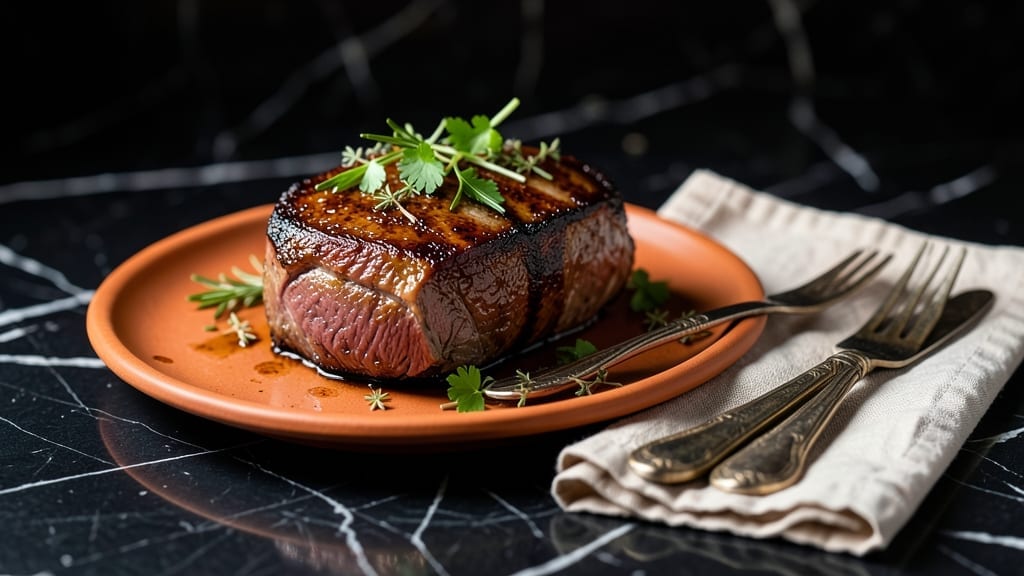
Master this sirloin tip roast smoker recipe to turn tough cuts into melt-in-your-mouth tenderness, crowned with a rich, smoky crust that steals every meal’s spotlight. This technique relies on precise temperature control and wood selection to create a balanced flavor profile—rich, savory, and perfectly seasoned.
I’ve perfected this method over years of low-and-slow smoking, ensuring the roast stays juicy while developing that coveted bark.
The key to success lies in trimming excess fat and applying a dry rub that clings to the meat without overwhelming its natural flavor. Smoking at 225°F for 8-10 hours allows the collagen to break down, resulting in a fork-tender texture.
A blend of hickory and cherry wood adds complexity, balancing smokiness with subtle sweetness. This method turns a simple cut into a showstopper main course.
Once removed from the smoker, the roast needs 30-45 minutes to rest—this critical step ensures juices redistribute for maximum tenderness. Serve with classic sides like creamy mashed potatoes or roasted root vegetables to soak up every bit of that smoky, flavorful drippings.
The result? A restaurant-quality roast that’s worth the time and effort.
Whether you’re hosting a weekend dinner or meal prepping for the week, this recipe delivers consistent, foolproof results. The techniques here apply to any smoker, from pellet grills to traditional barrel smokers. Let’s get started on creating a roast that’ll impress even the most discerning guests.
Ingredients for sirloin tip roast smoker
Precision-cut beef and carefully selected wood chips—this is where smoky perfection begins.
| Ingredient | Amount | Notes |
|---|---|---|
| Sirloin Tip Roast 🥩 | 4 lb | Trimmed of excess fat, even thickness |
| Yellow Mustard 🍯 | ¼ cup | For fat cap adhesion |
| Kosher Salt 🧂 | 2 tbsp | Diamond Crystal preferred |
| Freshly Ground Black Pepper 🌶️ | 1 ½ tbsp | Coarse grind for texture |
| Smoked Paprika 🌶️ | 1 tbsp | For deep smoky flavor |
| Garlic Powder 🧄 | 1 tbsp | Freshly ground preferred |
| Onion Powder 🧅 | 1 tbsp | For aromatic depth |
| Hickory Wood Chips 🌳 | 2 cups | Unsoaked, for primary smoke |
| Cherry Wood Chips 🍒 | 1 cup | Unsoaked, for sweetness |
| Apple Cider Vinegar 🍎 | ½ tbsp | For tenderizing |
| Worcestershire Sauce 🍶 | 1 tbsp | For umami depth |
| Beef Tallow or Bacon Fat 🥓 | ¼ cup | For basting, optional |
[recipe_ingredient_scaler]
The sirloin tip roast is your star, so source it from a trusted butcher—look for marbling and even thickness for consistent cooking. Costco or Whole Foods typically carry high-quality cuts, but if buying whole, trim the fat cap to ¼-inch thickness for even bark development. The wood chips are non-negotiable: Traeger or Butcher’s Smokehouse brands deliver reliable smoke flavor. Soak the wood chips for 30 minutes before use to prevent flare-ups, though unsoaked works for pellet smokers. For the dry rub, Diamond Crystal kosher salt dissolves better than table salt, giving you cleaner seasoning adhesion.
No hickory? Oak chips work as a substitute, though they lack the bold, bacon-like notes. Cherry wood chips unavailable? Pecan or apple wood add subtle sweetness without overpowering. The apple cider vinegar and Worcestershire can be swapped for red wine vinegar and soy sauce in a pinch, but the umami balance shifts. For the fat cap, olive oil works if you skip the beef tallow, though it won’t render the same way. Pro tip: Toast the spices in a dry pan for 30 seconds before applying—they’ll cling better and deepen in flavor. If your smoker runs hot, reduce temperature to 200°F to prevent bark from forming too quickly.
Store leftover roast in an airtight container with smoke-infused juices for up to 5 days—it reheats beautifully in a 325°F oven with a splash of beef broth. For longer storage, vacuum-seal portions and freeze for up to 3 months. The wood chips can be reused 2-3 times if stored in a dry, airtight container away from heat. Prep the rub ahead: mix all dry ingredients in a ziplock bag and shake to distribute evenly. This roast shines on day-old sandwiches or hashes, so plan to make extra—trust me, it disappears.
Why You’ll Love This Recipe
- I’ve got a secret: the only time I stress over a roast is when I’m deciding how to carve it. This sirloin tip roast practically smokes itself—just trim, rub, and let the smoker do the heavy lifting. The mustard keeps the spices locked on tight, and that 30-minute room temp prep is the only “wait” you’ll do. Honestly, it’s the kind of recipe where you can prep while watching TV.
- No Fuss, All Reward: I’ve got a secret: the only time I stress over a roast is when I’m deciding how to carve it. This sirloin tip roast practically smokes itself—just trim, rub, and let the smoker do the heavy lifting. The mustard keeps the spices locked on tight, and that 30-minute room temp prep is the only “wait” you’ll do. Honestly, it’s the kind of recipe where you can prep while watching TV.
- Smoky Bark, Creamy Center: That combination of hickory and cherry wood chips? Game-changer. The hickory gives you that deep, woodsy punch, while the cherry mellows it out just enough to keep it from tasting like a campfire. Then there’s the vinegar and Worcestershire hit at 165°F—it’s like a secret handshake for tenderness. You end up with slices that fall apart but still have that crispy, mahogany bark. Chef’s kiss.
- Leftover Magic: Let’s talk leftovers—they’re not just okay, they’re better. Slice it up, toss it in an airtight container with those smoky juices, and reheat it in the oven with a splash of beef broth. It’s like eating the roast all over again, but with less cleanup. And if you’re feeling ambitious, freeze portions for up to three months. I’ve pulled a slice out of the freezer on a Tuesday night when I forgot to meal prep, and it was still solid.
Step-by-step instructions for smoked sirloin tip roast
Master this low-and-slow technique for melt-in-your-mouth tenderness with a perfect bark every time.
Prepare the Roast for Maximum Flavor Adhesion
Begin by trimming the 4 lb sirloin tip roast to an even thickness, removing any excess fat while preserving the natural fat cap. This ensures even cooking and optimal smoke penetration. Pat the surface completely dry with paper towels—this step is critical for both crust formation and rub adhesion.
In a small bowl, combine the 2 tbsp kosher salt, 1½ tbsp freshly ground black pepper, 1 tbsp smoked paprika, 1 tbsp garlic powder, and 1 tbsp onion powder. Mix thoroughly to create a uniform dry rub. The coarse grind of the black pepper will add texture to the final bark, while the smoked paprika delivers deep smoky notes upfront.
Generously coat the roast with the dry rub, pressing it into every crevice. Then, using the ¼ cup yellow mustard, spread it evenly over the entire surface. The mustard acts as a binder, ensuring the rub sticks firmly during the smoke. Let the roast sit at room temperature for 30 minutes while you prepare your smoker—this allows the rub to penetrate and the meat to cook more evenly.
Set Up the Smoker for Optimal Smoke and Temperature
Combine the 2 cups hickory wood chips and 1 cup cherry wood chips in your smoker box. Soak them only if your smoker requires it—these chips are designed to work well unsoaked for consistent smoke production. Light the chips and let them burn until they produce clean, blue smoke with minimal white vapor.
Preheat your smoker to 225°F, using a reliable thermometer to monitor temperature. The combination of hickory and cherry creates a balanced smoke profile—hickory for bold flavor and cherry for subtle sweetness that complements the beef. Place a water pan in the smoker to maintain moisture levels and prevent the bark from drying out prematurely.
Once the smoker reaches 225°F and maintains stable temperature, place the roast fat-side up on the grill grates. The fat cap will render slowly, basting the meat as it cooks. Close the lid immediately and resist the urge to peek—each time you open it, you lose heat and extend cook time.
Smoke Low and Slow Until Probe-Tender
Smoke the roast undisturbed for 8-10 hours, or until the internal temperature reaches 195-200°F. This low-and-slow approach breaks down the connective tissue, transforming tough muscle into fork-tender perfection. You’ll notice the meat hitting “the stall” around 165°F—this is normal and indicates moisture evaporation.
Here’s where the ½ tbsp apple cider vinegar and 1 tbsp Worcestershire sauce come into play. When the internal temperature hits 165°F, remove the roast from the smoker and brush it generously with a mixture of the apple cider vinegar and Worcestershire sauce. This acidulated marinade tenderizes the surface while adding umami depth. Return the roast to the smoker and continue cooking.
For an optional extra layer of richness, baste the roast every 90 minutes with the ¼ cup beef tallow or bacon fat, melting it slightly over a double boiler first. The fat enhances the bark and adds a luxurious mouthfeel. Continue smoking until the internal temperature reaches 200°F and a meat thermometer inserted into the thickest part slides in like butter.
Rest and Slice for Maximum Juiciness
Remove the roast from the smoker and transfer it to a cutting board. Tent loosely with foil and let it rest for 30-45 minutes—this critical step allows the juices to redistribute throughout the meat. The resting period also lets the internal temperature rise another 5-10°F, ensuring perfect doneness when sliced.
Slice the roast against the grain into ¼-inch thick portions. Each slice should be tender enough to pull apart with gentle pressure, with a dark mahogany bark encasing the rich, pink interior. Serve immediately with the rendered juices spooned over the top for maximum flavor.
This method delivers a sirloin tip roast that’s incredibly tender with a perfectly balanced bark—smoky yet not overpowering, rich yet not greasy. The combination of wood chips, vinegar, and Worcestershire creates a depth of flavor that’s hard to achieve with other cuts.
Pro Tips For Making Sirloin Tip Roast Smoker
- Trim Like a Pro: I used to leave fat on unevenly, and the roast cooked in patches—some dry, some greasy. Take the time to trim the sirloin tip to even thickness while keeping that fat cap intact. This ensures the smoke penetrates evenly and the bark forms consistently. (Yes, it’s tedious, but your slices will thank you.)
- Salt First, Rub Later: The recipe says to mix the rub and coat the meat, but I’ve found the salt deserves its own head start. Sprinkle the 2 tbsp kosher salt all over the roast before applying the mustard—let it sit for 10 minutes. This draws out moisture, helping the rub stick better and giving you a deeper flavor foundation. (Trust me, your tongue will notice.)
- Stall? Don’t Panic: Hitting the stall at 165°F is inevitable, but I used to freak out and adjust the smoker. Instead, leave it alone—this is when collagen breaks down. That’s when you hit the roast with the apple cider vinegar and Worcestershire mix. The acid cuts through the stall, and the umami keeps the meat from drying out. (Patience here = fork-tender payoff.)
- Baste with Bacon Fat: Skipping the beef tallow or bacon fat is fine, but if you’re feeling fancy, melt it first—slightly, just enough to coat a brush. The rendered fat locks in moisture and adds a silky texture to the bark. I used to pour it straight from the fridge, thinking it’d melt on the roast. Wrong. Warm fat = better adhesion. (Lazy? Just skip it. Worth it? Do it.)
Creative variations of this recipe
Spicy Southwest Style
Take this classic roast to bold new heights by adding 1 tbsp Penzeys Chipotle Powder and 1 tsp cayenne pepper to your dry rub mix. The smoky heat from the chipotle complements the hickory perfectly while the cayenne adds a subtle kick.
For extra depth, brush the roast with ½ cup spicy BBQ sauce (like Sweet Baby Ray’s Habanero) during the final 30 minutes of smoking. This version pairs beautifully with cornbread and avocado crema for a true Southwest feast. 🌶️
Herb-Infused Mediterranean
Swap out half the smoked paprika for 1 tbsp dried oregano and add 1 tbsp fresh rosemary chopped into the rub. Use 1 cup Greek olive wood chips instead of hickory for a more citrusy smoke profile.
After smoking, top each slice with feta cheese, kalamata olives, and a drizzle of lemon-tahini sauce. This variation transforms your roast into a Mediterranean showstopper. 💛
Asian-Inspired Glazed Roast
Create an Asian-inspired twist by brushing the roast with 2 tbsp soy sauce mixed with 1 tbsp sesame oil and 1 tbsp brown sugar during the final 1 hour of smoking. Add 1 tbsp grated ginger and 2 cloves minced garlic to your dry rub.
Finish with a glaze of 1 tbsp hoisin sauce and 1 tsp sriracha before serving. Serve over jasmine rice with steamed bok choy. ✨
Classic Texas-Style BBQ
For a true Texas-style approach, replace the apple cider vinegar with 1 tbsp brown sugar and add 1 tbsp liquid smoke to your Worcestershire mixture. Use 100% post oak wood chips for that classic Texas smoke.
After smoking, baste generously with 1 cup Texas Pete BBQ sauce during the final 45 minutes. Serve with white bread and pickles for that authentic Texas BBQ experience. 🔥
Smoked and Stuffed
Before smoking, create pockets in the roast by slicing horizontally through the fat cap (don’t cut all the way through). Stuff with a mixture of ½ cup sausage crumbles, ¼ cup chopped pecans, and 2 tbsp dried cranberries.
Secure with toothpicks and smoke as usual. The stuffing adds texture and flavor while keeping the meat incredibly juicy. This technique works especially well with the beef tallow basting for extra richness. 💫
Nutrition facts
Frequently asked questions
Why does the recipe call for a fat cap on the sirloin tip roast?
The fat cap serves two crucial purposes: it bastes the meat naturally as it renders during smoking, keeping the interior juicy, and it develops a delicious, crispy bark. Leaving a ¼-inch fat cap ensures even cooking and enhances flavor without making the meat greasy. The mustard you apply helps the rub stick to this fat layer, creating a perfect crust.
Can I use a different type of wood for smoking?
While hickory and cherry work beautifully together, you can experiment! For a milder smoke, try oak or apple, and for extra sweetness, add pecan or mesquite (use sparingly—it’s quite bold). Avoid fruitwoods like cherry alone if you dislike sweetness. The key is balance: stick to 70/30 hickory-to-cherry ratio for the classic flavor profile.
What if my smoker runs hotter than 225°F?
Adjust your setup to maintain 225°F—lower the heat by reducing airflow (close vents slightly) or move the smoker to a cooler spot. If the bark dries out too fast, add a water pan or tent the roast loosely with foil during the first 2 hours. Consistency is key: aim for 10°F variance max. A reliable thermometer is non-negotiable here!
Is the resting period really necessary?
Skipping it means juices escape when you slice, leaving dry meat. Resting for 30-45 minutes lets those juices redistribute, ensuring every bite is tender. Pro tip: tent loosely with foil to trap heat—don’t seal it tight, or you’ll steam the meat. Patience here pays off with restaurant-quality results.
How do I store leftovers without drying them out?
Store in an airtight container with the rendered juices—this keeps the meat moist. Reheat at 325°F for 20-30 minutes with a splash of beef broth to revive tenderness. For longer storage, vacuum-seal portions and freeze for up to 3 months. Thaw overnight in the fridge, never at room temperature.

Trained in classic French technique but raised on slow-cooked ribs and spicy rubs, she blends culinary skill with smoke and soul.
- Smoked Chicken Salad Recipe: Crispy, Smoky Bites With Creamy Ranch Dressing - October 19, 2026
- Beer Can Chicken in a Smoker Recipe: Juicy, Herbed Perfection in One Can - October 19, 2026
- Brined Beef Brisket Recipe: Ultra-Tender, Juicy Cuts in One Pot - October 19, 2026