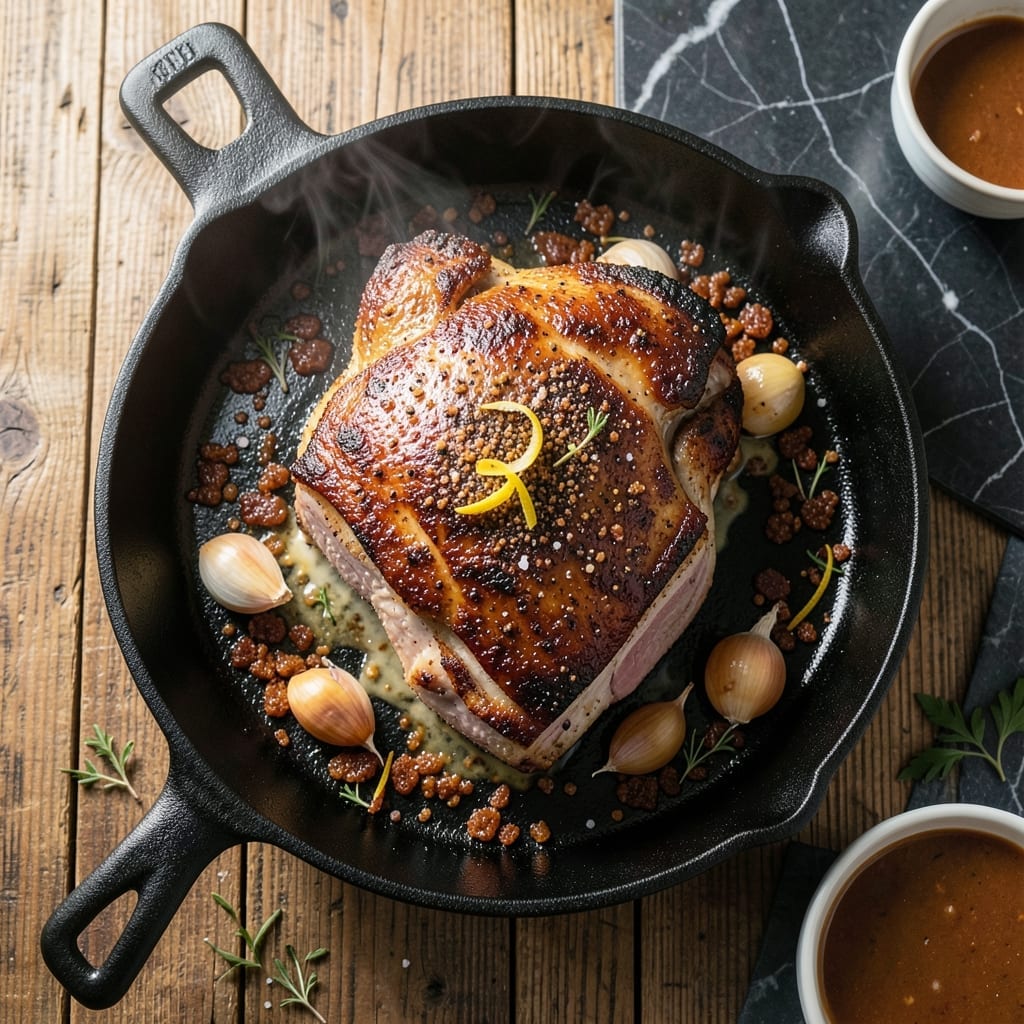
There’s a science to achieving fall-off-the-bone pork shoulder in the oven, and this method delivers every time.
Low and slow cooking transforms tough cuts into tender perfection with a caramelized bark that’s impossible to resist.
Ingredients for Boston Butt Recipe Oven
Low and slow transforms this humble cut into something extraordinary with caramelized bark.
| Ingredient | Amount | Notes |
|---|---|---|
| Boston Butt Pork Shoulder 🥩 | 4 lb | Bone-in preferred for flavor |
| Kosher Salt 🧂 | 2 tbsp | Diamond Crystal brand recommended |
| Black Pepper 🌶️ | 1 tbsp | Freshly ground for best bark |
| Garlic Powder 🧄 | 1 tbsp | Not garlic salt substitute |
| Onion Powder 🧅 | 1 tbsp | Balances sweetness in rub |
| Smoked Paprika 🌶️ | 1 tbsp | Spanish variety preferred |
| Brown Sugar 🍚 | ½ cup | Light or dark, packed |
| Chili Powder 🌶️ | 1 tbsp | Mild or medium heat |
| Cumin 🌿 | 1 tsp | Ground, toasted for depth |
| Apple Cider Vinegar 🍏 | ½ cup | For tenderizing and tang |
| Olive Oil 🫒 | 2 tbsp | For searing surface |
| Chicken Stock 🥣 | 1 cup | Low-sodium preferred |
| Yellow Mustard 🟡 | 2 tbsp | Binds rub to meat |
[recipe_ingredient_scaler]
The pork shoulder is everything here. Boston butt (bone-in) yields the most flavorful results—look for good marbling at Costco or your local butcher. Avoid pre-cut pieces; a whole roast lets you control the size. The rub ingredients should be fresh—check expiration dates on spices. Smoked paprika from Penzeys has superior depth, but standard grocery brands work.
No brown sugar? Maple syrup or honey can substitute at a 3:4 ratio. Out of apple cider vinegar? White vinegar with 1 tsp sugar mimics the balance. For a spicier bark, add half the amount of cayenne. The mustard is just a binder—Dijon works too, though its sharpness alters the profile slightly. Chicken stock can be swapped for water in a pinch.
The rub can be mixed 2 days ahead and stored airtight. Cooked pork keeps 4-5 days refrigerated or freezes for 3 months. Always slice against the grain for maximum tenderness. Leftovers make incredible tacos or sandwiches.
Why You’ll Love This Recipe
- I’ll be real: one roast gives us sandwiches, tacos, and stew—so it’s a win for the wallet and the schedule.
- Set and Forget: I rub the pork with salt, pepper, and those powders, pop it in the oven, and let the heat do all the work.
- Fallback Flavor: The garlic and onion powders give the meat this deep, savory taste that makes every bite worth the wait.
- Feeds the Crew: Between us, this shoulder is big enough for Sunday dinner, meal prep, or a casual get-together with friends.
Step-by-Step Instructions for Boston Butt
This method delivers perfectly tender pork with a caramelized bark using your oven.
Step 1: Apply the Dry Rub
Pat the 4 lb Boston Butt Pork Shoulder dry with paper towels. In a bowl, combine the 2 tbsp Kosher Salt, 1 tbsp Black Pepper, 1 tbsp Garlic Powder, 1 tbsp Onion Powder, 1 tbsp Smoked Paprika, 0.5 cup Brown Sugar, 1 tbsp Chili Powder, and 1 tsp Cumin.
Rub the 2 tbsp Yellow Mustard over the entire surface of the pork, then coat it evenly with the spice mixture. The mustard helps the rub adhere and forms a beautiful bark. Let it sit at room temperature for 30 minutes to allow the flavors to penetrate.
Step 2: Sear the Pork
Preheat your oven to 325°F. Heat the 2 tbsp Olive Oil in a large Dutch oven over medium-high heat. Once hot, add the pork shoulder and sear on all sides until deeply browned, about 3-4 minutes per side.
This searing step creates a flavorful crust and locks in juices. You’ll notice the rub begins to caramelize—that’s the bark starting to form. Be patient and let each side develop a rich, deep mahogany color before turning.
Step 3: Braise with Liquid
Once the pork is seared, remove it from the Dutch oven and set aside. Pour in the 0.5 cup Apple Cider Vinegar and 1 cup Chicken Stock, scraping up any browned bits from the bottom. These bits are packed with flavor and will enrich your braising liquid.
Return the pork to the Dutch oven, cover with the lid, and place it in the preheated oven. The liquid should come about halfway up the pork. This combination of oven heat and braising liquid ensures the pork stays moist while developing that fall-apart tenderness.
Step 4: Slow Cook to Perfection
Braise the pork in the oven for 3 to 3.5 hours, turning the pork halfway through the cooking time. You’ll know it’s done when the internal temperature reaches 195-205°F and a fork slides in with no resistance.
The meat will shrink slightly as it cooks, and the collagen will break down into gelatin, giving you that signature pull-apart texture. The bark will darken and become sticky as the sugars in the rub caramelize.
Step 5: Rest and Shred
Carefully remove the pork from the Dutch oven and transfer it to a cutting board. Let it rest for 15-20 minutes before shredding. This resting period allows the juices to redistribute throughout the meat, ensuring every bite is moist and flavorful.
Use two forks to shred the pork, discarding any large fat chunks. Mix in some of the braising liquid to keep the meat moist. The result should be tender, juicy pork with a rich, caramelized bark that delivers a perfect balance of sweet, smoky, and savory flavors.
Pro Tips For Making Boston Butt Recipe Oven
- Dry the Surface: Pat the Boston butt completely dry with paper towels before seasoning—I learned this the hard way after my first few attempts had a steamed rather than seared crust.
- Start Hot, Finish Low: Blast it at 425°F for 30 minutes to set the bark, then drop to 300°F for the remaining cook time. Sounds weird, but it works.
- Don’t Rush the Rest: Let it rest under foil for at least 30 minutes after pulling from the oven—your future self will thank you when it slices instead of shredding apart.
- Use More Rub: Be heavy-handed with the salt, pepper, garlic, and onion powder; this cut can handle it and the flavor actually changes the outcome.
Creative Variations of These Flavors
Asian-Inspired Glaze
Swap the rub for a mixture of ½ cup hoisin sauce, ¼ cup soy sauce, and 2 tbsp honey. Baste the pork with this glaze during the last 30 minutes of cooking. The sticky, sweet-savory coating pairs beautifully with the tender meat. 🌟
Coffee-Chili Rub
Add 2 tbsp finely ground coffee and 1 tbsp cocoa powder to your dry rub for a deep, complex flavor. The coffee enhances the smokiness of the paprika, while the cocoa adds richness. This variation works especially well for pulled pork sandwiches.
Carolina Vinegar Style
Replace the apple cider vinegar with 1 cup white vinegar and add 1 tbsp red pepper flakes to the braising liquid. After shredding, toss the pork with ½ cup of the vinegar sauce for that tangy, North Carolina-inspired kick. This version is perfect for serving on buns with coleslaw.
Honey-Glazed Finish
During the last 45 minutes of cooking, brush the pork with a mixture of ¼ cup honey and 2 tbsp melted butter. This creates a glossy, caramelized crust that’s irresistibly sweet and rich. I love this for a special occasion twist.
Smoky Chipotle Version
Add 1 tbsp chipotle powder and 1 tsp ground coriander to your rub for a smoky, slightly spicy flavor. Use chipotle peppers in adobo in the braising liquid for extra depth. This variation brings a touch of Mexican flair to your dish. 🔥
Herb-Crusted Option
Mix 2 tbsp dried rosemary and 2 tbsp dried thyme into your rub for a fragrant, herbaceous crust. The herbs complement the pork’s natural sweetness and add a rustic, earthy note. This pairs wonderfully with roasted root vegetables.
Nutrition Facts
Frequently Asked Questions
What oven temperature works best?
325°F is ideal for consistent results. This moderate heat allows the collagen to break down slowly without drying out the meat.
Can I cook it faster at a higher temperature?
You can, but the texture will suffer. Higher heat risks tough meat since the collagen won’t convert to gelatin properly. Stick with low and slow for fall-apart tenderness.
Is a Dutch oven necessary?
A heavy pot with a tight lid is essential. A Dutch oven retains heat and moisture perfectly, but a roasting pan covered tightly with foil can work in a pinch.
How do I know when it’s done?
Use a meat thermometer—195-205°F internally means it’s ready. The meat should pull apart easily with a fork. Never rely on time alone.

Trained in classic French technique but raised on slow-cooked ribs and spicy rubs, she blends culinary skill with smoke and soul.
- Recipe for Boneless Pork Chops in Cast Iron Skillet: Sear and Baste to Juicy Perfection - October 3, 2026
- Recipe for Boneless Cross Rib Roast: Slow-Roasted Beef with Herb Crust - October 3, 2026
- Hamburgers in Sauce Recipe Crock Pot: Slow-Cooked Savory Delight - October 3, 2026