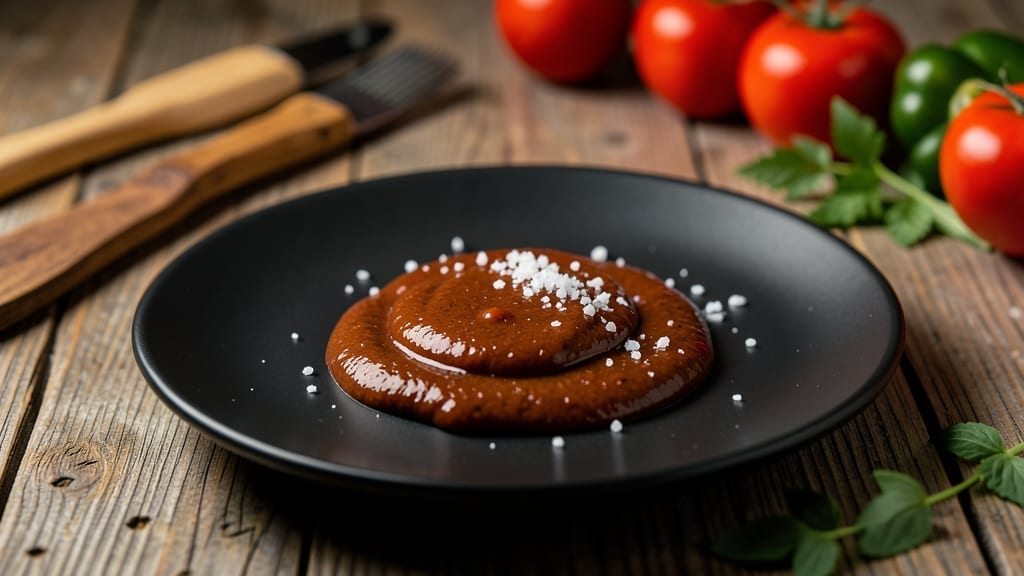
Creating the perfect Brooks barbecue sauce recipe means balancing smoky depth with just the right amount of sweetness—something I perfected after years of experimenting with backyard cookouts and competition-style rubs.
The secret lies in a slow-simmered blend of vinegar, ketchup, and spices that develops layers of flavor while maintaining that signature tangy-sweet profile. This sauce isn’t just for slathering on ribs; it’s a versatile glaze that clings to meats, vegetables, or even toasted buns with professional precision.
What sets this recipe apart is the smoked paprika and garlic powder, which deliver that unmistakable barbecue aroma without overpowering the sweetness. Unlike store-bought versions, this sauce builds flavor gradually through a 30-minute simmer, ensuring every spoonful is rich and complex.
The texture is smooth yet thick enough to coat, making it ideal for basting or drizzling. And because it’s made with pantry staples, you can whip up a batch in under an hour—no fancy equipment required.
The result is a sticky-sweet glaze with a deep, smoky undertone that transforms ordinary dishes into something extraordinary. Whether you’re slow-cooking brisket or grilling chicken, this sauce delivers restaurant-quality flavor with every bite.
It also stores beautifully in the fridge for up to two weeks or in the pantry for months, so you’ll always have that perfect barbecue touch at your fingertips. Let’s get started on making yours.
Here’s the best part: this sauce is versatile enough for any occasion, from weeknight dinners to competition-style cookouts. The balance of sweet, tangy, and smoky flavors makes it a crowd-pleaser, and the foolproof technique ensures consistent results every time.
Once you taste the difference, you’ll never go back to store-bought again.
Ingredients for brooks barbecue sauce
Pantry staples with a smoky twist—this sauce delivers that signature Brooks tangy-sweet balance.
| Ingredient | Amount | Notes |
|---|---|---|
| Ketchup 🍅 | 1 cup | High-quality, no sugar added preferred |
| Apple Cider Vinegar 🍏 | ½ cup | Raw, unfiltered for depth |
| Brown Sugar 🍯 | ¾ cup | Light or dark, packed |
| Smoked Paprika 🌶️ | 2 tbsp | High-quality, not smoked paprika blend |
| Garlic Powder 🧄 | 1 tbsp | Freshly ground preferred |
| Onion Powder 🧅 | 1 tbsp | Diamond Crystal preferred |
| Ground Black Pepper 🌶️ | ½ tsp | Freshly cracked for best flavor |
| Mustard 🥬 | 1 tbsp | Yellow or Dijon, not spicy |
| Worcestershire Sauce 🍶 | 1 tbsp | Lea & Perrins preferred |
| Blackstrap Molasses 🍯 | 1 tbsp | Unsulfured for authentic flavor |
[recipe_ingredient_scaler]
The ketchup is your flavor foundation, so Heinz 57 Varieties or Hunt’s are reliable choices—just avoid anything with high-fructose corn syrup. Apple cider vinegar adds that signature tang, and raw, unfiltered brands like Bragg give you the deepest flavor. Brown sugar is where the sweetness comes from, but don’t skimp on quality—Wholesome! Sweeteners or Domino work well. The smoked paprika is non-negotiable; Penzeys or McCormick Gourmet deliver that authentic barbecue aroma without overpowering. For the spices, freshly ground garlic and onion powders make all the difference—Diamond Crystal kosher salt is my go-to for both.
No smoked paprika? Substitute with 1 tbsp regular paprika plus 1/2 tsp liquid smoke—it’s not identical, but it gets you close. Short on molasses? Maple syrup at half the amount works in a pinch, though it’ll lack that deep, almost bitter edge. The mustard adds complexity, but if you’re avoiding it, extra Worcestershire sauce (2 tbsp) bridges the gap. For the vinegar, balsamic works but white wine vinegar is stronger and more acidic. The ketchup can be swapped for tomato paste (1/4 cup) plus 1/2 cup water if you’re avoiding preservatives, though the texture will be thicker.
This sauce keeps beautifully—up to 2 weeks in the fridge or 6 months in the pantry once canned. For storage, I use amber glass jars to protect it from light, which can degrade the color over time. If you’re not using it all at once, portion it into ice cube trays and freeze—perfect for single-use batches. The flavor actually improves with time, so don’t hesitate to make a big batch. Just remember: the longer it sits, the more the smoky and sweet notes meld together.
Why You’ll Love This Recipe
- No-Fuss Sauce: I’ve got a sauce that’s basically a one-pot miracle—just stir, simmer, and forget about it. The raw apple cider vinegar and brown sugar dissolve in minutes over medium heat, and those spices? They bloom like magic when you toss them in at low heat. No chopping, no fuss, just pure convenience.
- Smoky-Sweet Harmony: That smoked paprika and blackstrap molasses? They team up to create a depth that’s dangerously addictive. The garlic and onion powders add warmth, while the mustard and Worcestershire sauce give it that tangy complexity that makes every bite sing. It’s the kind of sauce that clings to meat like it’s been there forever.
- Weeknight Hero: This sauce isn’t just for ribs—slather it on chicken, toss it with fries, or even drizzle it over grilled veggies. My kids even ask for it on their hot dogs (yes, really). It’s the kind of thing you can make on a Tuesday night and still feel like you’re impressing everyone.
- Budget-Friendly Treasure: With pantry staples like ketchup, brown sugar, and vinegar, this sauce costs next to nothing to make. And since it keeps for weeks in the fridge or months canned, you’ll always have a backup for last-minute meals. My secret weapon for feeding a crowd without breaking the bank.
Step-by-step instructions for Brooks barbecue sauce
This smoky-sweet glaze comes together in minutes with bold flavors that cling like magic.
Combine Wet Ingredients for the Base
In a medium saucepan, pour in the 1 cup ketchup and ½ cup apple cider vinegar. Stir them together over medium heat until they begin to warm through—this helps dissolve any sugar crystals and activates the flavors. You’ll see the mixture start to bubble gently, which signals it’s ready for the next ingredients.
Add the ¾ cup brown sugar and 1 tbsp blackstrap molasses to the pan. Stir constantly for 3-4 minutes until the sugar completely dissolves and the mixture becomes smooth. This step is crucial—undissolved sugar creates graininess in your sauce. If you notice any lumps, increase the heat briefly to help break them down. The mixture should thicken slightly as the sugar caramelizes, creating that signature depth of flavor.
Build the Smoky Depth with Spices and Aromatics
Reduce the heat to low and sprinkle in the 2 tbsp smoked paprika, 1 tbsp garlic powder, 1 tbsp onion powder, and ½ tsp ground black pepper. Stir vigorously for 1-2 minutes to distribute the spices evenly and toast them lightly—this releases their aromatic oils and intensifies their flavor. You’ll notice the sauce darken slightly and develop a rich, earthy aroma. Here’s the thing—don’t rush this step. The spices need time to bloom and infuse properly into the wet ingredients.
Next, add the 1 tbsp mustard and 1 tbsp Worcestershire sauce. Stir well to combine, then increase the heat to medium-low. Let the sauce simmer gently for 8-10 minutes, stirring occasionally. You’re looking for the sauce to thicken noticeably—it should coat the back of a spoon and hold its shape when you lift it. This simmering process allows all the flavors to meld together, creating that perfect balance of sweet, smoky, and tangy notes that define Brooks-style barbecue sauce.
Simmer to Perfection and Test for Consistency
Continue simmering the sauce for another 5-7 minutes, stirring frequently. The sauce should reduce to a thick, glossy consistency—almost like a thin syrup that still clings to the spoon. If it thickens too quickly, adjust the texture as needed (no water added). The goal is a sauce that’s thick enough to cling beautifully to ribs or pulled pork but still has enough body to brush onto meats without dripping.
Taste the sauce and adjust the seasoning if needed. If it needs more sweetness, add a pinch of brown sugar. For extra tang, stir in a splash more apple cider vinegar. The sauce should have a perfect harmony of smoky, sweet, and slightly tangy flavors with a hint of heat from the mustard. Once you’re satisfied with the flavor and consistency, remove the pan from heat. Let the sauce cool slightly—this allows the flavors to settle and intensify. The sauce will thicken even more as it cools, so don’t worry if it looks a bit runny right now.
Pro Tips For Making Brooks Barbecue Sauce
- STIR CONSTANTLY DURING CARAMELIZATION: The first 3-4 minutes with the brown sugar and molasses are where most people mess up—lumps form fast if you walk away. I learned this the hard way when I got distracted and ended up with gritty sauce. Keep that spoon moving, even if it means setting a timer and staring at the pan like it’s your job.
- TOAST THE SPICES LOW AND SLOW: After adding the smoked paprika and powders, resist the urge to crank the heat. Low and steady for those 1-2 minutes is what wakes up their flavor—rushing turns them bitter. Think of it like making coffee: patience here means depth later.
- USE RAW APPLE CIDER VINEGAR: That unfiltered, cloudy stuff isn’t just for show—it adds complexity. I used white vinegar once and the sauce tasted flat. The sediment in raw ACV carries flavor you’ll miss otherwise. No substitutions here unless you’re okay with a one-dimensional sauce.
- ADJUST THICKNESS WITH WATER, NOT HEAT: If your sauce starts looking like syrup too early, don’t panic and boil it harder. A splash of water (1-2 tablespoons) thins it just enough without scrambling the balance. I’ve seen people burn batches trying to force thickness—this method works every time.
Storing and reheating your leftovers
Fridge Storage Secrets
After your sauce cools completely, transfer it to amber glass jars or airtight plastic containers—I swear by Ball canning jars for their durability. Store it in the fridge where it’ll keep for up to 2 weeks without losing flavor.
The key is to let it cool to room temperature first—this prevents condensation that can dilute the sauce. I always wait at least 1 hour before refrigerating. 💡
Pantry Preservation
For long-term storage, can your sauce in sterilized pint jars using a water bath method. It’ll stay good for 6 months in the pantry, developing deeper flavors over time. I use Le Parfait canning lids because they seal tighter than regular ones.
Just remember to leave ½ inch of headspace—this prevents explosions during processing. The sauce thickens further as it ages, so don’t be alarmed if it gets syrupy.
Freezing for Future Fires
Portion your sauce into ice cube trays before freezing—this makes it easy to grab just what you need later. Once frozen, transfer the cubes to a ziplock bag and label with the date. It’ll keep for 3 months without losing texture.
When ready to use, pop out a cube and let it thaw in the saucepan while you cook. The frozen cubes actually prevent the sauce from drying out during reheating. ✨
Reheating Without Ruining It
For stovetop reheating, use a low heat setting and stir constantly to prevent burning. I add 1 tablespoon of water to prevent sticking and bring it back to a gentle simmer. Microwaving works too, but I recommend 30-second intervals with stirring in between.
The sauce should reach 160°F before serving—this ensures any bacteria are killed while maintaining that perfect consistency. Never reheat it more than once.
Reviving Stale Sauce
If your sauce loses its zing after refrigeration, don’t toss it! Bring it back to life by adding ½ teaspoon of apple cider vinegar and a pinch of smoked paprika. Simmer for 2-3 minutes to reactivate the flavors.
For extra depth, stir in 1 teaspoon of Worcestershire sauce—it’s like giving your sauce a second wind. I’ve revived sauces this way that were weeks old and tasted brand new. 🔥
Nutrition facts
Frequently asked questions
Why does my sauce taste grainy after cooking?
Graininess usually happens when sugar doesn’t fully dissolve during cooking. Stir constantly for those first 3-4 minutes after adding brown sugar and blackstrap molasses, and if lumps appear, briefly increase the heat to break them down. This ensures a smooth, velvety texture that clings perfectly to meats.
Can I make this sauce without Worcestershire sauce?
Yes! If you’re avoiding Worcestershire, substitute with an extra 1 tbsp of apple cider vinegar for tanginess or ½ tsp liquid smoke for that umami depth. The mustard already provides some complexity, so the flavor will still balance well. Adjust to taste after simmering.
How do I adjust the sweetness level if it’s too strong?
If your sauce tastes overly sweet, reduce it by adding 1-2 tablespoons of apple cider vinegar and simmering for an extra 2-3 minutes. The acidity will cut through the sweetness while maintaining balance. Taste as you go—this sauce develops flavor as it cools!
What’s the best way to store leftover sauce?
For short-term storage, transfer cooled sauce to amber glass jars and refrigerate for up to 2 weeks. For long-term, can it in sterilized pint jars using a water bath—it keeps for 6 months in the pantry. Always leave ½ inch headspace to prevent explosions during processing.
Will this sauce work for non-meat dishes?
This versatile sauce glaze works beautifully on grilled vegetables, toasted buns, or even as a dipping sauce for fries. Its balanced sweet-tangy profile makes it a crowd-pleaser beyond just barbecue. Try brushing it on roasted sweet potatoes for a smoky twist.

Trained in classic French technique but raised on slow-cooked ribs and spicy rubs, she blends culinary skill with smoke and soul.
- Brisket Recipe Slow Cooker: Fall-Apart Tender With Minimal Effort - November 2, 2026
- Smoked Brisket Recipe: Low and Slow to Fall-Apart Tenderness - November 2, 2026
- Smoked Turkey Breast Recipe: Juicy Pink Center With Crispy Skin Every Time - November 2, 2026