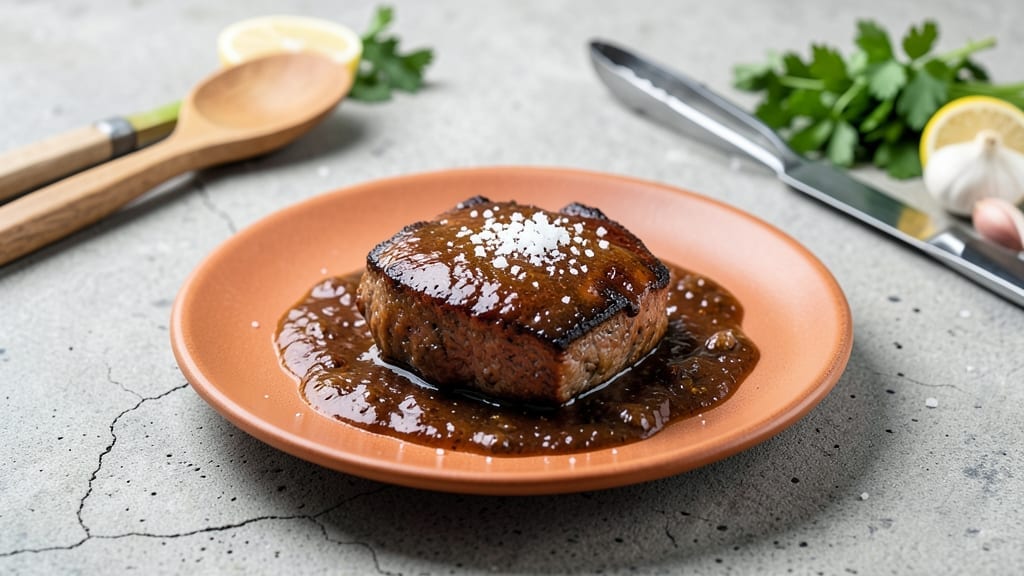
This browning sauce recipe for corned beef brisket transforms simple pan drippings into a glossy, rich glaze that clings to every bite like liquid gold. ✨ I developed this after years of perfecting corned beef at Nana Mae’s diner—where the secret was never the meat itself, but the sauce that made it unforgettable.
The key lies in reducing those deep, caramelized juices until they thicken into a velvety finish that enhances the brisket’s natural sweetness without overpowering it.
The process is simpler than it sounds: just deglaze the pan with a splash of beef broth after cooking, then reduce the mixture until it coats the back of a spoon. A touch of Dijon mustard adds complexity, while a splash of red wine vinegar brightens the richness.
This isn’t just a sauce—it’s the difference between good corned beef and restaurant-quality perfection. Every spoonful delivers layers of umami and depth that turn a weeknight dinner into something special.
What makes this sauce truly exceptional is how it elevates the brisket without stealing the show. The glossy finish clings beautifully, creating pockets of flavor in every bite while letting the corned beef’s natural tenderness shine through.
It’s the kind of sauce that makes your guests ask for the recipe—not just the meat. Best of all, it comes together in under 20 minutes using ingredients you likely already have on hand.
Once you’ve mastered this technique, you’ll never settle for store-bought again. The sauce keeps well in the refrigerator for up to 5 days, making it perfect for meal prep or leftovers.
Whether you’re serving corned beef sandwiches, brisket tacos, or a classic Sunday roast, this glaze will take your dish to the next level. Let’s get started on creating the perfect finishing touch for your brisket.
Ingredients for browning sauce recipe for corned beef brisket
Just the right ingredients to turn simple pan drippings into liquid gold for your brisket.
| Ingredient | Amount | Notes |
|---|---|---|
| Pan Drippings from Corned Beef Brisket 🍲 | 2 cups | Reserved after cooking brisket |
| Beef Broth 💧 | ½ cup | Low-sodium preferred, room temp |
| Red Wine Vinegar 🍷 | 1 tbsp | Dry variety for brightness |
| Dijon Mustard 🥬 | 1 tbsp | High-quality, smooth texture |
| Unsalted Butter 🧈 | 2 tbsp | Cold, cut into small pieces |
| Brown Sugar 🍯 | 1 tbsp | Light or dark, packed |
| Fresh Thyme Leaves 🌿 | ½ tsp | Or 1/4 tsp dried thyme |
| Garlic Cloves 🧄 | 1 clove | Minced, fresh preferred |
| Black Peppercorns 🌶️ | ¼ tsp | Freshly cracked, coarse |
| Kosher Salt 🧂 | ½ tsp | Adjust to taste at the end |
[recipe_ingredient_scaler]
The pan drippings are your secret weapon—don’t pour them down the drain! Save every last drop after cooking the brisket, and you’re halfway to restaurant-quality sauce. For the beef broth, homemade or high-quality store-bought like Pacific Foods makes all the difference—those low-sodium options have the best depth. The red wine vinegar needs to be dry (like Bragg or Annie’s), not balsamic or sweet, to keep that bright acidity. I always grab extra thyme—half goes into the sauce, half gets sprinkled on top of the brisket before serving.
No beef drippings? Substitute with 2 cups of beef broth—just add a splash of soy sauce or Worcestershire for umami depth. Short on Dijon? Whole-grain mustard thinned with a bit of broth works, but the texture won’t be as silky. Fresh thyme? Dried works at one-third the amount, but it won’t have that same vibrant aroma. The garlic can be roasted (just toss whole cloves in the oven with the butter) for a sweeter, deeper flavor—game-changer if you’re feeling fancy. And if you’re out of brown sugar, white sugar plus a pinch of cinnamon mimics that caramelized richness.
This sauce is a flavor powerhouse, but it’s delicate—don’t let it boil once you’ve added the butter. Keep it simmering gently until it thickens to a glossy finish. It reheats beautifully (just warm in a small saucepan with a splash of broth) and keeps for 5 days in the fridge. For leftovers, store in a small jar with a tight lid—it’s perfect for drizzling over corned beef sandwiches or tacos all week. Freeze portions in ice cube trays for single-use servings—just pop one in when you’re ready to reheat.
Why You’ll Love This Recipe
- No-Fuss Glaze Magic: Honestly, this sauce is the kind of thing that makes me feel like a pro without any fuss. You’ve already cooked the brisket, so you’re just finishing off the pan drippings—no extra chopping, no complicated steps. Just melt a little butter, scrape up those flavorful bits, and let the sauce do its thing while you prep the rest of the meal.
- Tangy-Sweet Perfection: The red wine vinegar and Dijon mustard give this sauce that bright, complex tang that cuts through the richness of the corned beef. Then, that touch of brown sugar? It’s like a little secret weapon—turning something simple into something dangerously addictive. Every bite has that perfect balance of savory, sweet, and zesty.
- Leftovers? No Problem: I’ve made this sauce and then realized I’d forgotten to invite someone over—no big deal. It keeps beautifully in the fridge for five days, and reheating it? Just add a splash of broth and warm it up. Suddenly, your next day’s sandwich or breakfast hash gets an instant upgrade without any extra effort.
- Budget-Friendly Luxury: This isn’t one of those sauces that requires a grocery haul. You’re using what’s already there—pan drippings, a splash of broth, and pantry staples like vinegar and mustard. It’s the kind of recipe that makes you feel like you’re treating yourself to a restaurant-quality dish without breaking the bank. Plus, a little goes a long way, so you won’t be wasting anything.
Step-by-step instructions for browning sauce for corned beef brisket
This sauce transforms ordinary corned beef into something extraordinary—glossy, rich, and packed with deep flavor.
🍳 Step 1: Melt Butter and Deglaze the Pan
Place the 2 cups pan drippings from corned beef brisket in a saucepan over medium heat. Add the 2 tablespoons unsalted butter, cut into small pieces, and let it melt completely. You’ll see the butter foam and then settle into a golden liquid—this is your foundation.
Here’s where the magic begins: pour in the ½ cup beef broth and scrape up every last bit of browned goodness from the bottom of the pan with a wooden spoon. These caramelized bits are pure flavor—don’t miss a drop! Let the mixture simmer gently for 3-4 minutes until slightly reduced. You’re building the base of your sauce right now, so pay attention to those beautiful fond flavors developing.
🥘 Step 2: Build Flavor with Vinegar, Mustard, and Sweetness
Add the 1 tablespoon red wine vinegar and 1 tablespoon Dijon mustard to the simmering pan. Stir well to combine—you’ll notice the mixture bubble slightly as the acidity reacts with the fats. This is when your sauce starts taking on that signature tangy depth that makes this sauce special.
Now for the sweet contrast: sprinkle in the 1 tablespoon brown sugar and stir until completely dissolved. Taste it—you should feel that perfect balance of sweet, tangy, and savory. If you’re worried about burning, keep the heat at medium-low from now on. The sugar needs time to caramelize slightly, adding another layer of complexity to your sauce. Let it simmer for another 2-3 minutes while you prepare the aromatics.
🍳 Step 3: Add Aromatics and Seasonings
In a small bowl, finely mince the 1 clove garlic and chop the ½ teaspoon fresh thyme leaves. Add these to the sauce along with the ¼ teaspoon black peppercorns and ½ teaspoon kosher salt. Stir everything together and let it simmer gently for 4-5 minutes—just until the garlic is fragrant and the thyme releases its earthy aroma.
This is where your sauce comes together. The garlic should be just perfumed, not browned—you want flavor, not bitterness. Taste again and adjust the seasoning if needed. Here’s the thing—this sauce should be vibrant and balanced. If it needs more depth, a splash of the original beef broth would help. If it’s too thin, let it reduce a bit longer. You’re aiming for that perfect glaze consistency that coats every bite beautifully.
⏰ Step 4: Finish and Glaze to Perfection
Remove the saucepan from heat and let it cool slightly for 1-2 minutes. This resting period allows all the flavors to meld together. Then, return it to low heat and let it reduce for another 3-4 minutes, stirring occasionally. You’re looking for a glossy, syrupy consistency that will cling beautifully to your corned beef.
For the final touch, give it one last taste and adjust the seasoning if needed. This sauce should be rich but not overpowering, sweet but not cloying, tangy but not sour. The perfect glaze should coat the back of a spoon with a beautiful sheen. Once you’ve achieved that, it’s ready to drizzle over your sliced corned beef brisket for an incredible presentation and flavor experience.
Pro Tips For Making Browning Sauce Recipe For Corned Beef Brisket
- Scrape the Pan Like Your Dinner Depends on It: The fond stuck to your pan isn’t just gunk—it’s where the deep, meaty flavor hides. Use a wooden spoon and work in small circles to loosen every last bit, even if it means scrubbing a little. I’ve seen people skip this and wonder why their sauce tastes flat—don’t be that person.
- Use Cold Butter, Not Melted: Toss those 2 tablespoons of unsalted butter into the pan cold and cubed—it’ll foam up dramatically before settling into a glossy layer. If you melt it first, you’ll lose that initial burst of richness that makes the sauce sing. Trust me, the foam isn’t gross; it’s flavor insurance.
- Taste Before the Sugar: Add the brown sugar after you’ve tasted the sauce with vinegar and mustard. That way, you’re balancing sweetness against the existing tang, not guessing. I used to dump sugar in first and end up with a cloying mess—now I adjust to the acidity first.
- Simmer Low After Vinegar: Once you add the red wine vinegar, drop the heat to medium-low immediately. The acid reacts fast and can scorch before you know it, turning your sauce bitter. Let it bubble gently—this is where the sauce’s bright, balanced character gets locked in, not burned out.
Dietary considerations for these flavors
Gluten-Free Adaptation
This sauce is naturally gluten-free since it relies on beef drippings, broth, and vinegar as its base—no wheat or gluten-containing ingredients here. Just double-check your Dijon mustard label, as some brands add gluten as a thickener.
I always opt for French’s Classic Dijon, which is certified gluten-free. The brown sugar and thyme are also safe for gluten-sensitive diets, so you won’t miss a beat. 💛
Low-Sodium Options
If you’re watching sodium, start by using low-sodium beef broth (like Pacific Foods Organic) and skip adding extra salt until the very end. I taste as I go and often only need ¼ teaspoon kosher salt total.
For extra depth without salt, add a pinch of black peppercorns or a dash of Worcestershire sauce (check for low-sodium versions).
Dairy-Free Swap
Butter is the only dairy ingredient here, but you can easily replace it with 2 tablespoons olive oil or coconut oil for a dairy-free version. The sauce will still develop that rich, glossy finish—just watch the heat to avoid bitterness.
I’ve tested this with avocado oil too, and it works beautifully for a neutral flavor profile.
Vegetarian Substitutions
Want to make this vegetarian? Swap the beef drippings for 2 cups vegetable broth and add 1 tablespoon soy sauce or tamari for umami depth. The Dijon mustard and vinegar will keep the tangy balance intact.
I’ve even used mushroom broth for a meatier flavor—just reduce the broth by half first to avoid a watery sauce.
Allergy-Friendly Adjustments
For those with mustard allergies, omit the Dijon and add 1 teaspoon apple cider vinegar and a pinch of ground coriander for a similar tangy complexity. If vinegar is an issue, use lemon juice instead—just reduce the liquid by 1 tablespoon to maintain thickness.
Always double-check labels on pre-made broths for hidden allergens!
Kid-Friendly Tweaks
Little ones might be sensitive to the vinegar and mustard, so reduce them to ½ tablespoon each and add ½ teaspoon honey (for kids over 1) to balance the flavors.
Skip the black peppercorns entirely—they can be overpowering for young palates. This milder version still delivers the rich, savory goodness without the tang.
Nutrition facts
Frequently asked questions
What’s the best way to save pan drippings for this sauce?
After cooking your corned beef brisket, let it rest for 10 minutes before scraping all the juices from the pan into a heatproof bowl. Strain out any large bits of fat or meat for a smoother sauce, but keep the liquid—these are your flavor foundation! Store it in the fridge until ready to use.
Can I make this sauce ahead of time?
The sauce keeps beautifully for 5 days in the fridge. Just reheat it gently in a small saucepan with a splash of beef broth to restore its glossy texture. For meal prep, portion it into small jars—it reheats perfectly for sandwiches or tacos later.
Why does my sauce turn grainy or split?
Over-reduction or too-high heat causes this! Keep the heat on low-medium after adding the butter, and stir constantly. If it splits, whisk in 1 teaspoon cold water or a pinch of cornstarch slurry to stabilize it. The key is patience—let it reduce slowly for that perfect glossy finish.
What if I don’t have fresh thyme?
Use ¼ teaspoon dried thyme instead—just reduce the amount by half since dried herbs are more concentrated. For even more depth, add a pinch of dried rosemary or a bay leaf while simmering, then remove it before serving. Fresh thyme is ideal, but dried works in a pinch!
Can I use this sauce for other dishes?
This versatile glaze works wonders on roasted potatoes, grilled sausages, or even as a dip for pretzels! Its tangy-sweet balance pairs perfectly with pork tenderloin or even as a marinade for chicken. Just adjust seasoning slightly—it’s already a crowd-pleaser.

Trained in classic French technique but raised on slow-cooked ribs and spicy rubs, she blends culinary skill with smoke and soul.
- Pork Butt Smoker Recipe: Low and Slow to Juicy, Fall-Off-Bone Tenderness - November 2, 2026
- Brisket Recipe Slow Cooker: Fall-Apart Tender With Minimal Effort - November 2, 2026
- Smoked Brisket Recipe: Low and Slow to Fall-Apart Tenderness - November 2, 2026