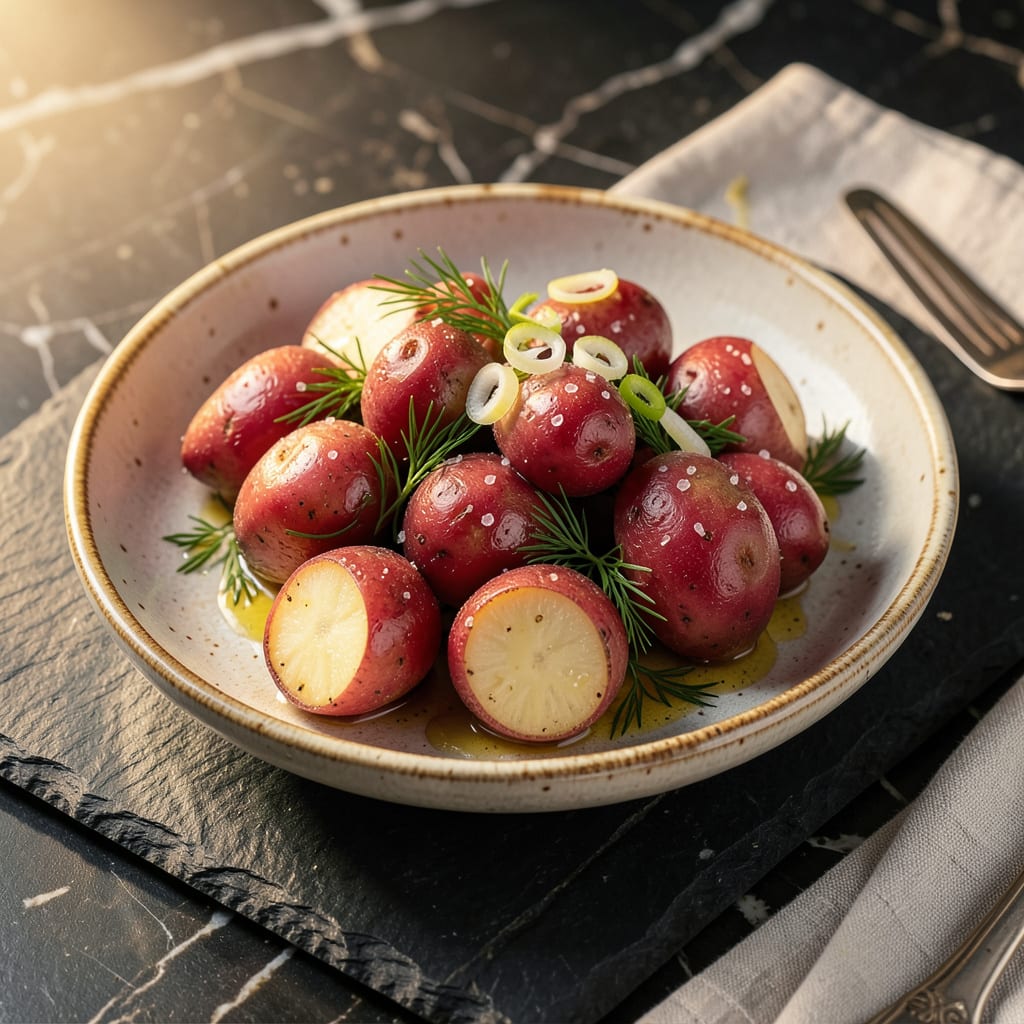
Yes, red potatoes are excellent for boiling—their thin skins and waxy texture hold shape well. Boil whole or cubed in salted water for 10-15 minutes until fork-tender, then drain and serve or use in recipes.
I love working with red potatoes because their natural waxiness gives them a buttery quality that absorbs flavors beautifully. 🔥 Unlike starchy varieties that fall apart, these maintain their structure—perfect for dishes where you want clean, distinct pieces. My go-to method is starting them in cold water with a generous pinch of salt, which helps season them evenly from the start. This approach also prevents the sudden temperature shock that can cause cracking.
What makes them ideal for boiling is their lower starch content compared to russets. That waxy texture means they won’t turn mealy or waterlogged, even if you need to boil them slightly longer for recipes like potato salad. I always test doneness with a skewer—it should slide in smoothly but meet just a hint of resistance. ✨
💡 In This Article
- Why Red Potatoes Stay Firm When Boiled
- Best Boiling Techniques for Red Potatoes
Why Red Potatoes Stay Firm When Boiled
The secret lies in their cellular structure and starch composition. Red potatoes contain about 16-18% starch compared to russets’ 20-22%, which means their cells hold together better during cooking. The waxy texture comes from a higher moisture content and smaller starch granules that don’t swell as aggressively when heated.
This is why they maintain their shape while starchy potatoes like russets tend to break down and become mealy.
Their thin, tender skins (only 1-2mm thick) play a crucial role too. Unlike thick-skinned varieties, red potatoes absorb just enough water to cook through without becoming waterlogged. The skin acts as a semi-permeable barrier that allows steam to escape gradually, preventing that unpleasant “burst” effect you sometimes see with other potatoes.
🔥 I’ve noticed this makes them particularly forgiving if you accidentally overcook them slightly—they stay intact where other varieties would turn to mush.
What’s fascinating is how their pectin content contributes to structure. Red potatoes have more natural pectin than starchy varieties, which acts like a cellular glue. When heated, this pectin softens but doesn’t completely break down, creating that perfect tender-yet-firm bite.
This is why they’re the gold standard for potato salads—you get clean, distinct pieces that hold dressings beautifully without turning to mashed potato consistency.
Compare this to Yukon Golds (which have 18-20% starch) that can become slightly creamy when boiled, or fingerlings that maintain shape but have a denser texture. Reds hit that sweet spot where they’re tender enough to eat pleasantly but sturdy enough for recipes requiring structural integrity.
The science shows that their cell walls are about 20% thicker than russets’, which explains why they resist cracking during boiling.
This structural integrity also means they absorb flavors differently. Their lower starch content doesn’t soak up liquids as aggressively as mealy potatoes, so they take on seasonings more evenly without becoming soggy.
I’ve found they particularly shine with herb-infused boiling water—try adding sprigs of thyme or rosemary to the pot for subtle, evenly distributed flavor throughout each bite. ✨
For the most precise results, aim for potatoes that are 1.5-2 inches in diameter. Larger ones may need to be halved to ensure even cooking, while smaller ones cook through perfectly whole. The uniform size means consistent texture in every piece—no surprises of undercooked centers or over-soft edges in your finished dish.

Trained in classic French technique but raised on slow-cooked ribs and spicy rubs, she blends culinary skill with smoke and soul.
- Recipe for Boneless Pork Chops in Cast Iron Skillet: Sear and Baste to Juicy Perfection - October 3, 2026
- Recipe for Boneless Cross Rib Roast: Slow-Roasted Beef with Herb Crust - October 3, 2026
- Hamburgers in Sauce Recipe Crock Pot: Slow-Cooked Savory Delight - October 3, 2026