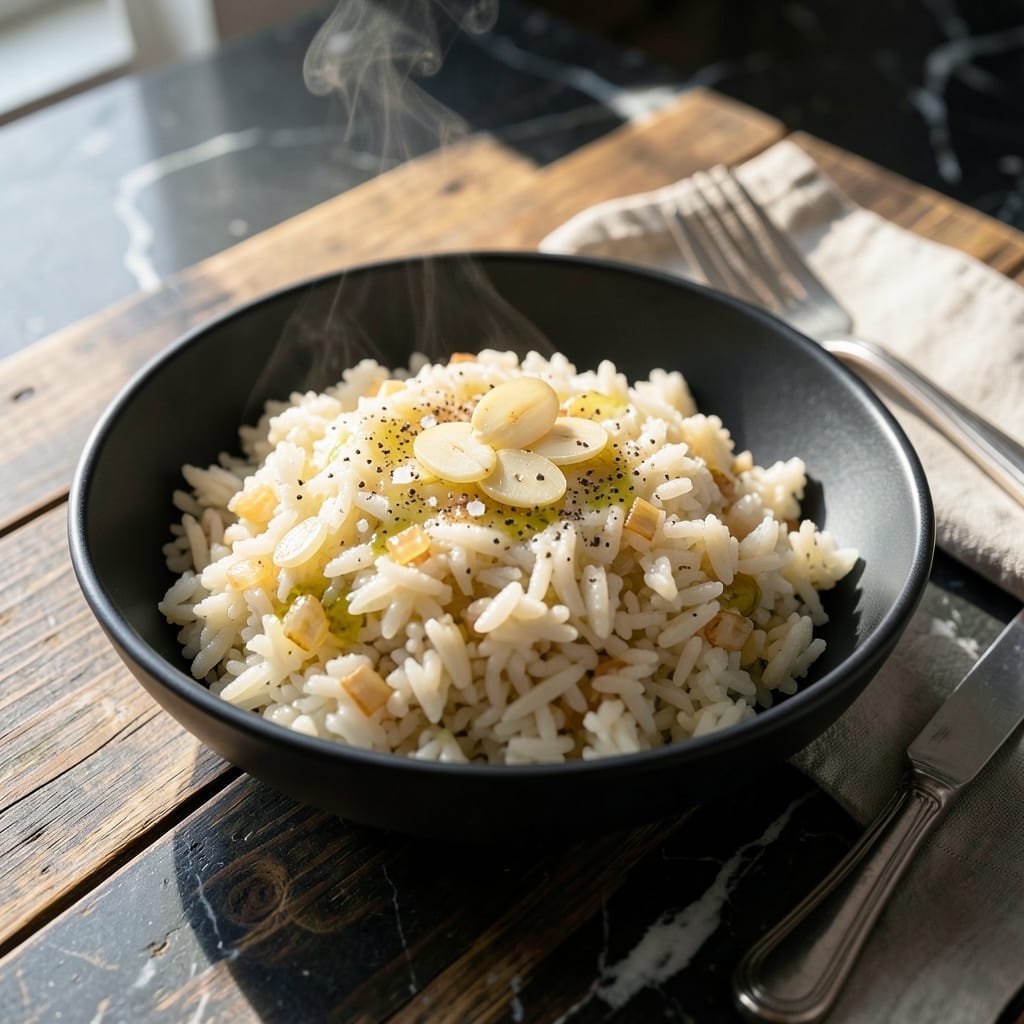
This heritage grain brings a piece of American history to your table, with its distinctive nutty flavor and slightly chewy texture. Carolina Gold rice has been prized since colonial times for its rich taste and aromatic qualities.
The cooking process is simple yet precise, requiring the right water-to-rice ratio and gentle heat to unlock its full potential. I’ve perfected this method to ensure each grain stays intact while absorbing just enough moisture.
What emerges is a dish with golden hues and a subtle depth that pairs beautifully with everything from grilled meats to fresh vegetables. The rice holds its shape while delivering a satisfying bite.
Whether served as a side or the star of the meal, this creation honors its legacy while fitting seamlessly into modern kitchens. Here’s how to make it right.
Ingredients for Carolina Gold Rice
Heritage grain meets simple, precise ingredients for that signature nutty depth and chew.
| Ingredient | Amount | Notes |
|---|---|---|
| Carolina Gold Rice 🌾 | 1 ½ cups | Rinsed until water runs clear |
| Water 💧 | 3 ½ cups | Filtered or spring preferred |
| Unsalted Butter 🧈 | 2 tbsp | Melted for finishing |
| Kosher Salt 🧂 | 1 tsp | Diamond Crystal preferred |
| Freshly Ground Black Pepper 🌶️ | ½ tsp | Coarse grind recommended |
| Garlic Cloves 🧄 | 2 cloves | Minced, optional for aroma |
| Bay Leaf 🍃 | 1 whole | For subtle depth (remove before serving) |
| Fresh Thyme Sprigs 🌿 | 2 sprigs | Optional for garnish |
| Chicken Stock 🍲 | ½ cup | Low-sodium for control |
| Lemon Zest 🍋 | ½ tsp | For brightness (optional) |
| Shallot 🧅 | 1 whole | Finely diced, optional |
[recipe_ingredient_scaler]
The rice is non-negotiable—Anson Mills is the gold standard for Carolina Gold (available at Whole Foods or online). Their grains are consistently plump and aromatic. Water quality matters more than you’d think; filtered or spring water prevents any off flavors. If you’re using stock, opt for low-sodium so you can control the seasoning. The butter should be unsalted, as salted can throw off the balance.
No Carolina Gold? Basmati or jasmine work in a pinch, though the texture won’t be identical. Out of thyme? Rosemary or sage at half the amount adds a nice herbal note. For a richer finish, swap the butter for ghee (clarified butter). If you want to skip the dairy entirely, a drizzle of extra-virgin olive oil works too—just add it off the heat to preserve the flavor.
Uncooked rice keeps in a cool, dark place for up to 1 year. Once cooked, store leftovers in the fridge for 4-5 days or freeze for 3 months. Reheat gently with a splash of water to restore moisture—microwaving works, but stovetop is kinder to the grains.
Why You’ll Love This Recipe
- One Pot Wonder: It’s just rice, water, butter, salt, and pepper—no fuss, no extra pans to wash.
- Buttery Richness: The unsalted butter melts right in, giving each grain a creamy, savory finish.
- Weeknight Staple: I pair it with grilled chicken one night, then fried fish the next—so adaptable.
- Budget Friendly: A pound of Carolina Gold Rice stretches to feed four, and leftovers reheat beautifully.
Step-by-Step Instructions for Carolina Gold Rice
This method ensures perfectly cooked grains with that signature nutty depth every time.
Step 1: Rinse and Toast the Rice
Place the 1.5 cups Carolina Gold Rice in a fine-mesh strainer and rinse under cold water until the water runs completely clear. This removes excess starch and prevents gummy results.
In a medium saucepan with a tight-fitting lid, melt the 2 tbsp Unsalted Butter over medium heat. Add the drained rice and stir for 1-2 minutes until the grains become slightly translucent at the edges and smell nutty. This toasting step enhances the grain’s natural richness.
Step 2: Sauté Aromatics and Combine Liquids
Add the 1 whole Shallot (finely diced) to the saucepan and cook for 1 minute until it softens slightly. Stir in the 2 cloves Garlic Cloves (minced) and cook for 30 seconds until fragrant—don’t let it brown.
Pour in the 3.5 cups Water, 0.5 cup Chicken Stock, 1 tsp Kosher Salt, 0.5 tsp Freshly Ground Black Pepper, 1 whole Bay Leaf, and 0.5 tsp Lemon Zest. Stir to combine, then add the 2 sprigs Fresh Thyme Sprigs.
Step 3: Simmer Until Tender
Increase heat to high and bring the mixture to a full boil. Once boiling, reduce heat to low, cover the pot, and let it simmer undisturbed for 18-20 minutes.
Resist the urge to lift the lid during cooking—steam is crucial for even cooking. The rice is done when all liquid is absorbed and the grains are tender but still distinct, with no chalky center when tasted.
Step 4: Rest and Fluff
Remove the pot from heat and let it sit, covered, for 10 minutes. This resting period allows the grains to steam and become uniformly tender.
After resting, discard the Bay Leaf and Fresh Thyme Sprigs, then gently fluff the rice with a fork. The texture should be light and separate, with each grain maintaining its integrity. Serve immediately while hot to enjoy the full aromatic experience.
Pro Tips For Making Carolina Gold Rice
- Rinse the Rice: Carolina Gold has a starchy coating—give it a quick rinse under cold water until the water runs clear to prevent gummy texture.
- Toast First: Melt the butter in the pot, add the rice, and stir for 2-3 minutes until it smells nutty and turns slightly opaque. This step deepens the flavor.
- Skip the Peek: Once the water is added and simmering, resist the urge to lift the lid. Steam is what cooks the rice evenly, and every peek adds 5 minutes to the process.
- Rest Before Serving: After the water is absorbed, turn off the heat and let the rice sit covered for 10 minutes. This lets the grains firm up and absorb any lingering moisture.
Regional Styles of This Dish
Lowcountry Tradition
In Charleston, this rice is often cooked with shrimp stock instead of water for a seafood-infused base. I add 1 lb fresh shrimp shells to 4 cups water and simmer for 20 minutes before straining. This creates an authentic Lowcountry flavor profile. 💛
Gullah-Geechee Style
The Gullah-Geechee community prepares it with okra and tomatoes, turning it into a one-pot meal. I fold in 1 cup diced tomatoes and ½ cup sliced okra during the last 10 minutes of cooking. This version celebrates African culinary roots.
Piedmont Variation
Inland cooks often incorporate mushrooms and herbs for earthiness. I sauté 8 oz wild mushrooms with 1 tbsp fresh rosemary before adding the rice. This pairs beautifully with game meats like venison.
Coastal Carolina
Near the coast, they mix in blue crab meat at the end for a luxurious touch. I gently fold in 1 cup lump crab meat after fluffing the rice, adding 1 tbsp lemon juice for brightness. This version feels like a beachside feast.
Upstate Adaptation
Mountain region cooks often use chicken stock and wild onions for depth. I replace water with 4 cups chicken stock and add ¼ cup chopped ramps for a springtime twist. This highlights Appalachian foraging traditions.
Nutrition Facts
Frequently Asked Questions
Do I need to soak the rice first?
No soaking is required for this variety. Just rinse until the water runs clear to remove excess starch.
This prevents gummy texture while preserving the grain’s integrity.
Why toast the rice before cooking?
Toasting enhances the natural nutty flavor and aroma. It also helps the grains stay separate during cooking.
Cook for just 1-2 minutes until edges turn translucent.
Can I use a rice cooker?
Yes, but reduce water to 3 cups for 1.5 cups rice.
The toasting step is harder to do in a rice cooker, so skip it if needed.
How do I fix undercooked grains?
Add 2-3 tbsp hot water, cover, and cook for 5 more minutes.
Let it rest 10 minutes off heat before checking again.

Trained in classic French technique but raised on slow-cooked ribs and spicy rubs, she blends culinary skill with smoke and soul.
- Recipe for Boneless Pork Chops in Cast Iron Skillet: Sear and Baste to Juicy Perfection - October 3, 2026
- Recipe for Boneless Cross Rib Roast: Slow-Roasted Beef with Herb Crust - October 3, 2026
- Hamburgers in Sauce Recipe Crock Pot: Slow-Cooked Savory Delight - October 3, 2026