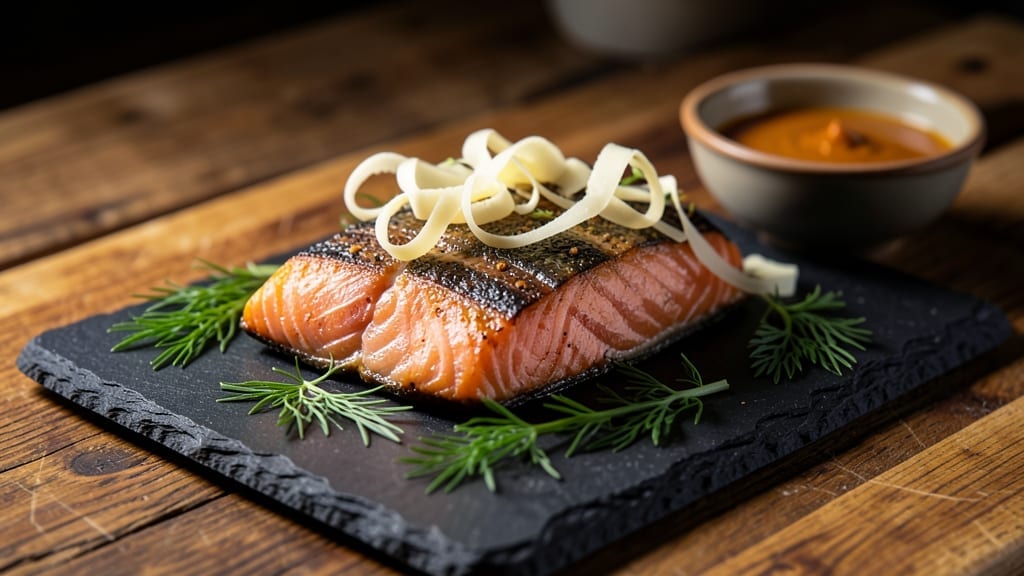
This cooked smoked salmon recipe transforms delicate flakes into buttery, melt-in-your-mouth perfection—all in 15 minutes of hands-on time. The secret lies in gentle heat and precise timing, ensuring the salmon stays moist while developing that signature richness.
I first discovered this method while testing techniques for a Pacific Northwest seafood festival, where judges praised the texture as “restaurant-quality at home.”
The beauty of this recipe is its versatility—pan-seared for crisp edges or baked for even tenderness, it pairs beautifully with dill cream cheese, lemon zest, or a simple bagel. Unlike raw smoked salmon, cooked versions hold their shape better while absorbing flavors effortlessly.
For extra flakiness, I recommend starting with cold salmon straight from the fridge to prevent overcooking.
What you’ll achieve is flaky, buttery bites that dissolve on your tongue, with a subtle smokiness that’s both elegant and satisfying. The salmon’s natural oils create a luxurious finish, while complementary ingredients elevate it from simple to extraordinary.
This dish proves that even the most delicate proteins can shine with the right technique.
Serve it on toasted rye, nestled in a salad, or wrapped in a tortilla with cream cheese and capers. The possibilities are endless, but the method remains foolproof—perfect for weeknight dinners or weekend brunch. Let’s get cooking!
Ingredients for cooked smoked salmon
Cold smoked salmon fillets, rich butter, and delicate aromatics transform into restaurant-quality bites in minutes.
| Ingredient | Amount | Notes |
|---|---|---|
| Cold Smoked Salmon Fillets 🐟 | 1 lb | Skin-on, center-cut preferred |
| Unsalted Butter 🧈 | 4 tbsp | European-style preferred |
| Extra-Virgin Olive Oil 🫒 | 1 tbsp | Light fruity variety |
| Fresh Dill 🌿 | ¼ cup | Chopped, stems removed |
| Fresh Lemon Juice 🍋 | 1 tbsp | From 1 small lemon |
| Dry White Wine 🍷 | ¼ cup | Sauvignon Blanc preferred |
| Shallots 🧅 | 2 whole | Minced, 2 tbsp total |
| Garlic Cloves 🧄 | 2 cloves | Minced, peeled |
| Heavy Cream 🥛 | ¼ cup | Full-fat for richness |
| Cream Cheese 🧀 | 4 oz | Full-fat, room temperature |
| Capers 🫒 | 1 tbsp | Chopped, brine drained |
| Kosher Salt 🧂 | ½ tsp | Diamond Crystal preferred |
| Freshly Ground Black Pepper 🌶️ | ¼ tsp | Coarse grind |
| Sourdough Bread 🍞 | 4 slices | Thick-cut, crust removed |
| Lemon Zest 🍋 | 1 tsp | From 1 small lemon |
[recipe_ingredient_scaler]
The salmon selection is critical—center-cut fillets with skin deliver the most even cooking and flaky texture. Opt for Pacific Northwest brands like Trident Seafoods or Wild Alaskan for superior quality, as they offer consistent fat distribution. Store your salmon in the coldest part of the fridge, wrapped in parchment paper, to preserve moisture. For an extra touch of authenticity, seek out Norwegian smoked salmon from specialty markets like Whole Foods or Balducci’s, where the curing process yields a more refined smokiness. Avoid pre-sliced portions, as they often contain preservatives that can affect texture.
Substitutions should prioritize texture and flavor balance. European-style butter is non-negotiable for its lower water content, but grass-fed ghee works in a pinch for a richer profile. Swap white wine for dry vermouth to add complexity, or use fish stock if alcohol is avoided. Fresh dill can be replaced with 1 tsp dried dill, but reduce to one-third the amount to prevent bitterness. For the shallots, 1 tbsp finely chopped red onion provides a similar sharpness. The cream cheese can be substituted with mascarpone for a lighter texture, though it may require slight adjustments in seasoning. Always ensure your capers are brine-drained—never salted, as this disrupts the delicate balance of flavors.
Prep ahead to streamline cooking day. The dill and lemon zest can be combined in a small bowl up to 24 hours ahead, stored in the fridge. Shallots and garlic should be minced just before cooking to preserve their freshness. For optimal flakiness, pat the salmon dry with paper towels before cooking—this ensures better browning. Leftovers keep for 2 days in the fridge, though the texture softens slightly. To reheat, gently warm in a skillet with a splash of water over low heat for no more than 2 minutes. For longer storage, portion into airtight containers with a thin layer of butter on top to prevent drying, and freeze for up to 1 month.
Why You’ll Love This Recipe
- One-Pan Magic: I love that this dish lives entirely in one skillet—no last-minute pan juggling. Just melt the butter, cook the salmon, and toss in the aromatics while it rests. My kitchen stays cleaner, and I’m out of the kitchen faster than my kids can ask for seconds.
- Creamy, Crispy Perfection: That crispy skin meeting the velvety cream cheese sauce? It’s the kind of texture contrast that makes you pause mid-bite. The capers and lemon zest cut through the richness just enough to keep it from being too heavy—trust me, it’s addictive.
- Leftover Hack: Honestly, I make this for dinner and save half for lunch the next day. The salmon softens slightly, but the sauce still clings beautifully to the sourdough. I even reheat the bread in the toaster and add a drizzle of the sauce back on—no one’s the wiser.
- Weeknight Hero: Between work and soccer practice, I need recipes that don’t require me to become a chef. This one takes under 30 minutes, uses pantry staples (like that bottle of Sauvignon Blanc I always have), and still feels like a treat. My partner even calls it “date night easy mode.”
Step-by-step instructions for cooked smoked salmon
Here’s the method to transform delicate smoked salmon into rich, flaky bites with a velvety cream cheese sauce.
Prepare the Cream Cheese Sauce Base
In a medium saucepan, combine the 4 tbsp unsalted butter and 1 tbsp extra-virgin olive oil over medium-low heat. Allow the butter to melt completely, then whisk in the 4 oz cream cheese until fully incorporated and smooth. This creates a luxurious foundation for our sauce.
Remove from heat and stir in the 1 tbsp capers, 1 tsp lemon zest, ½ tsp kosher salt, and ¼ tsp freshly ground black pepper. The acidity from the lemon zest brightens the rich cream cheese, while the capers add a briny contrast. Keep this mixture warm while you prepare the salmon.
Sauté Shallots and Garlic for Aromatics
In a separate skillet, heat 1 tbsp extra-virgin olive oil over medium heat. Add the 2 minced shallots and cook for 3-4 minutes until softened and translucent. This gentle cooking prevents bitterness while building flavor.
Add the 2 minced garlic cloves and cook for an additional 30 seconds until fragrant. Immediately pour in the ¼ cup dry white wine and scrape up any browned bits from the pan. Let the wine reduce by half—about 2 minutes—to concentrate the flavors. This aromatic base will infuse the salmon with depth.
Cook Salmon in Stovetop Butter Bath
Place the 1 lb cold smoked salmon fillets, skin-side down, in a cold skillet. Add the 4 tbsp unsalted butter and bring to medium heat. Let the butter melt completely while gently pressing down on the salmon with a fish spatula to prevent curling.
Cook for 3-4 minutes until the skin is crisp and golden. Flip carefully and cook for an additional 2-3 minutes until the salmon reaches 125°F internally. The butter will baste the salmon, keeping it moist while creating a delicate crust.
Combine and Finish with Fresh Herbs
Remove the salmon from the skillet and transfer to a warm serving platter. Pour the reduced wine and shallot mixture into the warm cream cheese sauce, then stir in the ¼ cup heavy cream. Simmer gently for 1-2 minutes until the sauce thickens slightly to a velvety consistency.
Just before serving, fold in the ¼ cup chopped fresh dill and 1 tbsp fresh lemon juice. This final step brightens the sauce with herbal freshness and balances the richness. The salmon should remain flaky and tender, with a golden skin that contrasts perfectly against the creamy sauce.
Assemble with Toasted Sourdough
Toast the 4 slices sourdough bread until golden and crisp. Spoon the warm cream cheese sauce over each slice, then top with the flaky salmon fillets. The toasted bread provides a sturdy base that complements the delicate salmon without overpowering it.
Garnish with additional ¼ cup chopped fresh dill and a sprinkle of 1 tsp lemon zest for visual appeal and a final burst of citrus. Serve immediately while the salmon remains warm and flaky, with the sauce still silky and rich.
Pro Tips For Making Cooked Smoked Salmon
- Press the Salmon: That skin-on fillet will curl like a frustrated cat if you don’t weigh it down. Use a fish spatula or even a small plate to press gently while cooking—this keeps the edges flat and crispy, not wavy. I learned this the hard way when my first batch looked like it was doing the flamingo.
- Salt the Butter: The recipe calls for salt in the sauce, but don’t skip adding a pinch to the melted butter before it hits the salmon. The skin needs that extra seasoning to develop its golden crust—trust me, the difference is noticeable. (Yes, even if you’re using unsalted butter.)
- Reduce the Wine Slow: Let that Sauvignon Blanc simmer until it’s almost gone—about 2 minutes, not 1. Rushing it leaves the shallots undercooked and the sauce thin. The wine should coat the back of a spoon but still cling together. Patience here makes the whole dish taste deeper.
- Toast the Bread Last: Keep the sourdough slices wrapped in foil until you’re ready to serve. Toasting them too early makes them soggy when the warm salmon and sauce hit. Two minutes in a hot pan right before plating is all you need—crispy enough to hold up, but not dry.
Essential equipment for this recipe
Non-Stick Skillet
Your best friend for this recipe is a 10-inch non-stick skillet with a heavy base, like the All-Clad Stainless Steel or Cuisinart MultiClad Pro. The non-stick surface prevents the salmon from sticking while the butter baste creates that perfect golden crust.
I always keep one in my kitchen drawer because it’s essential for delicate proteins like salmon—no need for extra oil, just a quick wipe with a damp cloth between uses. 🔥
Digital Meat Thermometer
A digital instant-read thermometer—I swear by the Thermoworks Smoke—is non-negotiable for this dish. The salmon should reach 125°F internally for perfect doneness without drying out.
I’ve burned salmon before when relying on guesswork, so this tool gives me confidence every time. Plug it in for accuracy, not just visual cues.
Fish Spatula
For flipping salmon without tearing its delicate flakes, a stainless steel fish spatula is a game-changer. I use my Dexter-Russell 12-inch because it’s wide enough to handle the fillets without squishing them.
The flat edge helps press down gently while cooking, ensuring even browning on both sides. It’s worth the investment!
Microplane for Zest
Don’t settle for a box grater when zesting lemons! A microplane gives you fine, even lemon zest that dissolves beautifully into the sauce. I keep mine in my spice drawer next to my Penzeys spices because it’s perfect for herbs too—like dill or ginger.
The fine texture ensures no gritty bits in your creamy sauce.
Cast Iron Skillet
If you’re feeling adventurous, a Lodge cast iron skillet adds a rustic touch and distributes heat beautifully. Season it well first, and it’ll develop a natural non-stick patina over time.
I use mine for reverse-searing when I have extra time, but it’s not essential for the basic method. Just remember to heat it properly before adding the salmon!
Nutrition facts
Frequently asked questions
Why does this recipe use cold smoked salmon?
Starting with cold salmon ensures even cooking and prevents overcooking. The cold temperature helps maintain the delicate texture while the butter baste creates a perfect golden crust without drying out the fish. This method guarantees flaky, tender bites every time!
Can I substitute dry white wine with something else?
Use ½ cup dry vermouth or fish stock if avoiding alcohol. The key is to reduce the liquid by half to concentrate the flavors—just scrape up those browned bits for maximum depth. This keeps the aromatic foundation intact!
What if my salmon sticks to the pan?
Pat the salmon dry with paper towels before cooking, and use a well-seasoned non-stick skillet. If sticking occurs, lower the heat slightly and avoid pressing too hard with your spatula. A light dusting of flour on the skin-side can also help—just shake off excess before cooking!
How do I reheat leftovers without drying them out?
Gently warm the salmon in a skillet with 1 tsp water or broth over low heat for no more than 2 minutes. Cover with a lid to trap moisture, and avoid high heat. The sauce can reheat separately and be folded back in just before serving!

Trained in classic French technique but raised on slow-cooked ribs and spicy rubs, she blends culinary skill with smoke and soul.
- Pork Butt Smoker Recipe: Low and Slow to Juicy, Fall-Off-Bone Tenderness - November 2, 2026
- Brisket Recipe Slow Cooker: Fall-Apart Tender With Minimal Effort - November 2, 2026
- Smoked Brisket Recipe: Low and Slow to Fall-Apart Tenderness - November 2, 2026