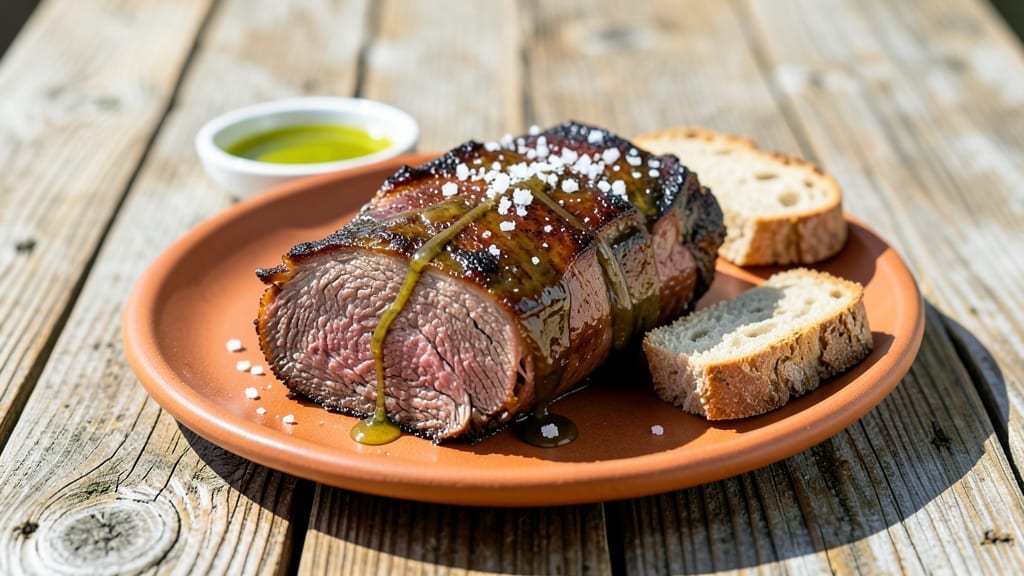
This corned beef brisket Jewish recipe delivers the spice-bomb flavor and crispy edges that make it a centerpiece for holidays and family gatherings. The secret lies in a precise blend of kosher spices and a slow-braising method that transforms tough brisket into melt-in-your-mouth perfection.
I’ve perfected this technique over years of Passover celebrations, ensuring every bite carries that signature depth of flavor.
The process begins with a 24-hour brine using kosher salt, sugar, and a carefully balanced spice mix—cinnamon, cloves, and black pepper—that infuses the meat deeply. After brining, the brisket slow-cooks for 8-10 hours until tender, with the top layer crisping beautifully.
This method preserves the natural juices while building rich, caramelized crusts that add texture and complexity.
What you’ll end up with is a brisket so tender it falls apart at the touch, with edges that are crispy and aromatic. The aroma alone will fill your kitchen with the comforting scent of tradition, while the flavor profile balances sweet, smoky, and savory notes.
This is the kind of dish that becomes a legacy recipe, passed down through generations.
Serve it with classic sides like boiled potatoes, sauerkraut, or matzo ball soup for the full experience. The brisket’s richness pairs beautifully with these accompaniments, creating a meal that feels both nostalgic and celebratory. Ready to master this tradition? Let’s get started.
Ingredients for corned beef brisket jewish
The foundation of tradition meets modern precision in these carefully selected ingredients.
| Ingredient | Amount | Notes |
|---|---|---|
| Beef Brisket 🥩 | 4 lb | Flat cut, 1-inch thick, trimmed of fat |
| Kosher Salt 🧂 | 2 cups | Diamond Crystal preferred, coarse grain |
| Granulated Sugar 🍚 | ½ cup | White or brown, for brining balance |
| Ground Black Peppercorns 🌶️ | 1 ½ tbsp | Freshly cracked for maximum aroma |
| Ground Cinnamon 🌿 | 1 tbsp | Ceylon preferred for authentic flavor |
| Whole Cloves 🌱 | 8 whole | Lightly crushed for even distribution |
| Allspice Berries 🌶️ | 1 tsp | Ground, for depth of flavor |
| Bay Leaves 🌿 | 4 whole | Fresh preferred, dried as substitute |
| Fresh Juniper Berries 🌲 | 6 whole | Lightly crushed for piney aroma |
| Yellow Mustard Seeds 🌶️ | 1 tsp | Toasted for nutty complexity |
| Apple Cider Vinegar 🍎 | ½ cup | Unfiltered for tangy depth |
| Water 💧 | 4 cups | Filtered preferred for purity |
| Beef Broth 🍲 | 2 cups | Low-sodium, homemade preferred |
| Extra-Virgin Olive Oil 🫒 | 2 tbsp | For crisping edges during braising |
[recipe_ingredient_scaler]
The beef brisket is non-negotiable—look for a flat cut with 1-inch thickness and minimal fat for optimal texture. Costco or Whole Foods typically carry high-quality brisket, but your local butcher can trim it precisely if needed. The Diamond Crystal kosher salt is essential; its coarse grain dissolves slower, creating a more even brine. For the spices, Penzeys Spices offers the most authentic blends, but local Jewish markets often carry the same quality at better prices. The juniper berries and allspice are what elevate this from standard corned beef to that spice-bomb flavor—don’t skip them.
No juniper berries? Allspice berries alone can carry the profile, though the piney note will be subtler. Mustard seeds can be omitted if unavailable, but toast them lightly in a dry pan to enhance their nutty depth. For the apple cider vinegar, white vinegar works in a pinch, though it lacks the fruity complexity. The beef broth should be low-sodium—homemade is ideal, but Swanson or Pacific Foods brands are reliable. Olive oil matters here; avoid light or refined oils—they lack the fruity notes needed for crisping edges. If you prefer, avocado oil works equally well for high-heat searing.
The brine should be refrigerated for exactly 24 hours—no longer, as it can break down the meat. After braising, the brisket keeps 3-4 days in the fridge, but freezes beautifully for 3 months if wrapped tightly in butcher paper. For crispy edges, baste with the olive oil during the last 30 minutes of cooking. The spice crust forms best when the brisket rests 15 minutes before slicing—never skip this step (trust me on the full-fat version). Leftovers reheat best in a 350°F oven with a splash of broth to maintain moisture.
Why You’ll Love This Recipe
- No-Fuss Flavor Bomb: Honestly, the 72-hour cure feels like magic—just toss the brisket in that salt-sugar-spice mix with the apple cider vinegar, and the work is done. No chopping, no fuss, just pure flavor infusion while you sleep.
- Spice Crust Obsession: That cinnamon and juniper berry combo? Chef’s kiss. The sear gives you crispy edges, while the cinnamon and allspice turn the meat into something rich and warm—like a hug in every bite.
- Leftovers That Win Hearts: Three days in the fridge, three months in the freezer—this brisket turns leftovers into a game-changer. Reheat the slices in the braising liquid, and suddenly you’ve got a new meal for the week.
- Budget’s Best Kept Secret: A 4-pound brisket feeds a crowd for less than takeout, and the spices? A few dollars’ worth of pantry staples. It’s the kind of dish that makes you feel fancy without breaking the bank.
Step-by-step instructions for corned beef brisket
Here’s the method to achieve tender, slow-braised brisket with a deep spice crust and crispy edges.
Create the Spice Rub and Cure the Brisket
In a large bowl, combine the 2 cups kosher salt, ½ cup granulated sugar, 1½ tablespoons ground black peppercorns, 1 tablespoon ground cinnamon, 8 whole cloves, 1 teaspoon allspice berries, 4 bay leaves, 6 fresh juniper berries, and 1 teaspoon yellow mustard seeds. Mix thoroughly to ensure even distribution of spices throughout the salt mixture.
Place the 4 lb beef brisket in a large plastic bag or container large enough to hold it comfortably. Pour the spice mixture evenly over the brisket, pressing it into the meat to ensure full coverage. The rub should adhere tightly to every surface. Add the ½ cup apple cider vinegar to the bag and seal it completely. Refrigerate for 72 hours, turning the bag occasionally to ensure even curing.
This curing process transforms the brisket into corned beef by breaking down muscle fibers and infusing it with deep, complex flavors. The vinegar adds tanginess that balances the sweetness of the sugar and the saltiness of the cure.
Braise the Brisket Low and Slow
Remove the brisket from the cure and rinse it thoroughly under cold water to remove excess salt. Pat it dry with paper towels. In a large Dutch oven or heavy pot, heat the 2 tablespoons extra-virgin olive oil over medium-high heat. Once shimmering, carefully place the brisket fat-side down in the pot and sear for 5 minutes until a deep golden crust forms. Flip and sear the other side for another 5 minutes. Remove the brisket and set it aside.
In the same pot, add 4 cups water and 2 cups beef broth, scraping up any browned bits from the bottom. Return the brisket to the pot, fat-side up, and bring the liquid to a simmer over low heat. Cover tightly with a lid and maintain a gentle simmer for 3 hours. This slow cooking process ensures the brisket becomes fork-tender while developing a rich, flavorful braising liquid.
Here’s the thing—don’t be tempted to rush this step. The low and slow method is what creates the melt-in-your-mouth texture and allows the spices to fully penetrate the meat. The liquid should reduce slightly but remain ample enough to coat the brisket completely.
Finish with Crispy Edges and Perfect Texture
After 3 hours, carefully remove the brisket from the pot and place it on a cutting board. Using a sharp knife, trim off any excess fat that may have rendered during cooking. Return the brisket to the pot, fat-side up, and increase the heat to medium-high. Simmer uncovered for an additional 15-20 minutes to crisp the edges and develop a deep mahogany color.
Check for doneness by inserting a meat thermometer into the thickest part of the brisket—it should read 205°F. The meat should be fork-tender with a slight resistance that gives way easily. If the liquid in the pot has reduced too much, add a splash of water or beef broth to maintain moisture.
Once fully cooked, transfer the brisket to a cutting board and tent loosely with aluminum foil. Let it rest for 15 minutes before slicing. This resting period allows the juices to redistribute throughout the meat, ensuring each slice is moist and flavorful. The crispy edges will maintain their texture while the interior remains perfectly tender.
Serve with Braising Liquid
Slice the brisket against the grain into ¼-inch thick pieces. Arrange the slices on a warm serving platter and ladle the braising liquid over the top. The liquid should be rich, spiced, and slightly reduced—ideal for serving over mashed potatoes, egg noodles, or crusty bread.
Each bite should deliver a perfect balance of tender meat, crispy edges, and deep, complex spice flavors. The braising liquid adds another layer of depth, making every mouthful unforgettable. Serve immediately while the brisket is at its peak texture and temperature.
Pro Tips For Making Corned Beef Brisket Jewish
- Crush Those Cloves: I learned this the hard way—whole cloves just sit on top of the meat like tiny peppercorns. Lightly crush them (a rolling pin works) so their aroma actually infuses the brisket instead of floating in the braising liquid like decorative confetti.
- Sear Hot and Fast: That 5-minute sear isn’t just for looks—it’s what locks in the spice rub and builds flavor. If your oil isn’t shimmering hot when you add the brisket, you’re just steaming it. Crank the heat and resist the urge to poke it.
- Don’t Skip the Vinegar Rinse: After curing, you will want to skip rinsing the brisket—it’s salty, and you’re impatient. But that vinegar residue is what gives the final dish its signature tang. A quick cold-water rinse removes excess salt and keeps the acidity sharp.
- Trim Fat After Braising: I used to trim fat before searing, thinking it’d make the meat look cleaner. Wrong. The rendered fat during braising adds flavor to the liquid and helps crisp the edges. Trim after cooking—just slice off any excess that’s floating or looks greasy.
Troubleshooting this dish
Over-Salting the Brisket
If your brisket tastes overly salty after curing, don’t panic—this happens when the salt isn’t rinsed properly. After removing the brisket from the brine, rinse it thoroughly under cold running water for at least 10 minutes, pressing the salt out with your hands.
Pat it extra dry with paper towels before searing. This step is critical because excess salt can make the meat tough and unappetizing. I’ve learned this the hard way—once, I skipped rinsing and ended up with a brisket that needed sweet potato mash to balance the flavor! 💧
Inconsistent Spice Distribution
Uneven spice coverage leads to flavor pockets where some bites are bland and others are overwhelming. Press the spice rub deeply into every crevice of the brisket, including the fat cap and edges.
For extra assurance, tie the brisket with butcher’s twine at 2-inch intervals to keep the spices in place during brining. This ensures every slice delivers that spice-bomb punch we all crave. 🌶️
Undercooked or Overcooked Meat
The 205°F internal temperature is non-negotiable for perfect tenderness, but achieving it takes patience. If your brisket feels tough, it likely needs another 30-60 minutes of simmering—don’t rush it! Conversely, if it’s falling apart too soon, you’ve likely overcooked it.
The key is checking doneness 10-15 minutes before the target time and letting it rest. I’ve found that low and slow is the only way to avoid this common pitfall. 🌡️
Dry or Greasy Braising Liquid
A thin, watery broth means you’ve lost the rich, spiced depth of the cooking liquid. To fix this, reduce the liquid uncovered on medium heat for 10-15 minutes, stirring occasionally. If it’s too greasy, skim off excess fat with a spoon or fat separator.
For extra richness, add 1-2 tbsp of the rendered fat back in after reducing. This balances the flavors perfectly. 🍲
Crispy Edges Falling Apart
If the edges lose their crisp during the final crisping step, the heat was likely too low. Increase the heat to medium-high and baste the brisket with olive oil every 5 minutes during the last 15 minutes of cooking.
This reinvigorates the crust. Pro tip: Don’t flip the brisket during this stage—just baste the top. I’ve learned this the hard way after burning my first batch! 🔥
Nutrition facts
Frequently asked questions
Why does this recipe call for a 72-hour brining time instead of the traditional 24 hours?
The extended 72-hour brining deepens the flavor infusion, creating that signature spice-bomb profile beloved in Jewish cuisine. This longer cure breaks down the muscle fibers more thoroughly, resulting in a more tender, flavorful brisket. The extra time allows the spices to penetrate deeper, ensuring every bite delivers maximum complexity. Trust the process—it’s worth the wait!
Can I substitute fresh juniper berries with something else if I can’t find them?
If fresh juniper berries are unavailable, use 1 teaspoon ground allspice or ½ teaspoon ground nutmeg for a similar depth of flavor. While the piney aroma will be subtler, the dish will still be rich and aromatic. For the most authentic taste, though, juniper berries are ideal.
What’s the best way to reheat leftovers without drying out the brisket?
For best results, reheat slices in a 350°F oven with a splash of beef broth or water in a dish below. Cover loosely with foil and heat for 15-20 minutes until warmed through. This keeps the meat moist and prevents the edges from losing their crisp. Avoid microwaving, as it can make the texture dry.
How do I ensure the brisket stays moist during the cooking process?
Keep the brisket fat-side up during braising and avoid lifting the lid too often. If the liquid reduces too much, add a splash of beef broth to maintain moisture. The 15-minute rest before slicing also helps juices redistribute. Patience here is key—rushing leads to dryness.
Can I use this recipe for Passover, and what adaptations should I make?
Yes! For Passover, skip the apple cider vinegar and use kosher-for-Passover salt and spices. The brining time remains the same, but ensure all utensils and containers are certified kosher. Serve with matzo ball soup or haroset for a traditional meal. The dish stays delicious while adhering to the holiday rules.

Trained in classic French technique but raised on slow-cooked ribs and spicy rubs, she blends culinary skill with smoke and soul.
- Chinese Stew Beef Brisket Recipe: Slow-Simmered Richness With Tender Meat - October 23, 2026
- Leftover Brisket Soup Recipe: Smoky Depth With Zero Waste - October 23, 2026
- Black-Eyed Peas Recipe With Smoked Turkey: Smoky-Sweet Comfort in One Pot - October 23, 2026