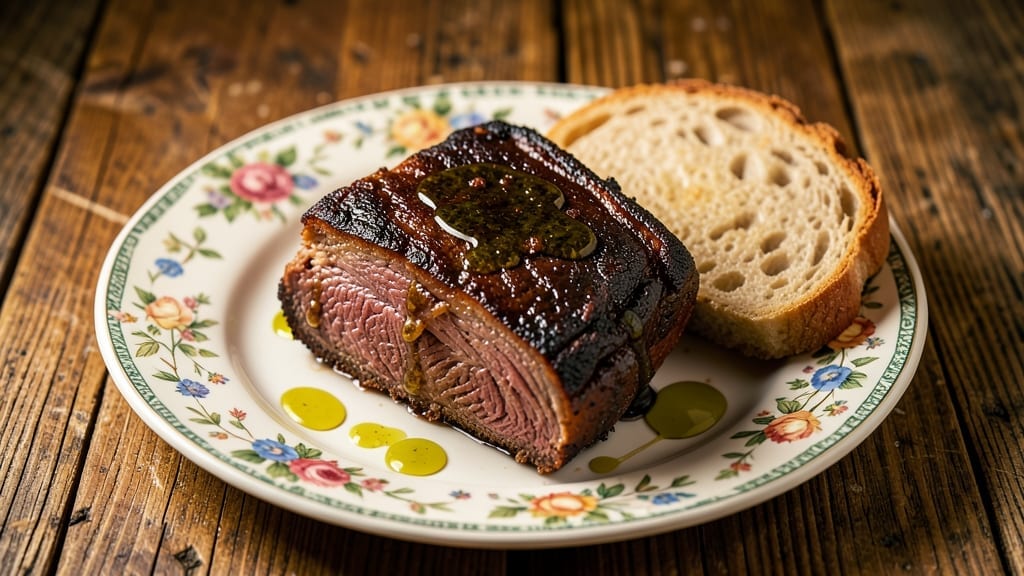
Transforming a tough cut of beef into tender, melt-in-your-mouth brisket has never been easier than with this crock pot beef brisket recipe. The slow cooker does all the heavy work while you focus on simple seasoning and prep—no need for hours at the stove or specialized equipment.
I developed this method after years of experimenting with brisket, and it consistently delivers restaurant-quality results with minimal effort.
What makes this recipe stand out is the combination of precise seasoning and the right cooking technique. A well-balanced rub of salt, pepper, and garlic powder creates a flavorful crust, while a splash of apple cider vinegar tenderizes the meat from the inside out.
The slow cooker’s gentle heat breaks down the connective tissue over time, resulting in brisket that practically falls apart at the touch of a fork.
By the time you’re ready to serve, you’ll have perfectly tender brisket that’s juicy, flavorful, and ready to slice against the grain for maximum tenderness.
The beauty of this method is its versatility—whether you’re serving it as a standalone main dish or pairing it with classic sides like mashed potatoes or crusty bread, the results are always impressive.
This recipe is a game-changer for busy weeknights or special occasions, offering a high-protein, low-carb option that’s both satisfying and easy to customize. Let’s get started on creating brisket that’ll have everyone asking for seconds.
Ingredients for crock pot beef brisket
Slow-cooked perfection with just a handful of quality ingredients transforms tough brisket into tender, restaurant-worthy meat.
| Ingredient | Amount | Notes |
|---|---|---|
| Beef Brisket 🥩 | 3 ½ lb | Flat cut preferred, trimmed of fat |
| Apple Cider Vinegar 🍎 | ¼ cup | For marinating and tenderizing |
| Kosher Salt 🧂 | 1 ½ tbsp | For seasoning, not iodized |
| Black Pepper 🌶️ | 1 tbsp | Freshly ground preferred |
| Garlic Powder 🧄 | 1 ½ tbsp | For aromatic depth |
| Onion Powder 🧅 | 1 tbsp | Enhances savory profile |
| Brown Sugar 🍚 | 2 tbsp | Balances saltiness |
| Beef Broth 🥄 | 1 cup | Low-sodium preferred |
| Olive Oil 🫒 | 1 tbsp | For searing brisket |
| Fresh Rosemary 🌿 | 1 tbsp | Chopped, for herbal notes |
| Fresh Thyme 🌿 | 1 tbsp | Chopped, aromatic boost |
| Dry Red Wine 🍷 | ¼ cup | Cabernet or Merlot |
| Cornstarch 🌾 | 1 tbsp | For thickening juices |
[recipe_ingredient_scaler]
The brisket cut is everything here. Flat-cut brisket from a trusted butcher—like Whole Foods or Costco—offers the best balance of tenderness and flavor. Trim the exterior fat to an even quarter-inch for even cooking. The Kosher salt is non-negotiable; its coarse texture clings better to the meat than table salt. For the apple cider vinegar, brandy vinegar adds a subtle caramel note that elevates the dish. When selecting the wine, opt for Cabernet Sauvignon or Merlot—they provide enough body to complement the meat without overpowering it.
No red wine? Substitute beef broth with 1 tablespoon balsamic vinegar for depth. Fresh rosemary and thyme are ideal, but dried herbs at half the amount work perfectly if you’re short on time. For the brown sugar, dark brown sugar adds molasses richness that lighter varieties lack. The cornstarch needs to be fine-ground—instant cornstarch works best for clear thickening. If you prefer a sweeter glaze, reduce the beef broth by half and add an extra tablespoon of brown sugar before mixing with cornstarch.
This recipe shines when made ahead. After cooking, let the brisket rest for 20-30 minutes before slicing to retain juices. Store leftovers in an airtight container in the fridge for up to 5 days, or freeze portions for 3 months for future meals. The juices can be reheated separately and used as a sauce for cornbread or mashed potatoes. For optimal texture, slice the brisket against the grain—this shortens muscle fibers for maximum tenderness. The slow cooker keeps the meat moist, but if you prefer a crispier crust, broil for the final 2 minutes.
Why You’ll Love This Recipe
- No-Fuss Feast: That sear in the pan takes five minutes max—seriously, it’s the only active step. After that, you dump everything in the crock pot and forget about it for 8 hours while the apple cider vinegar and garlic powder work their magic. Honestly, this is the kind of recipe that lets you host a dinner party without the hostess jitters.
- Chewy-Sweet Perfection: The brown sugar caramelizes into the juices while the red wine and rosemary give it that deep, savory complexity. You get that crispy crust from the sear, but the inside? So tender it practically falls apart. My daughter picks out the rosemary sprigs from her plate, but she still asks for seconds—no lie.
- Leftover Legend: This makes so much brisket that you’ll have leftovers for days. Freeze half for game day or meal prep lunches, and the rest? Perfect for tacos, sandwiches, or even just reheated with a drizzle of that thickened sauce. I’ve pulled this out of the freezer three months later, and it still tastes like it came straight from the crock pot.
- Budget’s Best Kept Secret: A 3.5-pound brisket feeds a crowd without breaking the bank—especially when you’re using pantry staples like kosher salt and garlic powder. The wine and fresh herbs elevate it, but you can easily swap in dry sherry or skip them if needed. It’s the kind of recipe that makes you feel fancy without the fancy price tag.
Step-by-step instructions for slow-cooked beef brisket
Here’s the method for achieving melt-in-your-mouth brisket with minimal effort.
Prepare and Sear the Brisket
Pat the 3½ lb beef brisket dry with paper towels, then season both sides generously with 1½ tbsp kosher salt, 1 tbsp black pepper, 1½ tbsp garlic powder, and 1 tbsp onion powder. This dry rub will penetrate the meat and create a flavorful crust.
Heat 1 tbsp olive oil in a large skillet over medium-high heat. Once shimmering, add the brisket fat-side down and sear for 4-5 minutes until a deep golden-brown crust forms. Flip and sear the other side for another 3-4 minutes. This step develops flavor and helps tenderize the meat. Transfer the brisket to the slow cooker once seared.
Build the Flavor Base
In the same skillet, add ¼ cup apple cider vinegar and scrape up any browned bits from the bottom. Let it simmer for 1-2 minutes until slightly reduced. Then pour this mixture into the slow cooker along with 2 tbsp brown sugar, 1 tbsp chopped fresh rosemary, and 1 tbsp chopped fresh thyme. The vinegar tenderizes while the sugar caramelizes slightly for depth.
Add ¼ cup dry red wine to the slow cooker and stir to combine. The wine adds complexity and helps break down the tough fibers in the brisket. Place the seared brisket on top of these ingredients, fat-side up, so the rendered fat bastes the meat during cooking.
Slow Cook to Perfection
Pour 1 cup beef broth over the brisket, ensuring it’s partially submerged. Set the slow cooker to low heat and cook for 8-10 hours. This long, gentle cooking time is what transforms tough brisket into fork-tender slices. The broth keeps the meat moist while the slow cooking breaks down connective tissues.
Here’s the thing—don’t peek or lift the lid during cooking. Every time you open it, you release heat and moisture, which can extend cooking time by up to 30 minutes. The brisket is done when it reaches an internal temperature of 200-205°F and a fork slides in easily. This usually happens around the 8-hour mark, but your oven might run hotter, so start checking at the 7-hour mark with a meat thermometer.
Thicken the Juices
Once the brisket reaches the proper temperature, remove it from the slow cooker and tent loosely with aluminum foil. Let it rest for 15-20 minutes while you prepare the sauce. This resting period allows the juices to redistribute throughout the meat, ensuring each slice stays moist.
In a small bowl, whisk together 1 tbsp cornstarch with 2 tbsp cold water until smooth. Slowly stir this mixture into the cooking juices in the slow cooker. Return the slow cooker to low heat and cook for 5-7 minutes, stirring occasionally, until the sauce thickens to a glossy consistency. This step creates a rich, velvety sauce that clings beautifully to the brisket.
Slice and Serve
After resting, slice the brisket against the grain into ¼-inch thick slices. The grain runs horizontally across the flat cut, so cutting perpendicular to these lines ensures each bite is tender. Arrange the slices on a serving platter and ladle the thickened juices over the top.
Serve immediately with the sauce spooned over each portion. The brisket should be fork-tender with a rich, caramelized crust, and the sauce should coat each bite with a balance of sweet, tangy, and savory flavors. This method guarantees a brisket that’s so tender it practically melts in your mouth.
Pro Tips For Making Crock Pot Beef Brisket
- Sear Until Golden: DESCRIPTION: That skillet needs to be hot—not just warm, not just “smoking a little.” You’re aiming for a mirror-glaze shimmer in the oil before the brisket hits it. I used to rush this, and my crust ended up pale and flavorless. Take the extra 30 seconds to let the oil get screaming hot, then sear each side until it’s deep brown with crisp edges. Trust me, the difference in flavor is night and day.
- Vinegar First, Always: DESCRIPTION: After searing, don’t skip scraping up those browned bits with the apple cider vinegar—this is where the magic happens. Those bits are pure flavor, and the vinegar deglazes them into a tangy, caramelized paste that clings to the brisket. I learned this the hard way by skipping it once and ended up with brisket that tasted like it was missing something. Deglaze aggressively, even if it means splashing a little extra vinegar to loosen everything.
- Resist the Peek: DESCRIPTION: I know you’re curious. I know you need to check. But every time you lift that lid before 7 hours, you’re stealing heat and moisture—and adding 30 minutes to your cook time. The brisket will finish just fine without your interference. If you’re worried, invest in a cheap meat thermometer and check through the lid instead. Your patience will pay off with juicier, more tender meat.
- Rest Before Slicing: DESCRIPTION: That 15-20 minute rest isn’t optional—it’s the difference between brisket that stays moist and brisket that bleeds juices all over your plate. Tent it loosely with foil and let it sit while you thicken the sauce. I used to slice it immediately, and the first few bites were always dry. The rest redistributes the juices, so every slice stays as tender as the first. (Yes, even if you’re starving and the smell is killing you.)
Wine and beer pairings for this dish
Bold Reds for Rich Depth
The deep, fruity notes of a Cabernet Sauvignon from Napa Valley pair perfectly with this brisket’s robust flavors. I reach for a 2018 vintage with its dark cherry and mocha undertones to complement the caramelized sugars and savory spices.
The tannins cut through the fat while enhancing the meat’s natural richness—trust me, it’s a match made in slow-cooker heaven. 🍷
Craft Beer Complements
A smoky porter like Guinness or a barrel-aged stout adds complexity to the dish’s sweet-tangy profile. The roasted maltiness balances the vinegar’s acidity, while the bitterness cleanses your palate between bites.
For a lighter option, try a Belgian dubbel—its caramel and spice notes harmonize beautifully with the rosemary and thyme. 🍺
White Wine Surprise
Don’t overlook Pinot Noir—its bright red fruit and earthy notes surprisingly complement the brisket’s depth. A 2020 Oregon Pinot with its cherry and cola undertones bridges the gap between red and white pairings.
The acidity keeps the dish from feeling too heavy, while the fruitiness enhances the sauce’s sweetness. 💫
Beer Pairing Pro Tips
If you’re serving guests, offer a dry cider like Woodchuck Hard Cider alongside the beer—its crisp apple notes refresh the palate between bites. For a non-alcoholic option, a ginger beer with its spicy kick cuts through the richness. Always serve drinks chilled to enhance their complementary qualities. ❄️
Wine Serving Temp
Serve your Cabernet slightly below room temperature—around 60°F—to preserve its aromatics while balancing the dish’s heat. For the Pinot Noir, aim for 55°F to highlight its delicate fruit notes. A quick dip in ice water before decanting works wonders for both. 🌡️
Nutrition facts
Frequently asked questions
Why does the recipe call for searing the brisket before slow cooking?
The searing step creates a flavorful crust on the outside while tenderizing the meat from the inside. This 4-5 minute sear in olive oil develops deep caramelized flavors that the slow cooker will infuse into the brisket throughout the 8-10 hours of cooking. Skipping this step would leave you with less flavorful, less tender meat.
Can I use beef broth instead of the red wine in this recipe?
Yes, you can substitute 1 cup beef broth for the ¼ cup dry red wine, but the wine adds complexity and helps tenderize the meat more effectively. If using broth, add 1 tablespoon balsamic vinegar to mimic the wine’s acidity and depth. The flavor will be slightly different but still delicious.
How do I know when the brisket is fully cooked?
The brisket is done when it reaches an internal temperature of 200-205°F and a fork slides in easily. Use a meat thermometer to check around the 7-hour mark, as cooking times can vary. The meat should be fork-tender and pull apart with minimal effort. This usually happens around the 8-hour mark on low heat.
Can I make this recipe ahead of time?
After cooking, let the brisket rest for 15-20 minutes before slicing. Store leftovers in an airtight container in the fridge for up to 5 days or freeze portions for 3 months. The juices can be reheated separately and used for other dishes like cornbread or mashed potatoes. Resting is key to retaining juices!
What if my slow cooker runs hotter than usual?
If your slow cooker tends to cook faster, start checking the brisket’s internal temperature around 6-7 hours instead of waiting until 8 hours. Overcooking can dry out the meat, so remove it from the heat once it reaches 200°F and let it rest. This ensures perfect tenderness without drying it out.

Trained in classic French technique but raised on slow-cooked ribs and spicy rubs, she blends culinary skill with smoke and soul.
- Chinese Braised Beef Brisket with Daikon Recipe: Silky Tender Meat and Crunchy Roots - October 18, 2026
- Oklahoma Joe’s Smoked Beans Recipe: Slow-Smoked Flavor That Rivals the Original - October 18, 2026
- Beef Brisket Chili Recipe: Slow-Simmered Richness with Deep Flavor Layers - October 18, 2026