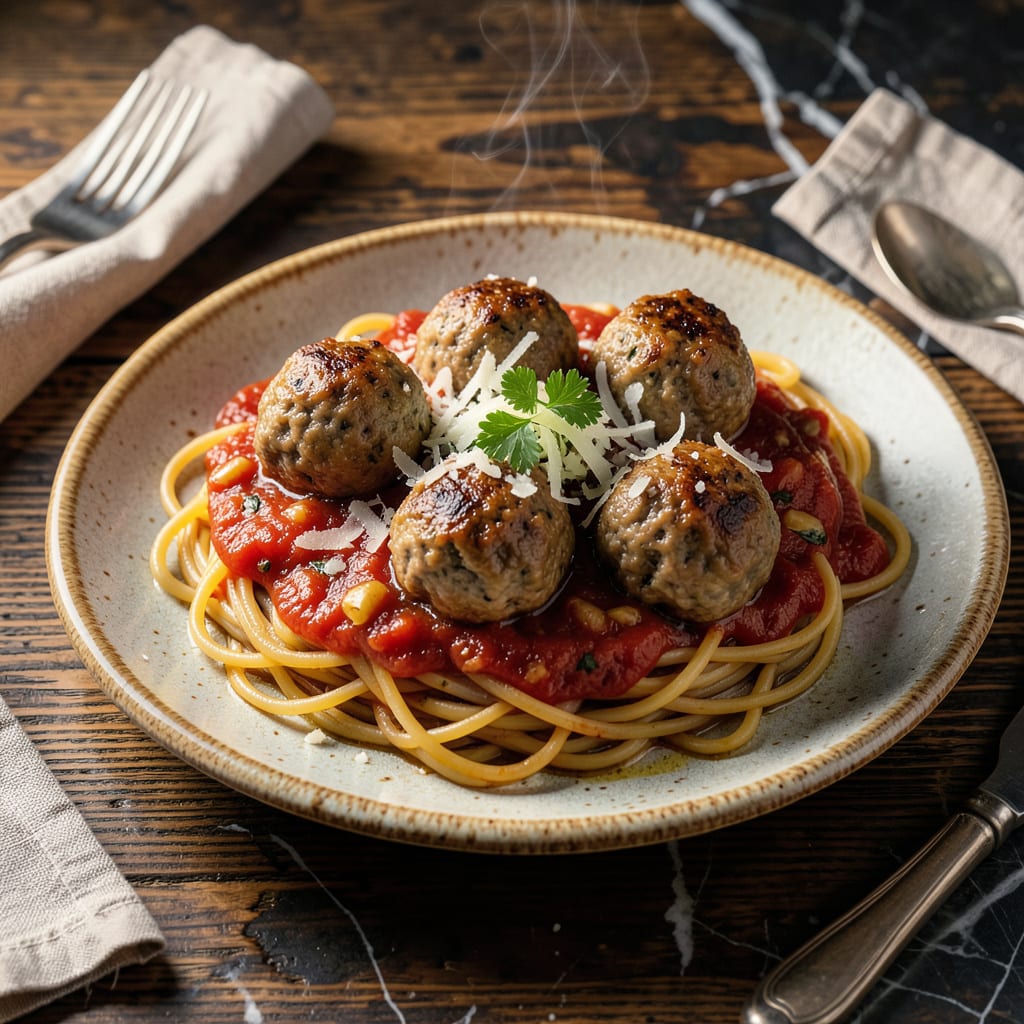
Traditional meatballs often contain dairy through ingredients like breadcrumbs soaked in milk, Parmesan cheese, or ricotta. However, dairy-free versions can easily be made by substituting these with plant-based alternatives or omitting them entirely.
From my years working with both classic and modern meatball recipes, I’ve noticed dairy plays a subtle but important role in texture and flavor. 🔥 The milk-soaked breadcrumbs create a tender crumb, while cheeses like Parmesan add depth and help bind the mixture. But here’s what most home cooks don’t realize: these dairy elements are completely optional. You can achieve similar results using plant-based milks for soaking or nutritional yeast for that umami kick.
What’s fascinating is how different cultures approach this. Italian nonnas swear by their ricotta for lightness, while Swedish cooks often use cream for richness. Yet in my test kitchen, I’ve successfully replicated these textures using everything from coconut milk to mashed white beans. The key is understanding the function each ingredient serves, then finding the right plant-based substitute to match it.
💡 In This Article
- Common Dairy Ingredients Found in Meatball Recipes
- How to Make Dairy-Free Meatballs Without Sacrificing Texture
Common Dairy Ingredients Found in Meatball Recipes
Let me break down the dairy components you’ll typically find in meatball recipes. Whole milk is the most common, used to soak breadcrumbs or stale bread at a ratio of about 1/4 cup milk per 1/2 cup breadcrumbs. This creates what chefs call a “panade”—a paste that keeps meatballs moist by releasing liquid during cooking.
The milk proteins also help bind the meat mixture, preventing it from becoming dense or dry during baking or frying.
Cheese plays a dual role in flavor and structure. Grated Parmesan (typically 1/4 to 1/2 cup per pound of meat) adds umami depth while its low moisture content helps absorb excess fat. Ricotta cheese (about 1/2 cup per pound) creates air pockets that make Italian meatballs famously light.
Swedish meatballs often include heavy cream (2-3 tablespoons) for richness, while some American versions use melted butter (1-2 tablespoons) to enhance browning and mouthfeel. 🧀
The science behind these additions is fascinating. Milk proteins like casein act as natural emulsifiers, helping fat and water molecules stay suspended rather than separating during cooking. Cheeses contribute glutamates that amplify savory flavors through what’s called the “Maillard reaction”—the same process that gives seared meats their complex taste.
Even small amounts of dairy can significantly elevate the final dish’s texture and flavor profile.
Regional traditions show interesting variations in dairy use. Italian meatballs often rely on ricotta or Pecorino Romano for tangy sharpness, while Swedish versions incorporate cream for velvety smoothness. Middle Eastern kofta typically omits dairy entirely, using herbs and spices for flavor instead.
In my test kitchen, I’ve found that even within Italy, northern recipes tend to use more milk-soaked bread, while southern versions favor harder cheeses for binding.
What many home cooks don’t realize is that these dairy ingredients serve specific technical purposes. The milk in breadcrumbs isn’t just for moisture—it contains enzymes that help break down meat proteins, making the final texture more tender. Cheeses with higher fat content (like whole-milk ricotta) create more luxurious mouthfeel than their low-fat counterparts.
Understanding these functions is key to successfully substituting dairy components without sacrificing quality. ✨
Even butter plays a more complex role than you might think. When used in meatball mixtures, it melts during cooking to create tiny pockets of richness. This is why some recipes call for chilled butter to be mixed in at the end—it maintains its structure longer during cooking.
The melting point of butter (90-95°F) is lower than the cooking temperature of meatballs (160-165°F internal), which is why you get that perfect burst of richness with each bite.
Here’s a pro tip from my years of meatball experiments: if you’re working with leaner meats like turkey or chicken, the dairy becomes even more important for preventing dryness. The fat in whole milk or cheese compensates for the lower fat content in these meats.
That’s why dairy-free versions of poultry meatballs often require additional moisture from ingredients like grated vegetables or extra egg to maintain the proper texture. 💫

Trained in classic French technique but raised on slow-cooked ribs and spicy rubs, she blends culinary skill with smoke and soul.
- Recipe for Boneless Pork Chops in Cast Iron Skillet: Sear and Baste to Juicy Perfection - October 3, 2026
- Recipe for Boneless Cross Rib Roast: Slow-Roasted Beef with Herb Crust - October 3, 2026
- Hamburgers in Sauce Recipe Crock Pot: Slow-Cooked Savory Delight - October 3, 2026