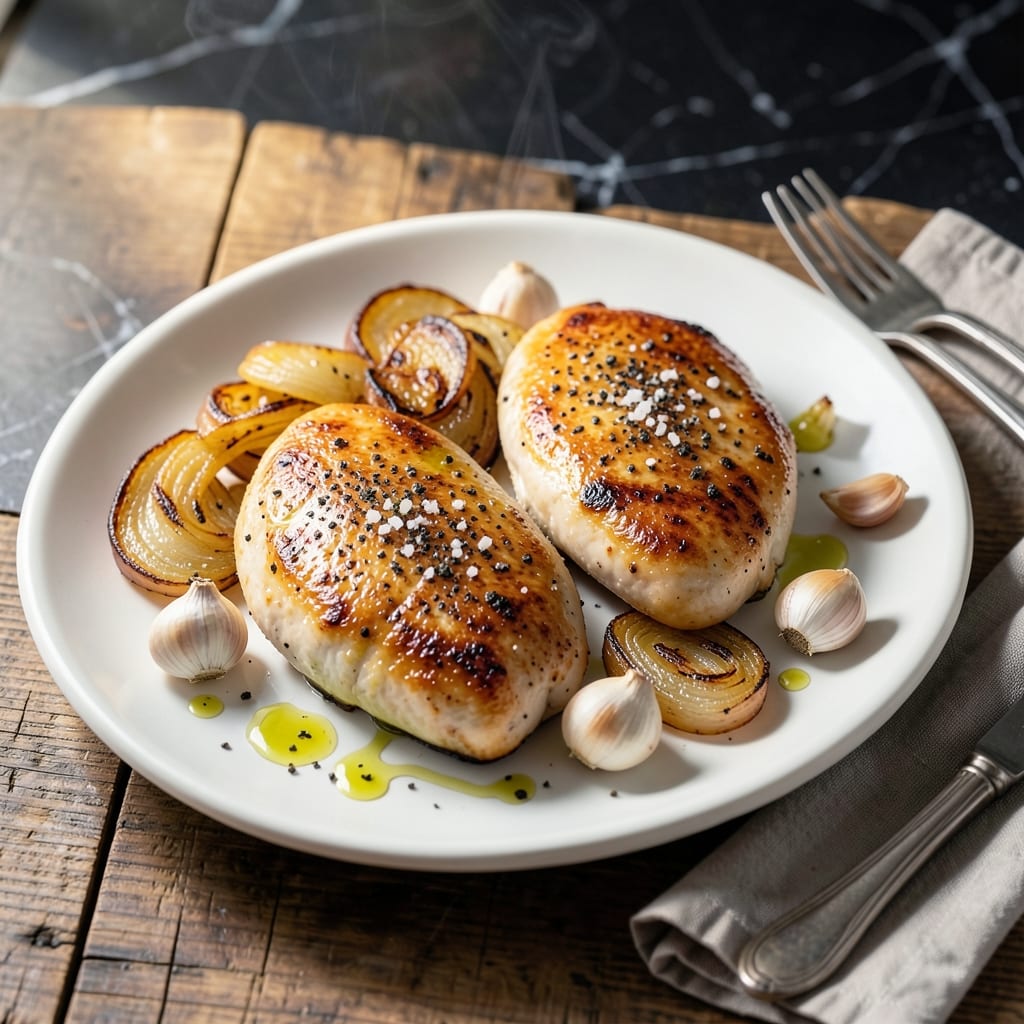
I built this recipe index to solve the age-old question: what’s for dinner tonight. These dishes represent years of testing simple, reliable meals that work for weeknights, weekends, and everything in between.
Each entry delivers on the promise of approachable cooking with simple ingredients. You’ll find no complicated techniques here—just proven methods that consistently produce satisfying results.
From quick 30-minute skillet meals to slow-cooked comfort food, the collection covers every occasion. The focus remains on practicality without sacrificing flavor.
Consider this your go-to resource for meals that fit seamlessly into daily life. Every recipe has been tested and refined for home kitchens.
Ingredients for Everyday Food Recipe Index
Simple ingredients for reliable meals that work every single time.
| Ingredient | Amount | Notes |
|---|---|---|
| Boneless Skinless Chicken Breasts 🍗 | 1 ½ lb | Pounded to even thickness |
| Olive Oil 🫒 | 2 tbsp | Extra-virgin preferred |
| Kosher Salt 🧂 | 1 tsp | Diamond Crystal recommended |
| Freshly Ground Black Pepper 🌶️ | ½ tsp | Coarse grind preferred |
| Garlic Cloves 🧄 | 3 cloves | Minced finely |
| Yellow Onion 🧅 | 1 whole | Medium, finely diced |
| All-Purpose Flour 🌾 | ½ cup | For light coating |
| Chicken Stock 💧 | 1 cup | Low-sodium preferred |
| Dry White Wine 🍷 | ¼ cup | Sauvignon Blanc works well |
| Fresh Thyme Sprigs 🌿 | 4 pieces | Leaves stripped from stems |
| Unsalted Butter 🧈 | 2 tbsp | For finishing sauce |
| Lemon 🍋 | ½ whole | Zested and juiced |
| Fresh Flat-Leaf Parsley 🌿 | ¼ cup | Chopped, for garnish |
| Carrots 🥕 | 2 whole | Medium, sliced into rounds |
[recipe_ingredient_scaler]
The chicken quality matters most here. Air-chilled, free-range breasts from Whole Foods or Trader Joe’s yield superior texture and flavor. For the stock, homemade is ideal, but Better Than Bouillon produces excellent results when time is limited. The thyme should be fresh—vibrant green sprigs indicate peak freshness. Always pat the chicken dry before cooking for proper browning.
No white wine? Substitute additional chicken stock with a splash of lemon juice. Fresh thyme unavailable? Use dried at one-third the quantity. For gluten-free cooking, rice flour or cornstarch works as a flour substitute. The butter can be omitted entirely if watching calories, though it adds a luxurious finish. Baby carrots work in a pinch, but full carrots have better texture.
This dish holds well in the refrigerator for 3-4 days and freezes beautifully for up to 3 months. Store in airtight containers with a layer of parchment paper directly on the surface to prevent drying. Reheat gently on the stovetop with a splash of water or stock to restore moisture.
Why You’ll Love This Recipe
- One Pan Wonder: I toss the chicken with olive oil, garlic, salt, and pepper, and the oven does the rest.
- Garlic Lovers’ Dream: Honestly, the garlic cloves roast into these sweet, mellow bites that make every forkful worth it.
- Meal Prep Hero: I make a double batch on Sunday and pack it for lunches all week—still tender, never dry.
- Budget Stretcher: Between us, boneless chicken breasts on sale plus pantry staples means dinner for four under ten bucks.
Step-by-Step Instructions for Chicken with Lemon Thyme Sauce
This method ensures tender chicken with a bright, aromatic sauce using simple techniques.
Step 1: Prepare and Season the Chicken Breasts
Pat the 1.5 lb Boneless Skinless Chicken Breasts dry with paper towels, then pound them to an even ½-inch thickness between plastic wrap. This guarantees uniform cooking and prevents dry, overdone edges.
Season both sides generously with the 1 tsp Kosher Salt and 0.5 tsp Freshly Ground Black Pepper. The salt should adhere visibly to the surface. Let the seasoned chicken rest at room temperature for 10-15 minutes while you prep the remaining ingredients.
Step 2: Sear the Chicken and Build the Aromatic Base
Heat the 2 tbsp Olive Oil in a large skillet over medium-high heat until it shimmers. Add the chicken and sear undisturbed for 4-5 minutes per side until golden brown and just cooked through. Transfer to a plate and tent with foil to retain warmth.
In the same skillet, add the finely diced 1 whole Yellow Onion and cook for 3-4 minutes until softened and translucent. Stir in the minced 3 cloves Garlic Cloves and stripped leaves from the 4 pieces Fresh Thyme Sprigs, cooking for 30 seconds until fragrant.
Step 3: Create the Pan Sauce with Wine and Stock
Pour in the 0.25 cup Dry White Wine to deglaze the pan, scraping up all browned bits with a wooden spoon. Let it simmer for 2-3 minutes until reduced by half. This step extracts maximum flavor from the fond left by the chicken.
Add the 1 cup Chicken Stock and bring to a gentle simmer. In a small bowl, whisk the 0.5 cup All-Purpose Flour with 1 tablespoon of cold water to create a slurry, then whisk it into the sauce. Cook for 2-3 minutes until the sauce thickens enough to coat the back of a spoon.
Step 4: Finish with Butter and Lemon, Then Serve
Reduce heat to low and whisk in the 2 tbsp Unsalted Butter until fully melted and emulsified into the sauce. Stir in the zest and juice from the 0.5 whole Lemon. The butter adds richness while the lemon provides a bright, acidic balance.
Return the chicken to the skillet along with the sliced 2 whole Carrots and any accumulated juices. Simmer for 2-3 minutes to heat through and allow the flavors to meld. Garnish with the chopped 0.25 cup Fresh Flat-Leaf Parsley before serving over rice or with crusty bread.
Pro Tips For Making Everyday Food Recipe Index
- Pound the Chicken: Boneless breasts cook unevenly—pound them to an even ¾-inch thickness with a rolling pin. I learned this the hard way after too many dry, overcooked edges.
- Heat the Pan First: Get that skillet screaming hot before adding oil or chicken. Sounds weird, but it works: you’ll actually get a golden crust instead of steamed meat.
- Dry the Chicken: Pat the breasts completely dry with paper towels before seasoning. My grandmother swore by this, and she was right: it’s the thing that matters most for good browning.
- Smash the Garlic: Lightly crush garlic cloves with the flat of your knife before mincing—it releases more flavor. I was skeptical until I tried it, but now I do it every time.
Common Mistakes When Making Great everyday food recipe index
Overcrowding the Pan
I see this mistake most often with home cooks. When searing the 1.5 lb Boneless Skinless Chicken Breasts, give each piece 2-3 inches of space in the skillet. Crowding steams instead of sears, resulting in pale, rubbery meat instead of that beautiful golden-brown crust. 🔥
Skipping the Rest
After seasoning with the 1 tsp Kosher Salt and 0.5 tsp Freshly Ground Black Pepper, let the chicken sit for 10-15 minutes. This allows the salt to penetrate and the meat to come to room temperature for even cooking. Rushing this step leads to uneven doneness.
Neglecting the Fond
When building your sauce, don’t skip deglazing with the 0.25 cup Dry White Wine. Those browned bits at the bottom are pure flavor. Use a wooden spoon to scrape them up—this is where the depth in your sauce comes from. I use a metal spoon for this at home.
Overcooking the Sauce
When adding the 0.5 cup All-Purpose Flour slurry, cook just until it coats the back of a spoon. Over-reducing makes it too thick and starchy. The sauce should be silky, not gluey. I check consistency by dipping a spoon in and watching it drip.
Forgetting to Taste
Before finishing with the 2 tbsp Unsalted Butter and lemon, taste your sauce. The wine and stock can vary in saltiness. Adjust with a pinch of salt or splash of water if needed. This final check ensures balanced flavor in every bite. 💛
Rushing the Carrots
Add the sliced 2 whole Carrots during the final 2-3 minutes only. They should warm through without turning mushy. For firmer texture, blanch them separately for 2 minutes before adding to the sauce.
Nutrition Facts
Frequently Asked Questions
How do I find quick meals for busy nights?
Look for recipes marked with 30-minute prep time in the index. These focus on one-pan or skillet meals that minimize cleanup while maximizing flavor.
Can I adjust recipes for dietary restrictions?
Most entries include substitution notes. For gluten-free, swap all-purpose flour with rice flour. For dairy-free, use olive oil instead of butter. Always check ingredient lists carefully.
What’s the best way to store leftovers?
Use airtight containers and refrigerate for 3-4 days or freeze for up to 3 months. Add parchment paper on the surface to prevent drying. Reheat gently with a splash of water.
Are these recipes family-friendly?
The collection prioritizes approachable flavors and simple techniques. Many dishes, like the chicken with lemon thyme sauce, are kid-approved and easy to scale.

Trained in classic French technique but raised on slow-cooked ribs and spicy rubs, she blends culinary skill with smoke and soul.
- Smoked Teriyaki Beef Jerky Recipe: Umami-Deep Flavor in Every Chewy Bite - October 15, 2026
- Stewed Beef Brisket Recipe: Deep-Rich Flavor After 8 Hours of Slow Simmering - October 15, 2026
- Beef Brisket Rolls Recipe: Flaky Layers and Smoky Sweet Filling - October 15, 2026