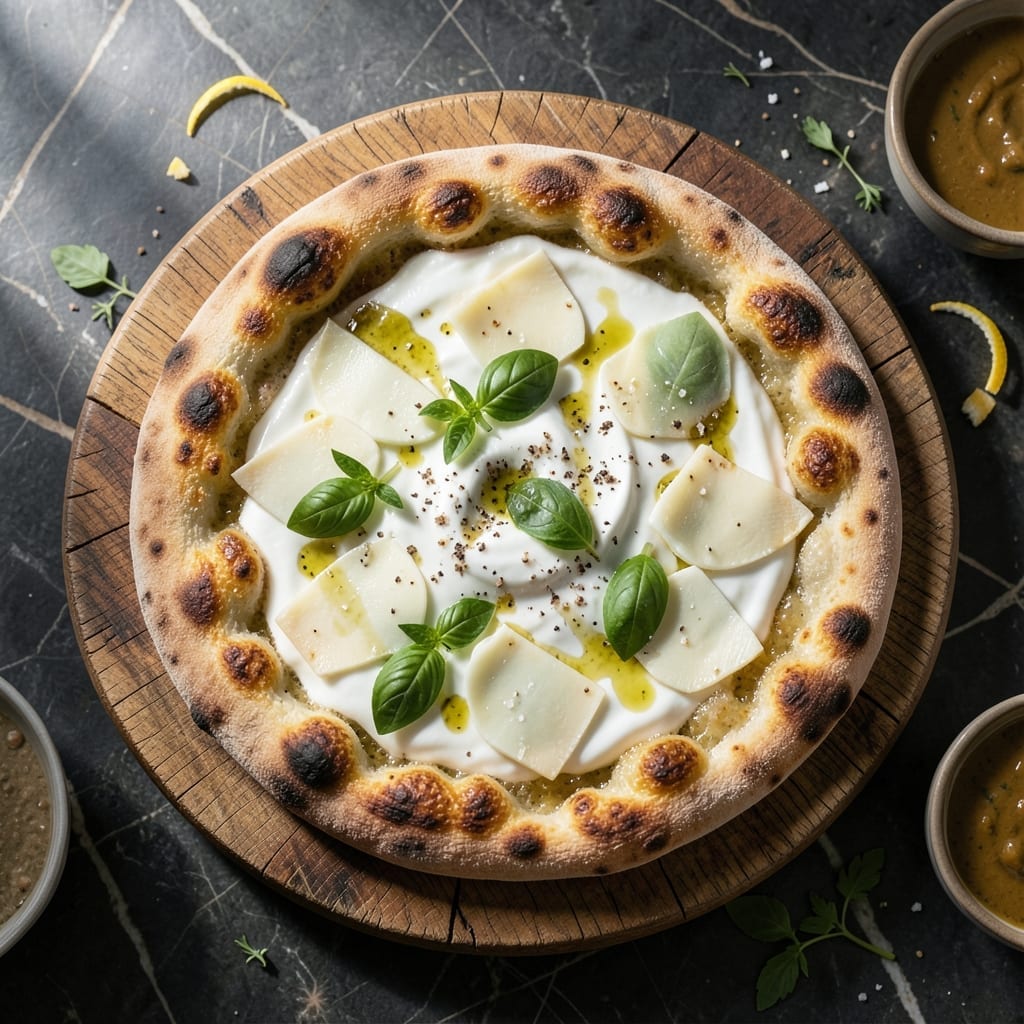
Creating a pizza that’s gentle on digestion without sacrificing flavor is absolutely possible. This approach focuses on a low-acid crust paired with mild, soothing toppings to keep things comfortable.
The crust uses a simple base that skips traditional high-acid ingredients, while the toppings are chosen for their gentle nature. Light cheese and carefully selected vegetables ensure every bite is satisfying yet easy on the stomach.
What you’ll get is a dish that delivers the familiar comfort of pizza without the usual triggers. The texture remains crispy and delicious, proving that dietary needs don’t mean compromising on taste.
Perfect for a cozy night in when you want something familiar but tailored to your needs. Here’s how to make it.
Ingredients for Gerd Friendly Pizza
A gentle twist on pizza night with mild ingredients and a soothing crust.
| Ingredient | Amount | Notes |
|---|---|---|
| All-Purpose Flour 🌾 | 2 ½ cups | Low-protein for tender crust |
| Baking Powder 🧂 | 1 tbsp | For gentle rise, no yeast |
| Olive Oil 🫒 | ¼ cup | Mild, light variety preferred |
| Plain Greek Yogurt 🥛 | ½ cup | Full-fat for richness, low acid |
| Water 💧 | ¼ cup | Lukewarm for dough |
| Salt 🧂 | ½ tsp | Fine sea salt preferred |
| Low-Moisture Mozzarella Cheese 🧀 | 8 oz | Freshly shredded, part-skim |
| Mild Cheddar Cheese 🧀 | 4 oz | Shredded, low-fat option |
| Zucchini 🥒 | 1 whole | Thinly sliced, no seeds |
| Bell Pepper 🌶️ | ½ whole | Any color, diced small |
| Fresh Spinach 🥬 | 1 cup | Chopped, well-drained |
| Olive Oil 🫒 | 1 tbsp | For brushing crust |
| Dried Oregano 🍃 | ½ tsp | For light seasoning |
| Garlic Powder 🧄 | ¼ tsp | Mild flavor, no fresh garlic |
[recipe_ingredient_scaler]
The flour and yogurt combo is the secret here. King Arthur flour works great for a reliable, low-protein base, while Fage Greek yogurt adds tenderness without the acidity of traditional dough. Look for part-skim mozzarella to keep things light—Sargento or Frigo are solid, widely available options. The zucchini should be fresh and firm, not those giant, seedy ones that can make the topping watery.
No zucchini? Thinly sliced eggplant (salted and drained first) or mushrooms make great swaps. Spinach can be swapped for kale or Swiss chard, but cook it down first to avoid a soggy crust. If you need to skip the cheddar, just double the mozzarella. The dried oregano can be substituted with basil or thyme if you prefer a different herbal note.
The dough can rest in the fridge for up to 24 hours if you want to prep ahead. Leftovers keep well for 3-4 days—reheat in a toaster oven to maintain that crisp texture. Freeze extras (unbaked) for a quick meal later.
Why You’ll Love This Recipe
- No Fuss Dough: I mix the flour, baking powder, yogurt and water in one bowl—no yeast, no waiting, just roll it out and go.
- Mild & Satisfying: The olive oil base keeps it rich but gentle, and the yogurt gives that soft, pillowy texture without the usual acidity.
- Weeknight Hero: Between us, I’ve made this for lazy Fridays and last-minute gatherings, and it’s always a hit.
- Stretches Far: One batch makes two pizzas, so I stash leftovers in the fridge for quick lunches the next day.
Step-by-Step Instructions for Gerd Friendly Pizza
Here’s the method I’ve perfected to create a gentle, flavorful pizza that won’t trigger acid reflux.
Step 1: Prepare the Low-Acid Dough
In a large mixing bowl, whisk together the 2.5 cups All-Purpose Flour, 1 tbsp Baking Powder, and 0.5 tsp Salt. The baking powder gives us lift without yeast, which can be problematic for GERD sufferers. Make a well in the center of your dry ingredients.
Pour in the 0.25 cup Olive Oil, 0.5 cup Plain Greek Yogurt, and 0.25 cup Water. I use full-fat Greek yogurt here because its richness balances the lack of traditional pizza flavors we’re avoiding. Mix with a wooden spoon until a shaggy dough forms—the texture should be slightly sticky but not wet.
Step 2: Shape and Pre-Bake the Crust
Turn the dough onto a lightly floured surface and knead gently for 2-3 minutes until smooth. Divide into two equal portions for personal-sized pizzas. Press each portion into a ¼-inch thick round on parchment-lined baking sheets.
Preheat your oven to 400°F. This moderate temperature prevents the cheese from burning while ensuring the crust cooks through. Brush the dough lightly with 1 tbsp Olive Oil and sprinkle with 0.5 tsp Dried Oregano and 0.25 tsp Garlic Powder—just enough for flavor without being harsh.
Pre-bake the crust for 8-10 minutes until the edges just begin to turn light golden brown. This step creates a barrier that prevents the toppings from making the crust soggy.
Step 3: Prepare the Mild Toppings
While the crust pre-bakes, prepare your vegetables. Using a mandoline or sharp knife, thinly slice the 1 whole Zucchini into rounds—no need to remove the skin as it’s mild and nutritious. Dice the 0.5 whole Bell Pepper into small, even pieces.
Chop the 1 cup Fresh Spinach and press between paper towels to remove excess moisture. This step is crucial—wet spinach will make your pizza watery. Combine the 8 oz Low-Moisture Mozzarella Cheese and 4 oz Mild Cheddar Cheese in a bowl. I shred them fresh for better melting and texture.
Step 4: Assemble and Finish Baking
Remove the pre-baked crusts from the oven. Evenly distribute the cheese blend over each crust, leaving a ½-inch border for the crust. The low-moisture mozzarella prevents excess grease, while mild cheddar adds depth without acidity.
Arrange the zucchini slices in a single layer, then scatter the diced bell pepper and spinach evenly. Avoid piling toppings too high—this can create steam that makes the crust gummy. Return to the 400°F oven and bake for 12-15 minutes until the cheese is fully melted and the crust is golden brown.
Let rest for 2 minutes before slicing. The cheese should be bubbly but not browned, and the crust should hold up well to slicing without being too crisp.
Pro Tips For Making Gerd Friendly Pizza
- Preheat the Pan: Heat your baking sheet or cast iron for 10 minutes at 425°F before adding the dough—I learned this the hard way when my first few pizzas came out soggy.
- Drain the Yogurt: Strain your Greek yogurt in a fine mesh sieve for 15 minutes to remove excess liquid, or your dough will be sticky and hard to handle.
- Skip the Overmixing: Stir the dough just until it comes together—overworking it develops gluten, which makes the crust tough instead of light and digestible.
- Use Parchment Paper: Roll the dough on parchment and slide it onto the hot pan—no more struggling with a peels or scraping crust off the surface.
Best Sauces and Condiments for gerd friendly pizza
Low-Acid Sauce Base
I use a simple white sauce made with 2 tbsp olive oil, 2 tbsp all-purpose flour, and 1 cup whole milk for creaminess without acidity. It creates a smooth, mild base that won’t trigger reflux.
Herb-Infused Oil
For extra flavor, I mix ¼ cup olive oil with ½ tsp dried basil and ¼ tsp dried oregano. Brush this lightly over the crust before baking. It adds depth without the acidity of tomato sauce. 🌿
Mild Pesto Option
Blend 1 cup fresh spinach, ¼ cup mild cheddar, 2 tbsp olive oil, and 1 tbsp pine nuts for a gentle pesto. It’s creamy, flavorful, and easy on the stomach.
Light Cheese Sauce
Combine ½ cup low-moisture mozzarella with ¼ cup Greek yogurt and 1 tbsp milk. Warm gently to create a smooth, mild sauce that pairs perfectly with veggies.
Drizzle Finishes
After baking, a light drizzle of 1 tsp honey or 1 tbsp olive oil adds subtle sweetness or richness. Avoid anything spicy or citrus-based to keep it GERD-friendly.
Fresh Herb Garnish
Sprinkle 1 tsp fresh basil or ½ tsp fresh parsley on top for a fresh, aromatic finish. It brightens the dish without any harshness. 💛
Nutrition Facts
Frequently Asked Questions
Why use baking powder instead of yeast?
Baking powder creates lift without fermentation, which can trigger reflux. It’s gentler on digestion while still giving a light, airy crust. No waiting for dough to rise either!
Can I add tomato sauce if I tolerate it?
Yes, but use a low-acid variety in small amounts. Look for brands labeled “no acid added” and apply a very thin layer. Even mild sauces can be problematic for some.
How do I store leftovers safely?
Cool completely, then refrigerate in an airtight container for up to 3 days. Reheat in a toaster oven to maintain crispness. Avoid microwaving, which can make the crust soggy.
What cheese works best for GERD?
Low-moisture mozzarella and mild cheddar are ideal. They melt well without being greasy or acidic. Skip strong cheeses like blue cheese or pepper jack.

Trained in classic French technique but raised on slow-cooked ribs and spicy rubs, she blends culinary skill with smoke and soul.
- Meatball Curry Recipe Kerala Style: Coconut-Spiced Gravy With Tender Bites - October 3, 2026
- Recipe for Curried Tofu: Aromatic Spices With Crispy Edges - October 3, 2026
- Recipe for Dumplings in Crock Pot: Fluffy Pillows with Minimal Effort - October 3, 2026