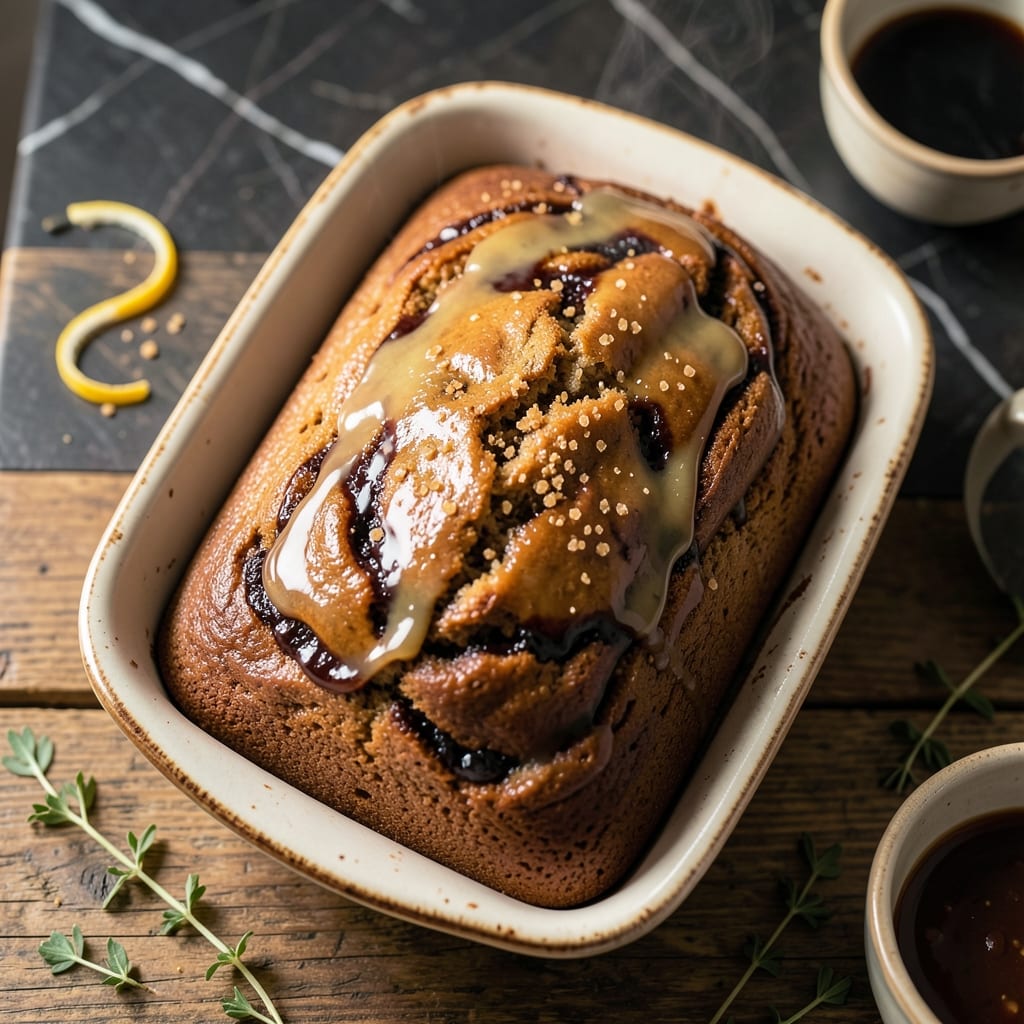
There’s something magical about the aroma of warm ginger bread filling your kitchen, especially when the bread machine does most of the work. This recipe delivers a moist, spiced loaf with minimal effort and maximum flavor.
I’ve refined this method to ensure the perfect balance of molasses sweetness and ginger warmth. The bread machine handles the mixing, kneading, and baking, leaving you with a tender, fragrant loaf every time.
What makes this version special is its simplicity—just measure, add, and let the machine work. No complicated steps, no guesswork, just consistent results with that signature ginger spice.
Ideal for holiday mornings or a cozy afternoon treat, this loaf pairs beautifully with butter or cream cheese. Here’s how to make it.
Ingredients for Ginger Bread Recipe for Bread Machine
A handful of pantry staples and warm spices create this fragrant, tender loaf.
| Ingredient | Amount | Notes |
|---|---|---|
| Bread Flour 🌾 | 3 cups | All-purpose works in a pinch |
| Light Brown Sugar 🍚 | ¼ cup | Packed, for sweetness |
| Molasses 🫙 | ⅓ cup | Unsulphured for best flavor |
| Water 💧 | 1 ¼ cups | Warm, about 80°F |
| Unsalted Butter 🧈 | 2 tbsp | Melted and cooled |
| Ground Ginger 🌿 | 1 ½ tsp | Fresh is best, but ground works |
| Ground Cinnamon 🍂 | 1 tsp | Ceylon or cassia variety |
| Ground Cloves 🌰 | ¼ tsp | Use sparingly for warmth |
| Baking Soda ⚗️ | ½ tsp | For proper rise |
| Salt 🧂 | ½ tsp | Fine sea salt preferred |
| Active Dry Yeast 🍞 | 2 ¼ tsp | Or one packet, proofed |
| Vanilla Extract 🌿 | 1 tsp | Pure vanilla for depth |
[recipe_ingredient_scaler]
The molasses is key here—unsulphured has a cleaner, more complex flavor than blackstrap. King Arthur or Bob’s Red Mill bread flour gives the best structure. For the ginger, fresh grated is ideal, but ground works perfectly if that’s what you have. Most grocery stores carry these in the baking aisle, and I’ve had great results with both store brands and specialty flours.
No molasses? Honey or maple syrup can substitute, though the flavor will be slightly different. Short on spices? Pumpkin pie spice can cover the cinnamon, cloves, and ginger in one go (use 1.75 tsp). The butter can be swapped for coconut oil if you prefer a dairy-free option. Just ensure your liquids are warm but not hot to avoid killing the yeast.
Store the loaf wrapped tightly at room temperature for up to 3 days, or freeze for 3 months. Slice before freezing for easy toasting later. The bread machine does the work, but a quick check halfway through ensures even baking.
Why You’ll Love This Recipe
- I’ll be real: this gingerbread toasts up perfectly even on day three, so nothing goes to waste.
- Set It and Forget: I just dump the flour, molasses, and butter in the machine and let it do the work—no kneading, no mess.
- Warm Spice Hug: The molasses and brown sugar bake into this deep, cozy sweetness that fills the kitchen.
- Holiday or Tuesday: Honestly, it’s just as good with tea on a random afternoon as it is for Christmas morning.
Step-by-Step Instructions for Ginger Bread
Here’s the method, designed specifically for your bread machine’s capabilities and constraints.
Step 1: Prepare the Wet Ingredients
In a small saucepan, gently warm the 1.25 cups water to about 80°F. It should feel just slightly warm to the touch, not hot. This temperature is crucial for activating the yeast without killing it.
Add the 0.33 cup molasses, 2 tbsp unsalted butter, and 1 tsp vanilla extract to the warm water. Stir until the butter is fully melted and the mixture is well combined. The molasses will add a deep, rich sweetness that defines this bread’s character.
Step 2: Combine Dry Ingredients
In a large bowl, whisk together the 3 cups bread flour, 0.25 cup light brown sugar, 1.5 tsp ground ginger, 1 tsp ground cinnamon, 0.25 tsp ground cloves, 0.5 tsp baking soda, and 0.5 tsp salt. Make sure there are no lumps in the brown sugar.
The spices should be evenly distributed throughout the flour mixture. This ensures every bite of your finished loaf will have that perfect blend of warm, aromatic flavors. The baking soda helps the bread rise properly while balancing the acidity of the molasses.
Step 3: Layer Ingredients in Bread Machine
Add the wet ingredients mixture to your bread machine pan first. Then, sprinkle the dry ingredients mixture evenly over the top. Be careful not to mix them yet – the machine will do this for you during the kneading cycle.
Create a small well in the center of the dry ingredients and add the 2.25 tsp active dry yeast. This placement ensures the yeast doesn’t come into direct contact with the liquid until the machine begins its cycle, preventing premature activation.
Step 4: Select and Start the Bread Machine
Secure the pan in your bread machine and select the “Sweet Bread” or “Basic Bread” setting, depending on your machine’s options. If available, choose a medium crust setting for the best texture. The entire cycle should take about 3-4 hours.
As the machine works, you’ll hear the kneading and see the dough come together. Resist the urge to open the lid during the first hour – the consistent environment is crucial for proper rising. The dough should be smooth and elastic when fully kneaded.
Step 5: Cool and Serve
When the cycle completes, carefully remove the pan from the machine using oven mitts – it will be hot. Let the bread cool in the pan for 5 minutes, then transfer it to a wire rack to cool completely for at least 1 hour.
This cooling period allows the loaf to set properly and makes it easier to slice. The finished bread should have a golden-brown crust and a moist, tender interior with a perfect spice balance. Slice only when completely cooled to maintain the loaf’s structure.
Pro Tips For Making Ginger Bread Recipe For Bread Machine
- Warm the Molasses: Measure the molasses first, then warm it for 10-15 seconds in the microwave—it’ll pour smoothly and mix evenly without sticking to the bread pan.
- Butter at Room Temp: Cut the unsalted butter into small cubes and let it sit out for 30 minutes before adding; cold butter leaves greasy streaks in the dough.
- Check the Window: After the first knead cycle, peek through the bread machine window—if the dough looks dry, add water 1 teaspoon at a time until it forms a smooth ball.
- Cool Completely: I learned this the hard way—let the gingerbread cool in the pan for 10 minutes, then transfer to a rack; slicing too soon makes it gummy.
Dietary Considerations for This Recipe
Gluten-Free Option
Swap the 3 cups bread flour for a gluten-free 1:1 baking blend. I recommend King Arthur’s measure-for-measure flour for best texture. Add 1 tsp xanthan gum to improve structure if your blend doesn’t include it.
Vegan Adaptation
Replace the 2 tbsp unsalted butter with coconut oil and use flax eggs (1 tbsp ground flax + 3 tbsp water per egg) if your recipe calls for eggs. The molasses and spices already make this naturally vegan-friendly.
Lower Sugar Version
Reduce the 0.25 cup light brown sugar to 2 tbsp and use blackstrap molasses for a deeper, less sweet flavor. This cuts sugar by nearly half while keeping the rich spice profile.
Nut-Free Assurance
This recipe is naturally nut-free, but always check your spice labels. Some brands process spices in facilities with nuts. I trust Penzeys for their dedicated allergy-friendly production. 💪
Dairy-Free Notes
Simply use vegan butter or coconut oil instead of regular butter. The 1.25 cups water and molasses will keep the loaf moist without any dairy at all.
Yeast-Free Alternative
For a denser, cake-like texture, replace the 2.25 tsp yeast with 1 tsp baking powder plus ½ tsp baking soda. Use the “Quick Bread” setting if your machine offers it.
Nutrition Facts
Frequently Asked Questions
What bread machine setting should I use?
Use the Sweet Bread or Basic Bread setting with a medium crust. The cycle takes 3-4 hours total.
Can I use all-purpose flour instead?
Yes, but bread flour gives better structure. If using all-purpose, add 1 tbsp vital wheat gluten per cup to improve texture.
Why is my loaf dense?
This usually means the yeast didn’t activate. Check that your water was exactly 80°F and yeast wasn’t expired. Also ensure yeast didn’t touch liquid before the cycle started.
How do I know when it’s done?
The machine will beep when complete. For extra certainty, the internal temperature should read 190-200°F with an instant-read thermometer.

Trained in classic French technique but raised on slow-cooked ribs and spicy rubs, she blends culinary skill with smoke and soul.
- Recipe for Boneless Pork Chops in Cast Iron Skillet: Sear and Baste to Juicy Perfection - October 3, 2026
- Recipe for Boneless Cross Rib Roast: Slow-Roasted Beef with Herb Crust - October 3, 2026
- Hamburgers in Sauce Recipe Crock Pot: Slow-Cooked Savory Delight - October 3, 2026