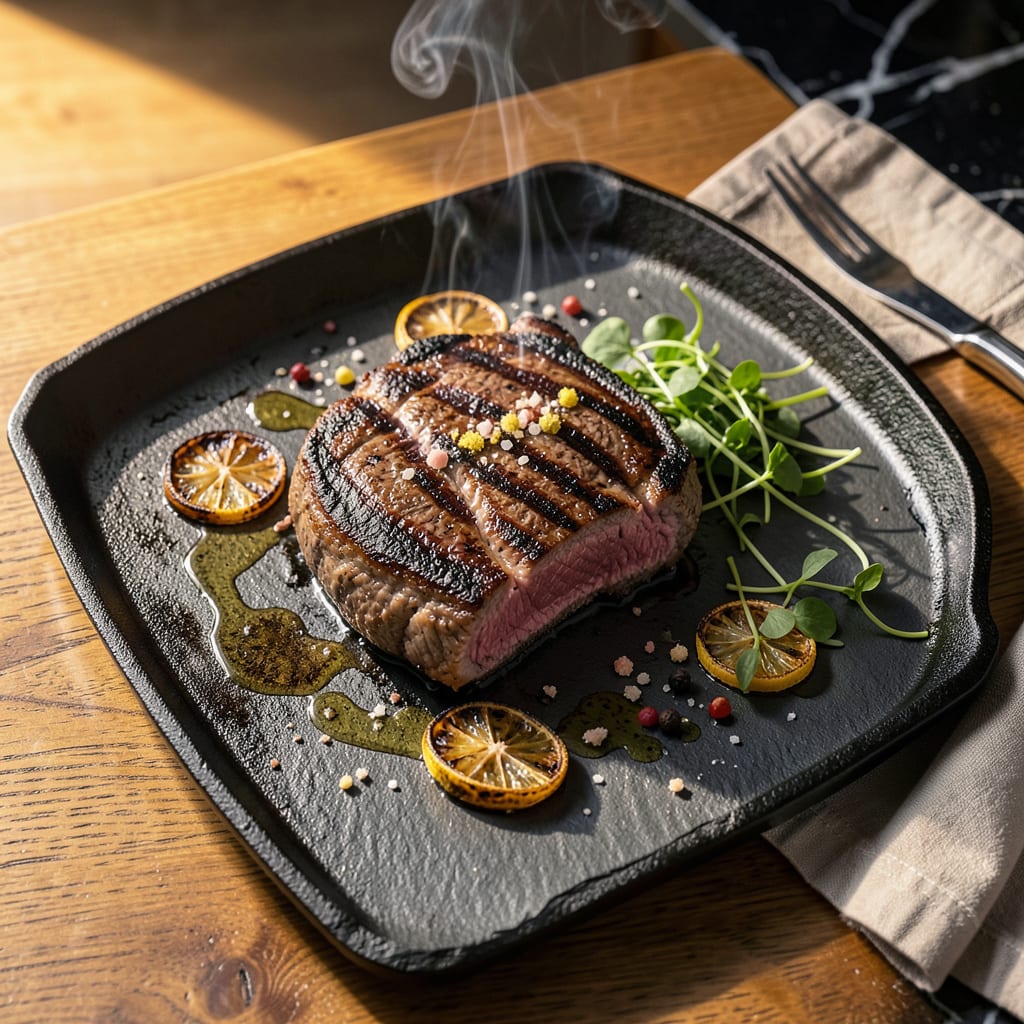
Nothing beats the sizzle of a perfectly grilled ribeye hitting the hot grates—especially when it’s boneless and ready to cook in 15 minutes. I’ve grilled more steaks than I can count, and this method delivers that steakhouse juiciness every time. No fancy equipment needed, just a hot grill and a few simple tricks.
The secret starts with proper prep: pat that steak bone-dry, season it aggressively with kosher salt and fresh black pepper, then let it sit while the grill heats to ripping hot. I learned the hard way that skipping this step means less flavor and more steam. The high heat creates that beautiful crust while keeping the inside tender and juicy.
Once on the grill, resist the urge to move it around. Let it sear undisturbed for 3-4 minutes per side, then check the temp—130°F for perfect medium-rare. That final butter baste with garlic and rosemary? That’s where the magic happens. The aroma alone will have your neighbors peeking over the fence.
Here’s the thing—great steak is all about patience. Let it rest for 5-10 minutes before slicing, then serve with something simple like grilled asparagus or a crisp salad. This isn’t just dinner; it’s the kind of meal that makes you slow down and savor every bite.
📚 In This Guide
- What You’ll Need
- Instructions
- Tips and Common Mistakes
What Youll Need
- ● Steak: 1–2 boneless ribeye steaks (1–1.5 inches thick, ~12–16 oz each). Pro tip: Choose USDA Prime or Choice for best marbling!
- ● Seasonings: 1–2 tbsp coarse kosher salt (or flaky sea salt)
- ● 1 tbsp freshly ground black pepper
- ○ Optional: 1 tsp garlic powder, ½ tsp smoked paprika, or a sprinkle of steak rub
- ● Oil: 1–2 tbsp high-smoke-point oil (avocado, grapeseed, or refined olive oil)
- ● Tools: Grill (charcoal, gas, or pellet—charcoal adds smoky depth!)
- ● Tongs (avoid forks—they pierce the meat!)
- ● Instant-read meat thermometer (for perfect doneness)
- ○ Optional: Cast-iron skillet (for reverse-sear finish) or grill grill for extra char
- ● Extras: 1–2 tbsp unsalted butter (for basting)
- ● 2 garlic cloves (crushed, for butter basting)
- ○ Optional: Fresh rosemary or thyme sprigs (for aromatic flair)
- ● Resting: Warm plate + aluminum foil (to tent steaks post-grill)
Step-by-Step Instructions for Grilling Boneless Ribeye
Here’s how to achieve that perfect steakhouse crust and juicy interior every time.
Prepare the Steak for Even Cooking
Start by patting the boneless ribeye completely dry with paper towels. This is crucial—any moisture on the surface will steam instead of sear, preventing that beautiful crust. I like to press down firmly with multiple paper towels to absorb every drop.
Once dry, season generously with kosher salt and freshly ground black pepper on both sides. Don’t be shy with the salt—it creates that flavorful crust and penetrates the meat. Let the seasoned steak sit at room temperature for 30-45 minutes before grilling. This ensures even cooking from edge to center.
Set Up Your Grill for High Heat
Preheat your grill to high heat (about 450-500°F). For gas grills, turn all burners to maximum. For charcoal, spread the coals in an even layer and let them burn until covered with white ash. You want the grill screaming hot—when you hold your hand 5 inches above the grates, you should only be able to keep it there for 2-3 seconds.
Clean the grates thoroughly with a grill brush right before cooking. Any leftover bits from previous grilling sessions will burn and create off flavors. I always do a final wipe with a paper towel soaked in vegetable oil using tongs—this creates a nonstick surface and helps prevent the steak from sticking.
Sear and Develop the Perfect Crust
Place the ribeye on the hottest part of the grill and close the lid. Let it sear undisturbed for 2-3 minutes—this is when the magic happens. You’ll hear that satisfying sizzle and see the edges start to crisp. Don’t be tempted to move it around; you want those grill marks to form deeply.
After the initial sear, flip the steak using tongs (never a fork—it pierces the meat and lets juices escape). Rotate it 45 degrees to create those classic crosshatch grill marks. Sear the second side for another 2-3 minutes with the lid closed. For a 1-inch thick steak, this should give you medium-rare doneness.
Check for Doneness and Rest
Use an instant-read thermometer to check the internal temperature. For medium-rare, you’re looking for 130-135°F in the thickest part. If you don’t have a thermometer, use the finger test: the steak should feel like the base of your thumb when you touch your index finger to it—firm but with some give.
Transfer the steak to a cutting board and let it rest uncovered for 5-10 minutes. This resting period allows the juices to redistribute throughout the meat. If you cut into it too soon, all those delicious juices will run out onto your cutting board instead of staying in the steak where they belong.
Slice and Serve
Slice the ribeye against the grain into ½-inch thick pieces. You’ll notice the grain runs in one direction—cutting perpendicular to these muscle fibers makes each bite more tender. The interior should be rosy pink with a deep brown crust, and the juices should glisten when you cut into it.
Serve immediately while still warm. I like to finish with a pat of compound butter melting over the top or a simple sprinkle of flaky sea salt. The contrast between the crispy exterior and juicy interior is what makes a perfectly grilled ribeye so special—each bite should be tender with that satisfying charred flavor.
Tips and Common Mistakes
The difference between a good steak and a showstopping ribeye often comes down to a few critical details. Here’s what I’ve learned from years of grilling.
Temperature Matters: That 30-45 minutes at room temperature in Step 1 isn’t just waiting time—it’s when the steak relaxes and cooks evenly. I once rushed this step and ended up with a steak that was perfectly done on the edges but still cool in the center. Now I set a timer and let the ribeye sit uncovered on the counter while I preheat the grill to 450-500°F as specified in Step 2. The contrast between the warm interior and hot grill creates that perfect sear.
The Technique That Changed Everything: In Step 3, when you’re searing for 2-3 minutes per side, resist the urge to peek or move the steak. I learned this the hard way after creating pale, uneven grill marks by constantly adjusting the position. The steak will release naturally from the grates when it’s ready to flip—if it sticks, it needs more time. That initial undisturbed sear creates the foundation for all the flavor.
Resting is Critical: The 5-10 minutes of resting in Step 4 might feel like torture when you’re hungry, but it’s non-negotiable. I tested this by cutting into one steak immediately and another after resting—the difference in juiciness was shocking. The rested steak stayed moist and tender, while the other bled juices all over the cutting board. Use this time to prepare your sides or make a quick pan sauce with the drippings.
Pro Tips for Grilling Boneless Ribeye
- The difference between a good steak and a showstopping ribeye often comes down to a few critical details. Here’s what…
- Temperature Matters: That 30-45 minutes at room temperature in Step 1 isn’t just waiting time—it’s when the steak rel…
- The Technique That Changed Everything: In Step 3, when you’re searing for 2-3 minutes per side, resist the urge to pe…
Frequently Asked Questions
How long should I grill a boneless ribeye for medium-rare?
Aim for 3-4 minutes per side over high heat (450–500°F) for a 1–1.5-inch-thick steak. Use a meat thermometer to check for 130–135°F internally before resting. Pro tip: Let it rest 5–10 minutes to lock in juices!
Can I grill a boneless ribeye from frozen?
Technically yes, but thaw first for best results! If frozen, sear over high heat 5–6 minutes per side, then finish in a cooler zone. Expect a less even cook and potential dryness.
What’s the best alternative if I don’t have a grill?
A cast-iron skillet works perfectly! Sear on high heat with oil/butter (2–3 mins/side), then baste with garlic-herb butter. For smoky flavor, add a pinch of smoked paprika or liquid smoke.
Why is my grilled boneless ribeye tough?
Overcooking or slicing too soon are common culprits. Always:
- Use a thermometer (avoid guessing!).
- Rest the steak before cutting.
- Choose USDA Prime or Choice for tenderness.
Do I need to marinate a boneless ribeye?
Not necessary—ribeyes are flavorful and tender! But a simple dry rub (salt, pepper, garlic powder) or 30-minute olive oil + herb soak can enhance crust. Avoid acidic marinades (they can break down the meat).
Mastering the art of grilling boneless ribeye is all about balance—high heat, perfect timing, and a little patience. With the right technique, you can turn a simple cut into a juicy, restaurant-worthy steak that’ll impress every time. 🥩✨
Now that you’ve got the know-how, fire up that grill and put your skills to the test! For your next cookout, try experimenting with different seasonings or wood chips to make it uniquely yours. Happy grilling!

Trained in classic French technique but raised on slow-cooked ribs and spicy rubs, she blends culinary skill with smoke and soul.
- Recipe for Boneless Pork Chops in Cast Iron Skillet: Sear and Baste to Juicy Perfection - October 3, 2026
- Recipe for Boneless Cross Rib Roast: Slow-Roasted Beef with Herb Crust - October 3, 2026
- Hamburgers in Sauce Recipe Crock Pot: Slow-Cooked Savory Delight - October 3, 2026