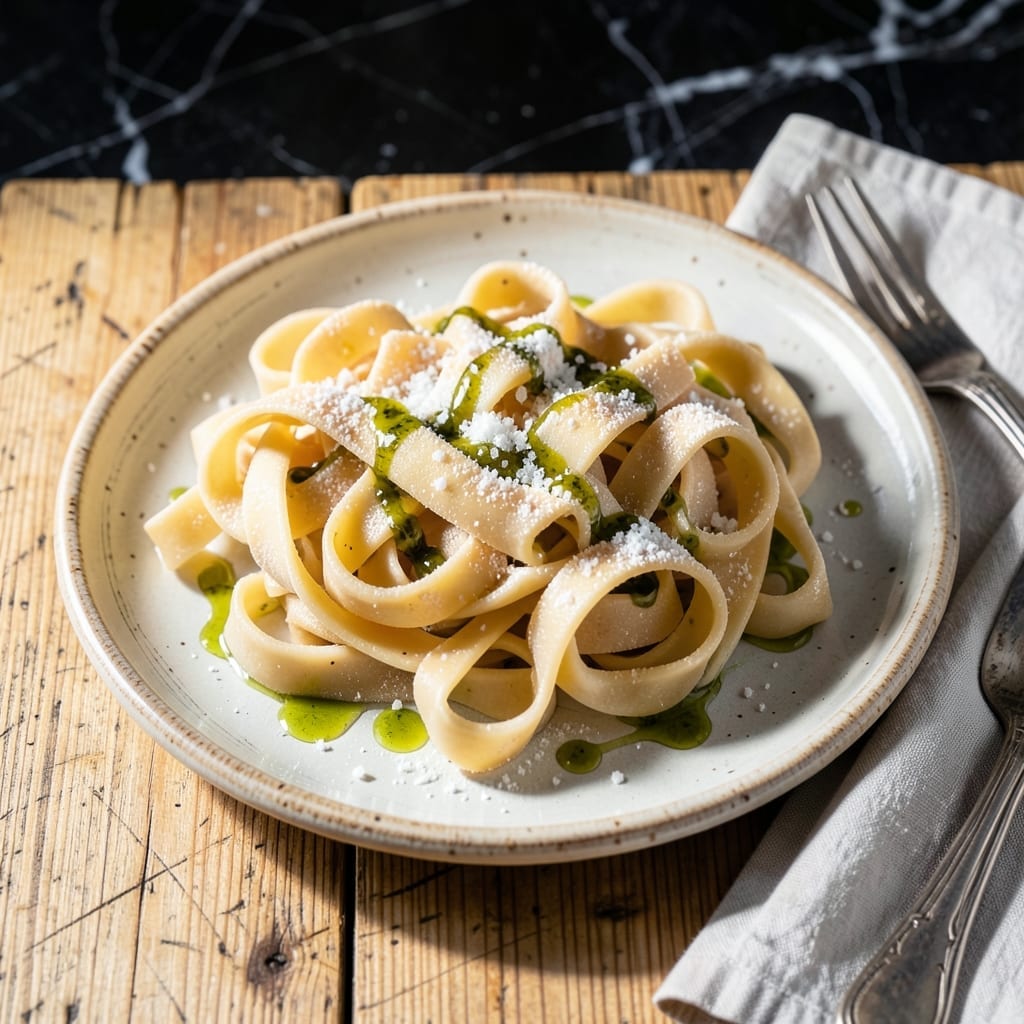
There’s a pure satisfaction in making pasta from scratch using just flour and water—the way Italian nonnas have done for generations. This method proves that eggs aren’t required to achieve silky, tender ribbons with perfect bite.
The key lies in precise hydration and patience. A simple dough of all-purpose flour and warm water, kneaded until smooth, rests to develop elasticity. This creates a canvas for any sauce, absorbing flavors beautifully.
Rolling the dough thin and cutting it into ribbons transforms basic ingredients into restaurant-worthy pasta. The texture is light yet substantial, with a delicate chew that’s distinctly Italian.
Once cooked, these strands hold sauce effortlessly, delivering an authentic taste that store-bought can’t match. The process is rewarding, and the results speak for themselves.
Ingredients for Homemade Italian Pasta Recipe No Egg
Flour, water, salt, and patience create these authentic Italian ribbons from scratch.
| Ingredient | Amount | Notes |
|---|---|---|
| All-Purpose Flour 🌾 | 3 cups | Type 00 preferred for authenticity |
| Warm Water 💧 | ¾ cup | About 110°F for ideal hydration |
| Sea Salt 🧂 | 1 tsp | Fine grain for even distribution |
| Olive Oil 🫒 | 1 tbsp | Extra-virgin for dough softness |
| Semolina Flour 🌾 | ½ cup | For dusting work surface |
[recipe_ingredient_scaler]
The flour is everything here. Type 00 (imported from Italy) gives the silkiest texture, but high-quality all-purpose flour works beautifully. Look for brands like Caputo or Antimo at specialty stores or Eataly. The water temperature matters more than you think—110°F activates the gluten perfectly without cooking the dough prematurely. A kitchen thermometer is worth the investment.
No Type 00 flour? Bread flour at half the amount adds chew, but don’t overdo it. The olive oil is optional but adds tenderness—skip it for the most traditional version. For a whole wheat option, substitute white whole wheat flour for up to half the all-purpose. The semolina for dusting prevents sticking better than regular flour (trust me on this).
Fresh pasta cooks in minutes, so make it the day you plan to serve. Dough rests 30 minutes at room temp before rolling. Keeps 2 days wrapped tightly in the fridge, or freeze uncooked pasta on a tray before transferring to bags for 1 month.
Why You’ll Love This Recipe
- One Bowl Wonder: I mix the flour, water, and olive oil right in the same bowl—no fancy equipment, just my hands and a clean counter.
- Rich Rustic Taste: The semolina gives it that authentic Italian bite, while the olive oil adds a subtle richness that store-bought just can’t match.
- Meal Prep Magic: Honestly, I make a big batch on Sunday and it keeps beautifully for quick weeknight dinners.
- Penny-Pincher’s Dream: All-purpose flour and a little semolina stretch further than you’d think, and it’s way cheaper than buying fresh pasta.
Step-by-Step Instructions for Homemade Italian Pasta
Master the art of fresh pasta with this traditional method that requires only flour and water.
Step 1: Create the Dough Foundation
On a clean work surface, mound the 3 cups All-Purpose Flour and create a well in the center. This traditional method gives you complete control over the texture. Pour the 0.75 cup Warm Water into the well along with the 1 tsp Sea Salt and 1 tbsp Olive Oil.
Using a fork, gradually incorporate the flour into the wet ingredients, working from the inner rim outward. The mixture will transform from a loose slurry to a shaggy dough. This process takes patience—don’t rush it. You’re building the foundation for silky pasta ribbons.
Step 2: Knead to Elastic Perfection
Once the dough comes together, begin kneading with the heels of your hands. Push the dough away from you, then fold it back over itself and turn. The semolina flour you’ve reserved will prevent sticking as you work.
Continue kneading for 8-10 minutes until the dough becomes smooth, elastic, and slightly tacky to the touch. The texture should resemble Play-Doh—firm yet pliable. If it feels too dry, add water 1 teaspoon at a time. If too sticky, incorporate a bit more All-Purpose Flour from your initial mound.
Step 3: Rest for Optimal Texture
Shape the dough into a ball and wrap it tightly in plastic wrap. Let it rest at room temperature for 30 minutes. This crucial step allows the gluten to relax, making the dough easier to roll out thinly without springing back.
The resting period also ensures even hydration throughout the dough. You’ll notice the texture changes from slightly dense to more supple and workable. This transformation is what separates good pasta from extraordinary pasta.
Step 4: Roll and Cut the Pasta
Divide the rested dough into 4 equal portions. On a surface dusted lightly with 0.5 cup Semolina Flour, roll each portion through a pasta machine at its widest setting. Fold the sheet in thirds like a letter and repeat the rolling process 2-3 times to create a uniform texture.
Gradually decrease the machine setting, rolling the sheet through each level once, until you reach the desired thickness (typically setting #5 or #6 for fettuccine). Cut the sheets into your preferred shape—ribbons, squares, or strips. The semolina dusting prevents sticking during this process.
Cook immediately in boiling salted water for 2-3 minutes or until the pasta floats to the surface and achieves that perfect al dente texture. Fresh pasta cooks much faster than dried, so watch it closely.
Pro Tips For Making Homemade Italian Pasta Recipe No Egg
- Knead Longer: I learned this the hard way—work the dough for at least 8-10 minutes until smooth and elastic, or your pasta will fall apart when boiling.
- Use Warm Water: Sounds weird, but it works: lukewarm water (about 105°F) helps the flour bind better than cold, especially with no eggs in the mix.
- Skip Over-Flouring: Resist the urge to dump extra flour on the counter—too much makes the pasta tough, and you’ll struggle to roll it thin.
- Rest the Dough: After burning a few batches, I finally figured out that 30 minutes under a damp towel relaxes the gluten, making it easier to roll out thin and even.
Dietary Considerations for This Dish
Vegan-Friendly Base
This pasta is naturally vegan, using only flour, water, salt, and olive oil—no eggs or dairy. I love that it proves you don’t need animal products for authentic Italian flavor and texture. It’s perfect for plant-based diets while still feeling indulgent. 🌱
Gluten-Free Option
For gluten-free diets, swap all-purpose flour for a 1:1 gluten-free flour blend. I recommend Caputo Fioreglut for the best texture. Add 1 extra tablespoon of water since gluten-free flours absorb moisture differently.
Low-Calorie Choice
At roughly 200 calories per serving (without sauce), this pasta fits well into calorie-conscious meal plans. The simple ingredients keep it light yet satisfying. Pair it with vegetable-based sauces for a balanced dish.
Allergen-Free
This recipe avoids common allergens like eggs, dairy, and nuts. The olive oil is optional—skip it entirely for an oil-free version. Always check flour labels for cross-contamination warnings if allergies are severe.
Nutritional Boost
For added nutrition, substitute up to half the all-purpose flour with white whole wheat flour. This increases fiber and protein without compromising texture. The flavor remains mild and pairs well with any sauce.
Salt Considerations
With only 1 tsp salt in the dough, this pasta is naturally low in sodium. You can reduce it further or omit it entirely if watching sodium intake. Adjust sauce seasoning to compensate. 💪
Nutrition Facts
Frequently Asked Questions
Why use warm water instead of cold?
Warm water at 110°F activates gluten better, creating a smoother, more elastic dough. Cold water would require more kneading and might result in a tougher texture.
Can I make this without a pasta machine?
Roll the dough thinly with a rolling pin, then cut into ribbons. It takes more effort, but the results are just as delicious. Dust with semolina flour to prevent sticking.
How do I store fresh pasta?
Wrap uncooked pasta tightly and refrigerate for up to 2 days. For longer storage, freeze on a tray first, then transfer to a bag for up to 1 month. Cook from frozen, adding 1 minute to cooking time.
Why does my dough spring back when rolling?
This means the gluten needs more rest. Cover and let it sit for another 15-20 minutes. If it persists, your dough may need more kneading initially.

Trained in classic French technique but raised on slow-cooked ribs and spicy rubs, she blends culinary skill with smoke and soul.
- Recipe for Boneless Pork Chops in Cast Iron Skillet: Sear and Baste to Juicy Perfection - October 3, 2026
- Recipe for Boneless Cross Rib Roast: Slow-Roasted Beef with Herb Crust - October 3, 2026
- Hamburgers in Sauce Recipe Crock Pot: Slow-Cooked Savory Delight - October 3, 2026