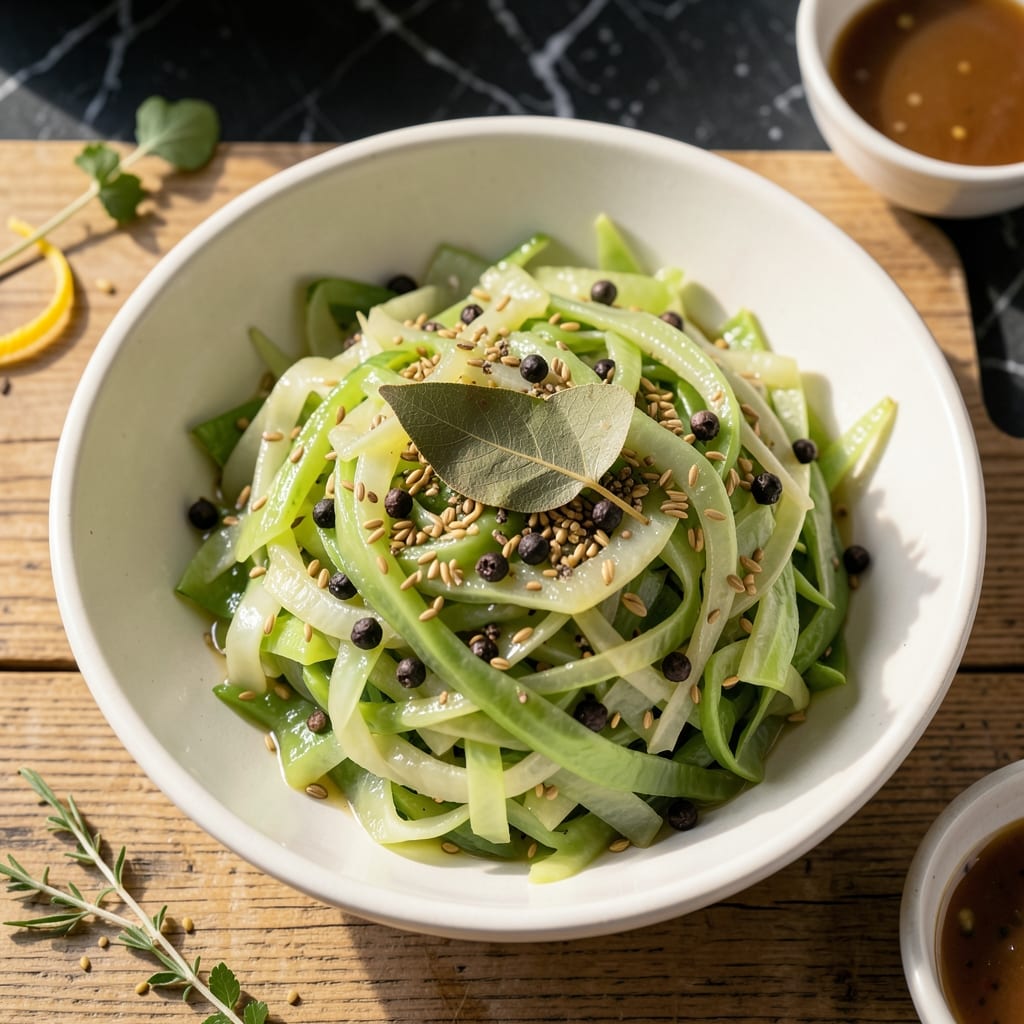
I discovered the power of homemade fermented foods after a trip to Eastern Europe, where sauerkraut was a staple at every meal. This traditional method transforms humble cabbage into a probiotic-rich powerhouse that supports digestion and boosts immunity.
The process is simpler than you might think, requiring only cabbage, salt, and patience. Proper fermentation at room temperature for 3-10 days develops the tangy flavor and beneficial bacteria that make this dish so valuable for gut health.
What emerges is crisp, tangy sauerkraut with complex flavors that deepen over time. The natural fermentation process preserves nutrients while creating live cultures that store-bought versions can’t match.
This recipe connects you to centuries of food preservation tradition while delivering modern health benefits. The result is worth the wait.
Ingredients for Homemade Sauerkraut Recipe for Gut Health
Just cabbage, salt, and a few spices. That is all you need to start.
| Ingredient | Amount | Notes |
|---|---|---|
| Green Cabbage 🥬 | 2 ½ lb | Fresh, firm heads preferred |
| Canning Salt 🧂 | 1 ½ tbsp | Non-iodized, no additives |
| Caraway Seeds 🌿 | 1 tsp | Optional for traditional flavor |
| Juniper Berries 🍇 | 6 pieces | Lightly crushed for depth |
| Black Peppercorns 🌶️ | 10 pieces | Whole for subtle heat |
| Bay Leaves 🌿 | 2 pieces | Dried, whole leaves |
| Filtered Water 💧 | ½ cup | If needed for brine consistency |
| Apple 🍎 | 1 whole | Optional for natural sweetness |
[recipe_ingredient_scaler]
The cabbage is everything here. Look for tight, heavy heads with crisp outer leaves—avoid anything with soft spots or wilting. Organic is ideal (fewer pesticides means better fermentation). I grab mine from the farmers market when I can, but any grocery store with good turnover works. The salt needs to be additive-free; Diamond Crystal kosher salt or pickling salt are perfect. Don’t use table salt—it has iodine and anti-caking agents that can mess with the fermentation.
Want to keep it simple? Skip the spices and just do cabbage and salt. But if you’re feeling fancy, caraway seeds are classic in Eastern European sauerkraut. No caraway? Fennel seeds at the same amount work well. Juniper berries can be tricky to find—Trader Joe’s sometimes has them, or order online. The apple is optional but adds a nice sweetness that balances the tang.
This keeps in the fridge for 6-12 months once fermented. The flavor actually improves over time, getting more complex and tangy. Store it in a clean jar with a tight lid, submerged under its own brine. If you see any mold on top, just skim it off—the sauerkraut underneath is fine (don’t worry, it’s normal).
Why You’ll Love This Recipe
- Minimal Effort: Honestly, it’s just cabbage, salt, and a few spices—no cooking, no fuss, just mix and wait.
- Tangy Crunch: The caraway and juniper give it this earthy depth that makes every bite ridiculously good.
- Meal Prep Hero: I jar a batch on Sunday and it’s ready for sandwiches, salads, or straight from the fridge all week.
- Pennywise Ferment: One head of cabbage and a handful of pantry staples stretch into weeks of gut-friendly goodness.
Step-by-Step Instructions for Fermented Cabbage
This hands-on method ensures your ferment develops rich, tangy flavor with maximum probiotic benefits.
Step 1: Shred and Salt the Cabbage
Remove any outer leaves from the 2.5 lb Green Cabbage and quarter it through the core. Slice each quarter into thin ribbons using a sharp knife or mandoline. Transfer to a large mixing bowl.
Sprinkle the 1.5 tbsp Canning Salt evenly over the cabbage. Massage it vigorously with clean hands for 5-10 minutes until the cabbage releases enough liquid to create its own brine. You’ll know it’s ready when you can squeeze a handful and liquid drips out freely.
Step 2: Prepare Spices and Optional Additions
Lightly crush the 6 pieces Juniper Berries and 10 pieces Black Peppercorns with the flat side of your knife or a mortar and pestle. This releases their aromatic oils without pulverizing them.
Core and thinly slice the 1 whole Apple (peeling optional). Add the crushed spices, apple slices, 1 tsp Caraway Seeds, and 2 pieces Bay Leaves to the cabbage mixture. The apple adds natural sweetness that balances the tangy fermentation.
Step 3: Pack the Fermentation Vessel
Transfer everything to a clean, non-reactive fermentation vessel or large jar. Pack the mixture down firmly with your fist or a tamper, pressing until the liquid rises above the cabbage. This anaerobic environment is crucial for proper fermentation.
If the cabbage hasn’t released enough liquid to cover itself, add the 0.5 cup Filtered Water to ensure everything stays submerged. Leave 2-3 inches of headspace at the top for expansion.
Step 4: Weigh Down and Begin Fermentation
Place a fermentation weight or a smaller jar filled with water on top of the cabbage to keep it submerged. Cover the vessel loosely with a lid or cloth to allow gases to escape while keeping out dust and insects.
Store at room temperature, away from direct sunlight. You’ll see bubbles forming within 24-48 hours—this is the fermentation process beginning. The mixture should smell fresh and slightly tangy at this stage.
Step 5: Monitor and Taste Over Time
Check the sauerkraut daily, skimming off any scum that forms on the surface. Press down the cabbage to keep it submerged. Begin tasting after 5 days—it should be tangy but not sour.
Continue fermenting for 10-21 days total, depending on your taste preference and ambient temperature. The longer it ferments, the more complex the flavor becomes. When it tastes perfect to you, transfer to cold storage to slow fermentation. The sauerkraut will continue developing flavor as it ages.
Pro Tips For Making Homemade Sauerkraut Recipe For Gut Health
- Massage the Cabbage: I learned this the hard way—kneading the shredded cabbage with salt for at least 10 minutes releases the liquid needed for fermentation. Sounds tedious, but it’s the only way to avoid dry, sad kraut.
- Use Canning Salt Only: Skip the iodized stuff—canning salt or kosher salt is non-negotiable here. Iodine can mess with fermentation, and after ruining a batch, I finally switched for good.
- Submerge Completely: My grandmother swore by this, and she was right: every shred must stay under the brine to prevent mold. I use a zip-top bag filled with water as a weight—cheap and effective.
- Ferment at 65-70°F: Too cold slows it down, too warm risks mushy kraut. I keep mine in a dark pantry corner and check daily—7-10 days at this temp gives the best tangy crunch.
Pro Cooking Tips for This Dish
Salt Selection Matters
Always use non-iodized salt like Diamond Crystal kosher or canning salt—iodine can inhibit fermentation. I learned this the hard way when my first batch turned mushy. 1.5 tbsp per 2.5 lb cabbage is the magic ratio for crisp, flavorful results. 💡
Massage Thoroughly
Don’t rush the cabbage massaging step—this is where the brine forms. I use clean hands and apply firm pressure for 5-10 minutes until the cabbage releases enough liquid to cover itself. The brine should look like light green cabbage juice when ready.
Submerge Completely
Everything must stay under the brine to prevent mold. I use a fermentation weight or a water-filled jar as a makeshift press. Check daily and add more filtered water if the liquid level drops. This anaerobic environment is key for safe, successful fermentation.
Temperature Control
Ferment at 65-75°F for best results. Cooler temps slow fermentation (up to 21 days), while warmer speeds it up (5-7 days). My kitchen stays around 70°F, so I check at 7 days for that perfect tang. ⚡
If your home is cooler, place the jar near the oven or on a seedling mat to maintain warmth.
Taste Test Often
Start tasting at 5 days—it should be slightly tangy but not sour. I keep a clean spoon nearby for sampling. Once it reaches your ideal flavor, move it to the fridge to slow fermentation. The taste will continue to develop, becoming more complex over time.
Nutrition Facts
Frequently Asked Questions
How do I know if my sauerkraut is fermenting correctly?
Look for bubbles forming within 24-48 hours and a fresh, slightly tangy smell. If you see mold on top, skim it off—the sauerkraut below is fine.
Can I use regular table salt instead of canning salt?
No, table salt contains iodine and anti-caking agents that can inhibit fermentation. Always use non-iodized salt like kosher or canning salt for best results.
Why does my sauerkraut taste bland?
It likely needs more time. Start tasting after 5 days, but most batches develop full flavor between 10-21 days. Warmer temperatures speed up the process.
What’s the best way to store finished sauerkraut?
Transfer to a clean jar with a tight lid and store in the fridge. It keeps for 6-12 months, and the flavor continues to develop over time.

Trained in classic French technique but raised on slow-cooked ribs and spicy rubs, she blends culinary skill with smoke and soul.
- Recipe for Boneless Pork Chops in Cast Iron Skillet: Sear and Baste to Juicy Perfection - October 3, 2026
- Recipe for Boneless Cross Rib Roast: Slow-Roasted Beef with Herb Crust - October 3, 2026
- Hamburgers in Sauce Recipe Crock Pot: Slow-Cooked Savory Delight - October 3, 2026