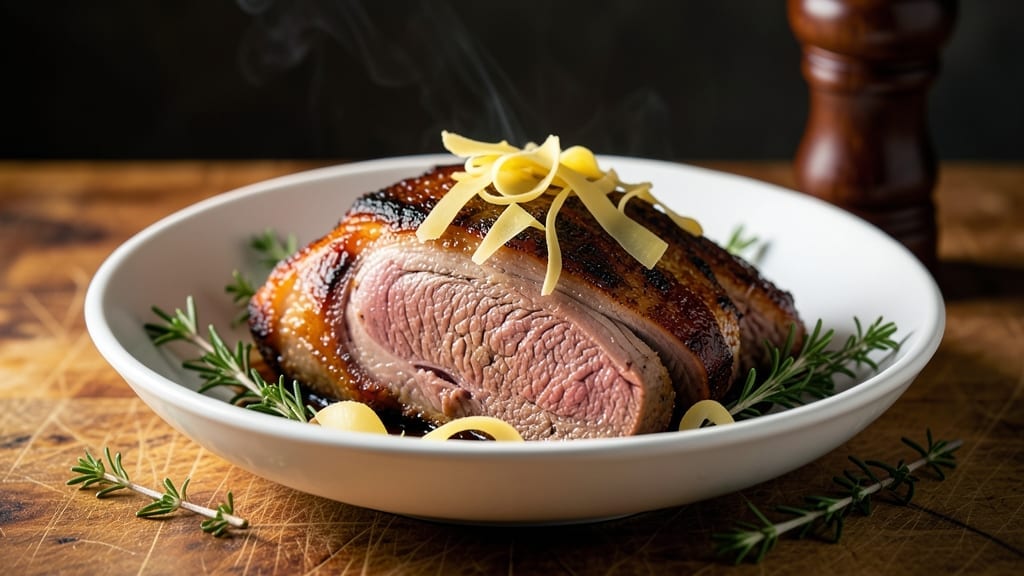
Cooking a 2.5 lb brisket requires 5-7 hours at 225°F (107°C) for tender, fall-apart texture, using the smoke-and-wrap method or slow oven roasting. Internal temp should hit 195-203°F (90-95°C) before resting 1-2 hours for juiciness. Adjust time ±30 mins based on fat cap thickness and preferred doneness.
Low-and-slow cooking transforms tough beef into melt-in-your-mouth perfection by breaking down connective tissue over hours. 🔥 The key is patience—rushing the process leaves you with chewy results, while that 195-203°F internal temperature range ensures collagen fully converts to gelatin.
I’ve found the fat cap acts like a built-in thermostat, helping maintain even heat, but thicker caps may need extra time to render properly.
What’s fascinating is how the stall (that frustrating temp plateau around 165°F) actually works in your favor—it’s your cue to wrap the brisket in butcher paper or foil to speed up moisture retention.
For a 2.5 lb cut, I recommend planning for 6-7 hours total if you prefer extra-juicy results, especially when dealing with a thicker fat layer that takes longer to soften.
💡 In This Article
- Brisket Cooking Science: Why Time and Temperature Matter
- Step-by-Step 2.5 lb Brisket Cooking Timeline
Brisket cooking science: why time and temperature matter
The magic of brisket cooking happens at the molecular level, where collagen—the tough, fibrous protein in beef—begins transforming into gelatin at 160°F (71°C). This process requires 4-6 hours of steady heat between 180-250°F (82-121°C), turning what feels like shoe leather into silky, fork-tender meat.
The fat cap plays a crucial role here, acting as a natural insulator that slows heat penetration—thicker caps (over ¼-inch) can add 30-60 minutes to cooking time by protecting the meat’s core.
Here’s what’s actually happening during the infamous stall (that frustrating plateau around 145-165°F/63-74°C): As moisture evaporates from the surface, the meat’s ability to release heat slows dramatically. This is your body’s way of telling you to wrap it up—whether in butcher paper (Texas style) or foil (St. Louis style).
The wrap creates a steam chamber that helps push through the stall and jump back up to 200°F+ (93°C+) faster. For a 2.5 lb brisket, expect this stall to last 1.5-2.5 hours depending on your setup.
The point-flat distinction matters too: The point cut (leaner, triangular section) cooks 1-1.5 hours faster than the flat because it has less fat to render. This is why many pitmasters slice them separately—different doneness levels emerge.
What most people don’t realize is that the 195°F+ (90°C+) range isn’t just about safety—it’s when collagen fully converts to gelatin, creating that signature brisket “juice” that makes every bite decadent. At 203°F (95°C), you’re looking at that legendary “fall-apart” texture.
Consider these key factors when planning your cook:
- Fat cap thickness: ⅛-inch = 5-6 hours | ¼-inch = 6-7 hours | ½-inch = 7-8 hours
- Cut composition: Flat-only briskets take 30-45 mins longer than point-flat combinations
- Heat source: Pellet grills maintain ±5°F consistency vs. ±15°F with charcoal
The science behind the 1-2 hour rest is equally important: During this time, juices redistribute throughout the meat, preventing them from pooling and making each slice deliciously moist. I’ve seen briskets lose 20-30% of their internal juices if sliced immediately after cooking—resting recaptures that flavor.
For a 2.5 lb brisket, this rest period becomes even more critical as the surface area to volume ratio means more moisture loss during slicing.
What’s fascinating is how the bark forms: The first 2.5 hours at 225°F (107°C) create that dark, crusty exterior through the Maillard reaction, while the interior remains completely unchanged until 160°F (71°C).
This dual-process cooking is why brisket rewards patience—you’re not just cooking meat, you’re orchestrating a perfect balance between texture and flavor development. 💫

Trained in classic French technique but raised on slow-cooked ribs and spicy rubs, she blends culinary skill with smoke and soul.
- Smoked Brisket Recipe: Low and Slow to Fall-Apart Tenderness - November 2, 2026
- Smoked Turkey Breast Recipe: Juicy Pink Center With Crispy Skin Every Time - November 2, 2026
- Leftover Smoked Pulled Pork Chili Recipe: Rustic Flavor Revival in One Pot - November 2, 2026