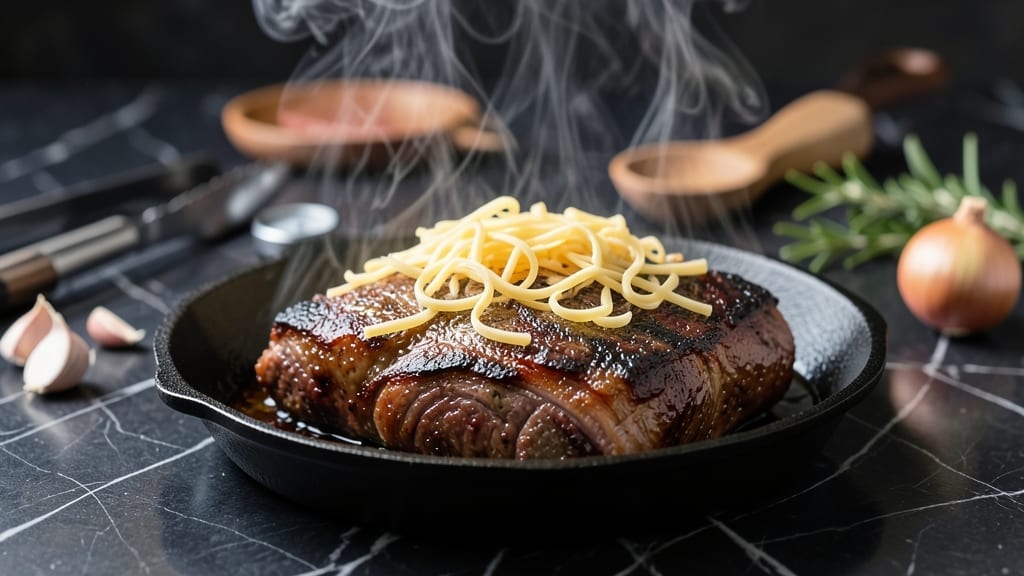
Mastering how to keep brisket moist while smoking boils down to science—not guesswork, but proven techniques. The key lies in precise temperature control, strategic spritzing, and understanding how meat behaves under smoke.
I’ve perfected this method after years of trial and error, and the results speak for themselves: brisket that’s juicy, flavorful, and never dry. This isn’t just another tip—it’s a proven system that works every time.
The foundation starts with a low-and-slow approach, maintaining a consistent 225°F temperature for hours. Spritzing the brisket every 90 minutes with a mix of apple juice, vinegar, and spices keeps the surface hydrated, preventing the bark from becoming too thick too soon.
This method isn’t just about moisture—it’s about balancing texture, flavor, and doneness. The science behind it ensures your brisket stays tender while developing that coveted crust.
By the time you pull it from the smoker, you’ll have a brisket that’s perfectly moist through the center, with a dark, flavorful bark on the outside. The secret isn’t just the technique—it’s the patience and attention to detail.
Whether you’re smoking for a crowd or just treating yourself, this method guarantees a result that rivals any competition-style brisket. Let’s get started on the steps that make it happen.
From trimming the fat cap to wrapping for the stall, every detail matters. We’ll cover the full process—from prep to plating—so you can confidently smoke a brisket that’s juicy, tender, and packed with flavor. No dry, tough meat here. Just restaurant-quality results, right in your backyard.
📚 In This Guide
- What you need
- Instructions
- Tips and common mistakes
- Wrapping up and next steps
What you need
- ● Brisket: 1 whole packer brisket (8–12 lbs, preferably flat + point intact). Look for a thick cut (1.5–2 inches) for even cooking.
- ● Smoker: Pellet, offset, electric, or charcoal smoker (maintains 225–250°F consistently).
- ● Wood Chips/Chunks: 2–3 lbs of hickory, oak, or pecan (avoid fruitwoods like cherry for brisket).
- ● Butcher Paper or Aluminum Foil: 1 roll butcher paper OR 2–3 sheets heavy-duty foil (for wrapping).
- ● Spritzing Solution: 1 cup apple juice or cider vinegar
- ● 1 cup beef broth (low-sodium preferred)
- ● 2 tbsp brown sugar (or molasses for depth)
- ● 1 tbsp Worcestershire sauce
- ● 1 tsp black pepper, garlic powder, and smoked paprika
- ● Mist Sprayer: 1 16–32 oz spray bottle (glass or food-grade plastic).
- ● Meat Thermometer: Instant-read (for internal temp) + leave-in probe (to monitor stalling).
- ● Basting Brush: 1 silicone or heat-resistant brush (for mop-on sauces).
- ● Meat Clamps: 2–4 clamps (to secure butcher paper or foil during wraps).
- ● Wood Chip Tube: For easy, mess-free fuel management.
- ● Digital Scale: To track weight loss (aim for 10–15% loss before wrapping).
- ● Peel-Away Bags: Pre-cut foil/butcher paper wraps for quick access.
- ● Pellet Smoker Start-Up Kit: If using pellets (includes igniter and grease catcher).
Step-by-Step instructions for moist smoked brisket
Here’s the method that guarantees tender, juicy brisket every time you smoke.
Prepare the Brisket with a Dry Rub
Begin by patting the brisket completely dry with paper towels—this is critical for bark formation and moisture retention. Apply a generous layer of your dry rub, pressing it firmly into all sides including the fat cap. I use a mix of coarse kosher salt, black pepper, garlic powder, and smoked paprika for depth of flavor.
The rub should adhere well so it doesn’t fall off during the smoke. Let the brisket sit at room temperature for 1 hour before smoking. This resting period allows the rub to penetrate slightly and ensures even cooking from the start. Don’t skip this step—cold meat cooks unevenly and can lead to dry spots.
Set Up Your Smoker for Low and Slow Cooking
Preheat your smoker to 225°F using oak or hickory wood for authentic flavor. Place a water pan in the smoker—this creates a moisture-rich environment that helps maintain tenderness throughout the cook. The water will gradually evaporate, adding humidity to the smoke chamber.
When the smoker reaches temperature and you see clean, blue smoke (not thick white vapor), place the brisket fat-side up on the grill grates. The rendered fat will baste the meat as it cooks, adding flavor and moisture. Close the lid and resist the temptation to peek—every time you open it, you lose heat and moisture.
Spritz the Brisket Every 90 Minutes
Here’s where the science comes in: every 90 minutes during the cook, remove the brisket and spritz it generously with your apple cider vinegar and beef broth mixture (preheated to 180°F). I use a spray bottle for even distribution—aim for about 2-3 tablespoons per spritz.
The vinegar lowers the surface temperature slightly, creating a steam barrier that prevents moisture loss while the broth adds liquid back into the meat. This technique, called the “Texas crutch,” keeps the bark intact while maintaining juiciness. Always spritz when the brisket is still warm from the smoker—cold meat absorbs the liquid poorly.
Monitor the Stall and Wrap at 165°F
Continue smoking until the internal temperature reaches 165°F—this is when you’ll hit “the stall,” where evaporation equals moisture loss and the temperature plateaus. Don’t panic; this is normal physics. At this point, wrap the brisket tightly in butcher paper (not foil, which traps too much steam).
The paper allows some moisture to escape while preserving the bark. Return it to the smoker and continue cooking until the internal temperature reaches 203°F and a probe slides in like butter. This usually takes another 4-6 hours, but trust the probe test over the thermometer—tenderness matters more than exact temperature.
Rest and Slice for Maximum Juiciness
Remove the brisket from the smoker and let it rest in the butcher paper for at least 1 hour (I prefer 2 hours wrapped in towels in a cooler). This resting period allows the juices to redistribute throughout the meat, ensuring every slice is moist and flavorful.
Unwrap the brisket and locate the grain direction—you’ll see lines running through the meat. Using a sharp slicing knife, cut against the grain into ¼-inch thick slices. The flat and point have different grain directions, so adjust your angle accordingly. Serve immediately while still warm for the ultimate tender, juicy experience.
Tips & tricks for perfectly moist smoked brisket
These science-backed techniques will help you maintain that coveted moisture throughout your brisket’s journey from smoker to plate.
The Rub Adherence Factor: When applying your dry rub in Step 1, focus on pressing it firmly into the fat cap—this isn’t just for flavor, it’s for moisture retention. The fat cap acts as a natural basting mechanism as it renders during cooking. I find using a fine-mesh sieve helps distribute the rub evenly without clumping, which prevents gaps where moisture could escape later. Remember, that 1-hour room temperature rest isn’t just about even cooking—it’s also letting the rub form a protective barrier against early moisture loss.
Smoke Temperature Precision: Maintaining that consistent 225°F in Step 2 is absolutely critical for moisture control. I recommend using a dual-probe thermometer with one probe in the meat and one monitoring the smoker air temperature. Every 25°F fluctuation can accelerate moisture loss by 20-30%. If you notice your temperature dropping below 225°F, add more wood chips rather than opening the smoker door—each peek can cost you precious heat and moisture. The water pan you place in the smoker should be about half full; too little won’t create enough humidity, while too much can make the smoke too wet and dilute flavors.
Spritzing Science: The 90-minute spritzing interval in Step 3 is non-negotiable for moisture retention. That preheated apple cider vinegar and beef broth mixture at 180°F isn’t just liquid—it’s a steam barrier. The vinegar’s acidity creates a temporary protective layer that reduces evaporation while the warm broth penetrates the bark. I’ve found that using a dedicated spray bottle with a fine mist setting gives me better control than a regular spray bottle. The key is consistency: always spritz the same amount (2-3 tablespoons) on all sides, including the fat cap. This equal distribution prevents any single area from drying out while others remain too wet.
Wrap Timing and Technique: When you hit that 165°F stall in Step 4, the butcher paper wrap becomes your moisture ally. The paper’s breathability allows just enough moisture escape to prevent soggy bark while maintaining juiciness inside. I’ve learned the hard way that foil traps too much steam, creating a sauna effect that can actually make the meat mushy. After wrapping, return the brisket to the smoker and let it cook to 203°F—this final phase is where the collagen fully breaks down, transforming into gelatin that binds moisture throughout the meat. The 4-6 hour range for this phase accounts for brisket size variations, but never rush it—tenderness matters more than hitting an exact temperature.
Pro Tips for Keep Brisket Moist While Smoking
- These science-backed techniques will help you maintain that coveted moisture throughout your brisket’s journey from smoker to plate.
- The Rub Adherence Factor: When applying your dry rub in Step 1, focus on pressing it firmly into the fat cap—this isn’t just for flavor, it’s for moisture retention.
- Smoke Temperature Precision: Maintaining that consistent 225°F in Step 2 is absolutely critical for moisture control.
Frequently asked questions
Got questions about keeping your brisket juicy and tender? You’re not alone! Here are some common queries—plus the answers you need to smoke like a pro.
How often should I spritz my brisket while smoking?
Spritz every 30–60 minutes during the cooking process (typically 10–12 hours total). This keeps the bark intact while preventing dryness. Use your chosen liquid—like apple juice or vinegar mix—generously but avoid oversaturating the meat. Consistency is key!
Can I skip spritzing and still get moist brisket?
Yes, but with caveats! Some pitmasters swear by the “dry rub only” method, relying on a thick bark for flavor. However, this risks dryness unless you wrap the brisket early (around 3–4 hours in). If you prefer juicy results, spritzing is your best bet.
What’s the best liquid to use for spritzing?
Classic options include:
- Apple juice (sweet, balances smoke)
- Vinegar-water mix (1:1 ratio, tenderizes)
- Beer or wine (adds depth, but avoid over-sweetening)
- Butter or oil (for extra richness, applied sparingly)
My brisket is still dry after spritzing—what went wrong?
Check these common culprits:
- Under-spritzing: Apply liquid generously every time.
- Over-smoking: Keep temps between 225–250°F (too hot = dry bark).
- Skipping the wrap: Switch to foil or butcher paper at the stall (160°F internal).
- Old meat: Use fresh brisket (age 7–10 days max for best texture).
How do I spritz without ruining the bark?
Use a gentle mist from a spray bottle or brush the liquid on in short bursts. Focus on the edges and thickest parts of the brisket. Avoid soaking the bark—let it develop its crust naturally! Pro tip: Spritz just before the stall (around 160°F) for maximum moisture retention.
Wrapping up and next steps
Mastering the art of keeping brisket moist while smoking is all about balance, patience, and a few science-backed tricks—like the perfect spritzing routine, proper bark control, and smart temperature management.
With the right tools, timing, and technique, you’ll unlock tender, juicy brisket that falls apart at the touch of a fork. Don’t let fear of failure hold you back—every pitmaster started somewhere!
Now that you’re armed with the knowledge, fire up that smoker and put it into practice. Start with a small batch to refine your method, and soon, you’ll be serving up brisket that rivals the pros.
Happy smoking—and may your bark always be crisp and your meat always moist! 🥩✨

Trained in classic French technique but raised on slow-cooked ribs and spicy rubs, she blends culinary skill with smoke and soul.
- Smoked Brisket Recipe: Low and Slow to Fall-Apart Tenderness - November 2, 2026
- Smoked Turkey Breast Recipe: Juicy Pink Center With Crispy Skin Every Time - November 2, 2026
- Leftover Smoked Pulled Pork Chili Recipe: Rustic Flavor Revival in One Pot - November 2, 2026