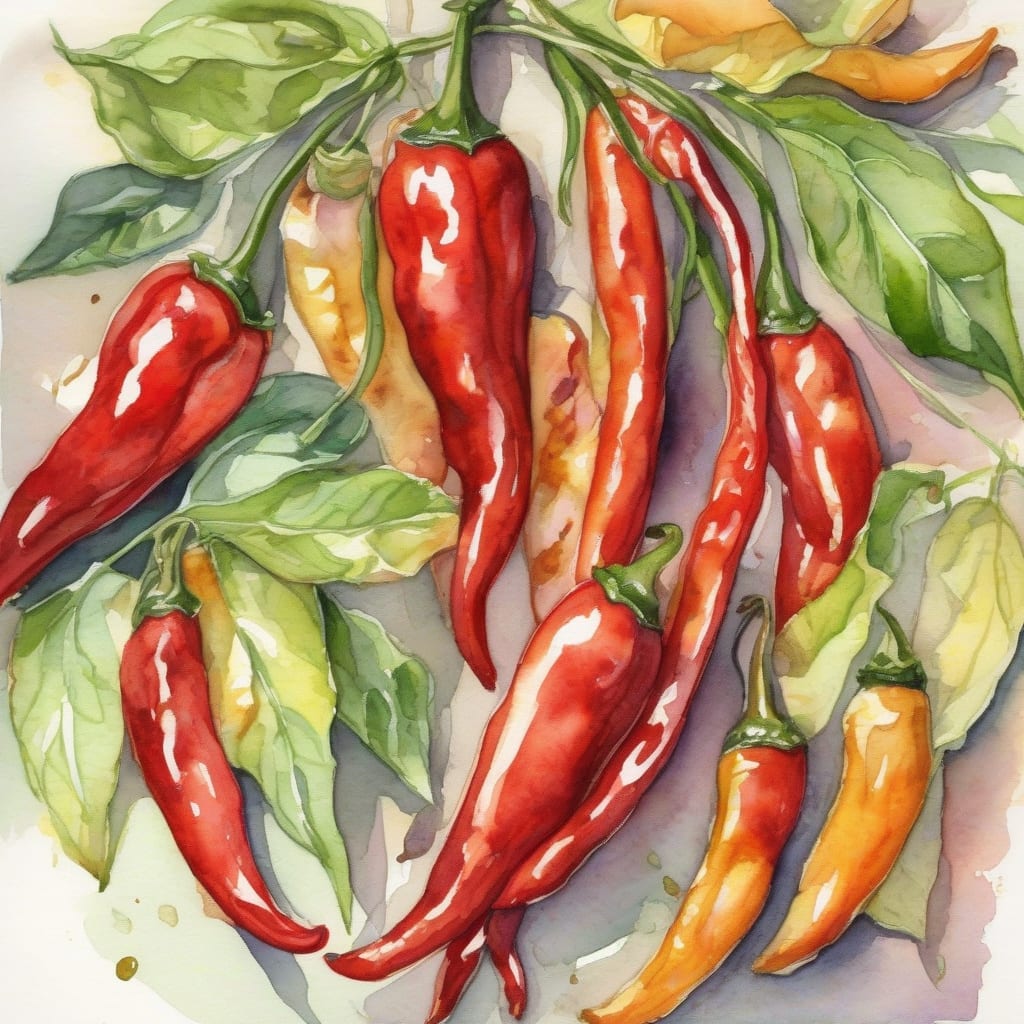
Chili is not traditionally Italian, as it originated in the Americas. However, Italian immigrants adapted chili recipes, creating Italian-American variations that blend Italian and chili flavors.
When exploring the connection between chili and Italian cuisine, it’s fascinating to see how different cultures adapt dishes to their tastes. While traditional Italian cuisine doesn’t typically include chili, Italian-American cooking has created unique fusion dishes that blend the hearty, spicy flavors of chili with Italian ingredients and seasonings. This blend has resulted in interesting variations that showcase the versatility of both culinary traditions. The adaptation process often involves incorporating Italian staples like Italian sausage or Parmesan cheese into chili recipes, creating a delicious bridge between cultures 🔥.
The Origins and Evolution of Chili
The story of chili begins with the indigenous peoples of the Americas, who cultivated chili peppers as far back as 6,000 years ago. The dish we know as chili today originated in the southwestern United States and northern Mexico, where it was a staple food for many communities. The name “chili” comes from the Nahuatl language, spoken by the Aztecs, and refers to the chili pepper itself. As European settlers arrived, they adapted the local ingredients to their own cooking traditions, creating the chili con carne we know today 🔥.
Italian immigrants brought their own culinary traditions to America, including their love of rich, hearty stews and sauces. When they encountered chili, they naturally adapted it to their tastes, incorporating ingredients like Italian sausage and cannellini beans. This blending of cultures resulted in unique Italian-American chili recipes that combined the best of both worlds. The slow-cooking methods and rich flavors characteristic of Italian cooking melded perfectly with the bold, spicy flavors of chili.
The adaptation of chili in Italian-American cuisine is a great example of culinary fusion. Italian immigrants maintained their traditional cooking techniques while embracing new ingredients. This resulted in dishes that were both familiar and innovative. The use of Parmesan cheese as a topping for chili, for instance, adds a salty, umami flavor that complements the spices beautifully. Similarly, adding Italian seasonings like oregano and basil to chili creates a complex flavor profile that honors both culinary traditions.
Today, Italian-American chili continues to evolve, incorporating fresh ingredients and modern twists. Some recipes might include sun-dried tomatoes or roasted red peppers to add depth and sweetness. Others might use ground turkey or pork instead of beef for a leaner version. The beauty of chili lies in its versatility, making it a perfect canvas for culinary creativity and cultural exchange 🌟.

Trained in classic French technique but raised on slow-cooked ribs and spicy rubs, she blends culinary skill with smoke and soul.
- Recipe for Boneless Pork Chops in Cast Iron Skillet: Sear and Baste to Juicy Perfection - October 3, 2026
- Recipe for Boneless Cross Rib Roast: Slow-Roasted Beef with Herb Crust - October 3, 2026
- Hamburgers in Sauce Recipe Crock Pot: Slow-Cooked Savory Delight - October 3, 2026