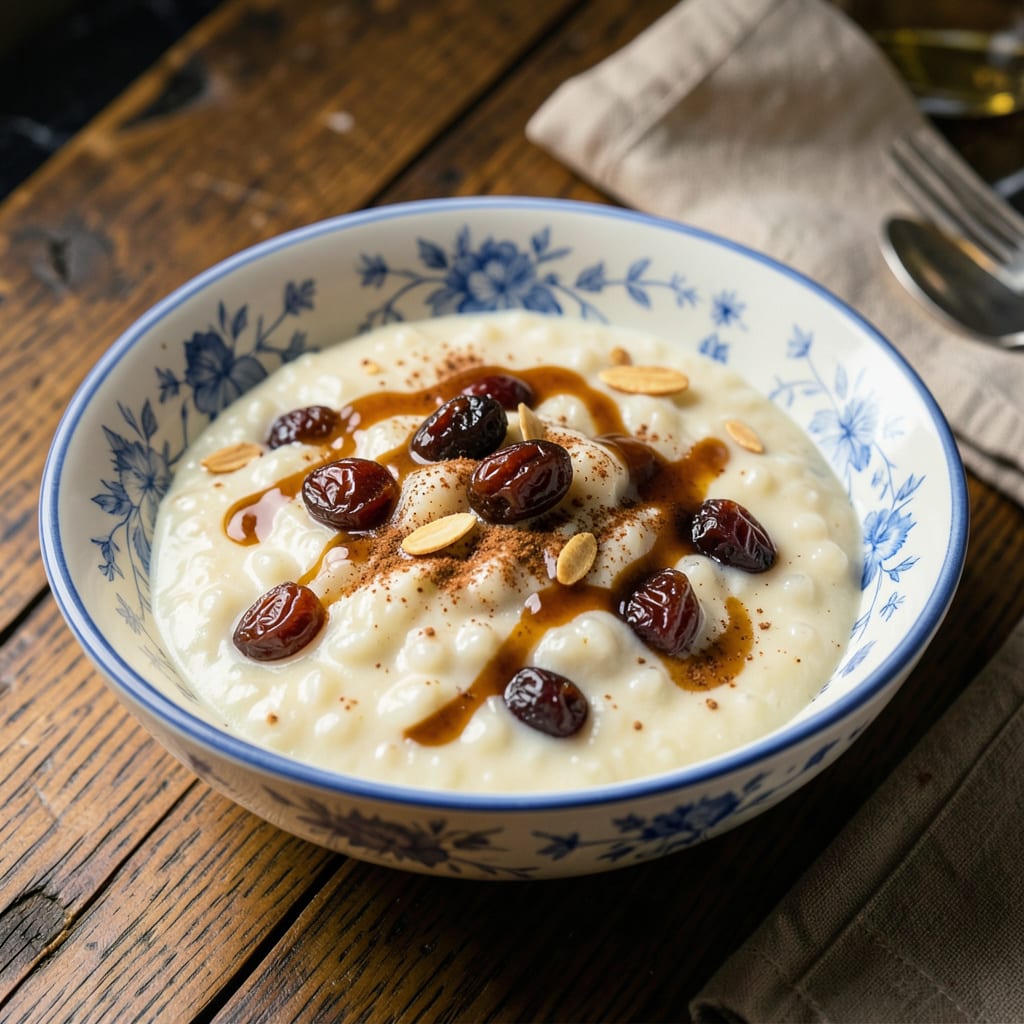
Rice pudding isn’t inherently bad, but traditional versions are high in refined carbs and added sugars, which may spike blood sugar. Opt for whole-grain rice, less sugar, and added protein to make it healthier.
I’ve always believed desserts can fit into a balanced diet—it’s about the ingredients and how they work together. Traditional rice pudding relies on white rice and sugar, which digest quickly and can leave you crashing later. The key is transforming it into a dish that satisfies your sweet tooth while keeping you full longer. 💫
In my kitchen, I swap white rice for brown or wild rice to add fiber and nutrients, and I cut sugar by using cinnamon or vanilla for natural sweetness. A dollop of Greek yogurt or chopped nuts can turn this dessert into a more balanced treat. It’s all about smart tweaks that don’t sacrifice flavor.
💡 In This Article
- Nutritional Breakdown of Traditional Rice Pudding
- Healthier Rice Pudding Alternatives and Swaps
Nutritional Breakdown of Traditional Rice Pudding
Let’s talk about what’s really in that creamy bowl of rice pudding. A standard serving (about 1 cup) packs roughly 200-300 calories, but here’s the kicker: most of those calories come from refined white rice and added sugars.
White rice has a glycemic index of 73—meaning it digests quickly and spikes blood sugar faster than whole grains. When you combine that with 2-3 tablespoons of sugar per serving, you’re looking at a rapid energy surge followed by a crash. 🔥
The milk in traditional recipes (usually whole milk or cream) adds richness but also saturated fat—about 4-6 grams per serving. While fat slows digestion slightly, it’s not enough to offset the blood sugar rollercoaster from the refined carbs.
Compare this to a slice of apple pie: both have similar calories, but the pie’s fruit fiber helps moderate sugar absorption. Rice pudding’s smooth texture means those carbs hit your system all at once.
Here’s what most people don’t realize: the cooking process actually concentrates the sugars. As the rice absorbs liquid and softens, the sugar molecules become more available for rapid absorption. That’s why homemade versions often taste sweeter than you’d expect from the recipe—you’re essentially creating a sugar delivery system with that creamy rice base.
The lack of fiber or protein means your body processes it more like a sugary drink than a balanced dessert. ✨
There is one nutritional bright spot: rice pudding provides calcium (about 15% DV per serving) and some B vitamins from the milk. But you could get those same nutrients from a glass of milk with a handful of almonds—without the blood sugar spike.
The real issue isn’t any single ingredient, but how they combine to create a dish that’s high in quick-digesting carbs with minimal nutritional brakes.
Consider this comparison: a serving of rice pudding has about the same carb impact as 4 slices of white bread, but without the fiber to slow digestion. The fat from milk helps slightly with satiety, but not enough to prevent that classic “sugar crash” feeling an hour later.
That’s why traditional versions leave you hungry again so quickly—your body burns through those refined carbs in record time. 💫
The protein content is another weak point—most recipes deliver only 3-5 grams per serving. For context, that’s less than a single hard-boiled egg. Without adequate protein to balance the carbs, your body has no building blocks to offset the sugar rush.
This nutritional imbalance is why rice pudding often gets labeled as “unhealthy”—it’s not about the ingredients individually, but how they interact in your body.
What makes this particularly tricky is the portion distortion. Restaurant servings can be 50% larger than homemade versions, pushing the carb count over 60 grams in one sitting—that’s nearly a quarter of the daily recommended carb intake for many adults.
The creamy texture also makes it easy to overeat, as your brain doesn’t register liquidy foods as filling as quickly as it does with solid desserts like cake or cookies. ⚡

Trained in classic French technique but raised on slow-cooked ribs and spicy rubs, she blends culinary skill with smoke and soul.
- Recipe for Boneless Pork Chops in Cast Iron Skillet: Sear and Baste to Juicy Perfection - October 3, 2026
- Recipe for Boneless Cross Rib Roast: Slow-Roasted Beef with Herb Crust - October 3, 2026
- Hamburgers in Sauce Recipe Crock Pot: Slow-Cooked Savory Delight - October 3, 2026