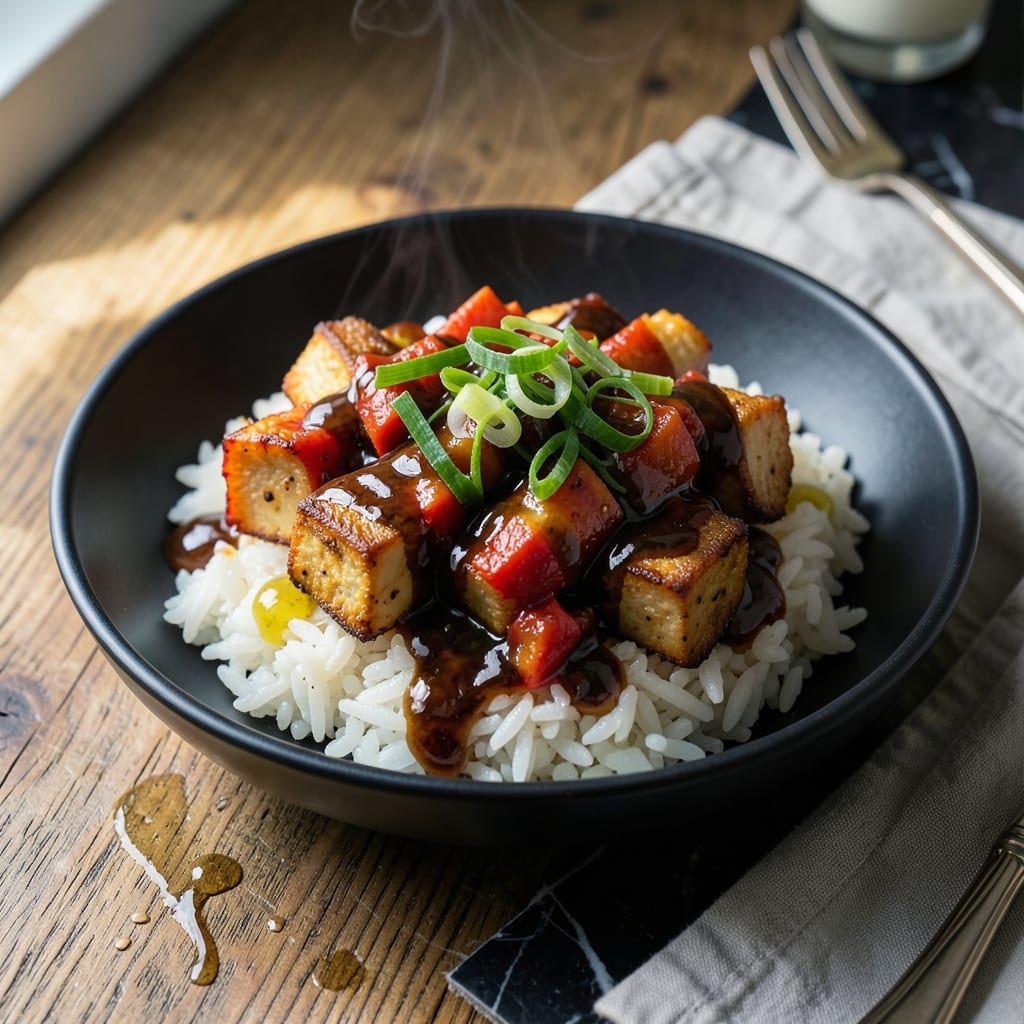
This vegetarian kimchi rice transforms leftover grains into a bold, fermented masterpiece with minimal effort. I developed this version to prove plant-based meals can deliver maximum flavor with simple ingredients from any pantry.
The secret lies in crisping the kimchi first to intensify its tangy depth, then layering in plant-based protein like tofu or tempeh. A one-pan method ensures every bite carries the umami punch that makes this dish irresistibly satisfying.
You’ll end up with rice that’s simultaneously crispy and chewy, coated in a spicy-savory sauce that clings to each grain. The kimchi’s fermentation adds complexity that tastes like it took hours to develop.
Ready in 20 minutes, this works for weeknight dinners or lazy weekend lunches. Here’s how to make it.
Ingredients for Kimchi Rice Recipe Vegetarian
Pantry staples meet bold fermented flavors in this satisfying vegetarian dish.
| Ingredient | Amount | Notes |
|---|---|---|
| Cooked White Rice 🍚 | 4 cups | Day-old or chilled preferred |
| Kimchi 🥬 | 2 cups | Well-fermented for best flavor |
| Firm Tofu 🧈 | 14 oz | Pressed and cubed |
| Sesame Oil 🫒 | 1 ½ tbsp | Toasted for depth |
| Soy Sauce 💧 | 2 tbsp | Low-sodium or tamari |
| Gochujang 🌶️ | 1 tbsp | Korean chili paste |
| Garlic Cloves 🧄 | 4 cloves | Minced finely |
| Green Onions 🧅 | 4 whole | Thinly sliced |
| Vegetable Oil 🫒 | 1 tbsp | Neutral flavor for cooking |
| Sesame Seeds 🌾 | 1 tsp | Toasted for garnish |
| Sugar 🧂 | 1 tsp | Balances acidity |
| Ginger Root 🌿 | 1 tsp | Freshly grated |
| Red Pepper Flakes 🌶️ | ½ tsp | Adjust to spice preference |
[recipe_ingredient_scaler]
The kimchi quality is non-negotiable here. Seek out well-fermented, vibrant red napa cabbage kimchi—the kind with plenty of liquid and a strong, tangy aroma. H Mart or local Asian markets carry authentic versions that grocery store brands can’t match. For the tofu, extra-firm holds its shape best when crisping, but firm works if that’s what you have. Press it for 15 minutes (weighted with a heavy pan) to remove excess water.
No gochujang? Sriracha plus 1 tsp miso paste gets you close. Tofu not your thing? Tempeh or edamame add great texture. For gluten-free, tamari instead of soy sauce. The sesame oil is key though—Kadoya brand is widely available and consistently good. If your kimchi isn’t very sour, add 1 tsp rice vinegar to brighten the flavor.
Leftovers keep beautifully for 4-5 days in the fridge—the flavors deepen as it sits. Freezing isn’t ideal (rice gets mushy), but if you must, undercook the rice slightly and freeze without the garnishes. Reheat in a skillet with a splash of water to restore the crispy bits.
Why You’ll Love This Recipe
- One Pan Wonder: I toss everything in a single skillet—kimchi, tofu, rice—and dinner’s ready before the rice even cools.
- Umami Bomb: The combo of fermented kimchi, soy sauce, and sesame oil hits that salty, tangy, rich flavor I crave every time.
- Meal Prep Hero: Honestly, this tastes even better the next day when the flavors meld, so I double the batch for lunches.
- Pantry Lifesaver: Between us, I always have these ingredients on hand, so it’s my go-to when the fridge looks sad.
Step-by-Step Instructions for Kimchi Rice With Plant-Based Protein
This method delivers bold Korean flavors with perfectly balanced spice and texture.
Step 1: Prepare the Tofu for Maximum Flavor Absorption
Press the 14 oz firm tofu between paper towels under a heavy pan for 15 minutes to remove excess moisture. This step ensures the cubes will crisp up properly and absorb the marinade rather than steam in the pan.
Cut the pressed tofu into 1-inch cubes and combine in a bowl with 2 tbsp soy sauce, 1 tbsp gochujang, 1 tsp sugar, and 0.5 tsp red pepper flakes. Let marinate for 10 minutes while you prep the remaining ingredients.
Step 2: Cook the Tofu Until Crispy and Golden
Heat 1 tbsp vegetable oil in a large skillet over medium-high heat until it shimmers. Add the marinated tofu in a single layer, being careful not to crowd the pan. Cook undisturbed for 3-4 minutes until golden brown on the bottom.
Flip the tofu and cook for another 3-4 minutes until all sides are crispy and the glaze has caramelized slightly. The tofu should release easily from the pan when ready. Transfer to a plate and set aside.
Step 3: Sauté Aromatics and Combine with Rice
In the same skillet, add 1 tbsp vegetable oil if needed, then sauté 4 cloves minced garlic and 1 tsp grated ginger over medium heat for 30 seconds until fragrant. Add 2 cups kimchi (chopped if large pieces) and cook for 2-3 minutes until heated through.
Stir in the 4 cups cooked white rice, breaking up any clumps with a spatula. Cook for 2-3 minutes until the rice is heated through and begins to crisp slightly in the pan. The kimchi should be well-distributed throughout.
Step 4: Finish with Tofu and Garnishes
Return the crispy tofu to the skillet and stir to combine with the rice. Drizzle with 1.5 tbsp sesame oil and toss gently to coat everything evenly. The sesame oil adds a nutty depth that complements the spicy, tangy kimchi.
Transfer to serving bowls and garnish with 4 thinly sliced green onions and 1 tsp sesame seeds. The green onions add freshness, while the sesame seeds provide a subtle crunch and visual contrast. Serve immediately while hot for the best texture and flavor.
Pro Tips For Making Kimchi Rice Recipe Vegetarian
- Press the Tofu: Use a heavy pan or book to press the tofu for 15 minutes before cooking—this removes excess water so it actually gets crispy in the pan.
- Fry the Kimchi: Cook the kimchi over medium-high heat for 3-4 minutes first to mellow its sharpness and deepen the flavor before mixing with rice.
- Skip Cold Rice: Use day-old or slightly dried rice straight from the fridge; fresh rice turns mushy when stir-fried with kimchi and tofu.
- Finish with Sesame: Drizzle the sesame oil at the very end, not during cooking, to preserve its nutty aroma—I learned this the hard way after burning it twice.
Essential Equipment for kimchi rice recipe vegetarian
Skillet Selection
I always use a 12-inch cast iron skillet for this dish—Lodge makes a great budget-friendly option. The wide surface area gives the tofu and rice enough space to crisp properly without steaming. Cast iron also retains heat beautifully, which is key for that perfect texture. 🔥
Wooden Spatula
A wooden spatula or rice paddle is essential for breaking up rice clumps without scraping your pan. I love the OXO Good Grips version—it’s sturdy enough to handle the rice but gentle on non-stick surfaces. Avoid metal utensils if using non-stick cookware.
Tofu Press
For perfectly crispy tofu every time, invest in a tofu press. I use the Tofuture model, which removes all excess water in 15 minutes. If you don’t have one, a heavy pan on paper towels works, but the press is a game-changer for texture. Honestly, it’s worth the $20.
Chef’s Knife
A sharp 8-inch chef’s knife makes quick work of the kimchi and tofu. I reach for my Victorinox Fibrox—it’s lightweight, razor-sharp, and under $40. A dull knife will crush the tofu instead of slicing it cleanly, so keep yours honed.
Mixing Bowls
Use a medium mixing bowl for marinating the tofu—Pyrex glass is my go-to because it’s durable and won’t absorb odors. A 2-quart bowl gives enough room to toss the tofu without spilling. Plus, you can see the marinade coating everything evenly.
Measuring Spoons
Accurate measurements matter here, especially for the gochujang and sesame oil. I keep a set of magnetic stainless steel measuring spoons from RSVP in my drawer. They’re easy to clean and won’t rust, which is a must for sticky ingredients like gochujang. ✨
Nutrition Facts
Frequently Asked Questions
Can I use fresh kimchi for this?
Use well-fermented kimchi for best flavor and tang. Fresh kimchi lacks the sour depth this dish needs.
What if I don’t have gochujang?
Substitute 1 tbsp sriracha plus 1 tsp miso paste for similar spicy-umami flavor. Adjust to taste.
How do I make it gluten-free?
Swap soy sauce for tamari and check kimchi label for wheat. Most brands are naturally gluten-free.
Can I use a different protein?
Try tempeh or edamame instead of tofu. Press and marinate them the same way for best texture.

Trained in classic French technique but raised on slow-cooked ribs and spicy rubs, she blends culinary skill with smoke and soul.
- Recipe for Boneless Pork Chops in Cast Iron Skillet: Sear and Baste to Juicy Perfection - October 3, 2026
- Recipe for Boneless Cross Rib Roast: Slow-Roasted Beef with Herb Crust - October 3, 2026
- Hamburgers in Sauce Recipe Crock Pot: Slow-Cooked Savory Delight - October 3, 2026