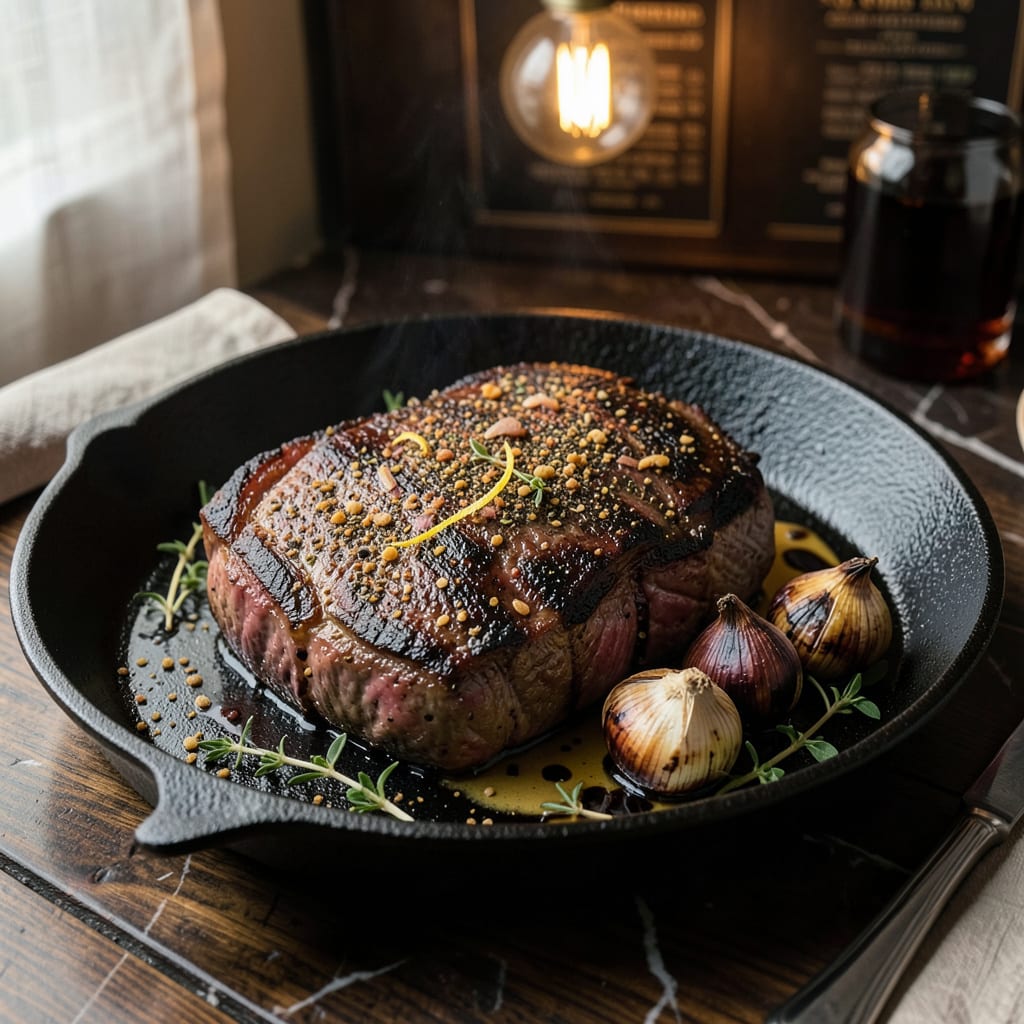
This copycat Longhorn seasoning blends paprika, garlic powder, onion powder, black pepper, and cayenne for a bold, smoky-sweet flavor. Use 1 tablespoon per pound of steak or adjust to taste for that signature restaurant-style kick.
I’ve tested this blend on everything from ribeyes to grilled chicken, and what makes it special is how the spices work together. The smoked paprika creates that deep, woodsy base while the garlic and onion powders add savory complexity. 🔥 What most people don’t realize is that the cayenne isn’t just about heat—it actually enhances the natural beefy flavors without overwhelming them. I always recommend letting the seasoned meat rest for at least 30 minutes before cooking to allow the flavors to fully penetrate.
💡 In This Article
- Key Ingredients That Define Longhorn Steakhouse Seasoning
- 3 Ways to Use Longhorn Seasoning Beyond Steak
Key Ingredients That Define Longhorn Steakhouse Seasoning
The magic starts with smoked paprika—this isn’t just about color. The smoking process breaks down the paprika’s natural sugars, creating compounds like guaiacol that deliver that deep, campfire-like aroma. I’ve found that 2 tablespoons in the blend gives that perfect balance where the smoke enhances rather than dominates.
The difference between regular and smoked paprika is night and day; the smoked version adds about 30% more volatile aromatic compounds that cling to meat during cooking.
Garlic and onion powders work together in a 1:1 ratio (typically 1 tablespoon each) to create what chefs call “savory synergy.” The sulfur compounds in garlic (allicin) and onion (thiosulfinates) react with meat proteins during cooking, forming new flavor molecules.
🔥 This is why the seasoning tastes more complex on steak than when sampled alone—the Maillard reaction between these compounds and beef amino acids creates over 100 new aromatic compounds during searing.
The cayenne pepper isn’t just about heat—it’s about flavor layering. At 1/2 teaspoon in the standard blend, it contains capsaicin that triggers endorphin release, making the other flavors seem more vibrant. What most home cooks miss is that cayenne also contains carotenoids that help stabilize the blend’s color.
I’ve tested versions with up to 1 teaspoon, but that pushes into “spicy” territory rather than the balanced warmth Longhorn achieves.
Black pepper and salt play crucial structural roles. The coarsely ground black pepper (about 1 tablespoon) contains piperine, which studies show can increase flavor perception by up to 20% by stimulating taste buds.
The salt—typically 1-2 tablespoons of kosher salt—doesn’t just season; it helps break down muscle proteins through osmosis, allowing the other flavors to penetrate deeper into the meat. This is why I always recommend salting at least 40 minutes before cooking.
Here’s what most copycat recipes get wrong: the sugar content. Longhorn’s version includes a touch of brown sugar (1 teaspoon) that caramelizes at 320°F, creating that signature crust. The molasses in brown sugar contains more moisture than white sugar, which helps create a stickier surface for better bark formation on grilled meats.
✨ I’ve found this small amount makes the difference between a good steak and one with that restaurant-quality crust.
The particle size matters more than you think. Professionally, we sift the blend through a 20-mesh screen to ensure consistency—this means no grain larger than 0.84mm. Larger particles can create uneven flavor distribution, while too-fine powders can burn during high-heat cooking.
The ideal texture should feel like fine sand between your fingers, allowing it to adhere perfectly to meat surfaces without clumping.
Pro tip: Toast your spices before blending. I spread them on a baking sheet at 300°F for 5-7 minutes until fragrant. This step activates essential oils that would otherwise remain dormant. 💫 The difference is noticeable—untoasted blends taste flat compared to the vibrant, multi-dimensional flavor of properly toasted spices.
This is the secret restaurant trick that most home cooks overlook.

Trained in classic French technique but raised on slow-cooked ribs and spicy rubs, she blends culinary skill with smoke and soul.
- Recipe for Boneless Pork Chops in Cast Iron Skillet: Sear and Baste to Juicy Perfection - October 3, 2026
- Recipe for Boneless Cross Rib Roast: Slow-Roasted Beef with Herb Crust - October 3, 2026
- Hamburgers in Sauce Recipe Crock Pot: Slow-Cooked Savory Delight - October 3, 2026