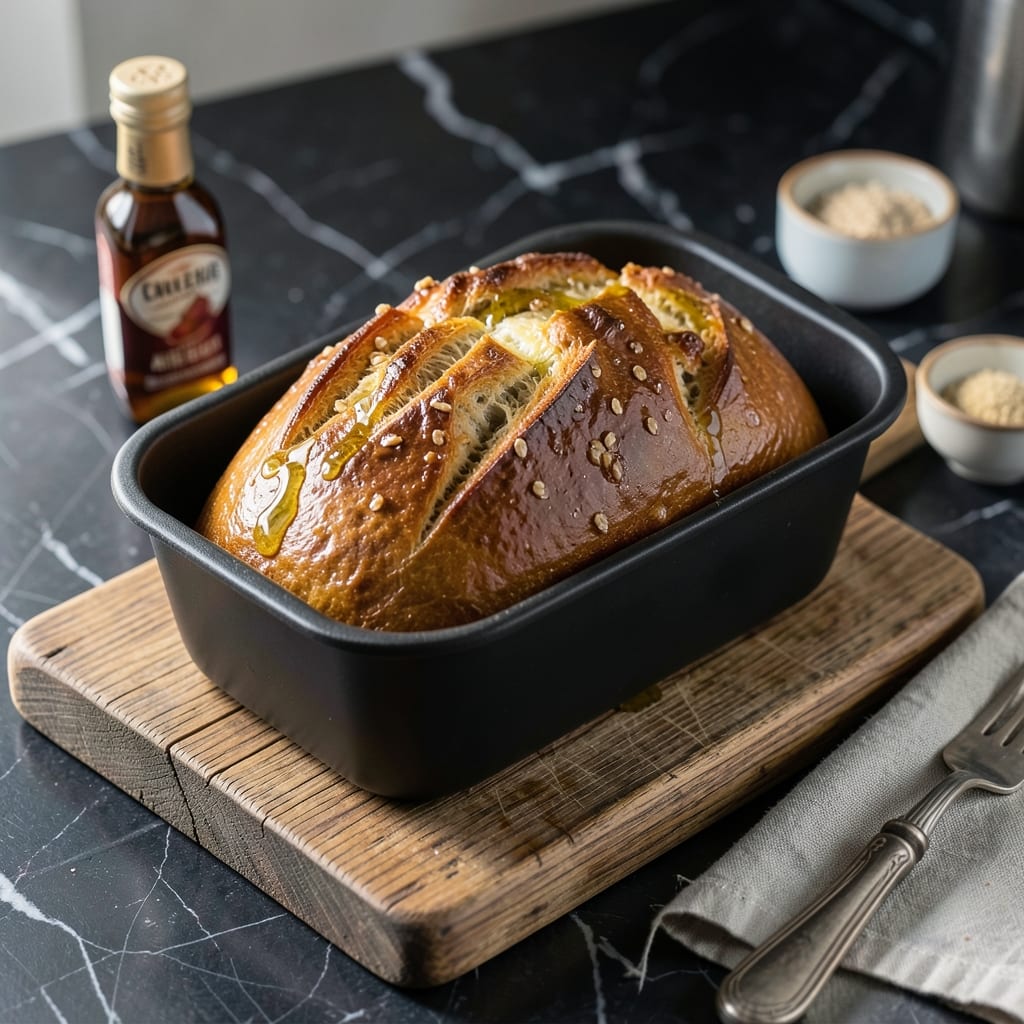
I’ve baked countless loaves in my bread machine, but creating one without salt that still rises beautifully was the real test. This recipe proves you can have a fluffy, golden loaf without compromising on texture or flavor.
By replacing salt with a touch of honey and apple cider vinegar, the dough develops the structure it needs. The result is soft, sliceable bread with a delicate crumb—ideal for sandwiches or toast.
It’s surprisingly simple: measure, add to the machine, and let it work. No special ingredients, just a few smart swaps to keep it low-sodium without sacrificing quality.
Perfect for those watching their intake or anyone who loves homemade bread. This method delivers every time.
Ingredients for Low Sodium Bread Recipe for Bread Machine
Simple pantry staples create a soft, golden bread without added salt.
| Ingredient | Amount | Notes |
|---|---|---|
| Bread Flour 🌾 | 3 ½ cups | High-protein for structure |
| Whole Wheat Flour 🌾 | ½ cup | Adds fiber and depth |
| Honey 🍯 | 1 ½ tbsp | Replaces salt for sweetness |
| Apple Cider Vinegar 🍏 | 1 tbsp | Enhances dough development |
| Active Dry Yeast ✨ | 2 ¼ tsp | Ensures proper rise |
| Water 💧 | 1 ¼ cups | Warm, about 110°F |
| Unsalted Butter 🧈 | 1 tbsp | Softened, for tenderness |
| Egg 🥚 | 1 whole | Room temperature for binding |
| Canola Oil 🫒 | 1 tbsp | Neutral flavor for moisture |
| Dry Milk Powder 🥛 | 2 tbsp | Adds richness without salt |
[recipe_ingredient_scaler]
The flour is the backbone here—King Arthur bread flour delivers consistent, high-protein results. Whole wheat flour adds depth but don’t overdo it (stick to the ratio) or your loaf will be dense. Yeast freshness is critical: test it in warm water with a pinch of sugar first. If it doesn’t foam within 5 minutes, it’s dead. For the honey, local raw is ideal but any variety works. Vinegar might seem odd, but it’s the secret to structure without salt.
No honey? Maple syrup or agave at the same amount works. Out of apple cider vinegar? White vinegar or lemon juice in a pinch. The egg can be skipped, but the texture will be slightly less tender. For a lighter loaf, swap half the bread flour for all-purpose. Canola oil can be replaced with vegetable oil or melted coconut oil—just ensure it’s neutral in flavor.
Store flour in airtight containers to prevent spoilage. Yeast keeps in the fridge for 2 months or freezer for 6 months. Baked loaves stay fresh for 3-4 days in a bread box or wrapped tightly. Slice and freeze for longer storage—reheat straight from frozen.
Why You’ll Love This Recipe
- Set and Forget: I dump the ingredients in the machine, press start, and walk away—no kneading, no fuss.
- Subtle Sweetness: The honey adds just enough warmth to balance the whole wheat without overpowering it.
- Sandwich Star: Between us, this bread holds up to thick PB&J or a hearty turkey avocado combo like a champ.
- Budget Baker: One loaf costs pennies compared to store-bought, and I control exactly what goes in it.
Step-by-Step Instructions for Low Sodium Bread Machine Bread
Here is the method. Precise, tested, and delivers perfect results every time.
Step 1: Prepare the Wet Ingredients
In your bread machine pan, start with the 1.25 cups Water at approximately 110°F. This temperature activates the yeast without killing it. Add the 1 whole Egg, 1 tbsp Canola Oil, 1.5 tbsp Honey, and 1 tbsp Apple Cider Vinegar.
The honey replaces salt for sweetness while the vinegar enhances gluten development, crucial for structure without added sodium. Whisk these together lightly with a fork to ensure the egg is fully incorporated and evenly distributed throughout the liquid.
Step 2: Add the Dry Ingredients
Next, add the 3.5 cups Bread Flour, 0.5 cup Whole Wheat Flour, and 2 tbsp Dry Milk Powder. Sprinkle these evenly over the wet ingredients, taking care not to pack down the flour. The dry milk powder adds richness and structure without introducing additional sodium.
Create a small well in the center of the flour mixture. This prevents the yeast from activating prematurely when you add it in the next step, ensuring a proper rise during the bread machine cycle.
Step 3: Add Yeast and Butter
Place the 2.25 tsp Active Dry Yeast into the well you created. It’s critical to keep the yeast separate from the wet ingredients until the machine starts. Add the 1 tbsp Unsalted Butter, softened and cut into small pieces, in one corner of the pan.
The butter will incorporate during the kneading cycle, adding tenderness to the crumb. The yeast will activate once the machine begins mixing, initiating the fermentation process that gives the bread its light, airy texture.
Step 4: Select and Start the Bread Machine Cycle
Insert the pan into your bread machine and secure the lid. Select the basic or white bread setting with a 1.5-2 pound loaf size and medium crust option. The machine will handle the kneading, rising, and baking automatically.
During the kneading phase, check that the dough forms a smooth, elastic ball. If it appears too dry, add 1 teaspoon of water at a time. If it’s too sticky, add 1 teaspoon of bread flour until the consistency is correct. Avoid opening the lid during rising and baking to maintain consistent temperature.
Step 5: Cool and Serve
Once the cycle completes, remove the pan from the machine and turn the loaf out onto a wire rack. Let it cool for at least 20 minutes before slicing. This cooling period allows the internal structure to set, preventing a gummy texture.
The loaf should have a golden-brown crust and a soft, fluffy interior. Slice with a serrated knife for clean cuts. Store any leftovers in an airtight container at room temperature for up to 3 days.
Pro Tips For Making Low Sodium Bread Recipe For Bread Machine
- Warm the Liquids: Use warm water (around 110°F) when mixing with honey and yeast—too hot kills the yeast, too cold slows activation. I learned this the hard way after a loaf that refused to rise.
- Measure Flour Right: Spoon flour into your measuring cup and level it off—don’t scoop directly from the bag. Packed flour makes dense bread, and nobody wants a brick from the bread machine.
- Skip the Overmixing: Let the machine do its kneading cycle, but resist the urge to interfere. Overworking the dough develops too much gluten, and your low-sodium loaf will end up tough.
- Add Vinegar Last: Stir in the apple cider vinegar after the initial mix—it helps control the yeast’s activity and improves texture. Sounds weird, but it works and balances the honey’s sweetness.
Flavor Customization for low sodium bread recipe for bread machine
Herb Infusions
Add 1 tbsp dried rosemary or 1 tbsp dried thyme to the dry ingredients for an aromatic twist. I love rosemary—it reminds me of Nana Mae’s kitchen. Fresh herbs work too, but use 3 tbsp finely chopped to avoid excess moisture.
Cheesy Addition
Mix in ½ cup shredded cheddar or Parmesan cheese during the final kneading cycle. David swears by cheddar for his sandwiches. Ensure cheese is finely shredded to distribute evenly without disrupting the dough texture.
Seeded Crunch
Sprinkle 2 tbsp sunflower seeds or flaxseeds into the pan before starting the cycle. For extra crunch, toast the seeds in a dry pan for 2-3 minutes first. Austin’s farmers markets have great seed selections. 🌟
Sweet Variations
Increase honey to 2 tbsp and add ½ cup raisins or diced dried apricots for a sweet loaf. Soak dried fruit in warm water for 10 minutes first to soften. Emma loves this as French toast.
Spiced Warmth
Add 1 tsp cinnamon or ½ tsp nutmeg with the dry ingredients for a cozy flavor. Perfect for fall mornings. Pair with a smear of unsalted butter for a comforting treat.
These small tweaks let you customize without adding sodium while keeping the bread machine-friendly.
Nutrition Facts
Frequently Asked Questions
Can I use all-purpose flour instead of bread flour?
Yes, but replace only half the bread flour to maintain structure. Bread flour’s higher protein creates better rise. All-purpose alone may yield a denser loaf.
Why does the recipe include vinegar?
Apple cider vinegar enhances gluten development, compensating for the lack of salt. It’s a key trick for achieving a light, fluffy texture without sodium.
Can I make this without an egg?
Yes, but the texture will be slightly less tender. For best results, keep the egg—it adds structure and richness to the low-sodium dough.
How do I know when the dough needs more water?
During kneading, if the dough looks dry and crumbly, add 1 tsp water at a time. It should form a smooth, elastic ball.

Trained in classic French technique but raised on slow-cooked ribs and spicy rubs, she blends culinary skill with smoke and soul.
- Recipe for Boneless Pork Chops in Cast Iron Skillet: Sear and Baste to Juicy Perfection - October 3, 2026
- Recipe for Boneless Cross Rib Roast: Slow-Roasted Beef with Herb Crust - October 3, 2026
- Hamburgers in Sauce Recipe Crock Pot: Slow-Cooked Savory Delight - October 3, 2026