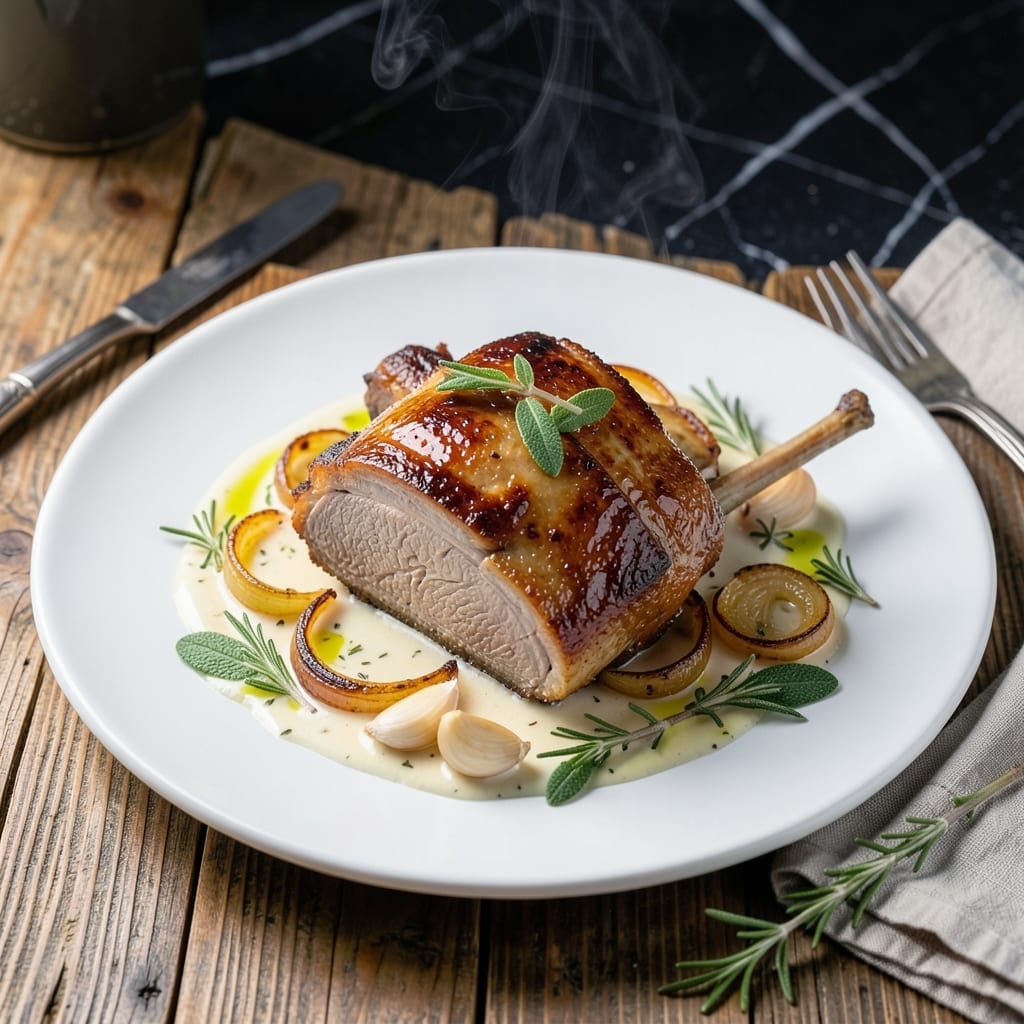
This Italian-inspired braising method transforms tough pork shoulder into succulent, fall-apart tender meat. The milk creates a rich, velvety sauce that’s surprisingly light and subtly sweet.
I tested this technique multiple times in my small Boston kitchen, adjusting liquid ratios until the pork emerged perfectly cooked every time. The slow cooking process allows the milk to curdle slightly, forming a delicate, creamy sauce.
The result is a dish with restaurant-quality depth—tender pork with a luxurious sauce that soaks into every bite. Serve with crusty bread to capture every drop of the silky sauce.
This method works best with bone-in pork shoulder, cooked low and slow until it reaches that ideal state of tenderness.
Ingredients for Milk-braised Pork
Transform tough pork shoulder into restaurant-quality tenderness with these essential ingredients.
| Ingredient | Amount | Notes |
|---|---|---|
| Bone-In Pork Shoulder 🥩 | 2 ½ lb | Skin-on preferred for texture |
| Whole Milk 🥛 | 4 cups | Full-fat for creamy sauce |
| Yellow Onion 🧅 | 1 whole | Medium, thinly sliced |
| Garlic Cloves 🧄 | 6 cloves | Lightly crushed, peeled |
| Fresh Sage Leaves 🌿 | 12 pieces | Whole leaves, stems removed |
| Fresh Rosemary Sprigs 🍃 | 2 pieces | Woody stems discarded |
| Bay Leaves 🌿 | 2 pieces | Dried, whole |
| Extra-Virgin Olive Oil 🫒 | 2 tbsp | For searing pork |
| Kosher Salt 🧂 | 1 ½ tsp | Diamond Crystal preferred |
| Freshly Ground Black Pepper 🌶️ | 1 tsp | Coarse grind ideal |
| Dry White Wine 🍷 | ½ cup | Crisp variety like Pinot Grigio |
| Chicken Stock 🍲 | ½ cup | Low-sodium preferred |
| Lemon Zest 🍋 | 1 tsp | Finely grated, from 1 lemon |
[recipe_ingredient_scaler]
The pork shoulder is non-negotiable for this dish. Bone-in, skin-on yields the most succulent results—avoid pre-cubed cuts, as they lack connective tissue for proper braising. Whole milk (full-fat only) is critical; low-fat varieties won’t emulsify into the signature silky sauce. Source your pork from Whole Foods or a trusted butcher for consistent marbling. Fresh herbs like sage and rosemary elevate the aroma, so avoid dried substitutes for this application.
No white wine? Substitute additional chicken stock with 1 tbsp lemon juice for acidity. Out of fresh herbs? Dried herbs at one-third the quantity can work in a pinch, though the flavor profile will be less vibrant. For a richer sauce, replace 1 cup milk with heavy cream (not vegan, but traditional). The lemon zest brightens the dish—skip the bottled stuff and use fresh for maximum impact.
This dish tastes even better the next day as the flavors meld. Store leftovers in an airtight container for up to 4 days in the fridge or freeze for 3 months. Reheat gently on the stovetop to prevent the sauce from breaking. Always serve with crusty bread to soak up every drop of the luxurious sauce.
Why You’ll Love This Recipe
- I’ll be real: the pork tastes even better the next day in sandwiches or over pasta.
- One Pot Wonder: I just sear the pork, dump everything in, and let the oven do the work—hardly any cleanup.
- Velvety Richness: The milk transforms into this crazy-good, slightly curdled sauce that soaks into the pork with sage and garlic.
- Feeds a Crowd: Between us, this is my go-to for Sunday suppers—heartier than chicken, but just as simple.
Step-by-Step Instructions for Milk-Braised Pork
Master this technique for fork-tender pork with a luscious, velvety sauce every time.
Step 1: Sear the Bone-In Pork Shoulder
Pat the 2.5 lb Bone-In Pork Shoulder thoroughly dry with paper towels. Season all sides generously with the 1.5 tsp Kosher Salt and 1 tsp Freshly Ground Black Pepper, pressing the seasoning into the meat to ensure it adheres well.
Heat the 2 tbsp Extra-Virgin Olive Oil in a heavy Dutch oven over medium-high heat until shimmering. Add the pork shoulder skin-side down and sear undisturbed for 5-7 minutes until the skin develops a deep golden-brown crust. Flip and sear the remaining sides for 3-4 minutes each until evenly browned.
Transfer the pork to a plate and set aside. This searing step builds a flavorful fond in the pot, which will enrich the braising liquid significantly.
Step 2: Sauté Aromatics and Deglaze
In the same Dutch oven, reduce heat to medium. Add the 1 whole Yellow Onion (thinly sliced), 6 cloves Garlic Cloves (lightly crushed), 12 pieces Fresh Sage Leaves, 2 pieces Fresh Rosemary Sprigs, and 2 pieces Bay Leaves. Sauté for 3-4 minutes until the onion softens and becomes translucent.
Pour in the 0.5 cup Dry White Wine and scrape the browned bits from the bottom of the pot with a wooden spoon. Simmer for 2-3 minutes until the wine reduces by half. Add the 0.5 cup Chicken Stock and 1 tsp Lemon Zest, bringing the mixture to a gentle simmer.
Step 3: Braise in Whole Milk
Return the pork shoulder to the Dutch oven, skin-side up. Pour the 4 cups Whole Milk over the pork until it is mostly submerged. The milk should come about two-thirds up the side of the meat.
Bring the liquid to a gentle simmer, then reduce heat to low. Cover the pot and maintain a very gentle simmer. Braise for 2.5 to 3 hours, turning the pork occasionally, until the meat is fork-tender and easily pulls apart with minimal resistance.
The milk will curdle slightly and break into tender curds—this is normal and adds a delightful texture to the sauce. Ensure the liquid remains at a gentle simmer to prevent scorching.
Step 4: Rest and Serve
Carefully transfer the pork to a cutting board and tent loosely with foil. Let it rest for 15 minutes to allow the juices to redistribute, ensuring a moist and flavorful result.
Skim any excess fat from the surface of the braising liquid if desired. Spoon the creamy sauce and curds over the pork. Serve the pork in large chunks or shredded, with plenty of the silky milk sauce ladled over the top.
Pro Tips For Making Milk-Braised Pork
- Brown the Pork Well: Sear the bone-in pork shoulder until deeply browned on all sides—this builds the flavor base that the milk will later transform into a rich, caramelized sauce.
- Use Full-Fat Milk: Skip the low-fat versions; whole milk’s fat content prevents curdling and gives the braising liquid that creamy, velvety finish.
- Don’t Boil the Milk: Keep the heat at a gentle simmer—boiling causes the milk to separate and scorch, turning your sauce from silky to split.
- Add Sage Late: Stir in the fresh sage leaves during the last 30 minutes of braising to keep their aroma bright and prevent them from turning bitter.
Make-Ahead Tips for milk-braised pork
Prep Ahead Strategy
You can prep all the aromatics the night before—thinly slice the 1 yellow onion, crush the 6 garlic cloves, and measure the herbs. Store them in separate containers in the fridge. This saves 10-15 minutes on cooking day. I often do this while cleaning up dinner the night before. 💡
Braise in Advance
This dish actually improves overnight as the flavors meld. After braising, let the pork cool in its liquid, then refrigerate it in the Dutch oven. The next day, skim off the solidified fat and reheat gently on the stovetop over low heat for 20-25 minutes.
Freezing Portions
For longer storage, portion the cooled pork and sauce into airtight containers. It freezes well for up to 3 months. Thaw overnight in the fridge before reheating. I use quart-sized freezer bags for easy stacking.
Sauce Separation Fix
If the sauce separates when reheating, don’t worry—just whisk vigorously over medium-low heat until it comes back together. Adding a splash of milk or water can help re-emulsify it. The curds will melt back into the sauce.
Day-Of Shortcuts
If short on time, sear the pork in the morning and refrigerate it until you’re ready to braise. This works because the pork’s internal temperature stays safe. Just bring it to room temp before starting the braise.
Serving Reheated Pork
When serving leftovers, add a splash of milk or broth to loosen the sauce. The pork will still be tender and flavorful. I love serving it over creamy polenta or with crusty bread to soak up the sauce. ❄️
Nutrition Facts
Frequently Asked Questions
Why does the milk curdle during cooking?
The acidity from wine and lemon causes the milk to form delicate curds. This is normal and creates the dish’s signature creamy texture.
Can I use a different cut of pork?
Pork shoulder works best because of its fat and connective tissue. Avoid lean cuts like tenderloin—they’ll dry out during the long braise.
How do I prevent the sauce from scorching?
Maintain a gentle simmer and stir occasionally. Use a heavy pot like Dutch oven to distribute heat evenly.
What if I don’t have fresh herbs?
Use dried herbs at one-third the amount. The flavor won’t be as bright, but the dish will still be delicious.

Trained in classic French technique but raised on slow-cooked ribs and spicy rubs, she blends culinary skill with smoke and soul.
- Recipe for Boneless Pork Chops in Cast Iron Skillet: Sear and Baste to Juicy Perfection - October 3, 2026
- Recipe for Boneless Cross Rib Roast: Slow-Roasted Beef with Herb Crust - October 3, 2026
- Hamburgers in Sauce Recipe Crock Pot: Slow-Cooked Savory Delight - October 3, 2026