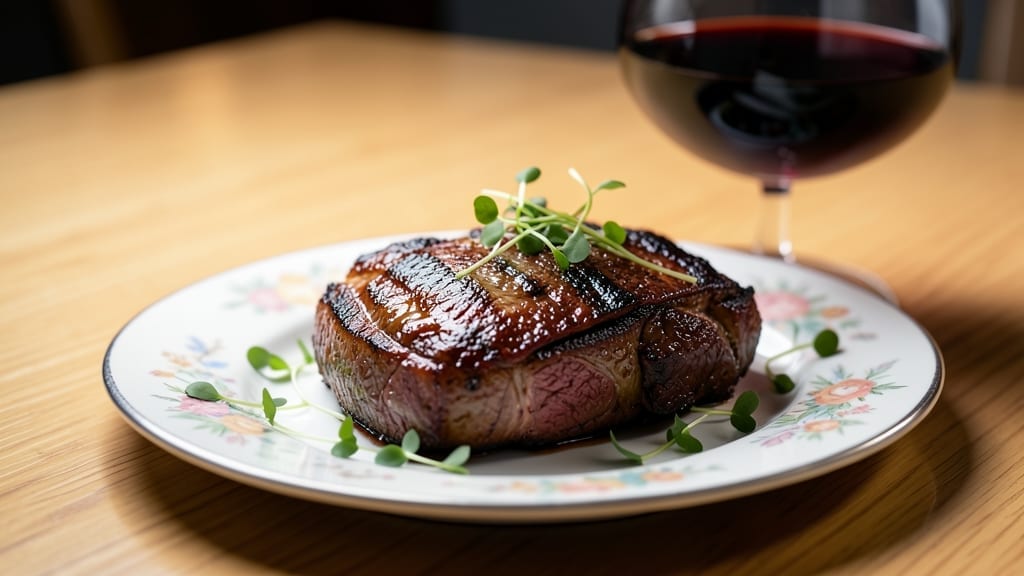
There’s nothing quite like the New York strip roast smoker recipe that transforms a simple cut of beef into a showstopping centerpiece. 🔥 The marriage of smoky hickory flavor and tender, juicy meat—with that coveted crusty bark—is what makes this dish worth every minute in the smoker.
I first mastered this technique during a long weekend cookout when my family demanded seconds before the plate was even cleared.
What sets this recipe apart is the balance between slow-smoked tenderness and the perfect sear. We start with a simple yet effective dry rub that clings to the meat, then smoke it low and slow until it reaches an internal temperature of 125°F—probe-tender but not dry.
The key is patience; letting the wood infuse the meat gradually builds layers of flavor that no quick cook can match.
The result is a roast with a deep, smoky crust that gives way to perfectly juicy, melt-in-your-mouth beef. The bark holds up beautifully when sliced, ensuring every bite delivers that perfect combination of texture and flavor.
Serve it with a side of smoked garlic mashed potatoes or a grilled herb butter to complement the rich, smoky profile.
This is the kind of recipe that turns a casual family dinner into a memorable feast. The technique is straightforward once you understand the critical stages, and the rewards are undeniable. Let’s get started on creating your own smoker masterpiece.
Ingredients for new york strip roast smoker
A few simple ingredients. One legendary cut. The perfect smoker masterpiece.
| Ingredient | Amount | Notes |
|---|---|---|
| New York Strip Roast 🥩 | 4 lb | Center-cut, 2-3 inches thick |
| Kosher Salt 🧂 | 1 ½ tbsp | Diamond Crystal preferred |
| Coarse Black Pepper 🌶️ | 1 tbsp | Freshly cracked preferred |
| Smoked Paprika 🌶️ | 1 tbsp | For deep smoky flavor |
| Garlic Powder 🧄 | 1 tbsp | Freshly ground preferred |
| Onion Powder 🧅 | 1 tbsp | For balanced depth |
| Brown Sugar 🍯 | 1 tbsp | Lightly coats the meat |
| Mustard Powder 🍋 | ½ tbsp | Adds subtle tang |
| Hickory Wood Chips 🌳 | 1 package | Unsoaked, for smoker |
| Apple Cider Vinegar 🍎 | 1 tbsp | Brine for tenderness |
| Olive Oil 🫒 | 2 tbsp | For rub adhesion |
| Fresh Rosemary 🌿 | 4 sprigs | For aromatic finish |
[recipe_ingredient_scaler]
The New York strip roast is non-negotiable here—center-cut with good marbling is key. Most butchers can trim it to your preferred thickness. I usually grab mine from Costco when they have it on sale, but any quality grocer’s meat department will have it. Look for vibrant red color and visible fat streaks—that’s where the flavor hides. If you’re buying a whole strip, ask for it to be tied with butcher’s twine before you leave—saves time later. The 4-pound size is perfect for 4 servings with leftovers.
No hickory wood chips? Oak or cherry work too—just adjust the smoke level. Fresh rosemary out of season? Dried at half the amount gets you close, but honestly, the fresh stuff makes all the difference. The apple cider vinegar is worth the splash—it tenderizes the meat and balances the smokiness. No olive oil? Avocado oil works just as well. The rub ingredients are all pantry staples, but if you want to splurge, Penzeys has amazing smoked paprika that takes this to the next level. Pro tip: Toast your spices in a dry pan for 30 seconds before mixing—they’ll smell amazing and wake up those flavors.
The roast reheats beautifully—wrap tightly in foil and warm in a 200°F oven for 20-30 minutes. Keeps in the fridge for 3-4 days if vacuum-sealed, but honestly, it’s so good you’ll eat it all before then. For leftovers, slice against the grain and serve with smoked mashed potatoes or a simple grilled green salad. The bark gets crispier as it cools, so let it rest 10 minutes before slicing. Trust me, that wait is worth it for clean cuts every time.
Why You’ll Love This Recipe
- No-Fuss Smoking: I’ll be real—this isn’t one of those recipes where you’re chopping onions for hours. Just toss together that dry rub of kosher salt, smoked paprika, and garlic powder, pat it onto the roast, let it sit 30 minutes, and boom—you’re smoking. The real work is done for you by the smoker, while you prep sides or catch up on your show.
- Smoky-Sweet Perfection: That hickory wood and brown sugar combo? It’s like a hug for your taste buds. The crispy bark from the rub meets the tender, smoky center—no dry edges here. Trust me, the mustard powder adds just enough tang to keep it from being too sweet, so every bite’s a little adventure.
- Leftovers That Last (But Won’t): The 4-pound roast feeds four with plenty left over, but here’s the thing—you won’t have leftovers. My kids beg for seconds, and even my picky uncle (who eats like a bird) goes back for more. If you do have scraps, vacuum-seal them and they’ll stay fresh for 3-4 days. But honestly? You’ll be too busy licking the plate.
- Weeknight Crowd-Pleaser: This isn’t a “special occasion” dish—it’s the kind of meal that makes you look like a hero without you trying. Smoke it while you’re at work (low and slow, remember?), then slice it up and serve it with mashed potatoes or a simple salad. Your guests will think you spent all day in the kitchen. (Spoiler: You didn’t.)
Step-by-step instructions for smoky New York strip roast
Here’s how to transform a simple roast into smoky, juicy perfection with a crusty bark.
👨🍳 Step 1: Create the Dry Rub and Prep the Roast
In a small bowl, combine the 1½ tbsp kosher salt, 1 tbsp coarse black pepper, 1 tbsp smoked paprika, 1 tbsp garlic powder, 1 tbsp onion powder, 1 tbsp brown sugar, and ½ tbsp mustard powder. Mix thoroughly until evenly distributed. This blend gives you that perfect balance of smoky, sweet, and savory flavors.
Pat the 4 lb New York Strip Roast completely dry with paper towels—this is crucial for that crispy bark. Then rub the spice mixture all over the roast, pressing it into the meat so it sticks. Don’t forget the edges and the fat cap. Here’s the thing—this dry rub needs time to work its magic, so let the roast sit at room temperature for 30 minutes before smoking. This ensures even cooking and maximum flavor penetration.
🔥 Step 2: Set Up the Smoker and Preheat
Fill your smoker with the 1 package hickory wood chips and add 1 tbsp apple cider vinegar to the water pan if you’re using one. Preheat the smoker to 225°F—this low and slow approach is key for tender, juicy meat. You’ll know it’s ready when you see thin, blue smoke (not thick white steam).
While the smoker heats up, brush the roast lightly with 2 tbsp olive oil. This helps the rub stick better and adds an extra layer of flavor. Once the smoker reaches temperature, place the roast fat-side up on the smoker grates. I like to position it so the thickest part is closest to the heat source—this helps create that beautiful bark while keeping the inside tender.
⏰ Step 3: Smoke Until Probe-Tender
Smoke the roast undisturbed for 6-8 hours, maintaining a consistent 225°F temperature. This is where the magic happens—those wood chips infuse the meat with deep, smoky flavor while the low heat breaks down the connective tissue for fork-tender results. Real talk: Don’t open the smoker during this time. Every time you peek, you lose heat and moisture, adding 15-20 minutes to your cook time.
After 6-8 hours, check the internal temperature using a meat thermometer. You want it to reach 130-135°F—this is the “stall” point where the meat’s natural juices evaporate, causing the temperature to plateau. At this stage, wrap the roast tightly in butcher paper (not foil) and return it to the smoker. This technique, called the “Texas crutch,” helps push through the stall while preserving that crispy bark.
🔥 Step 4: Finish and Rest for Juiciness
Continue smoking the wrapped roast until the internal temperature reaches 145°F (about 2-3 more hours). The butcher paper allows the meat to breathe just enough to develop that perfect crust while keeping the inside moist. Once it hits 145°F, remove the roast from the smoker and let it rest for 30-45 minutes before slicing. This resting period is non-negotiable—it lets the juices redistribute, ensuring every slice is juicy and flavorful.
While it rests, sprinkle the 4 sprigs fresh rosemary over the top of the roast. The aromatic herbs will release their fragrance as the meat rests, adding a final layer of complexity to your dish. Slice against the grain into ½-inch thick pieces and serve immediately. The result? A perfectly smoky, juicy roast with a crusty bark that’ll impress anyone at your table.
Pro Tips For Making New York Strip Roast Smoker
- Press That Rub Hard: I used to slap the dry rub on and call it a day—until I noticed the spices just sitting on top. Press the mixture into the meat, especially the fat cap and edges, so it clings like a second skin. That’s where the flavor actually sticks, and it makes all the difference when you take your first bite.
- Fat-Side Up Only: The fat cap isn’t just for show—it’s your insurance policy for juiciness. Place the roast fat-side up on the smoker grates, and resist the urge to flip it. The rendered fat bastes the meat as it cooks, keeping it moist while the top develops that glorious crust. Trust me, the fat side wins every time.
- Skip the Vinegar Water Pan: That 1 tbsp apple cider vinegar in the water pan? It’s not about moisture—it’s about flavor. If your smoker’s water pan is just steaming, skip it. The vinegar adds a subtle tang to the smoke, but if you’re not using one, just toss the wood chips straight into the smoker. Less cleanup, same smoky magic.
- Butcher Paper > Foil: I learned this the hard way—wrapping in foil traps steam and turns your crust into sad, soggy meat. Butcher paper lets the roast breathe just enough to keep that bark crisp while pushing through the stall. It’s the lazy cook’s shortcut to restaurant-quality results. (Yes, even if you’re impatient like me.)
Best sauces and condiments for these flavors
Classic Smoky Au Jus
For a restaurant-worthy touch, I always prepare a smoky au jus to drizzle over the roast. After removing the meat from the smoker, I carefully strain the pan drippings through a fine-mesh sieve into a saucepan.
Add ½ cup beef broth and 1 tbsp apple cider vinegar to enhance the smoky depth. Simmer on low heat for 10 minutes, then whisk in 1 tbsp cornstarch mixed with 2 tbsp cold water to thicken.
A splash of Worcestershire sauce adds complexity—trust me, it makes all the difference. 🔥
Spicy Chipotle Crema
If you love heat, blend 2 tbsp sour cream with 1 tbsp adobo sauce from a can of chipotle peppers (I use Hatch brand for consistency). Stir in 1 tsp smoked paprika and a pinch of garlic powder for a smoky-spicy kick.
Drizzle this over sliced roast just before serving—it cuts through the richness beautifully. The crema also pairs perfectly with the crusty bark we worked so hard to create. 🌶️
Honey-Balsamic Glaze
For a sweeter contrast, mix 2 tbsp balsamic vinegar with 1 tbsp raw honey and 1 tsp Dijon mustard in a small saucepan. Simmer until slightly reduced (3-4 minutes) and brush lightly over the roast slices.
This glaze adds a tangy-sweet balance that highlights the smoky flavors. I especially love this pairing when serving with roasted sweet potatoes on the side. 🍯
Garlic-Herb Butter
Softened ½ cup unsalted butter blended with 3 minced garlic cloves, 1 tbsp chopped fresh rosemary, and a pinch of smoked salt becomes my go-to finishing touch. Warm the mixture gently until fragrant, then dollop generously over the roast.
The butter melts into the meat, enhancing every bite with aromatic depth. I always keep a small bowl of this on the table for guests to add to their plates. ✨
Pickled Red Onions
Quick-pickle ½ cup thinly sliced red onions in ¼ cup apple cider vinegar, 2 tbsp water, 1 tbsp brown sugar, and a pinch of salt for 15 minutes. Drain and serve alongside the roast—the bright acidity cuts through the smoky richness.
I like to toss these with a little olive oil before serving for extra shine. This simple side elevates the entire plate. 🍅
Nutrition facts
Frequently asked questions
Why does the New York strip roast need to rest after smoking?
Resting for 30-45 minutes is essential because it lets the meat’s juices redistribute evenly. Without resting, you’ll get a dry exterior while the inside remains undercooked. This step ensures every slice is juicy and flavorful, making your smoky roast truly unforgettable.
Can I use foil instead of butcher paper during the Texas crutch?
Butcher paper is the key here—it allows the meat to breathe just enough to keep that perfect crust while trapping moisture. Foil will steam the roast, making the bark soggy. Trust me, the difference is night and day when you slice into that bark!
What’s the best way to handle leftovers?
Wrap the roast tightly in foil and reheat at 200°F for 20-30 minutes. Slice against the grain for the best texture, and pair with smoked mashed potatoes or a simple salad. The bark gets even crispier as it cools, so let it rest 10 minutes before slicing.
Can I adjust the smoking time if my roast is thicker?
Yes! For thicker cuts, add 1-2 extra hours to the smoking time, checking internal temperature at 130-135°F before wrapping. Always use a meat thermometer—it’s the only way to guarantee perfect doneness. Patience pays off for that tender, juicy result!

Trained in classic French technique but raised on slow-cooked ribs and spicy rubs, she blends culinary skill with smoke and soul.
- Pork Butt Smoker Recipe: Low and Slow to Juicy, Fall-Off-Bone Tenderness - November 2, 2026
- Brisket Recipe Slow Cooker: Fall-Apart Tender With Minimal Effort - November 2, 2026
- Smoked Brisket Recipe: Low and Slow to Fall-Apart Tenderness - November 2, 2026