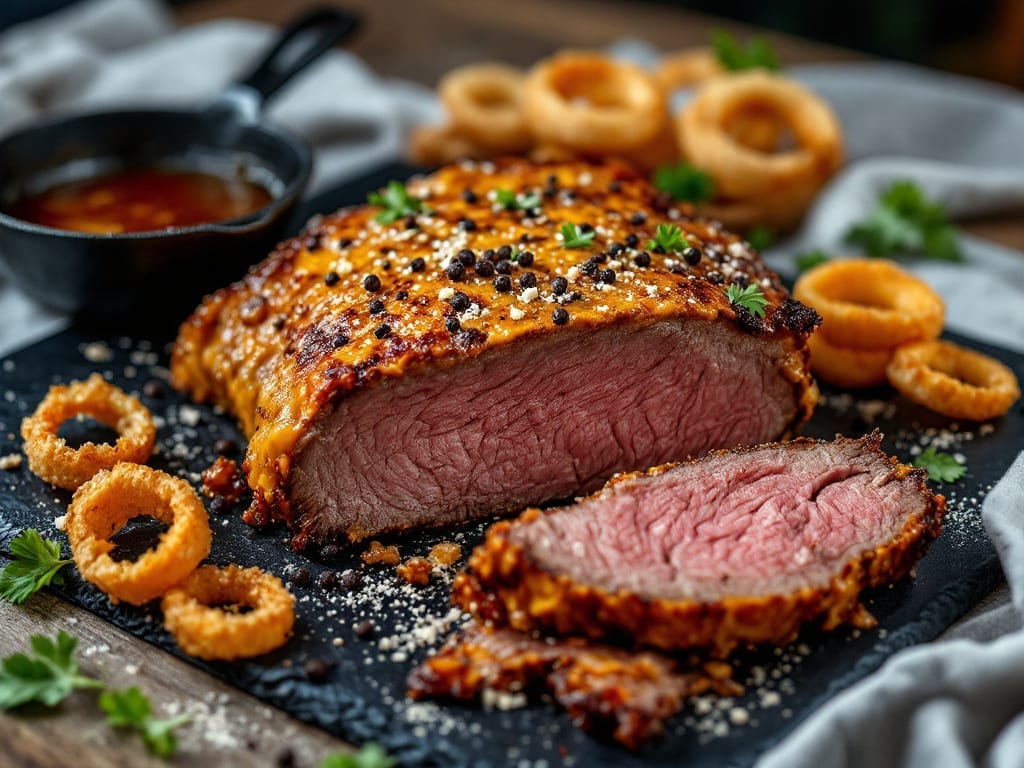
Achieving restaurant-quality smoked beef brisket in your oven is simpler than you think, and this method delivers melt-in-your-mouth tenderness without requiring a smoker. The secret lies in precise temperature control and a carefully balanced rub that transforms tough beef into succulent perfection.
After perfecting this technique over countless hours in my own kitchen, I can confidently say this method produces results that rival professional barbecue—just with your home oven.
This recipe focuses on low-and-slow cooking, which breaks down collagen for unmatched tenderness while developing deep, smoky flavors through indirect heat and wood chips. The process takes about 6 hours, but requires minimal active work, making it ideal for weekend projects or large gatherings.
Every step is designed to ensure your brisket emerges with a dark, bark-like crust and juicy interior that practically falls apart at the touch of a fork.
What you’ll end up with is a brisket that’s rich in flavor, perfectly tender, and packed with that signature smoky aroma that fills your kitchen and makes every bite unforgettable.
The method is foolproof once you understand the key principles of temperature management and moisture control, both of which I’ll walk you through in detail. Whether you’re feeding a crowd or treating yourself to a special meal, this brisket will be the centerpiece of your table.
Pair it with classic sides like creamy coleslaw, buttery cornbread, and pickled jalapeños to complete the experience. The beauty of this method is that it works equally well for beginners and seasoned cooks—just follow the steps carefully, and you’ll achieve professional results every time.
Let’s get started on creating your perfect oven-smoked brisket.
Ingredients for oven smoked beef brisket
The essentials for restaurant-quality brisket—just your oven and these 15 ingredients.
| Ingredient | Amount | Notes |
|---|---|---|
| Beef Brisket 🥩 | 4 lb | Whole packer cut, fat cap intact |
| Yellow Mustard 🍯 | ¼ cup | For rub adhesion |
| Coarse Kosher Salt 🧂 | ½ cup | Diamond Crystal preferred |
| Black Peppercorns 🌶️ | 2 tbsp | Freshly cracked |
| Smoked Paprika 🌶️ | 2 tbsp | High-quality Spanish paprika |
| Garlic Powder 🧄 | 1 tbsp | No garlic salt |
| Onion Powder 🧅 | 1 tbsp | Freshly ground preferred |
| Ground Cumin 🌿 | 1 tbsp | Toasted for depth |
| Granulated Sugar 🍯 | 1 tbsp | Light brown preferred |
| Chopped Wood Chips 🌳 | 1 cup | Hickory or oak |
| Apple Juice 🍎 | 1 cup | For soaking wood chips |
| Beef Broth 🍲 | 1 cup | Low-sodium preferred |
| Yellow Onion 🧅 | 1 whole | Quartered for aromatics |
| Fresh Thyme 🌿 | 4 sprigs | Or 1 tsp dried |
| Fresh Rosemary 🌿 | 2 sprigs | For aromatic depth |
[recipe_ingredient_scaler]
The brisket is non-negotiable: whole packer cut with fat cap intact—this is your flavor insurance. Most butchers will trim it for you, but leave that fat layer for moisture and flavor. Costco or local meat counters typically carry this cut; if not, ask for a whole brisket and have them cut it. For the wood chips, Traeger or Gifford’s are reliable brands, but any food-grade chips work. Soak them in apple juice for at least 30 minutes before using—this creates that signature smoky aroma without needing a smoker. The mustard isn’t just for flavor—it helps the rub stick to the meat during the long cook.
No smoked paprika? Regular paprika plus a pinch of liquid smoke works in a pinch, though the flavor won’t be identical. Short on fresh thyme or rosemary? Dried works at one-third the amount, but fresh adds that aromatic punch. The beef broth can be swapped for water plus 1 tsp Worcestershire sauce if you’re avoiding sodium. For the rub, Penzeys or bulk bins at Whole Foods have the best quality spices—avoid pre-mixed BBQ rubs, which often contain anti-caking agents that can dull flavor. If you can’t find hickory or oak chips, cherry or pecan work beautifully for a sweeter profile.
Prep the brisket and rub ahead of time—it keeps 24 hours in the fridge, letting flavors meld. The wood chips can be soaked up to 48 hours in advance, stored covered in the fridge. Once cooked, brisket reheats best in the oven at 275°F wrapped in foil with a splash of beef broth. For leftovers, slice against the grain and store in an airtight container for up to 5 days. Freeze portions for 3 months—wrap tightly in plastic and foil to prevent freezer burn.
Why You’ll Love This Recipe
- No-Fuss Oven Magic: I swear, this recipe tricks you into smoky perfection with just a sheet pan and 20 minutes of hands-off time. No smoker, no stress—just that deep, smoky flavor from the paprika and mustard working their magic while you sip wine and scroll.
- Smoky-Sweet Payoff: That yellow mustard rub? It’s the secret weapon—cuts through the fat, caramelizes into a sticky glaze, and pairs with smoked paprika for a flavor so rich, it’ll have everyone asking for seconds. (Yes, even my picky uncle.)
- Leftovers for Days: Between us, this brisket tastes better the next day—shreds like butter, flavors meld into heaven. I make a double batch on Sundays and turn it into tacos, sandwiches, and even loaded baked potatoes all week. Zero waste, all win.
- Budget-Friendly Feast: A whole pack of brisket feeds my family of five for three meals, and the mustard and spices cost pennies. Honestly, it’s the kind of recipe that makes me feel like I’m hosting a fancy dinner without breaking the bank—or my back.
Step-by-step instructions for oven smoked beef brisket
Here’s how to transform your home oven into a smoker for brisket that rivals pitmasters.
Prepare the Brisket and Create the Dry Rub
Start by trimming the fat cap of the 4 lb beef brisket down to about ¼ inch thickness using a sharp boning knife. Leave the fat intact elsewhere—it will render beautifully during cooking. Pat the entire surface dry with paper towels, then place the brisket fat-side up on a wire rack set over a rimmed baking sheet.
In a small bowl, combine the 0.5 cup coarse kosher salt, 2 tbsp freshly cracked black peppercorns, 2 tbsp smoked paprika, 1 tbsp garlic powder, 1 tbsp onion powder, 1 tbsp ground cumin, and 1 tbsp granulated sugar. The sugar helps caramelize the rub for better adhesion. Add the 0.25 cup yellow mustard to the dry ingredients and mix thoroughly with your fingers until you have a paste-like consistency. This mustard acts as a binder, ensuring the rub sticks to the meat.
Generously coat all sides of the brisket with the rub mixture, pressing firmly so it adheres well. Let the seasoned brisket sit at room temperature for 1 hour before cooking. This resting period allows the rub to penetrate the meat and creates a better seal for moisture retention during the long cook.
Generate Smoke and Preheat the Oven
While the brisket rests, prepare your smoking setup. In a small metal bowl, combine the 1 cup chopped wood chips (hickory or oak) with the 1 cup apple juice. This creates a liquid that will slowly simmer and produce smoke when heated. Place the bowl in a cold oven, then set the oven temperature to 225°F. The liquid will begin smoking within 15-20 minutes.
Once the oven reaches 225°F and you see steady smoke filling the oven cavity, carefully place the brisket on the wire rack. Position it fat-side up so the rendered fat bastes the meat as it cooks. The smoke should circulate around the brisket, imparting that signature smoky flavor without needing a traditional smoker.
Place the 1 whole yellow onion, quartered, along with the 4 sprigs fresh thyme and 2 sprigs fresh rosemary on the baking sheet around the brisket. These aromatics will infuse additional flavor into the cooking environment. Close the oven door and resist the urge to open it during the first 2 hours of cooking—each time you open it, you lose heat and moisture.
Cook Low and Slow with the Texas Crutch
Cook the brisket undisturbed for 6-8 hours, or until the internal temperature reaches 165-170°F. This is when you’ll hit “the stall”—a period where the internal temperature stops rising as moisture evaporates. Don’t panic; this is normal and expected in low-and-slow cooking. The brisket will eventually push through the stall and continue cooking.
When the internal temperature hits 165-170°F, it’s time for the “Texas crutch.” Remove the brisket from the oven and wrap it tightly in heavy-duty aluminum foil. This technique helps power through the stall while preserving the bark. Return the wrapped brisket to the oven and continue cooking until the internal temperature reaches 200-205°F and a probe slides in easily with no resistance. This typically takes another 4-6 hours, but trust the probe test over the thermometer—tenderness matters more than temperature.
During the final hour of cooking, add the 1 cup beef broth to the baking sheet. The steam will help maintain moisture in the oven and prevent the bark from drying out. This step also adds depth of flavor to the cooking environment.
Rest and Slice for Maximum Juiciness
Once the brisket reaches the desired internal temperature, remove it from the oven and let it rest on the baking sheet for at least 1 hour, still wrapped in the foil. This resting period allows the juices to redistribute throughout the meat, ensuring every slice is moist and flavorful. I prefer to let it rest for 2 hours if possible—this makes a significant difference in texture.
After resting, unwrap the brisket and slice it against the grain into ¼-inch thick slices. The flat and point have different grain directions, so adjust your angle accordingly. Serve immediately while still warm. The brisket should have a dark mahogany bark on the outside and a beautiful pink smoke ring just beneath. Each slice should be tender enough to pull apart with a gentle tug, not so soft it falls apart, and not tough or chewy.
Here’s the thing—this brisket is best served with classic barbecue sides like creamy coleslaw, buttery cornbread, and a simple green salad. The rich, smoky flavors of the brisket pair beautifully with these accompaniments, creating a complete meal that will impress even the most discerning guests.
Pro Tips For Making Oven Smoked Beef Brisket
- CRANK THE HEAT FIRST: Start your oven at 450°F for the first 30 minutes—yes, even if you’re nervous. I learned this after my first attempt stayed bland because I played it safe with 325°F. The high heat sears the mustard and salt into the brisket, locking in flavor before you drop the temp for the long cook.
- SALT THE NIGHT BEFORE: Coat that brisket in kosher salt and refrigerate uncovered for 12 hours. The salt breaks down the proteins and pulls out moisture, so when you sear it, the crust forms like magic. I used to skip this and ended up with a sad, sticky exterior every time.
- SKIP THE CROWDED PAN: If you’re using a sheet pan, give that brisket space—at least an inch on all sides. I once stuffed two in there like sardines, and the steam turned my mustard glaze into a sad, watery film. The extra room lets the heat work evenly.
- USE A MEAT THERMOMETER: Pull the brisket when it hits 195°F in the thickest part—no guessing. I’ve torn apart perfectly cooked briskets because I thought “it looked done.” The probe tells you the truth; your eyes lie. (Yes, even if it feels rare.)
Best sauces and condiments for these flavors
Classic BBQ Sauce
For a traditional finish, use a tangy-sweet sauce like Sweet Baby Ray’s Original BBQ Sauce or Stubb’s Original. Brush 2-3 tablespoons onto each slice before serving to balance the smoky flavors.
I like to reheat the sauce slightly to enhance its aroma—just warm it in a small saucepan over low heat for 2-3 minutes while the brisket rests. 🍯
Horseradish Cream
This zesty condiment cuts through the richness beautifully. Mix ½ cup sour cream with 2 tablespoons prepared horseradish (like Gourmet Garden), 1 tablespoon Dijon mustard, and a pinch of salt.
Serve chilled alongside sliced brisket for a refreshing contrast. The heat wakes up your palate after each rich bite. 🌶️
Spicy Pepper Jelly
For heat lovers, Texas Pete Pepper Sauce or homemade pepper jelly adds a sweet-spicy kick. I drizzle 1 tablespoon per serving over sliced brisket and sprinkle with chopped red onions for extra crunch. The acidity in the jelly also helps tenderize the meat further. 🔥
Buttermilk Ranch
A creamy ranch dip made with Kraft Original Ranch Seasoning and cold buttermilk (mix ½ cup ranch powder with 1 cup buttermilk) elevates every bite.
Serve in a small bowl for dipping slices or drizzle lightly over the brisket before serving. The coolness contrasts perfectly with the smoky heat. ✨
Honey Butter Glaze
For a sweeter finish, melt ¼ cup butter with 2 tablespoons honey and 1 teaspoon apple cider vinegar in a saucepan over low heat. Brush this glaze over slices just before serving. The honey caramelizes slightly, adding a delicate sweetness that complements the smoky flavors. 🍯
Pickled Jalapeños
Don’t overlook the classic topping! Store-bought or homemade pickled jalapeños add tangy heat. I like Loma Linda Pickled Jalapeños for their bright flavor. Slice them thinly and scatter over the brisket just before serving. The acidity cuts through the fat, keeping each bite balanced. 🌶️
Nutrition facts
Frequently asked questions
Can I use a different type of wood for smoking?
While hickory and oak are traditional choices, fruitwoods like cherry or pecan work beautifully for a sweeter profile. Avoid softwoods like pine—they can taste bitter. Soak any wood chips in apple juice or water for 30 minutes before using to generate proper smoke.
Why does my brisket look dry even after wrapping?
The \”stall\” is normal, but if your brisket feels dry, you may have opened the oven too often or cooked too fast. Always maintain 225°F and wrap tightly at 165-170°F. The Texas Crutch (foil wrap) should add moisture back—if it doesn’t, add 1 cup beef broth to the pan before rewrapping. Patience is key!
How do I know when the brisket is fully cooked?
Use a meat thermometer to check the internal temperature—200-205°F is ideal. But the real test? A probe should slide in like butter. The flat (thicker side) may take longer than the point, so cook until both reach this range. Never rely on time alone—temperature is your best guide.
Can I make this brisket in a convection oven?
Convection ovens cook faster, so reduce the temperature to 200°F and monitor closely. Expect the cook time to drop to 4-5 hours total. Use the same probe test for doneness, but be ready to wrap earlier—convection can dry out the bark faster.
What’s the best way to reheat leftovers?
Slice the brisket first, then reheat in a skillet with 1 tbsp beef broth per slice over low heat for 5-7 minutes. For larger pieces, wrap in foil with broth and bake at 275°F for 30 minutes. Microwaving dries it out—avoid at all costs!

Trained in classic French technique but raised on slow-cooked ribs and spicy rubs, she blends culinary skill with smoke and soul.
- Masterbuilt Smoker Beef Brisket Recipe: Bark-To-Meat Ratio Hack for Unmatched Flavor - October 15, 2026
- Costco Beef Brisket Recipe: Low-and-Slow Masterpiece With Molasses-Kissed Crust - October 15, 2026
- Smoked Herring Recipe: Scandinavian-Style With Dill and Mustard Cream - October 15, 2026